- Category
- World
What Is the Russian Orthodox Church? In Africa, It Is a Tool to Expand Influence
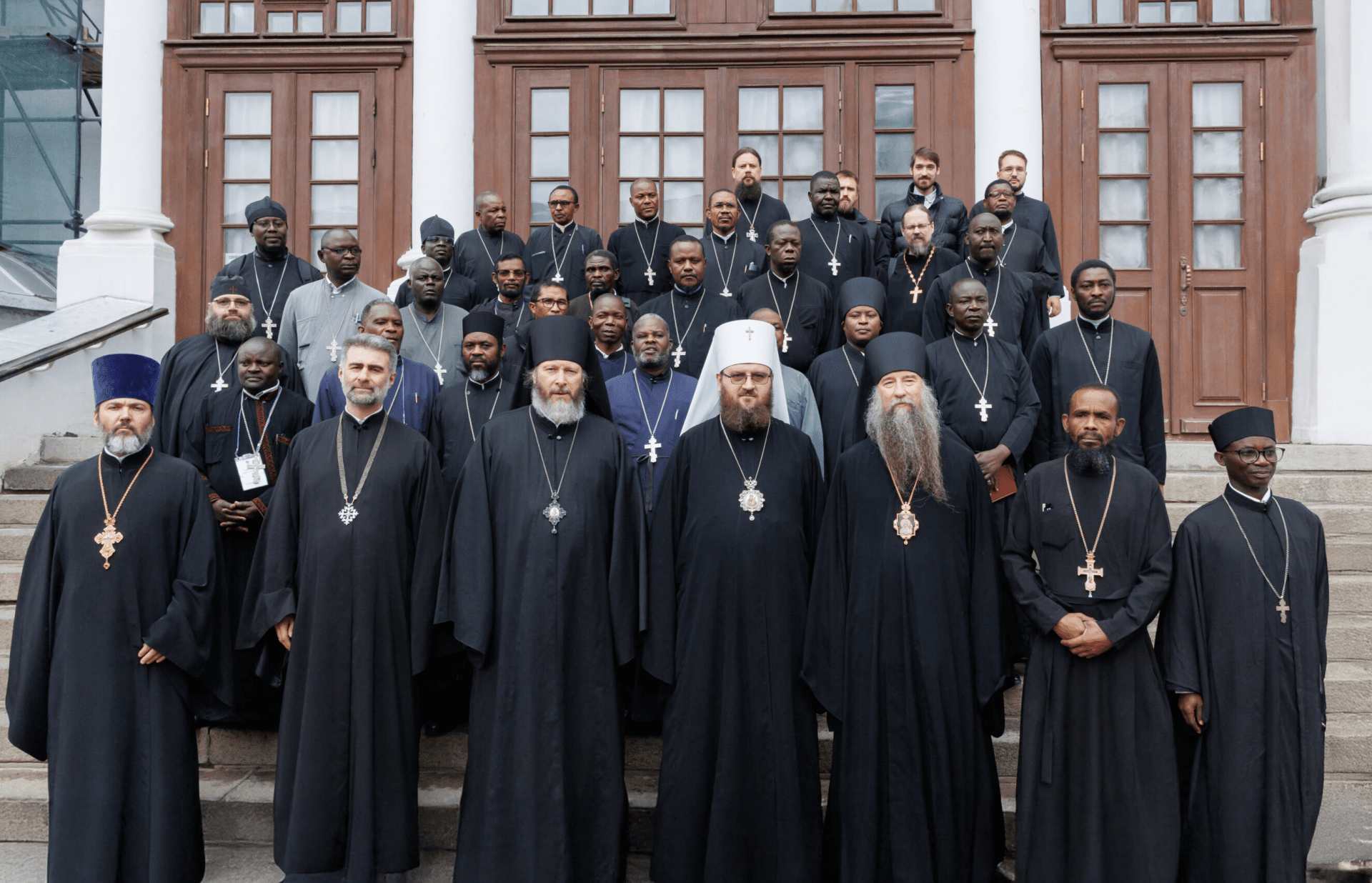
The Russian Orthodox Church is spreading across Africa under the guise of “protecting the continent from colonialism,” helping Moscow quietly extend its own political, economic, and military influence.
 Prefer U24 Media on Google
- Authors

-46f6afa2f66d31ff3df8ea1a8f5524ec.jpg "Photo of Jess Daly")
Russia called on UN members to support the designation of December 14 as the International Day Against Colonialism, Sergey Lavrov announced at the UN General Assembly in New York, September 2025. Its envoy, Vasily Nebenzy, recently reiterated the Russian-backed initiative, adding that African nations continue to be drained of their resources by foreign powers.
For Moscow, these wounds—colonialism, racism, and slavery—are vulnerabilities to exploit.
In exchange for rare earth resources in Africa, Russia offers “military cooperation,” leaving a trail of massacres, sexual violence, and human rights atrocities. From forced labor to wars waged across the Caucasus, Asia, and Europe, as well as Russia’s failed colonial ventures in Africa in the 19th century, Moscow’s own history is built on colonialism, exploitation, and violence.
Russia frequently accuses the West of colonialism, Nazism, and racism, yet remains utterly silent on its own deep-seated prejudice, persecution, and racially motivated violence. pic.twitter.com/XwBLH3Knyp
— UNITED24 Media (@United24media) August 13, 2024
As Russia’s influence in Africa has only deepened, accelerating since its full-scale invasion of Ukraine, the country has weaponized corruption to secure loyalties from elites in South Africa to Sudan. Uganda also has long-standing relationships with Moscow, primarily as an arms buyer—most recently finalizing a $53 million weapons deal in October 2025.
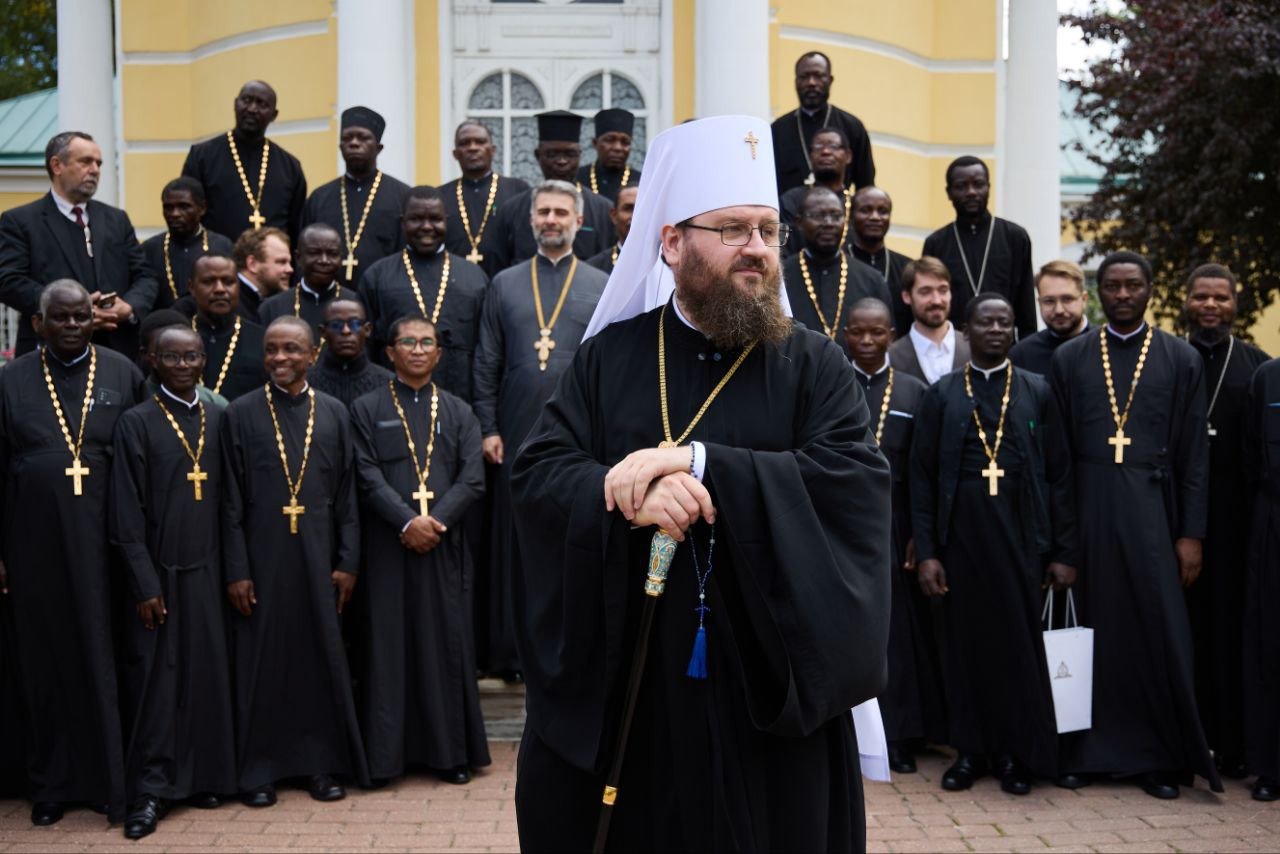
Framed as a force for “humanitarian aid” and “education,” the Russian Orthodox Church Moscow Patriarchate (ROC MP) has become a soft-power weapon, spreading pro-Kremlin propaganda cloaked in faith and goodwill.
It is now apparent that he (Putin) views the war as a sacred mission and will not stop until Ukraine has been wiped off the map of Europe.
Brian Mefford
Senior fellow at the Atlantic Council
The case of Moscow’s “holy crusade”
The ROC and its close ties to the Kremlin are no secret. The ROC’s head, Patriarch Kirill (born Vladimir Gundyaev), a former KGB officer, is a staunch supporter of Russian leader Vladimir Putin, previously comparing Putin's reign to a “miracle of God.”
They call Putin God-given, bless nukes, and raise funds for war. This is the Russian Orthodox Church.pic.twitter.com/Jhsgqq5S4R
— UNITED24 Media (@United24media) November 29, 2024
Banned from Ukraine since 2014, Patriarch Kirill has long been criticized for his pro-war rhetoric. In 2022, Pope Francis warned him not to become “Putin’s altar boy,” but Kirill has only deepened Moscow’s influence. By 2023, Ukraine issued a warrant for his arrest on charges of “encroaching on territorial integrity” and “waging a war of aggression.”
Inside Russia, opposing its war is treated as heresy: pacifism is “incompatible with Orthodoxy,” and priests refusing to glorify aggression face fines, exile, or imprisonment. Clergy cannot resign freely, only on medical grounds.
Across Europe, Russia has leveraged the ROC MP as a tool for espionage, constructing churches near strategic facilities, government institutions, and military bases.
The Russian troops killed an Orthodox priest when he confronted them with a cross in his hand. Two Greek Catholic priests went missing after Russia occupied Berdiansk.
— UNITED24 Media (@United24media) March 8, 2024
These crimes are part of the campaign Moscow leads against Ukrainian churches and clergymen. pic.twitter.com/eUqjMjLlBv
In the Russian-occupied territories of Ukraine, the ROC has seized over 1,600 parishes and 23 monasteries, coerced congregations into working directly with Moscow, and priests have been killed for refusing to cooperate.
Fifty clergy members have been killed. They were killed in various ways. There is evidence of how they were tortured. Why were they tortured? Simply because they were ‘expected’ to serve Patriarch Kirill and their (Russian Orthodox) Church. But a priest serves the people, serves God.
President of Ukraine
Putin has leaned in on religion to justify Russia’s aggression, calling the West “satanic” and claiming it abandoned “traditional” and “religious” values, framing his war as a “holy crusade.”
Through the ideology of the Russkiy Mir (“Russian World”), the ROC extends Moscow’s soft power in Africa, promoting Russian narratives, supporting its military footprint, and rallying support for Moscow’s actions.
Survivor of Russia's torture chambers, featured in @Slidstvo_info investigation, bravely shares his ordeal.
— UNITED24 Media (@United24media) April 5, 2024
This priest endured sexual violence by Russian soldiers. His story unveils Russia's true face: https://t.co/EecjGli8zP pic.twitter.com/aaBYh8j0D8
The Russian Orthodox Church Africa takeover
For two decades, Patriarch Theodore II led the Greek Orthodox Patriarchate of Alexandria and All Africa. Earlier, between 1985 and 1990, he served in Odesa as the representative of the Alexandrian Church to the Soviet Union, maintaining ties between the African Orthodox Church (AOC) and Moscow. Back then, his heart was with Russia, and Kirill honoured him for “outstanding work to strengthen the unity of Orthodox peoples.”
But Russia’s 2014 invasion of the Donetsk and Luhansk regions in Ukraine, and the attempted annexation of Crimea, shifted Theodore’s loyalty toward Ukraine.
I know the Ukrainian people and Ukraine well, because I have been to different cities many times, including those where the war is now going on. I ate the same bread that these people eat and stayed in their modest homes. Believe me, Your Holiness, my heart is full of pain.
As Russia’s war continued in Ukraine’s eastern regions, the relationship between Theodore and the ROC MP turned sour. In 2019, he formally recognised the Orthodox church of Ukraine as independent, a move that deepened long-standing tensions.
By December 2021, Moscow responded by establishing the Patriarchal Exarchate of Africa, effectively challenging Theodore’s AOC.
By setting up a separate African exarchate, the Moscow Patriarchate broke long-standing Orthodox protocol and ignited one of the sharpest ecclesiastical disputes since the fall of the Soviet Union.
Since then, Russian Orthodox bishops and priests have poured into Africa, establishing over 350 parishes in 32 countries in just three and a half years, using funding, contracts, and promises to coax local clergy away from the AOC.
Russian Orthodox Church as a tool of soft power in Africa
The ROC positions itself as a “protector” from Western influence in Africa, while Moscow vows to back its “allies” by any means, even militarily. Russia casts itself as a victim of the West, claiming its invasion of Ukraine was a reaction to so-called Western “neocolonial” aggression against Russia and Russian-speaking people.
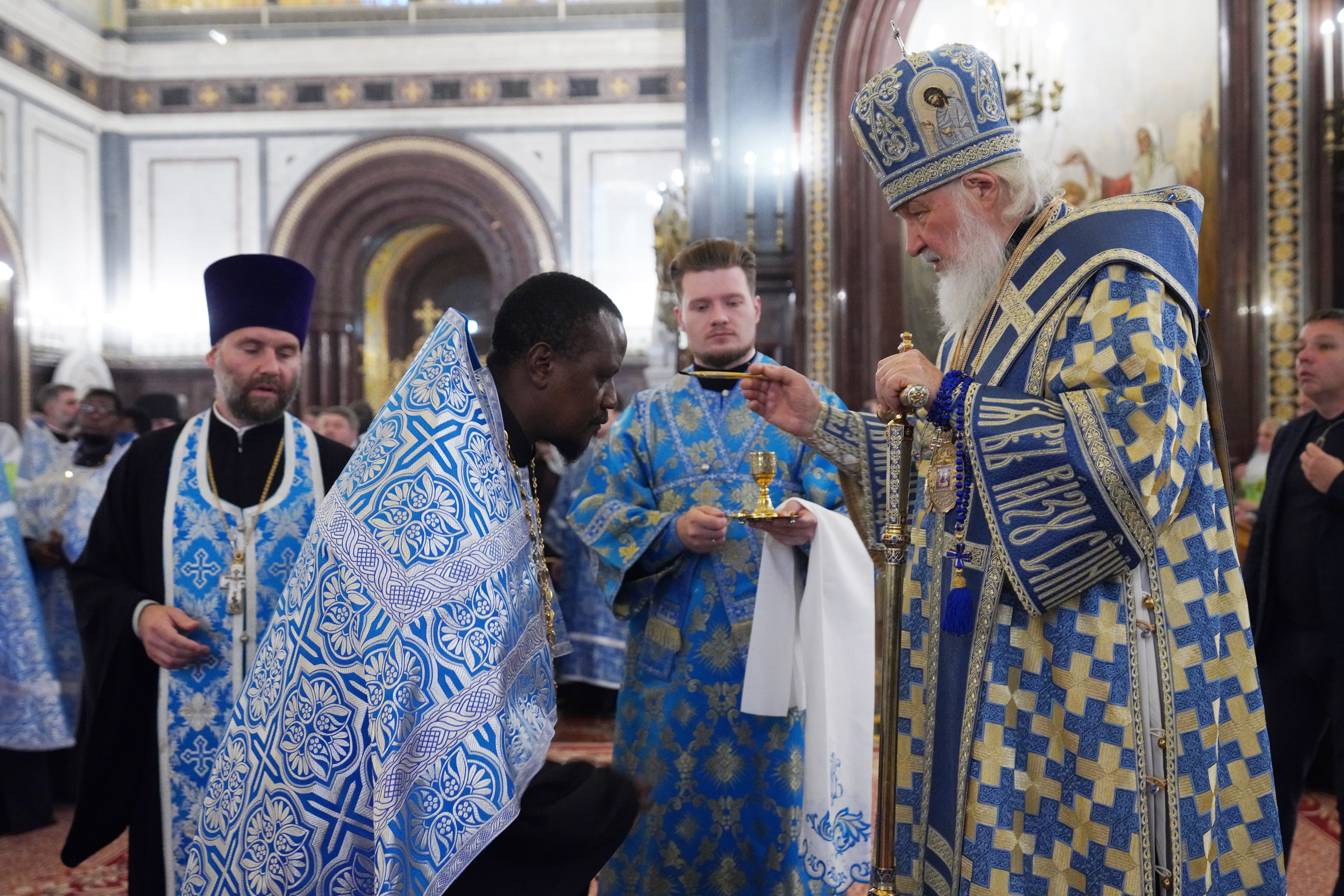
In 2023, Kirill told African leaders that Moscow and Africa “are united by adherence to traditional values, a conservative view of human nature, rejection of the ideology of permissiveness and overconsumption.” Yet, Russia’s actions stand in stark contrast to the moral ideals it preaches.
The aggressor state is exporting not only weapons to Africa, but also its version of ‘Orthodoxy.’ The Church is being used as an instrument of influence and to undermine legitimate ecclesiastical structures. This is yet another element of Russia’s hybrid expansion.
Andrii Yusov
Spokesperson of the Ukrainian Main Intelligence Directorate
30 senior priests from 22 African countries travelled to Russia during August 2025 on a state-backed pilgrimage, an event the ROC framed as another milestone in its growing footprint across Africa.
Less than a month later, Moscow staged a mass religious procession on 7 September. Drawing an estimated 40,000 participants, including students who had come to study from African countries, who chanted “We are Russian, God is with us!”
Beyond Patriarch Kirill, some of Putin’s most powerful insiders are driving the ROC’s operations in Africa. One of them is Maria Lvova-Belova, the Kremlin’s so-called Commissioner for Children’s Rights and one of Putin’s closest officials. In July 2023, she signed an agreement to establish schools within ROC parishes across Africa, along with plans to open orphanages and “humanitarian” centres.
Just months earlier, in March 2023, the International Criminal Court issued arrest warrants for both Lvova-Belova and Putin, accusing them of war crimes for the deportation and illegal transfer of Ukrainian children. Despite the charges, Lvova-Belova told Russian media that while the warrant complicates travel to Africa, “options are being found for implementing projects for children.”
Lvova-Belova is not the only Kremlin-linked official advancing the ROC’s agenda in Africa.
European decision-makers should treat the Russian Orthodox Church as effectively part of the Russian state. The church is not about spiritual life, but about open and very effective propaganda and secret diplomacy.
Ksenia Luchenko
Advancing a military foothold in Africa
Leonid Gorbachev was appointed the Exarch of Africa in December 2021. He is known as “Prigozhin in a cassock” and is under Ukrainian sanctions.
The first parishes launched by the ROC, including those in the Central African Republic (CAR), were all located in Wagner PMC's main areas of interest, such as Uganda and Mali. Gorbachev claimed that the local population was “very happy with the presence of those military specialists who ‘protect our rights and freedoms.’”
His Telegram channel consists of videos of Wagner Group soldiers and the abuse of Ukrainian prisoners of war; he calls Ukrainians nazis and praises Russia’s war in Ukraine. Throughout his church career, he served in the ROC’s foreign posts—from Jerusalem and Egypt to Argentina and Armenia. In all of these positions, Gorbachev worked in close contact with Russia’s Ministry of Foreign Affairs and the FSB .
Such is the resumé of the person tasked with Russia’s spiritual charge into Africa, and current overlaps with the political and diplomatic worlds are clear to see.
Ksenia Luchenko
Gorbachev reportedly began criticizing both Kirill and Putin following the death of Prigozhin, leading to his dismissal by the ROC in 2023.
Due to Wagner's recent flop in Africa: a brief overview of Russia's interests in the region. pic.twitter.com/go3S5Y1IIc
— UNITED24 Media (@United24media) July 29, 2024
Moscow’s media influence
Russian-language and cultural programs, along with journalist training, are central to Moscow’s information operations, cultivating sympathizers and amplifying Russian narratives worldwide.
In 2023, at the second Russia-Africa Media Forum in St. Petersburg, leading Russian and African news agencies agreed to strengthen media operations aimed at “countering Western narratives about Russia”—essentially spreading Kremlin propaganda across the continent via European-sanctioned outlets.
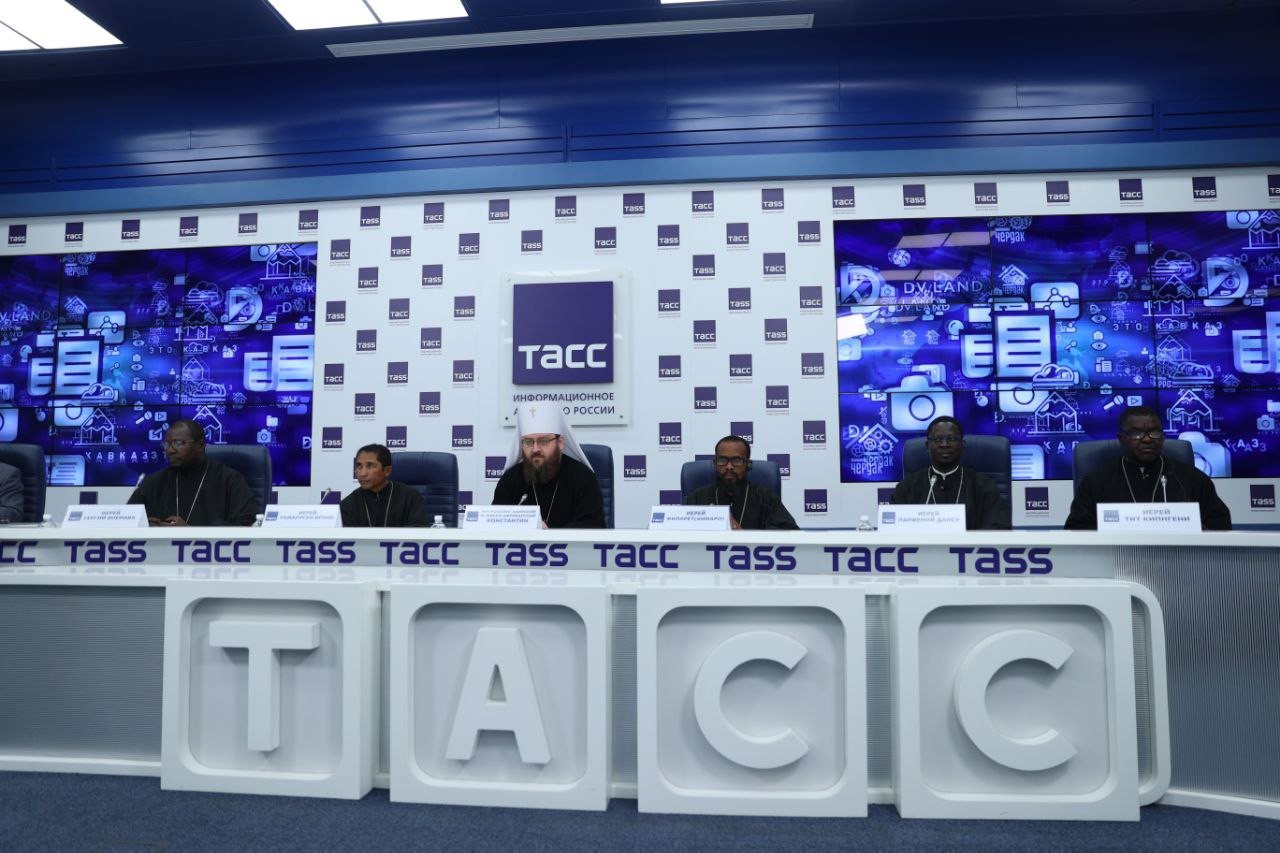
Russia is also training ROC members to become part of its media system. The August 2025 pilgrimage included “a master class on promoting church content on social media” hosted by RT while TASS regularly holds conferences on ROC activities in Africa. Ria Novosti has hosted events like “Protecting Christians in Africa and the Middle East,” which included discussing one of the ROC’s claimed main international priorities—countering religious persecution. Meanwhile, Russia persecutes religion both at home and in occupied Ukraine.
The African Initiative, established in 2023, is a state-backed outlet that publishes in multiple languages and coordinates with Russian-linked entities. Its coverage aims to legitimise Russian involvement and empower the ROC in Africa, downplaying allegations of violence and exploitation across the continent.
Russia’s so-called spiritual and educational centers
In October 2025, the ROC announced the expansion of “Spiritual Education Centers” across Africa, aimed at translating and publishing religious materials, producing media, running educational programs, and training clergy and teachers, while maintaining continent-wide social media networks.
Although framed as purely spiritual initiatives, these centers closely resemble the Kremlin’s so-called “cultural humanitarian organization,” Russian House. The ROC operates in tandem with Russian House, which serves as a front for espionage, propaganda, and soft power—using art, culture, and education to advance the ideology of the “Russian world.”
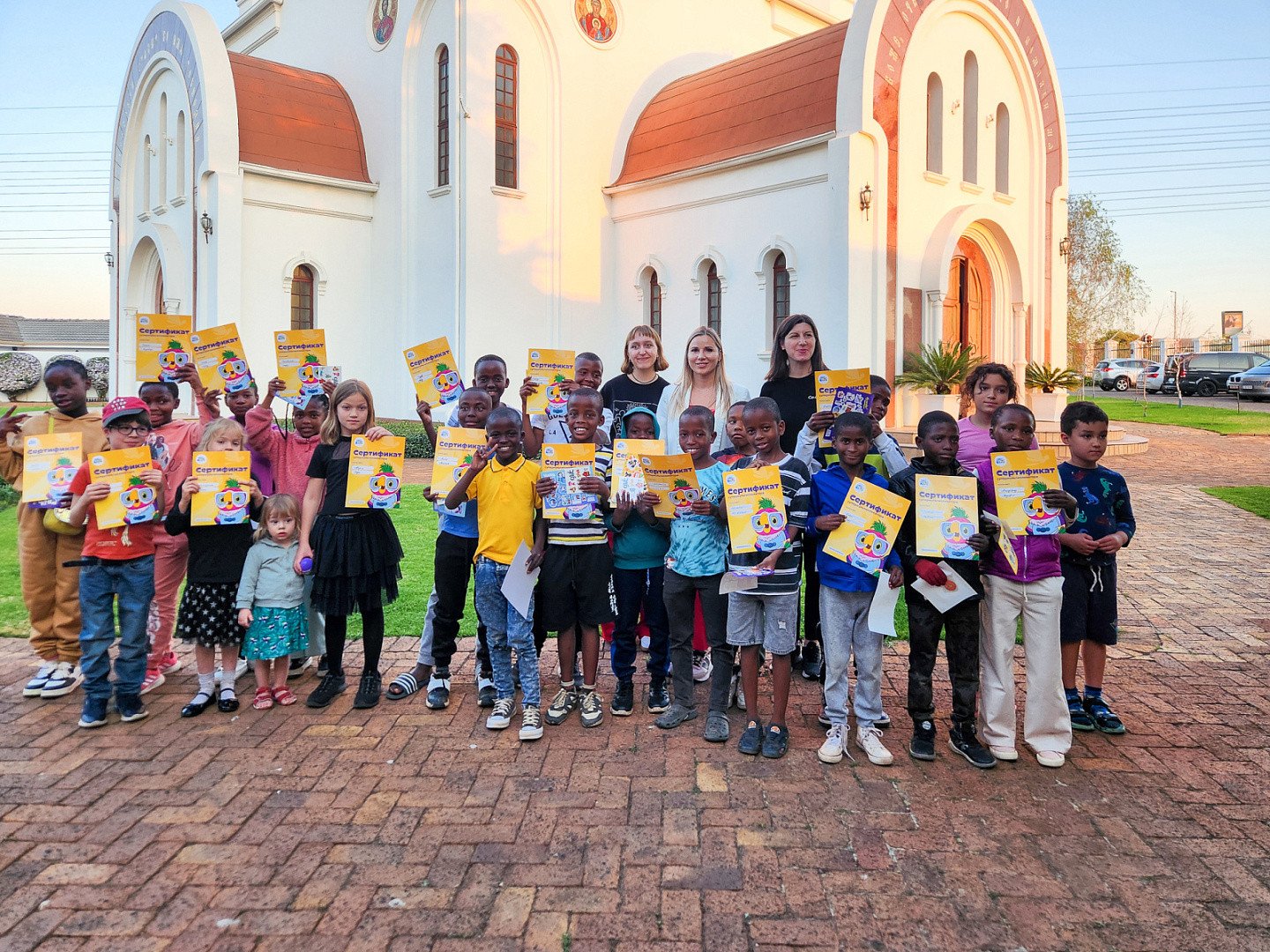
The first ROC church in Africa opened in the CAR, where its activities are closely linked to Dmitri Sytyi, head of the Russian House in Bangui, who has been sanctioned by the UK for his ties to Wagner—now rebranded as Africa Corps. Sytyi is also the founder of Lobaye Invest, a company engaged in diamond and gold mining in the CAR, War Sanctions reported.
The Russian House in Bangui is widely seen as a front for Wagner’s activities—exploiting resources and fueling conflict, accompanied by accusations of war crimes, such as torture, extrajudicial executions across the continent. In October 2025, Sergey Sukhanov, head of the Russian Defence Ministry’s office in the CAR, hosted a lecture at this Russian House, promoting Russia’s ground forces and the 300 Central Africans who are now training in Russia’s military academies—a quiet expansion of Moscow’s footprint in Africa’s security ranks.
Today, over 30% of Congolese schools offer Russian language lessons, and more than 10,000 Africans have graduated from Russian universities, according to Russian media. In September 2025, Putin signalled he’s ready to expand those numbers even further. Behind the push is Pavel Shevtsov, Deputy Head of Russian House, a key figure in recruiting African students to study in Russia—and in embedding Moscow’s influence into the next generation.
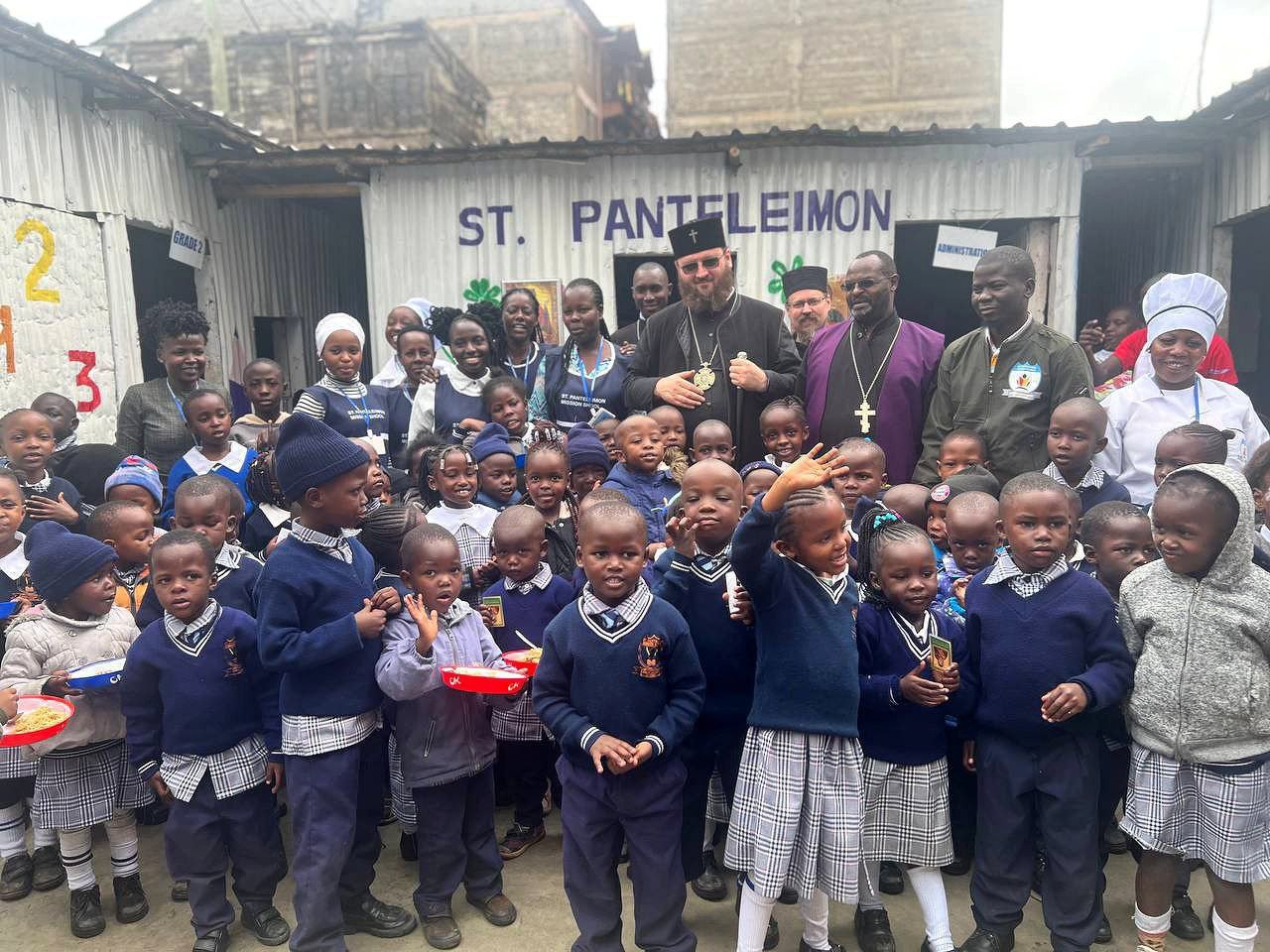
As we’ve previously reported, Russian-backed centers and cultural organisations, along with Putin’s “Presidential Foundation for Cultural Initiatives,” have a darker aim to spread Russia’s war propaganda and promote cultural genocide of temporarily occupied parts of Ukraine.
While the religious impact of the Russian Orthodox Church’s activities in Africa are not likely to be far-reaching, their influence on African leadership … could be significant, and must be viewed in that light.
Charles A. Ray
Discuss this article:



-c439b7bd9030ecf9d5a4287dc361ba31.jpg "Photo of Katherina Popilnichenko")