- Category
- World
Ukraine Can Help Protect the Middle East—on Land, in the Air, and at Sea
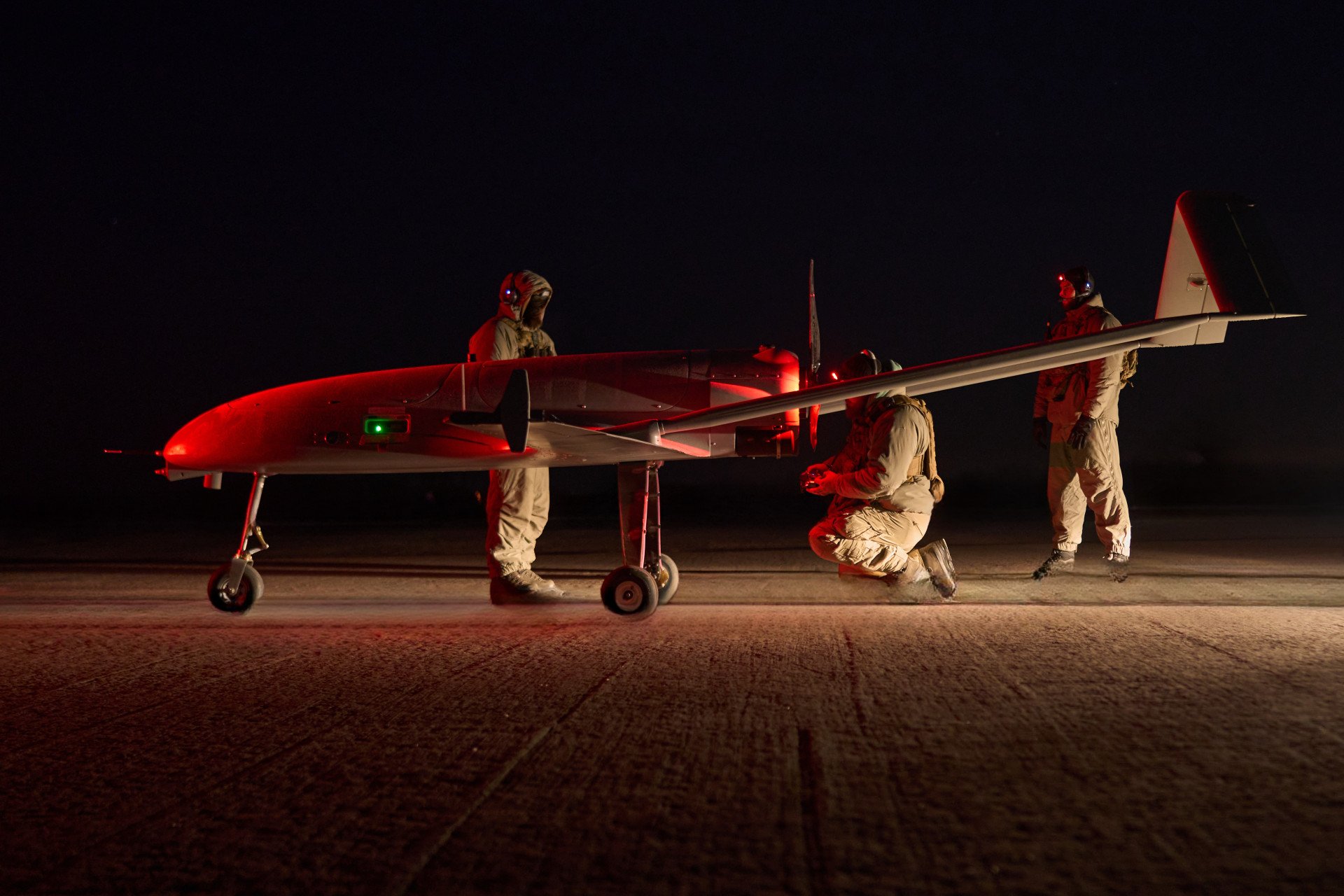
Ukraine’s experience fighting Russia is valuable and could prove useful worldwide. One week of war in the Middle East has already demonstrated this: Iran, which operates according to the “Honey Badger” doctrine, may not be able to withstand Ukrainian military tools that rely on similar principles of warfare.
 Prefer U24 Media on Google
- Authors

-29a1a43aba23f9bb779a1ac8b98d2121.jpeg "Photo of Illia Kabachynskyi")
After the outbreak of hostilities against Iran, the regime in Tehran did everything possible to ensure the world was talking about it: ballistic missiles launched toward Türkiye, drones sent toward Azerbaijan, a blockade of the Strait of Hormuz, and strikes against civilian targets in the UAE as well as oil and gas infrastructure in neighboring countries.
We bring you stories from the ground. Your support keeps our team in the field.
Iran’s attacks pursue two objectives:
strikes on civilian infrastructure—including hotels—are meant to instill fear
strikes on oil refineries are meant to demonstrate potential economic damage
This approach is often called the “Honey Badger” doctrine, named after the small African animal known for its apparent fearlessness. Fighting it can seem more costly than avoiding the confrontation altogether. For example, Qatar halted LNG production, hundreds of ships were stuck in the strait, and partners have already spent $10 billion on Patriot interceptor missiles—more than a year of production. It appears Tehran knows how to inflict maximum damage. However, this only works when the opposing side lacks the proper tools to respond.
Ukraine as a partner
Almost immediately after the war in the Middle East began, one thing became clear: shooting down Shahed drones with Patriot missiles is expensive. Other interceptor missiles also cost tens or hundreds of thousands of dollars, and their stockpiles are limited. This sparked an idea — to draw on the experience of a country that has been fighting them effectively for a long time: Ukraine.
Requests quickly emerged for Ukrainian interceptor drones, which cost several times less than Shaheds and have already proven their effectiveness.
Ukraine has already received requests from 11 countries, including Iran’s regional neighbors, European states, and the United States, says Ukrainian President Volodymyr Zelenskyy.
“There is clear interest in Ukraine’s experience in protecting lives, relevant interceptors, electronic warfare systems, and training,” he said. “Ukraine is ready to respond positively to requests from those who help us protect the lives of Ukrainians and the independence of Ukraine. Some requests have already been met with concrete decisions and specific support.”
Ukraine is now considering how else it can assist without weakening its own defense capabilities. The potential areas of support are broad.
Land
While no official statements have addressed this directly, Zelenskyy’s remarks included the following line:
“We have spoken about joint defense against drones and missiles, as well as about destroying the relevant production facilities of aggressor regimes—weapons production used in attacks.”
Today, Israel and the United States are conducting missile strikes against facilities on Iranian territory. Ukraine has something to offer here as well—long-range drones that have already proven effective in destroying military targets and oil refineries inside Russia.
These drones can fly nearly 2,000 kilometers, strike targets precisely, and—crucially—are relatively inexpensive.
They also offer key advantages: there is no need to risk costly aircraft, spend years training pilots, or maintain complex aviation platforms. Missiles themselves are also expensive.
While the UNITED24 Media editorial team was preparing this article, new information emerged: in a single night, pilots from the 9th Battalion “Kairos” of the 414th Separate Brigade “Madyar's Birds” destroyed a modern Buk-M2 radar system and launcher and struck a temporary deployment site of the Rubikon Center in the Donetsk region. All of this was done using Ukrainian-made FP-2 long-range drones.
Today, several Ukrainian companies are producing long-range drones at scale. They have confirmed combat missions and proven effectiveness. These systems can be used to strike military facilities, launch systems, and other enemy targets. In 2025, Ukrainian forces carried out nearly 400 strikes on military targets inside Russia using such drones.
If necessary, Ukraine can also share its experience with robotic ground systems, an area in which it arguably has the world’s most extensive operational experience.
Sea
Iran’s primary maritime threat lies in its “mosquito fleet”—a collection of small, highly maneuverable vessels capable of quickly striking larger military or civilian ships.
Iran is believed likely to use this type of fleet to attack oil tankers attempting to break through the blockade of the Strait of Hormuz.
Ukraine, meanwhile, has become an expert in destroying an enemy fleet without using one of its own. About a dozen warships of Russia’s Black Sea Fleet are now at the bottom of the sea—along with two submarines.
Some of these strikes were carried out by Magura and Sea Baby naval drones. Today, these systems are entire platforms capable of carrying multiple types of drones and even missiles.
Such drones can be operated remotely from long distances and deliver rapid strikes against enemy vessels—including the small boats used by Iran. Crucially, remote control significantly reduces the risks involved in such operations.
Countries bordering the Strait of Hormuz could deploy convoys—including those equipped with such drones—to protect oil tankers and restore stability to global oil and gas markets.
The Ukrainian company UForce, which manufactures Magura drones, has achieved unicorn status, raising $50 million in investment and demonstrating its export potential.
Air
This primarily refers to interceptor drones. We previously published a detailed article about Ukrainian companies producing these systems. Ukrainian soldiers have accumulated unprecedented operational experience using them—experience they can and will share with partners.
In essence, this is a new layer of air defense capable of providing additional protection against Shahed drones.
Ukraine is also rapidly developing a wide spectrum of drones—from reconnaissance systems to strike drones capable of reaching 40–60 kilometers behind enemy lines, and even hundreds of kilometers beyond that.
Ukrainian manufacturers also have several missile projects of varying ranges—from hundreds to thousands of kilometers.
Importantly, mass production of such weapons already exists. There is no need to build new factories or wait years to scale up manufacturing.
Ready to help
During the Ramstein meeting in 2026, the Ukrainian delegation emphasized that Ukraine also has something to offer in return for partner support: data, operational experience, and expertise.
The example of reconnaissance drones illustrates this particularly well. In the first days of the war in the Middle East, UK Prime Minister Keir Starmer immediately stated that his country was ready to turn to Ukraine for its knowledge and experience.
Zelenskyy’s announcement about sending equipment and working groups confirms this: Ukraine is a reliable partner and ready to respond when its neighbors call for help.
Discuss this article:


-c439b7bd9030ecf9d5a4287dc361ba31.jpg "Photo of Katherina Popilnichenko")


-72b63a4e0c8c475ad81fe3eed3f63729.jpeg "Photo of Cyril Barabaltchouk")