- Category
- Latest news
11 Countires Seek Ukraine’s Help in Countering Iranian Shahed Drones, Zelenskyy Says
 Prefer U24 Media on Google
- Authors


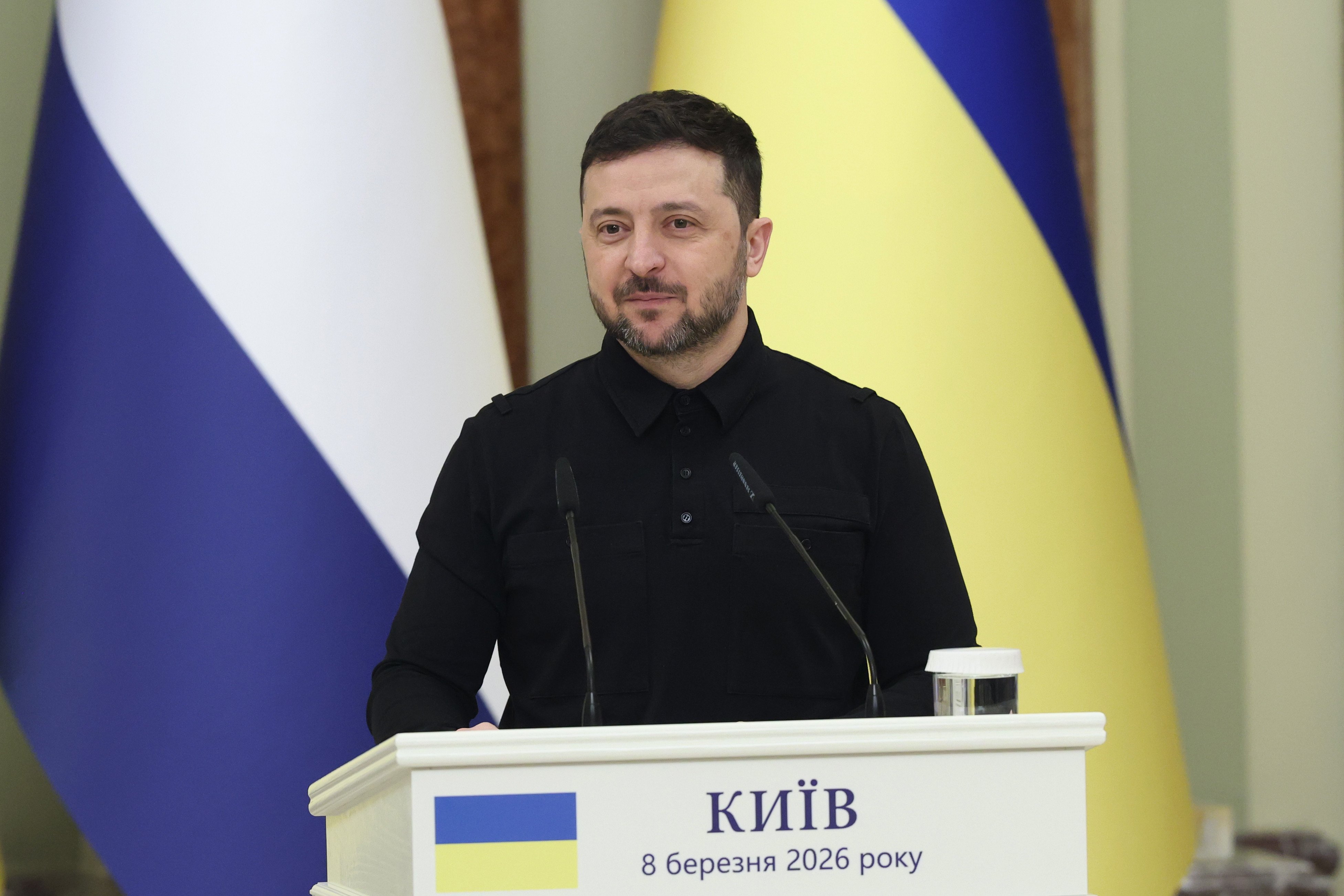
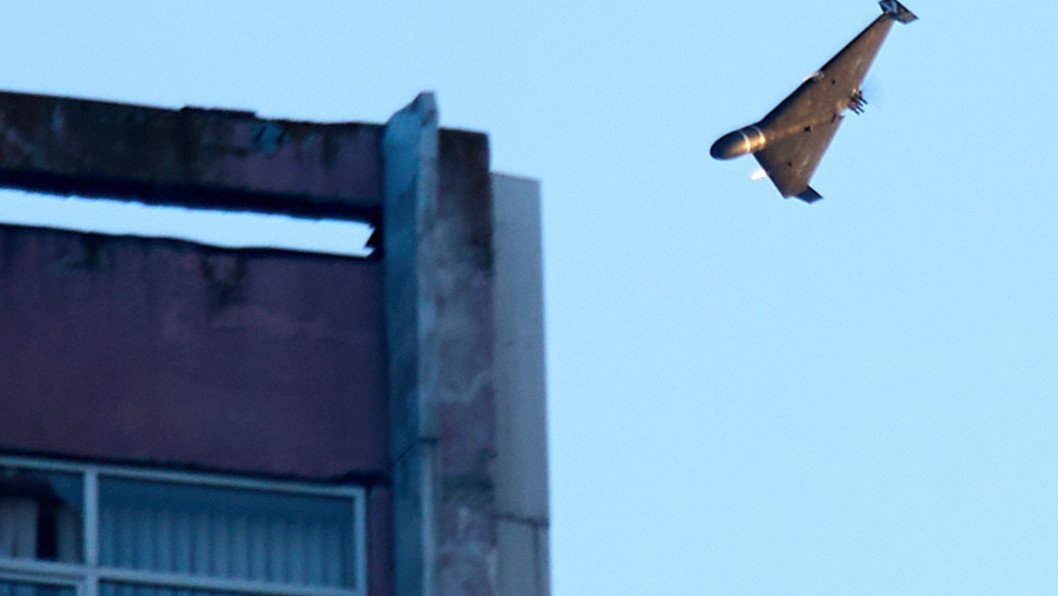
Ukraine has received 11 requests for security assistance from countries neighboring Iran, as well as from European states and the United States, particularly related to countering Shahed drones, President Volodymyr Zelenskyy said following a meeting of the Supreme Commander-in-Chief’s Staff.
The statement was published on Zelenskyy’s Telegram channel after the meeting on March 9.
We bring you stories from the ground. Your support keeps our team in the field.
“We heard reports from the Secretary of the National Security and Defense Council, the heads of the intelligence agencies, the Security Service of Ukraine, the Ministry of Foreign Affairs, and the Minister of Defense. We analyzed the main scenarios of this war in Iran and the possible consequences of its prolongation. We also reviewed in detail requests from partner states for security assistance from Ukraine, including countering Shaheds and similar threats. At this time, there are 11 requests from countries neighboring Iran, European states, and the United States,” he wrote.
The president noted there is clear interest in Ukraine’s experience in protecting lives, including interceptor systems, electronic warfare, and training, adding that Ukraine is ready to respond positively to requests from countries that help defend the lives of Ukrainians and the country’s independence, and that some requests have already been answered with concrete decisions and support.
According to Zelenskyy, the National Security and Defense Council, together with the General Staff and the Defense Forces, will assess which additional requests can be fulfilled without weakening Ukraine’s own defensive capabilities.
“Ukraine’s priority is clear: the Iranian regime must not gain any advantage over those who defend life, and everyone must work together for real stabilization both in the region and on global markets,” he said.
The president noted that the meeting also focused on the destabilizing impact of the war in Iran and the risks it poses to global markets, countries in the region, and Ukraine’s key partners that support Kyiv in defending against Russian aggression. He stressed that developments in the Middle East and the Gulf region have a direct effect on Europe, including Ukraine, as well as on other parts of the world, influencing critical supplies, security, and the well-being of citizens.
Zelenskyy added that Ukraine has long called on its partners to strengthen joint capabilities aimed at protecting lives.
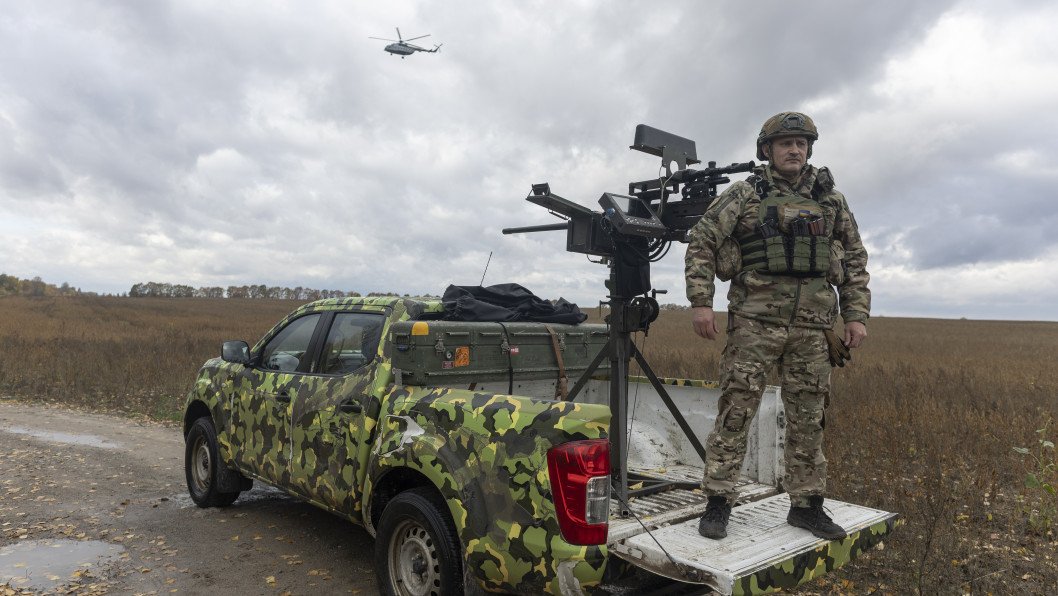
“We spoke about joint defense against drones and missiles, as well as the destruction of production facilities of aggressor regimes—factories producing weapons that are being used in strikes right now. Each of these regimes has set itself against the world, and there must be a response. Every Shahed production site is known. The Iranian and Russian regimes support each other, and more and more information is emerging, including about Russian components in Shaheds that are striking Iran’s neighbors,” he said.
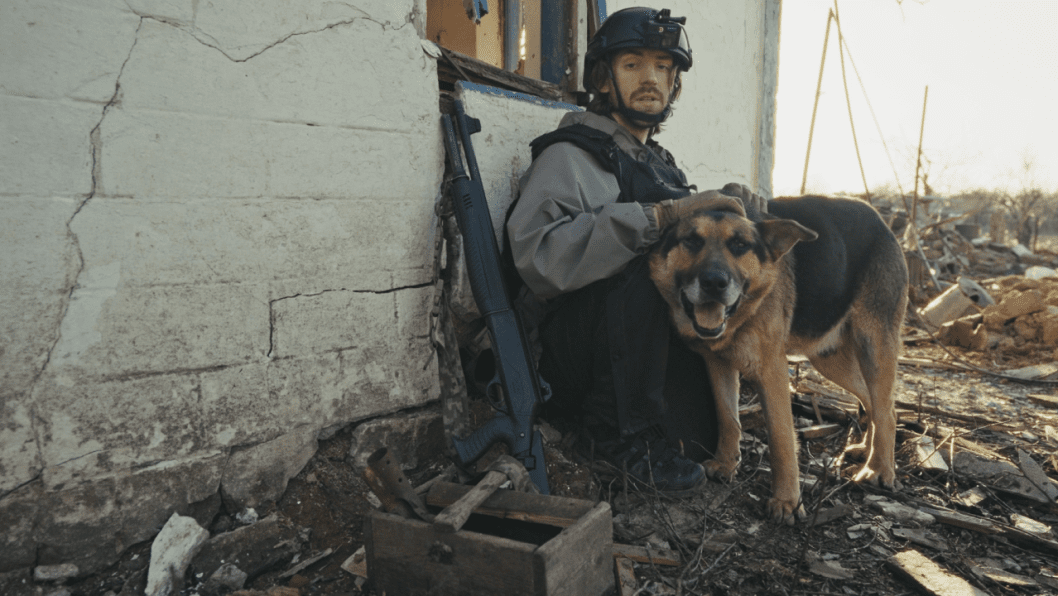
The first phase of this cooperation begins immediately. On March 8, during a press conference in Kyiv with Dutch Prime Minister Rob Jetten, President Zelenskyy announced that Ukraine will deploy its first group of military experts to the Middle East next week. These teams, composed of personnel with years of experience defending against Russian-launched Shahed attacks, will provide on-the-ground assessment and practical training for Gulf defense forces.
“I think next week, when the experts are on the ground, they will look, assess, and help, because they are going with the capabilities to assist right away,” Zelenskyy said.
-d576d1f35bf15c8204804d44f8995ed8.jpg)
The President noted that there is clear interest in Ukraine’s experience in protecting lives, including interceptor systems, electronic warfare, and specialized training. Ukraine has expressed a willingness to respond positively to requests from nations that support its own independence, and Zelenskyy confirmed that some requests have already resulted in “concrete decisions and support.”
The urgency of these requests was underscored by a direct attack on Azerbaijani territory. On March 5, an Iranian barrage of missiles and drones struck the international airport in Nakhchivan, an Azerbaijani exclave located roughly 10 kilometers (6 miles) from the Iranian border.
Azerbaijan officially confirmed the strike, reporting that two individuals were injured when one drone hit the airport’s terminal building while another fell near a school in the village of Shekerabad.
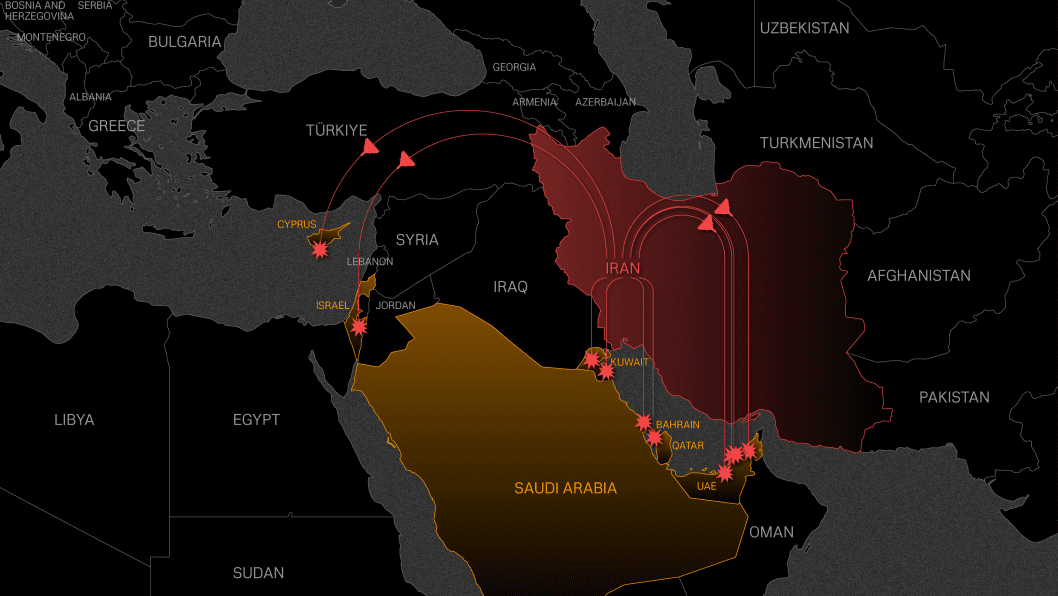
“We demand that Iran clarify the situation as soon as possible and take the necessary and urgent measures to prevent such incidents from recurring in the future. The Azerbaijani side reserves the right to take appropriate retaliatory measures,” the Azerbaijani Ministry of Foreign Affairs stated.
Earlier, Turkish defense officials confirmed that NATO’s integrated air and missile defense systems successfully neutralized a second Iranian ballistic missile while it was in Turkish airspace.
Discuss this article:


-111f0e5095e02c02446ffed57bfb0ab1.jpeg "Photo of Roman Kohanets")

-72b63a4e0c8c475ad81fe3eed3f63729.jpeg "Photo of Cyril Barabaltchouk")