- Category
- Latest news
Pentagon and Gulf States Explore Ukrainian Low-Cost Interceptors to Counter Iranian Shahed Drones
 Prefer U24 Media on Google
- Authors


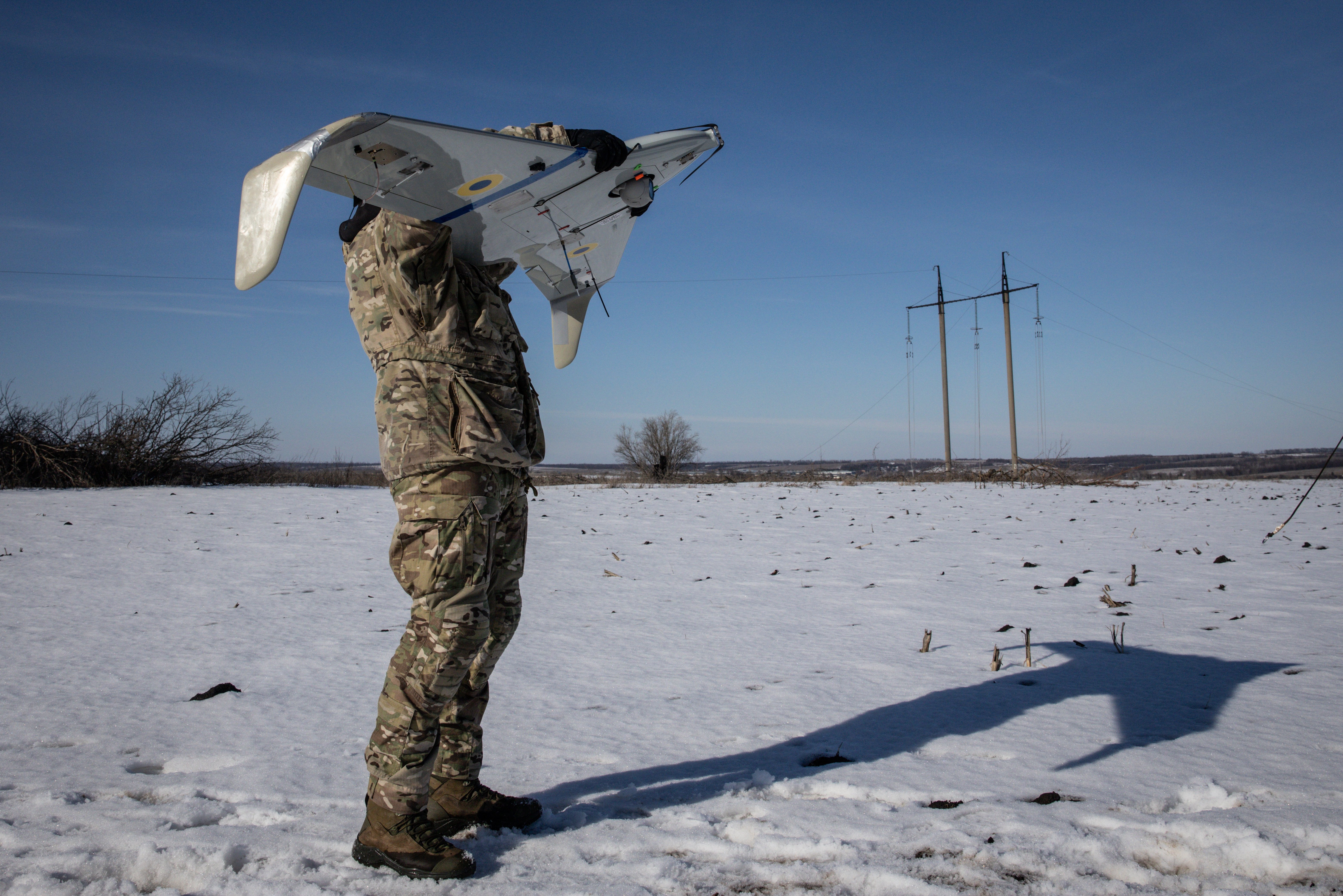
The Pentagon and at least one Gulf government are negotiating the purchase of Ukrainian-made interceptors designed to counter Iranian drones, as reported by Financial Times on March 5.
In recent days, Gulf states have relied on costly Patriot missiles to defend against waves of Iranian Shahed drones following the conflict between US-Israel and Iran.
We bring you stories from the ground. Your support keeps our team in the field.
However, their stockpiles are diminishing, prompting them to explore Ukraine’s experience in developing more affordable defenses against large-scale drone attacks similar to those carried out by Russia.
Ukraine has developed the use of mass-produced interceptors, each costing only a few thousand dollars, to destroy Russian versions of the Shahed drones that are launched in swarms against Ukrainian cities. While a single Shahed drone costs about $30,000, interceptor missiles such as the PAC-3 missile used in the MIM-104 Patriot system cost more than $13.5 million each.
One Ukrainian official described the talks with the Pentagon as a “sensitive” issue, according to Financial Times.
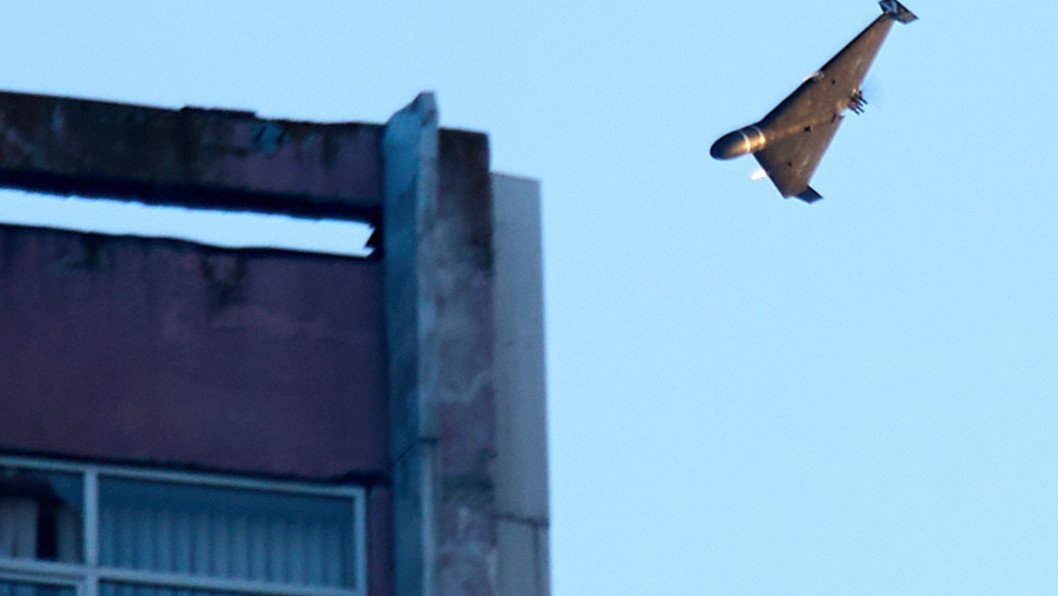
“However, it is obvious that there is a surge in interest in the Ukrainian drone interceptors, which can intercept the Shahed for a very low cost,” they said.
An industry representative in Ukraine noted that any export of Ukrainian systems—including those produced abroad—would need to be coordinated with Kyiv.
The growing interest in Ukrainian technology comes as the scale and cost of defending against Iranian attacks becomes increasingly evident. According to publicly available data cited in the press, Iran has launched around 500 ballistic missiles and several thousand drones at targets across the Middle East.
Intercepting a single ballistic missile typically requires two PAC-3 missiles for the Patriot system, each costing more than $10 million. In total, roughly $10 billion has reportedly been spent to repel ballistic missile attacks alone.
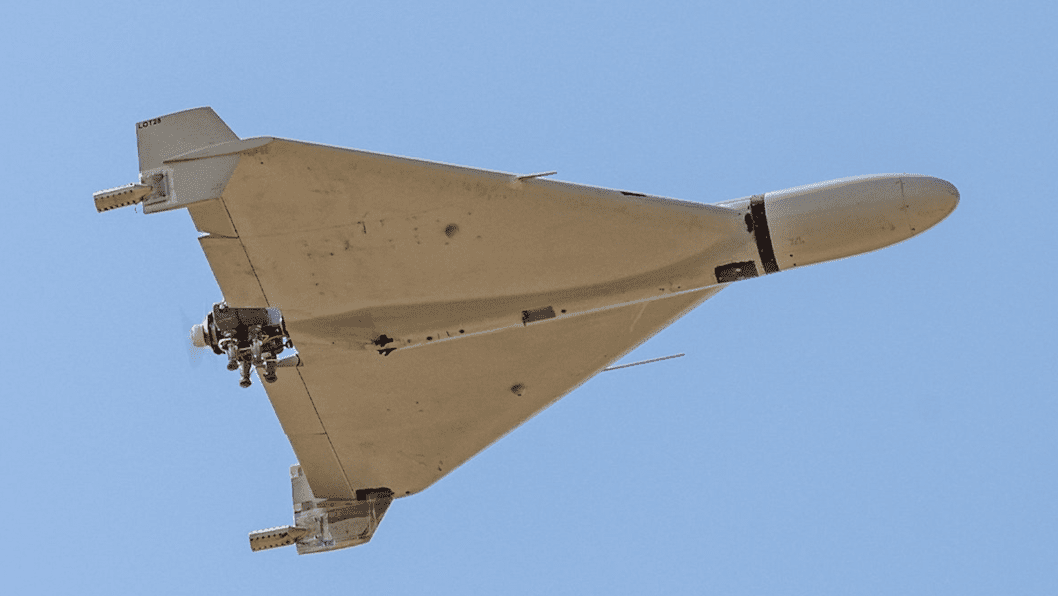
At the same time, analysts note that this approach may not be sustainable. According to reporting by Bloomberg, Patriot systems in the Middle East are being used not only against ballistic missiles but also to intercept Shahed drones—even as Iran is believed to still possess at least 1,000 additional ballistic missiles in reserve.
Although Shahed drones carry smaller warheads and travel far slower than ballistic missiles, they remain a dangerous weapon. Previous strikes on civilian areas and oil infrastructure in countries including Saudi Arabia, United Arab Emirates, Qatar, and Bahrain have already demonstrated the damage they can cause.
The scale of the threat is something Ukraine knows well. During the winter of 2025–2026 alone, Russia launched roughly 19,000 Shahed and other drones at Ukrainian territory.
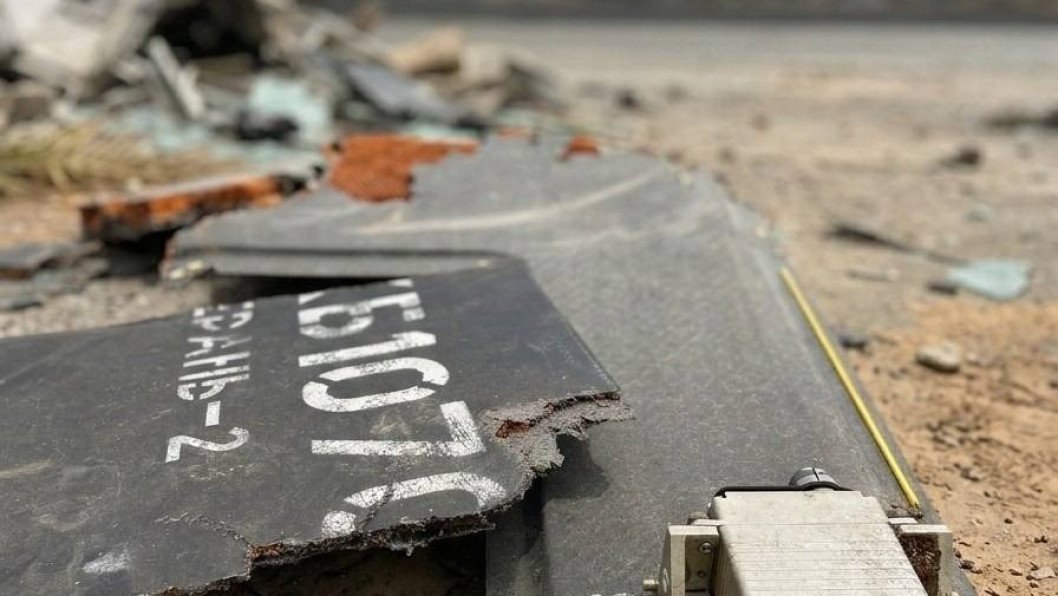
To counter them, Ukraine has developed a layered air defense system combining anti-aircraft missiles, anti-aircraft guns, mobile fire groups, and interceptor drones. This approach allows defenders to avoid using expensive Patriot interceptors against relatively cheap drones.
Earlier, the US Air Force has intensified its counter-unmanned aerial system (C-UAS) training in Germany to bolster the protection of airbases throughout Europe.
The program aims to secure critical airfields and logistics centers by combining advanced detection technology, electronic warfare assets, and kinetic strike capabilities.
Discuss this article:



-72b63a4e0c8c475ad81fe3eed3f63729.jpeg "Photo of Cyril Barabaltchouk")
-e88c01988249cd60b6f04f79d29156b7.jpeg "Damage to “Cosmogony,” the largest painting in Ukraine, following a Russian drone attack on Lutsk on October 13, 2026. (Source: @sashyyna/Instagram)")

-dd35be762f08867915b1187d08f5b7cb.jpg "Aftermath of a Ukrainian Neptune missile strike on a Russian Borisoglebsk airfield, October 15, 2026.")