- Category
- World
Three EU Member States Maintain Unilateral Bans on Ukrainian Agricultural Imports Despite Free Trade Pact
 Prefer U24 Media on Google
- Authors

-c439b7bd9030ecf9d5a4287dc361ba31.jpg "Photo of Katherina Popilnichenko")
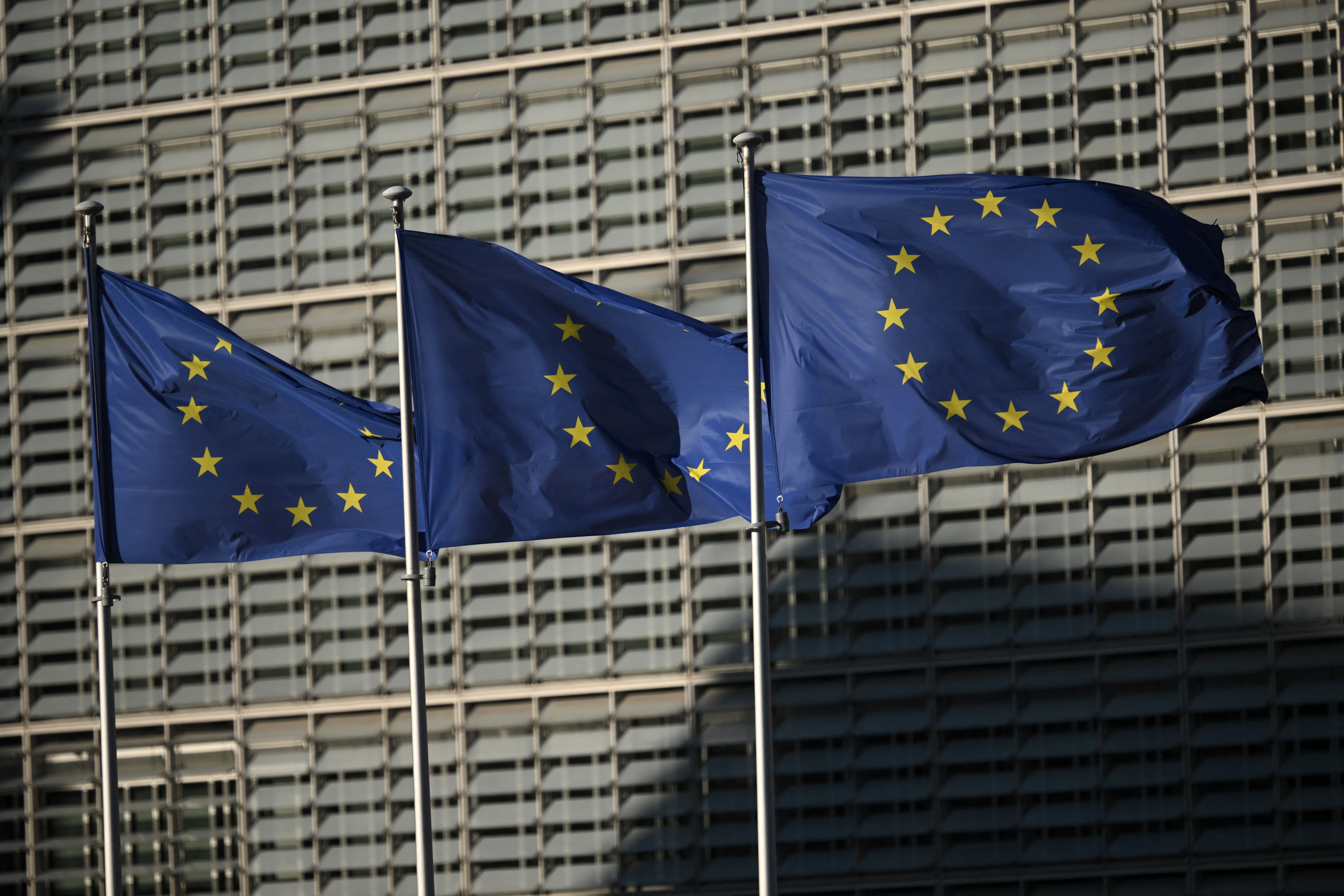
Three European Union member states—Poland, Hungary, and Slovakia—currently maintain unilateral bans on imports of certain Ukrainian agricultural products.
This domestic restriction is occurring despite the existing Deep and Comprehensive Free Trade Area agreement between the European Union and Ukraine, according to European Pravda on May 26.
We bring you stories from the ground. Your support keeps our team in the field.
A high-ranking European Union official familiar with the matter stated that "Unilateral bans were imposed by three states: Poland, Hungary, and Slovakia."
The official noted that the motivations behind these blockades appear to be political, as the updated trade agreement contains specific protective clauses that can be officially activated if imports from Ukraine create genuine challenges for local agricultural producers.
The European Union is maintaining an ongoing dialogue with all three nations to encourage them to abandon their unilateral restrictions and return to the established regulatory framework of the trade agreement with Ukraine.
Previously, Romania and Bulgaria also enforced unilateral bans on Ukrainian agricultural goods, but both nations have transitioned to an import licensing system coordinated directly with Ukraine, as required by the updated trade framework.
-db99e056fab00e144b94878b84502c8f.jpg)
The trade tension escalated last week when Hungarian Prime Minister Peter Magyar announced that Hungary would ban the import of a significant portion of agricultural products from Ukraine.
On May 26, the European Commission officially called on Hungary and other member states to lift their unilateral import bans on Ukrainian agricultural products.
The European Union originally requested Hungary, Slovakia, and Poland to remove restrictions on Ukrainian agricultural exports back in October 2025, following the finalization of a new trade pact designed to ensure balanced market conditions.
Previously, Péter Magyar’s administration has formally engaged with Ukrainian officials to negotiate the required linguistic, educational, and cultural frameworks necessary to lift the veto.
This veto specifically blocks the official opening of Cluster 1 of Ukraine’s European Union accession negotiations, which covers fundamental areas like the rule of law and human rights, effectively halting Ukraine's EU progress until an 11-point plan concerning the rights of the Hungarian minority is fulfilled.
Magyar recently stated that European Council President Antonio Costa also affirmed that progress on the minority issue must precede further steps in Ukraine’s EU integration. Ukrainian officials have confirmed their readiness to address the 11-point plan to fulfill the requirements for advancing accession negotiations.
Discuss this article:
-9bd5e1532102621f8fb1c4ba871a3171.png)