- Category
- World
Russia Weighs Diesel and Kerosene Export Ban Following Severe Drone Strikes on Oil Refineries
 Prefer U24 Media on Google
- Authors

-c439b7bd9030ecf9d5a4287dc361ba31.jpg "Photo of Katherina Popilnichenko")
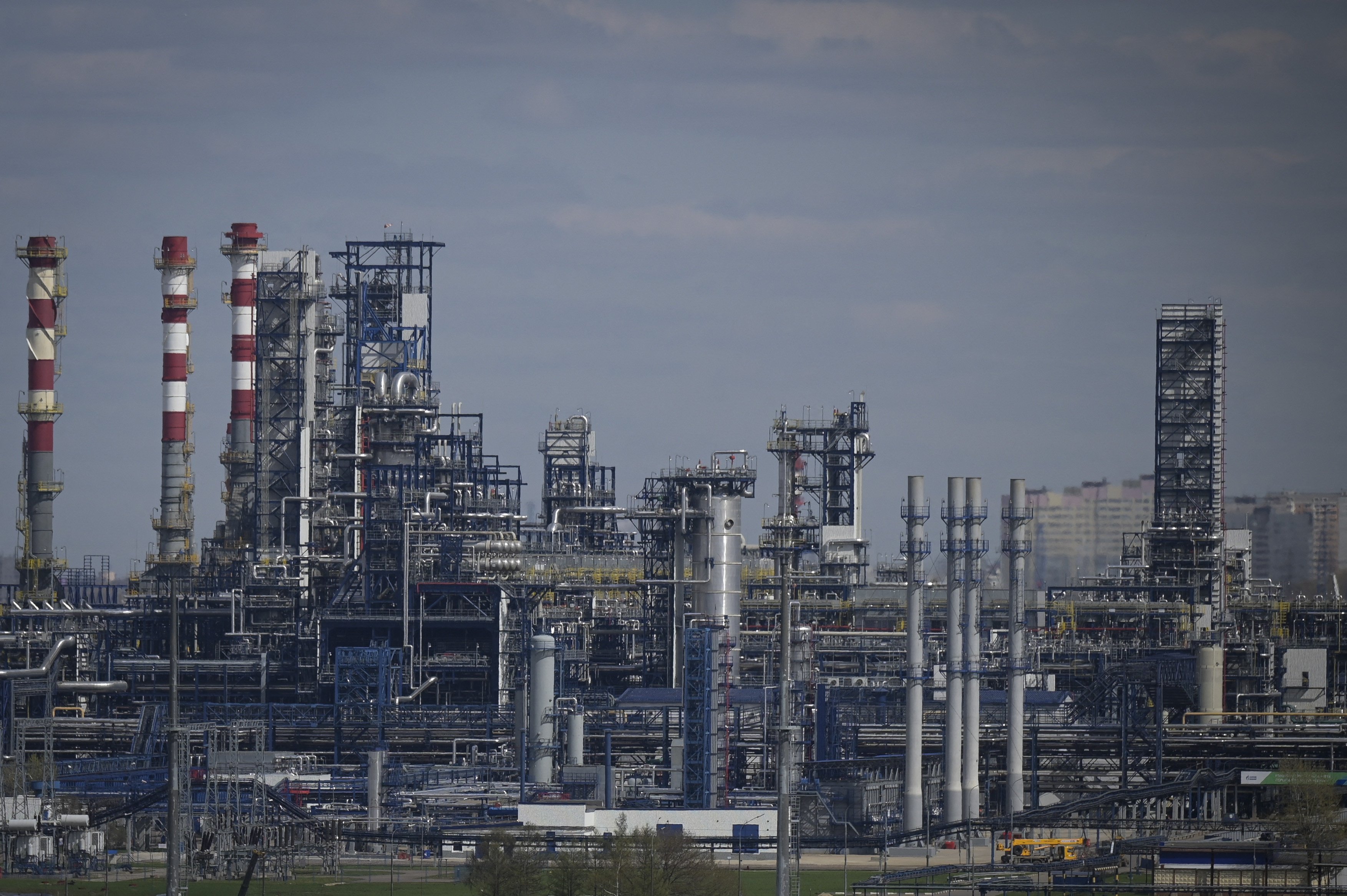
The Russian government is preparing to expand its restriction on exporting petroleum products following a wave of drone strikes on oil refineries.
These attacks have disabled almost all processing facilities in Central Russia, causing oil companies to lose 25% of their fuel production capacity, according to The Moscow Times on May 26.
We bring you stories from the ground. Your support keeps our team in the field.
By the beginning of the second half of May, refineries with a total daily capacity of 238,000 tons had stopped operating. Following a ban on gasoline exports enforced since late March, the cabinet is now reviewing similar export limitations for diesel and kerosene.
The domestic fuel market situation was discussed at a meeting led by Deputy Prime Minister Alexander Novak, who summoned representatives from various oil corporations. Following the discussions, oil producers were advised to "restrain exports" of refined petroleum products.
Oil refining in central regions of the country came to a near standstill after strikes hit major production plants in Kirishi, Moscow, Nizhny Novgorod, Ryazan, and Yaroslavl. Together, these facilities were responsible for generating over 30% of the gasoline and approximately 25% of the diesel fuel across the country.
Six oil refineries completely or partially halted their operations in May alone. Among them are Lukoil’s "Nizhny Novgorodnefteorgsintez" and Surgutneftegaz’s "Kirishinefteorgsintez," which hold the fourth and second positions respectively in terms of overall production capacity in Russia.
Estimates show that Russian refinery workloads have dropped to a daily average of 4.69 million barrels. This marks the lowest operational level since 2009 and falls below the volumes recorded during the previous autumn fuel crisis, when daily averages stood at 4.88 million barrels.
During that prior shortage, fuel deficits emerged across various regions, gas stations resorted to selling fuel via ration coupons, and wholesale gasoline prices reached historic highs on the domestic exchange.
In response to the current manufacturing crisis, fuel production has been placed under strict government oversight since early May. The Ministry of Energy signed agreements with 11 oil corporations, including Rosneft, Gazprom Neft, Lukoil, and Surgutneftegaz.
Under these frameworks, the ministry issues mandatory directives regarding exact production volumes, deliveries to the domestic market, export allocations, and commodity exchange sales.
In May 2026, a sustained Ukrainian drone campaign crippled Russia’s energy sector, culminates in a strike that forced the Rosneft-owned Syzran oil refinery to fully halt operations. That attack, which damaged the plant's main crude distillation unit, marked the sixth major Russian refinery knocked offline within a single month.
The targeted strikes systematically disabled key facilities across various operators and regions—including Russia's second, fourth, and seventh-largest plants—effectively sidelining roughly a quarter of the country's national refining capacity, over 30% of its gasoline production, and around 25% of its diesel output.
Discuss this article: