- Category
- World
Putin Signs Law Authorizing Overseas Troop Deployments Under Pretext of Protecting Russian Citizens
 Prefer U24 Media on Google
- Authors

-c439b7bd9030ecf9d5a4287dc361ba31.jpg "Photo of Katherina Popilnichenko")
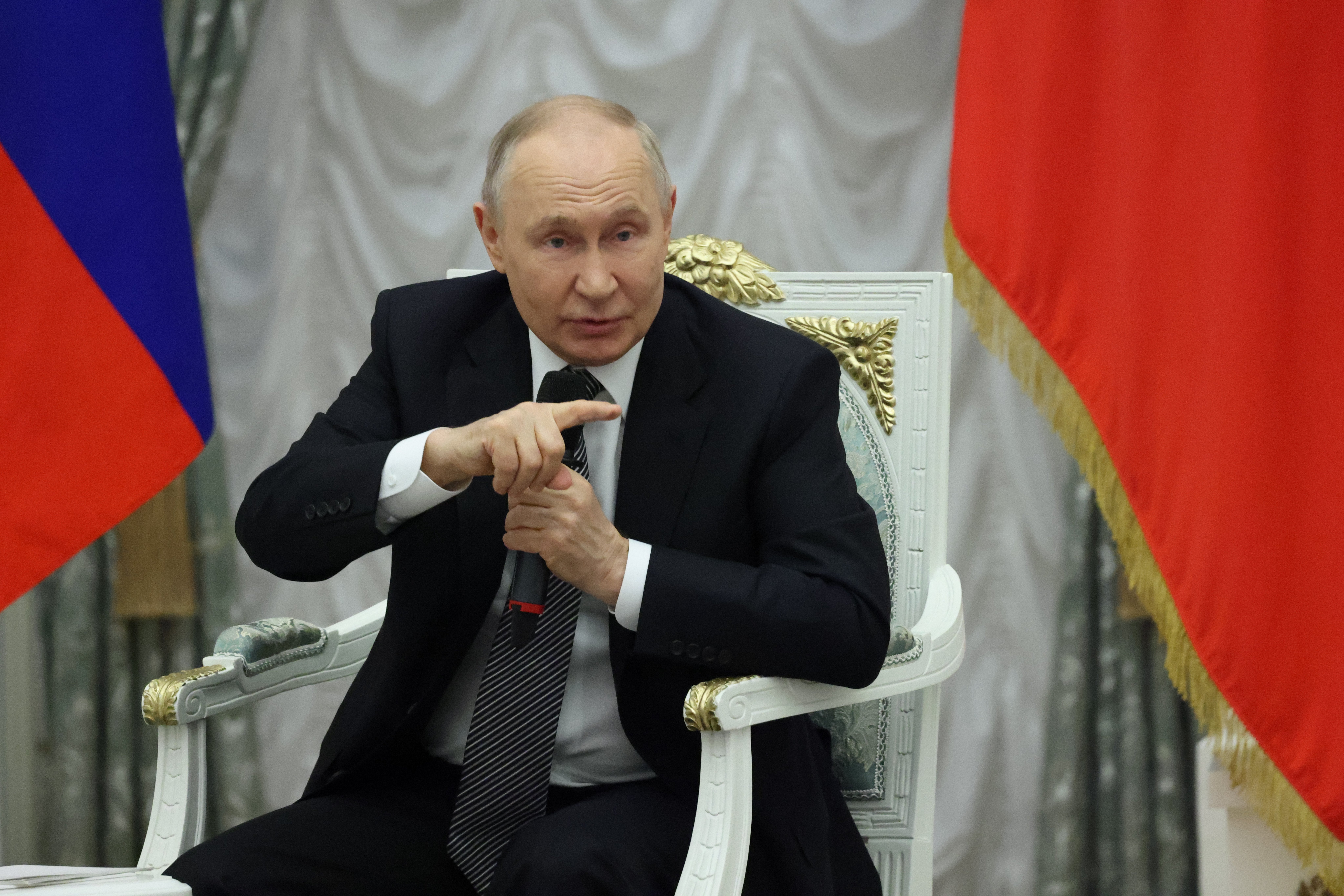
On May 25, Russian leader Vladimir Putin signed a piece of legislation that permits the deployment of the military beyond its borders under the pretext of defending Russian citizens.
The law, which received approval from the State Duma on May 13, and the Federation Council on May 20, permits the executive to order troop deployments if citizens face legal actions, detention, or trials by foreign nations or unrecognized international courts, according to The Kyiv Independent.
We bring you stories from the ground. Your support keeps our team in the field.
This broadens the existing legal framework, which previously only allowed military operations abroad if actions contradicted state interests or the public order.
The implementation of these legislative updates, affecting the federal laws on citizenship and defense, follows widespread assessments from Western defense agencies.
In March 2026, US intelligence warned that Moscow might engage in deliberate escalation strategies in Ukraine that could lead to direct encounters with NATO, including potential nuclear posturing.
Furthermore, a report from the Netherlands Defense Intelligence and Security Service (MIVD) indicated that Russia would require approximately one year to consolidate its forces for a regional confrontation with NATO, aiming for limited geographic gains to induce political division rather than achieving a full military defeat of the alliance.

Additional intelligence tracking by European agencies suggested that operational preparations may already be underway.
Reports published by the Institute for the Study of War (ISW) in October pointed to structural adjustments along Russia's western boundaries, including the reorganization of military districts and the development of new bases near Finland, according to The Moscow Times.
Concurrently, neighboring states have observed an uptick in non-kinetic operations, including electronic warfare interference, GPS disruptions, sabotage incidents, and airspace incursions.
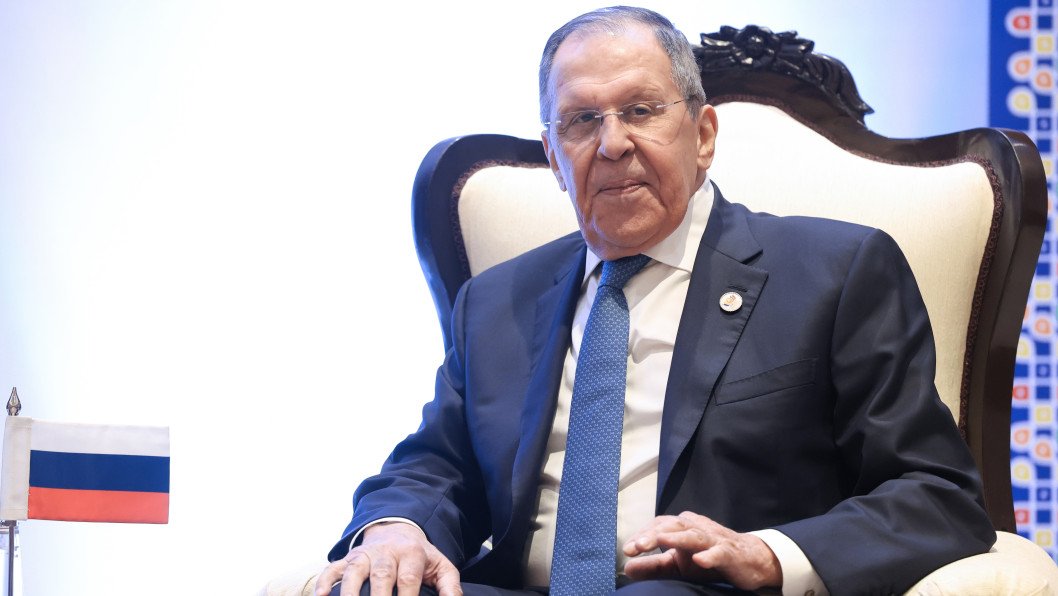
Within the state legislature, officials linked the new bill directly to efforts intended to counter legal actions against Russian personnel abroad, citing instances of citizens detained by European authorities for unauthorized activities in occupied territories.
According to a recent report, Russian security services have escalated a campaign of targeted assassinations and sabotage across Europe, increasingly relying on organized criminal proxies to carry out the attacks.
Citing Western intelligence officials, the report notes that European law enforcement agencies have recently foiled multiple assassination plots directed by Russian military intelligence, including thwarted attacks against a Russian human rights activist in France, a Ukrainian military official in Germany, and dissidents in Lithuania.
Officials indicate these same proxy networks are actively executing the broader wave of arson and sabotage currently targeting European infrastructure, underscoring a politically authorized campaign to destabilize the West.
Discuss this article: