- Category
- Latest news
Russian-Marked Geran 2 Drones Join Iranian Attack on Dubai
 Prefer U24 Media on Google
- Authors


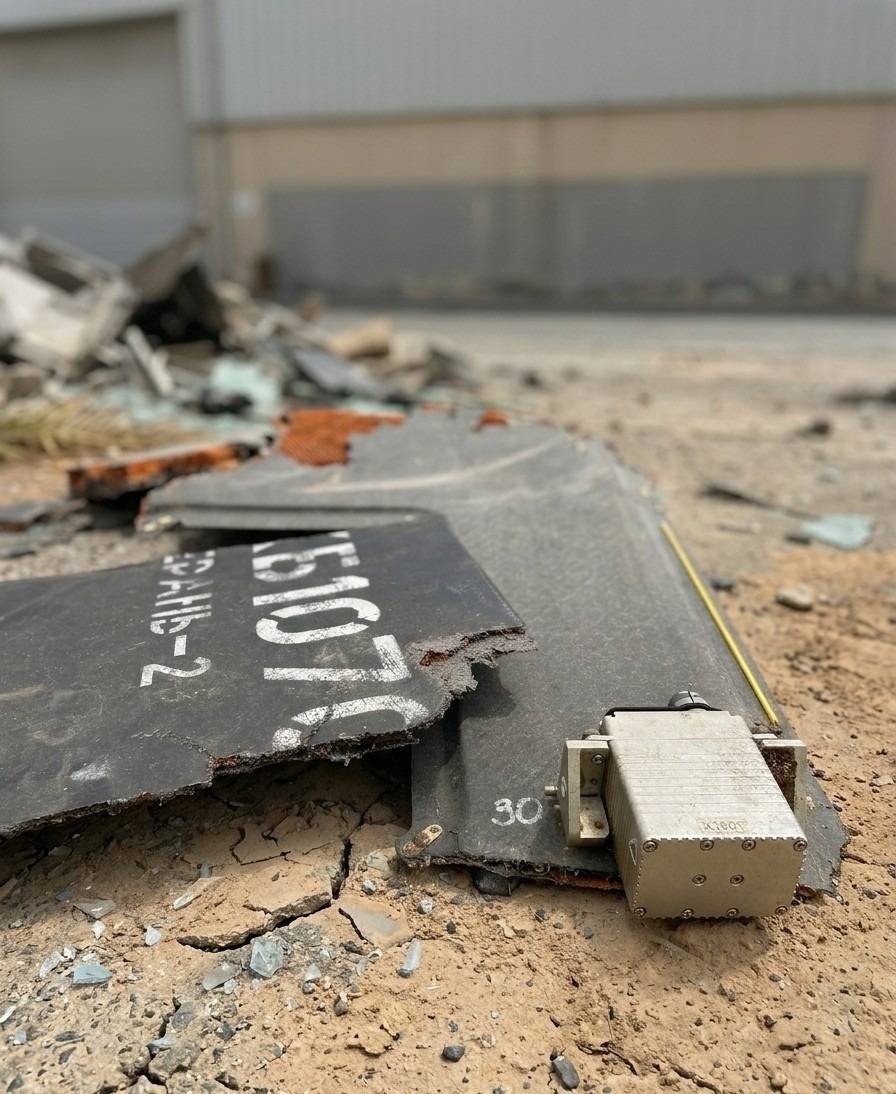
Fragments of loitering munitions bearing Russian markings were discovered in the United Arab Emirates following a large-scale aerial resonance from Iran.
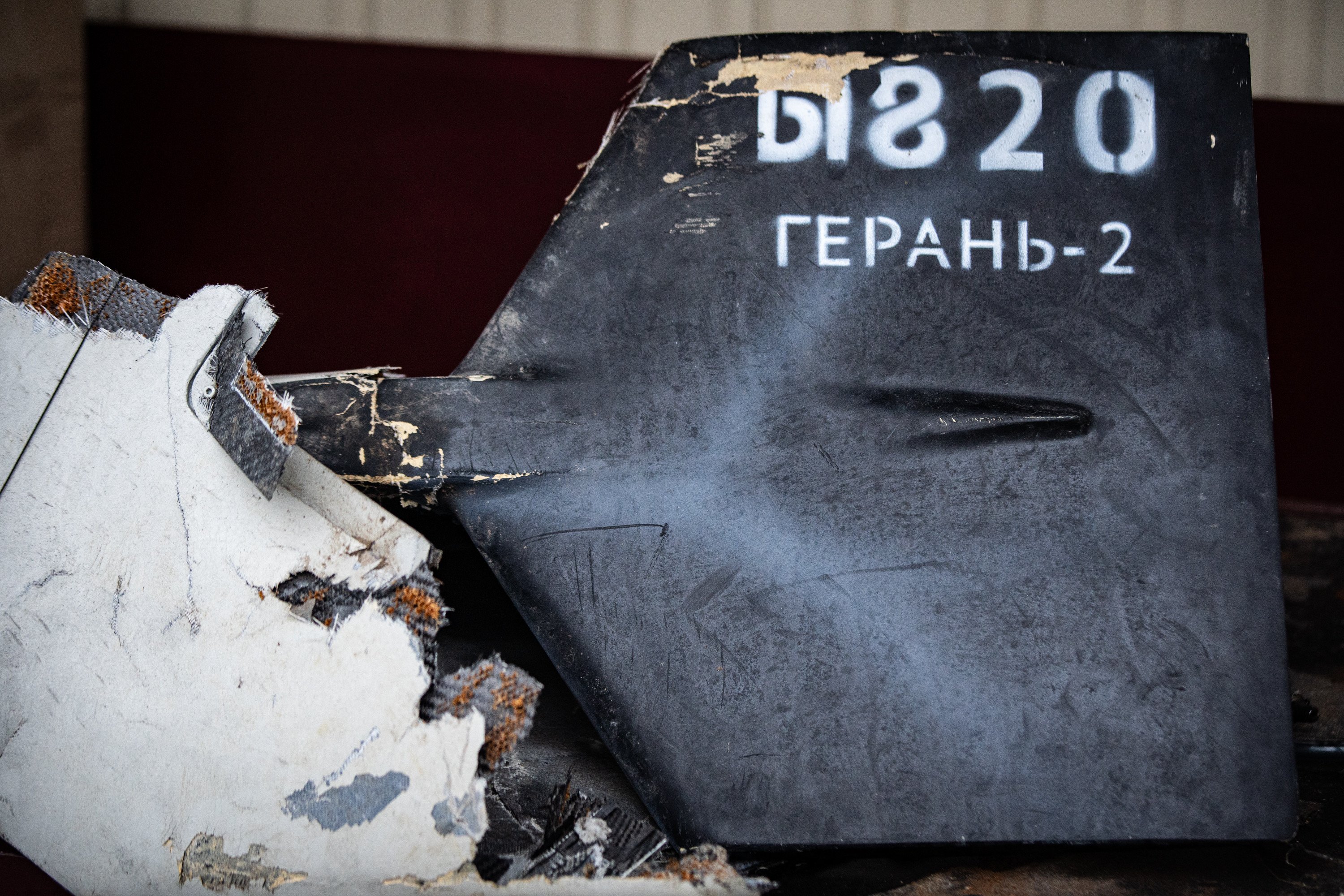
According to a report by RBC-Ukraine on March 4, debris from the “Geran-2"—the Russian designation for the Iranian-designed Shahed-136—was identified near the strategic Port of Jebel Ali in Dubai.
We bring you stories from the ground. Your support keeps our team in the field.
The debris was recovered after UAE air defense systems intercepted a wave of drones and missiles. RBC-Ukraine reports that the fragments clearly displayed the “Geran-2” serial marking, a label typically associated with units produced or finalized within the Russian Federation.
The incident occurred during a period of heightened regional escalation. According to RBC-Ukraine, official sources in the UAE confirmed the interception of hundreds of aerial targets.
‼️🇺🇲🇮🇷 BREAKING | The wreckage of a drone with the Russian marking "Geran-2" was found in Dubai, — RBK-Ukraine
— Visioner (@visionergeo) March 4, 2026
Fragments of the drone were discovered after Iran's attack on the UAE near the Jebel Ali port. Footage in social networks is being published by Russian tourists who are… pic.twitter.com/SOSa8GK4K3
The fallout from these interceptions resulted in damage to residential buildings, hotels, and vehicles across several Dubai neighborhoods, including a fire near the US Consulate.
The presence of the “Geran-2” marking suggests a deepening logistical integration between Tehran and Moscow. While the drone is originally an Iranian design, Russia has localized production at the Alabuga Special Economic Zone in Tatarstan.

According to data cited by RBC-Ukraine, the 2026 iterations of these drones have undergone significant modernization:
Warhead: increased to 90 kg, featuring thermobaric and incendiary capabilities;
Navigation: equipped with interference-resistant antennas to bypass Electronic Warfare (EW) systems;
Connectivity: recent modifications include 4G modems and SIM card slots for real-time flight correction via local cellular networks;
Cost: the estimated production cost per unit ranges between $30,000 and $50,000.
The appearance of Russian-marked weaponry in the Gulf highlights the circular nature of the current global arms trade. RBC-Ukraine noted the irony cited by social media users within the Russian expatriate community in Dubai, who found themselves seeking shelter from the same weapon systems Moscow utilizes against Ukrainian infrastructure.
One individual, posting in a local Telegram community for Russian citizens in the UAE, commented on the findings near the port: “Imagine the find… Near the port of Jebel Ali. Some wind brought a 'Geran-2' to Dubai… It turns out there was a chance to be hit by your own drone? A joke, of course.”
As of March 4, Dubai International Airport continues to face operational disruptions, with numerous flights canceled or delayed. RBC-Ukraine reports that the UAE government is currently evaluating a potential response to the strikes, while international travelers have been advised to remain in secure locations until the security situation stabilizes.
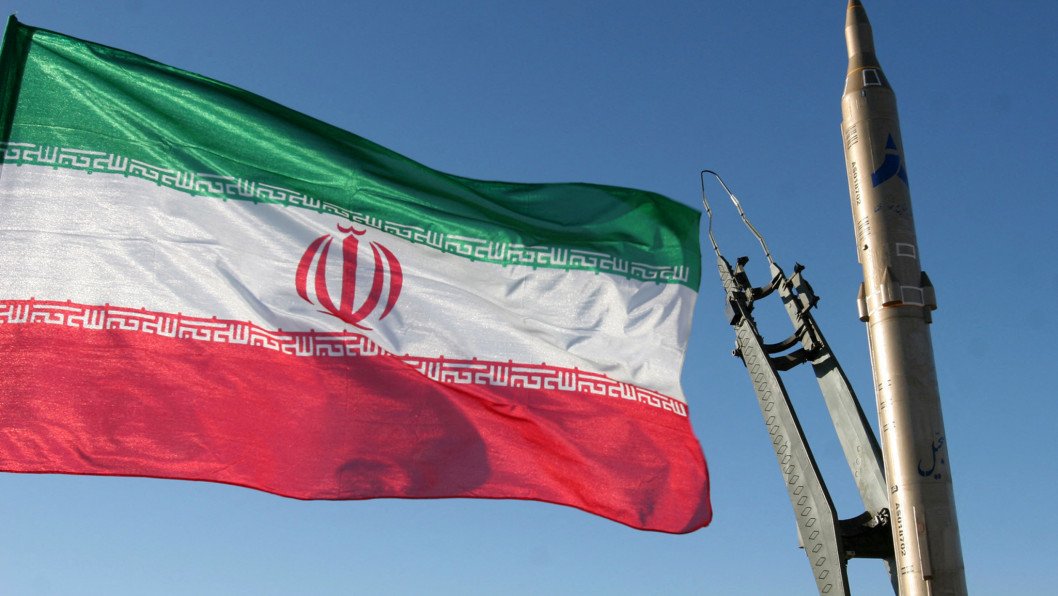
Earlier, a joint investigation by Le Monde and Forbidden Stories reported that Iran had acquired the Russian-developed facial recognition system FindFace, produced by NtechLab. The software, reportedly obtained through the Iranian company Rasadco and later distributed to state bodies including the Ministry of Intelligence and the IRGC, is being used to expand nationwide surveillance capabilities and identify protesters and dissidents.
Discuss this article:
-4a56a6b482ec132402c16ef6fcabf9a2.png)

-111f0e5095e02c02446ffed57bfb0ab1.jpeg "Photo of Roman Kohanets")
-72b63a4e0c8c475ad81fe3eed3f63729.jpeg "Photo of Cyril Barabaltchouk")
-e88c01988249cd60b6f04f79d29156b7.jpeg "Damage to “Cosmogony,” the largest painting in Ukraine, following a Russian drone attack on Lutsk on October 13, 2026. (Source: @sashyyna/Instagram)")