- Category
- Latest news
Russian Made Yak-130 Jets Take Over Drone Interception Duties in the Skies of Iran
 Prefer U24 Media on Google
- Authors


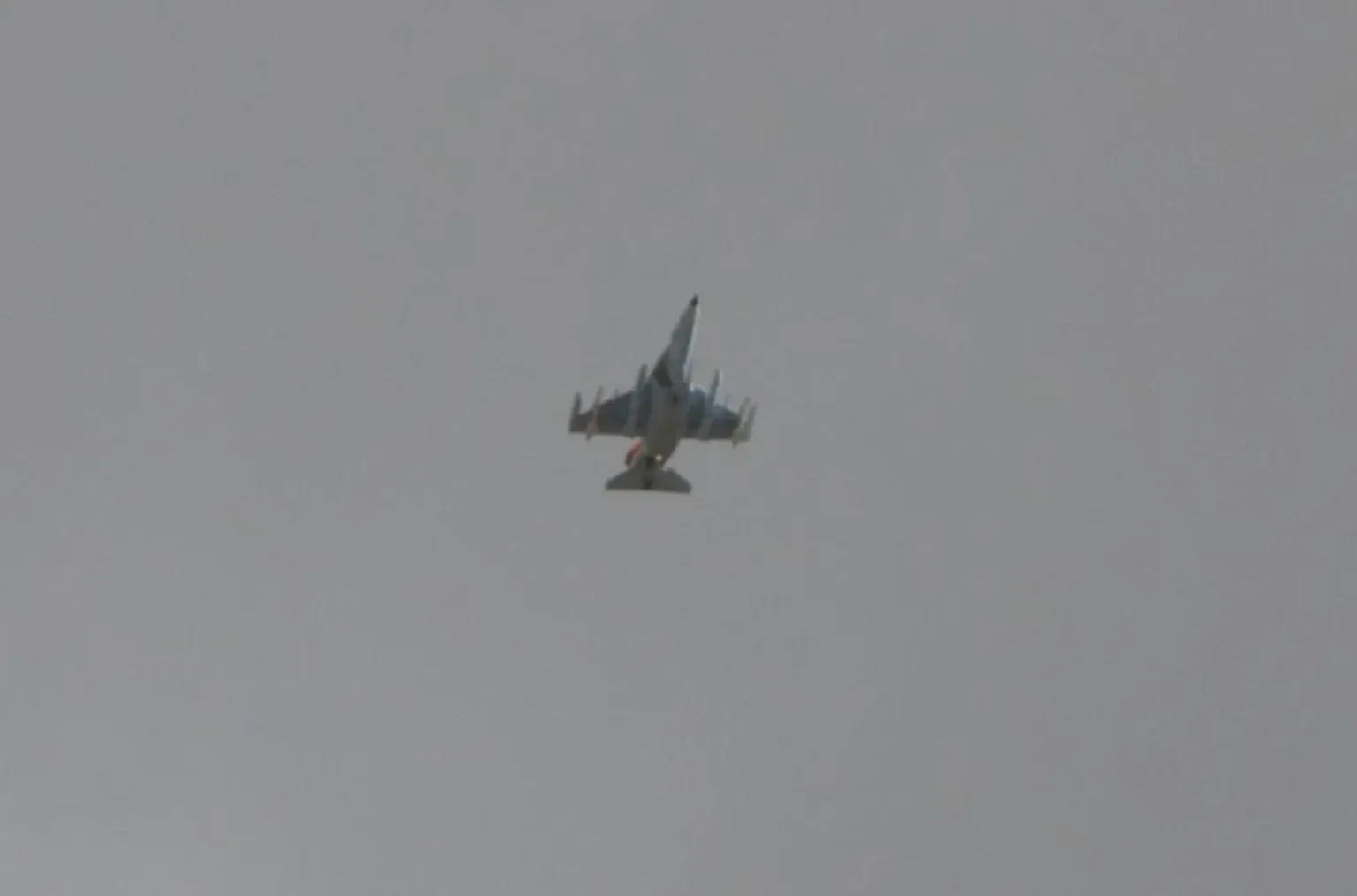
The Iranian Air Force has integrated Russian-supplied advanced trainer jets into its active combat rotation to conduct drone patrol missions over the capital.
We bring you stories from the ground. Your support keeps our team in the field.
According to a report by Defence Blog on March 2, 2026, the Islamic Republic of Iran is now utilizing Russian Yak-130 aircraft to counter unmanned aerial threats.
Originally designed by Russia’s Yakovlev Bureau as a training platform for fourth-generation fighters, these jets are being scrambled alongside MiG-29 interceptors to monitor the airspace over Tehran.
#BREAKING: Happening now in #Tehran, the capital city of #Iran, MiG-29B fighter interceptors and Yak-130 advanced jet trainers of the #IranianAirForce, armed with R-73E air-to-air missiles, can be seen conducting patrols over the city. They are incapable of dealing with F-22s and… pic.twitter.com/eiSUGLwQlM
— Babak Taghvaee - The Crisis Watch (@BabakTaghvaee1) March 2, 2026
The deployment of these “flying classrooms” in a frontline role highlights a strategic shift in how Tehran utilizes Russian-made assets. According to aviation journalist Babak Taghvaee, as cited by Defence Blog, the Yak-130s have been observed carrying R-73E short-range air-to-air missiles — a standard Russian infrared-guided weapon.
The subsonic nature of the Yak-130 makes it a practical choice for hunting slower targets. Taghvaee noted that while these Russian jets “are incapable of dealing with F-22s and F-35s, of course, but they are capable of shooting down drones.”
According to Defence Blog, the Iranian military is leveraging specific technical advantages of the Russian platform:
Target engagement: the aircraft is tasked with detecting and engaging drones operating at medium and low altitudes, specifically targeting systems like the American MQ-9 and Israeli Hermes.
Operational endurance: with a maximum speed of 648 mph and a combat radius of 345 miles, the Yak-130 provides a persistent patrol presence that is more cost-effective than using high-performance supersonic fighters.
Layered defense: the joint patrols combine legacy MiG-29 interceptors with the newly introduced Russian trainers to expand surveillance coverage over the capital.
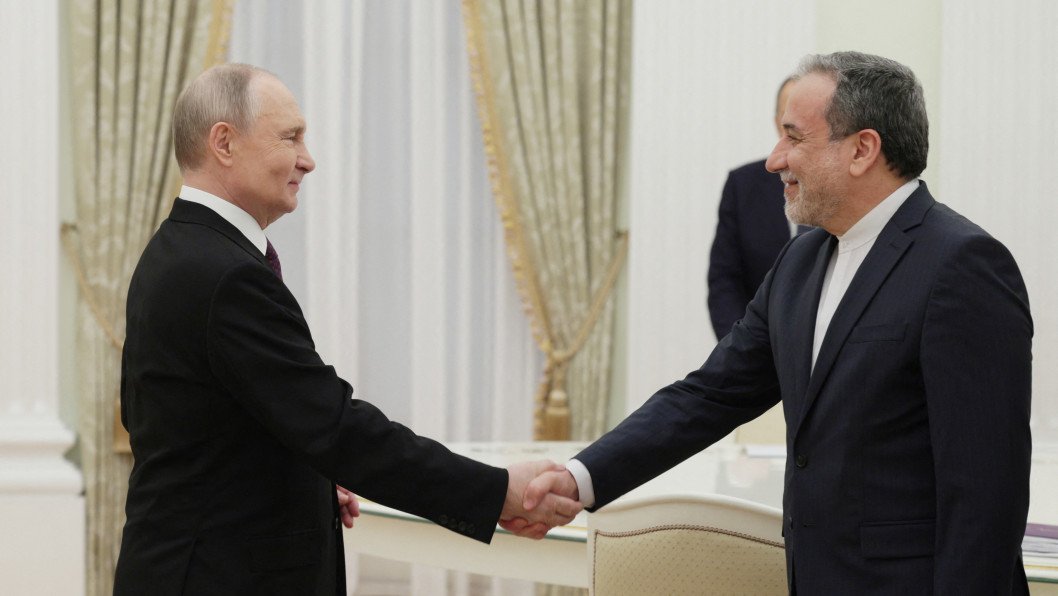
The presence of these jets over Tehran is a direct result of deepening military ties between the two nations. Iran received its first batch of Yak-130s from Russia in 2023, marking a major update to its aging air force inventory.
Following the February 28 massive joint strikes by the US and Israel, the Middle East is in a state of high-intensity war. Operation Epic Fury has targeted Iran’s nuclear facilities, missile bases, and leadership, with reports confirming the death of Supreme Leader Ali Khamenei and other high-ranking officials. In retaliation, Iran has launched ballistic missile and drone swarms against Israel and US military installations in Bahrain, Qatar, and Kuwait.
Earlier, the United States deployed its LUCAS strike drone in combat for the first time during Operation Epic Fury, according to US Central Command. The low-cost system—developed by reverse-engineering the Iranian Shahed-136 and costing about $35,000 per unit—was launched by Task Force Scorpion Strike as part of joint US-Israeli operations targeting sites in Iran.
Discuss this article:
-4a56a6b482ec132402c16ef6fcabf9a2.png)



-72b63a4e0c8c475ad81fe3eed3f63729.jpeg "Photo of Cyril Barabaltchouk")
-111f0e5095e02c02446ffed57bfb0ab1.jpeg "Photo of Roman Kohanets")