- Category
- Latest news
Iran–U.S. Escalation: How the Strikes on Tehran Impact Russia’s War
 Prefer U24 Media on Google
- Authors


-21f402f6f32da8b0165ae48804a71feb.jpeg "Photo of Gonzalo Leon Bustos")


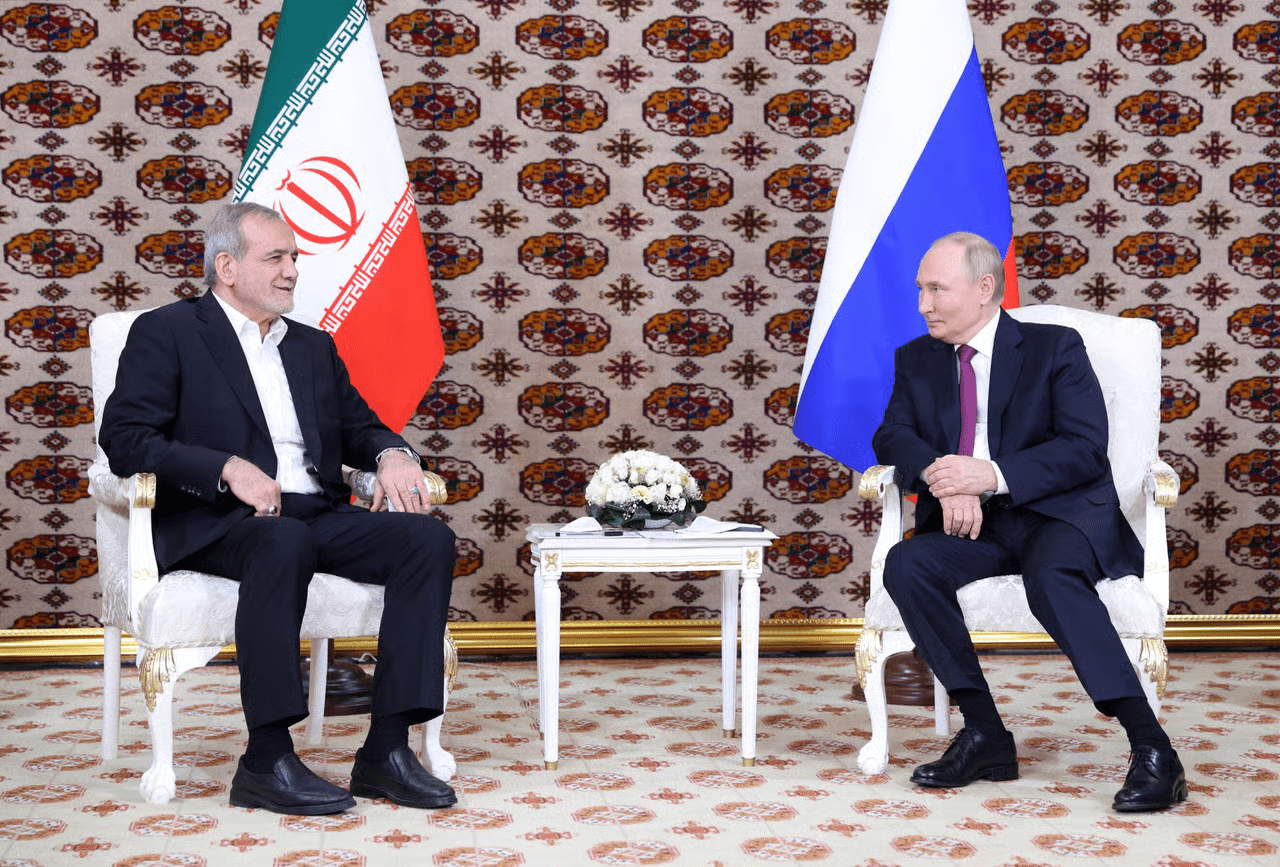
The coordinated U.S. and Israeli strikes against targets in Iran on February 28 do more than reshape the balance of power in the Middle East. They directly affect the geopolitical framework Russia has built since 2022 to sustain its war in Ukraine — that now partly depends on the Moscow–Tehran axis.
The escalation in Iran–U.S. tensions introduces new strategic variables that may influence drone and missile supplies, global energy markets, and the architecture of air defense systems.
The consequences for Moscow can be divided into four key dimensions: military cooperation, global air defense, strategic isolation, and energy markets.
How the Iran–U.S. Conflict Affects Russia’s War Against Ukraine
1. The Moscow–Tehran Axis Under Pressure
Since the start of Russia’s full-scale invasion, Iran became a critical supplier to the Kremlin. Tehran provided Shahed-136 drones — later adapted by Moscow as Geran-1 and Geran-2 — which have been used extensively against Ukrainian cities, energy infrastructure, and civilian targets.
If U.S. and Israeli strikes degrade Iran’s industrial capacity — particularly in the drone and missile sectors — Russia could face:
• Disruptions in technology transfers.
• Difficulties in securing key components.
• Increased pressure on its own domestic military production.
If Iran enters a prolonged regional confrontation, it is likely to prioritize its own air defense and strategic capabilities over exporting military technology to Moscow.
Russia’s drone industry, already constrained by Western sanctions, relies on imported parts and technical cooperation that could be affected if the regional conflict intensifies.
Footage of an Iranian attack drone hitting a high-rise tower in Bahrain this evening. pic.twitter.com/vtQmTyiNoK
— OSINTtechnical (@Osinttechnical) February 28, 2026
2. Global Air Defense: Competition for Patriot and THAAD
According to an analysis published by the Financial Times, the conflict could strain the global supply of air defense systems, including Patriot and THAAD interceptors deployed by the United States in the Middle East.
Footage of a US Army PATRIOT SAM battery engaging an incoming Iranian missile barrage over Erbil, Iraq, earlier today. pic.twitter.com/PbVhkjJoTy
— OSINTtechnical (@Osinttechnical) February 28, 2026
The redeployment of missile defense batteries to the region may trigger:
• Direct competition for interceptor systems.
• Delays in deliveries to other theaters, including Ukraine.
• Increased pressure on Western inventories.
This has direct implications for the war in Ukraine, where Kyiv relies in part on Western systems to intercept Russian ballistic missiles and Shahed drones.
If the conflict in Iran becomes prolonged, strategic resources may be redistributed in ways that alter the defensive balance on the Ukrainian front.
Paradoxically, the situation may also affect Russia. If Iran’s own air defense infrastructure suffers damage, Tehran could require technological support from Moscow — further weakening the Kremlin’s ability to focus exclusively on Ukraine.
3. Strategic Isolation of the Kremlin
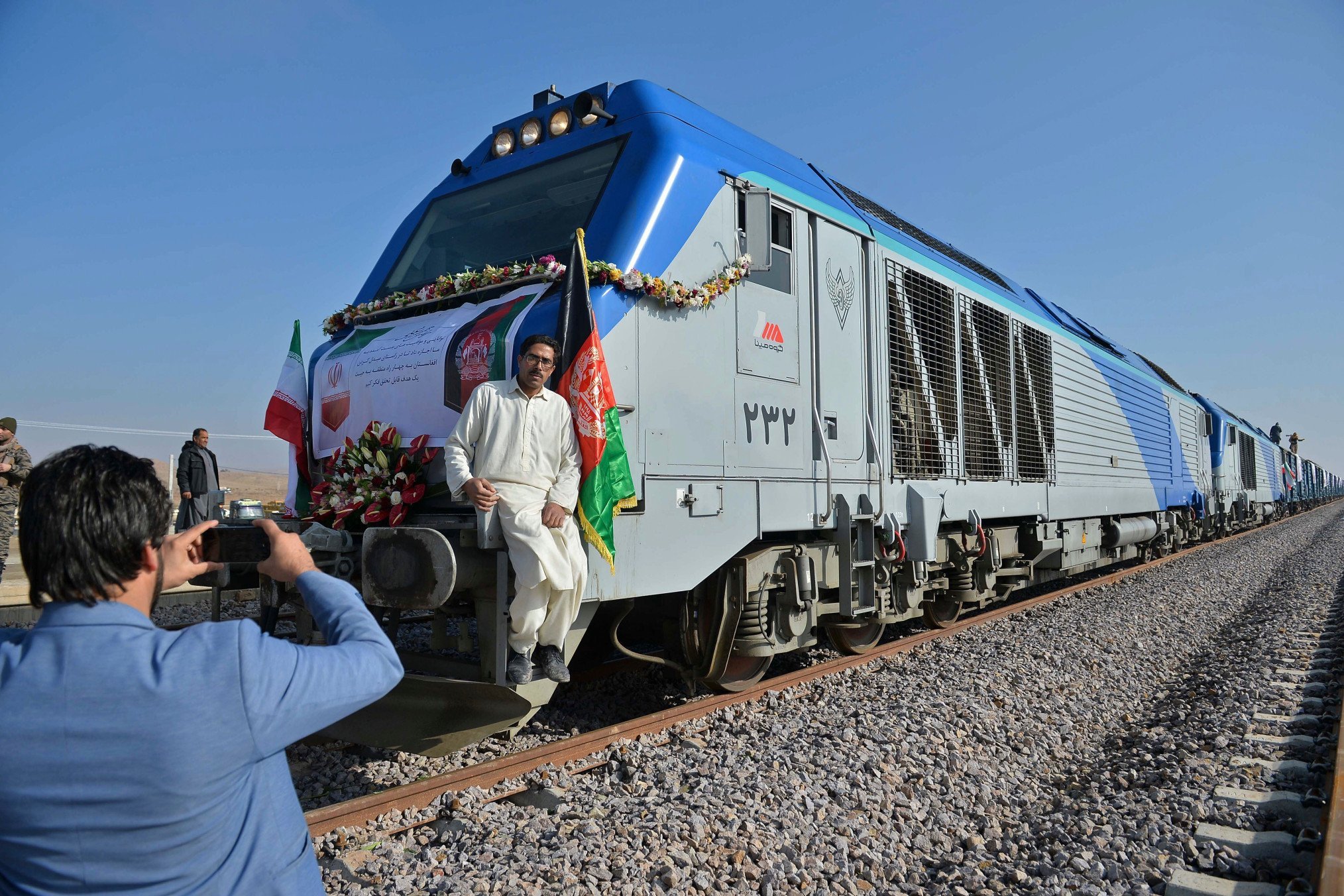
Russia has sought to consolidate an alternative bloc alongside Iran, North Korea, and other sanctioned actors.
However, recent developments are concerning for Moscow:
• Direct military pressure on Iran.
• Erosion of Russia’s position in the Middle East.
• Increased international scrutiny of Russian–Iranian military cooperation.
Assad, Maduro, and now Khamenei. Putin has lost three of his closest pals in little more than a year. He has also not helped any of them.
— Andrii Sybiha 🇺🇦 (@andrii_sybiha) March 1, 2026
This dynamic proves three things.
First, Russia is not a reliable ally even for those who rely heavily on it.
Second, while Russia is stuck…
Each blow to a strategic partner reduces the Kremlin’s ability to:
• Circumvent Western sanctions.
• Maintain alternative trade routes.
• Project regional influence during a prolonged war.
If Iran emerges weakened from this escalation, Russia loses one of its primary geopolitical pillars at a time when it needs sustained pressure capacity in its war against Ukraine.

4. Oil and Global Energy Markets
One of the most immediate impacts is already visible in energy markets.
According to Reuters, Brent crude prices rose following the start of the strikes amid fears of escalation affecting the Strait of Hormuz, through which roughly one-fifth of global oil supply transits.
Markets are reacting to several risks:
• Potential Iranian attacks on energy infrastructure in the Persian Gulf.
• Disruptions to key maritime routes.
• Expansion of the regional conflict affecting global oil supply.
For Russia, this is a double-edged sword.
A sustained rise in oil prices could benefit Moscow in the short term by increasing energy revenues — a crucial factor in financing its war economy. However:
• Greater global volatility increases diplomatic pressure on the Kremlin.
• Regional escalation could trigger new sanctions.
• Instability may reduce demand or disrupt trade flows.
If the United States significantly weakens Iran’s missile and drone industry, Moscow loses a key military partner precisely as it seeks to maintain aerial pressure through large-scale Shahed drone attacks on Ukraine.
5. An Unstable Strategic Balance
The Kremlin now faces a strategic dilemma:
• Escalate rhetorically against Washington and reinforce its anti-Western narrative.
• Maintain caution to avoid indirect confrontation while remaining heavily committed in Ukraine.
Russia does not have the strategic margin to open a second front of direct tension. Its economy already allocates an extraordinary share of the federal budget to military spending, and its industrial base faces technological limitations due to international sanctions.
War Goes Global
The war in Ukraine can no longer be analyzed in isolation.
If Iran weakens following U.S. and Israeli strikes, Russia loses strategic support.
If Iran escalates, Moscow becomes tied to an unpredictable regional confrontation.
If the conflict drags on, energy markets and air defense systems tighten globally.
The result is a scenario in which Russia’s strategic stability increasingly depends on external factors.
And on this new geopolitical chessboard, Moscow does not act as a dominant power — but as an exposed ally within an increasingly fragile network of partnerships.
Discuss this article:
-9a7b3a98ed5c506e0b77a6663f5727c5.png)

-c439b7bd9030ecf9d5a4287dc361ba31.jpg "Photo of Katherina Popilnichenko")
-72b63a4e0c8c475ad81fe3eed3f63729.jpeg "Photo of Cyril Barabaltchouk")

-111f0e5095e02c02446ffed57bfb0ab1.jpeg "Photo of Roman Kohanets")