- Category
- Opinion
Is A Third World War Possible? Tensions and Global Scenarios
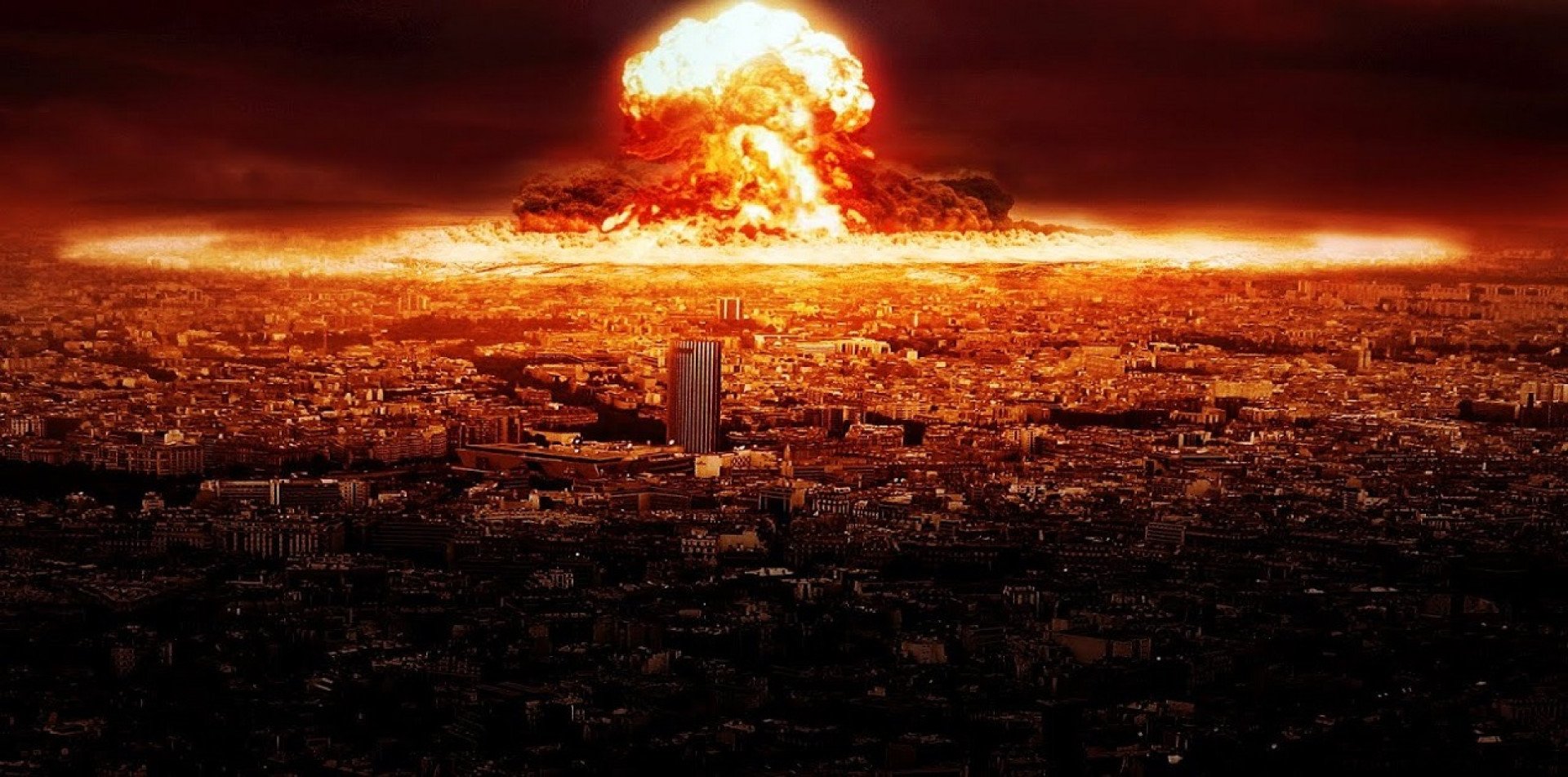
With multiple global conflicts escalating simultaneously, the question is no longer just academic: Is World War III actually possible? The short answer from geopolitical and military analysts is yes, though not yet an inevitability. A global conflict of this scale would manifest as the convergence of existing localized wars into an interconnected global theater, driven by shifting geopolitical alliances, mass military rearmament, and the collapse of international deterrence.
 Prefer U24 Media on Google
- Authors


How real is the risk of a Third World War?
Military Escalation
To begin analyzing the authenticity of the threat of a Third World War, we must first identify the key factors that would indicate that this is the direction in which we’re heading. One of those factors is the state and speed of armament and rearmament of global military powers.
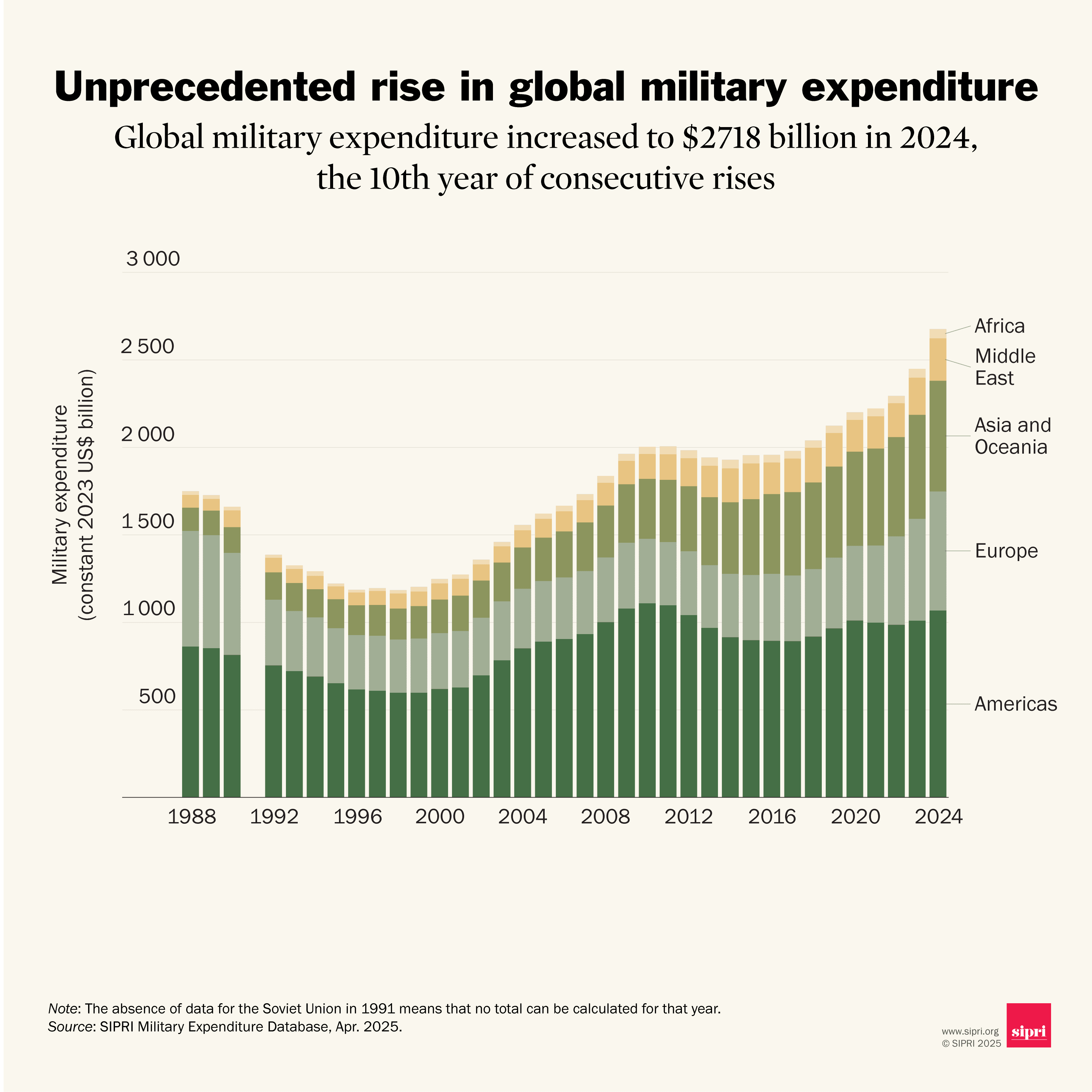
A quick look shows us that, in general, there’s been a marked increase in global military expenditures in 2024 and 2025. According to the Stockholm International Peace Research Institute, global military expenditures reached a record 2.718 billion USD in 2024 and kept increasing in 2025, with the most pronounced growth coming from Europe and the Middle East. These figures coincide with the increase in costs associated with European support of Ukrainian resistance against the ongoing Russian invasion, in addition to the increase in Israeli military activity, stemming from the events of October 7, 2023.
A preliminary search would also show you that NATO has established a new long-term goal of reaching 5% of GDP in “basic defense needs” by 2035, with the expectation that allies will reach the old target of 2%. Recent reports also suggest that a new nuclear arms race is brewing, as all nine nuclear states have begun modernizing their arsenals, with Reuters reporting that China is expanding its arsenal the fastest. While at first glance these developments may seem like simple due diligence, upon closer examination, the picture is a little more disturbing.
United States
In its budget request for fiscal year 2025, the US Department of Defense prioritized shipbuilding, air and missile defense, and ammunition. Contracts reflect an increase in ammunition, for example, a $3.5 billion award to RTX for AMRAAM (with extensive foreign military sales). This notable increase in defense spending is partly due to continued US support for Ukraine's defense, but also to shortcomings exposed by lessons learned from Ukrainian military operations against Russia's strategic operation, specifically Operation Spiderweb.
Europe and NATO
With respect to munitions, the European Union’s ASAP program supports 31 projects, with the aim of increasing the production of projectiles up to two million per year, by the end of 2025; at the same time, France is pursuing a marked increase in the production of missiles and complex munitions. In the case of Germany, it’s forecast that defense spending will reach 86 billion euros in 2025, with Berlin establishing an aim of fulfilling its 2% contribution to NATO defense spending after 2027.
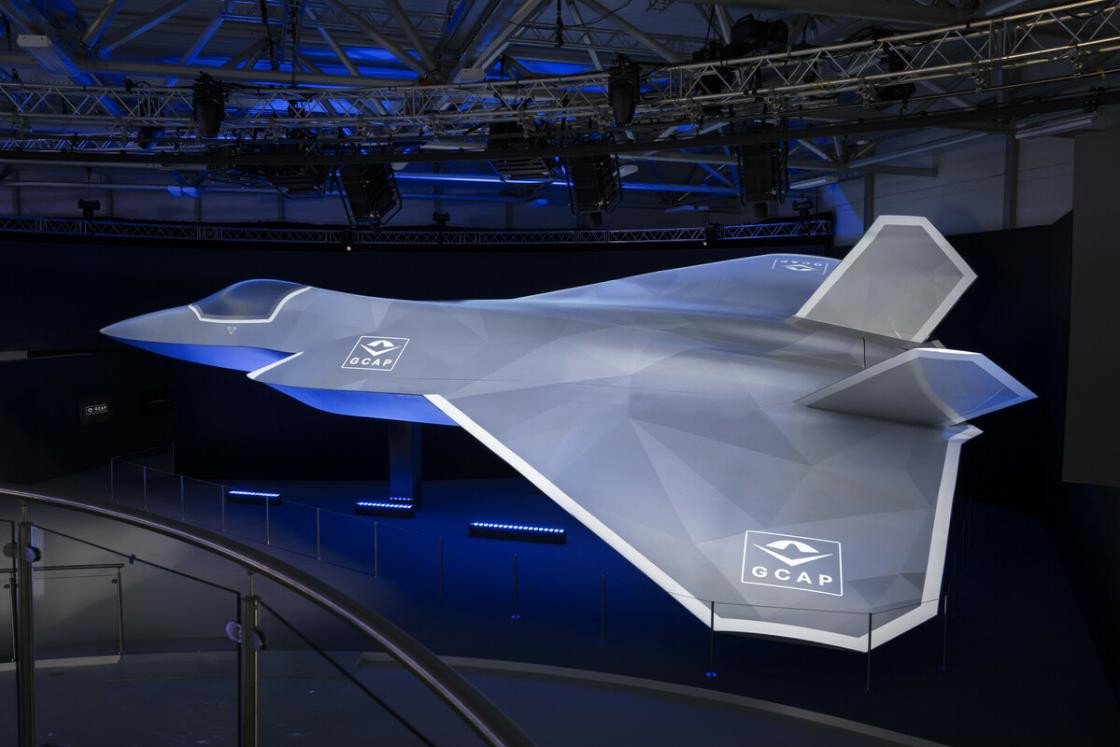
The UK's defense policy aims to allocate 2.5% of its GDP to defense spending by 2027, with a particular focus on submarine munitions, GBAD , and GCAP.
Rearmament in the Indo-Pacific
In the Pacific, Japan has approved a record budget of more than 58,000 USD, has accelerated its purchase of Tomahawk missiles and upgrades to the Type 12, and is investing in long-distance attacks and anti-missile defense; at the same time, South Korea has advanced in its KF-21 fighter program and maintains markedly elevated defense expenditures, relative to its GDP.
On the other side of the Pacific, Australia has selected the Mogami-class Japanese frigate, Japan’s biggest defense export since the Second World War, which highlights the naval rearmament of allied states.
Russian rearmament
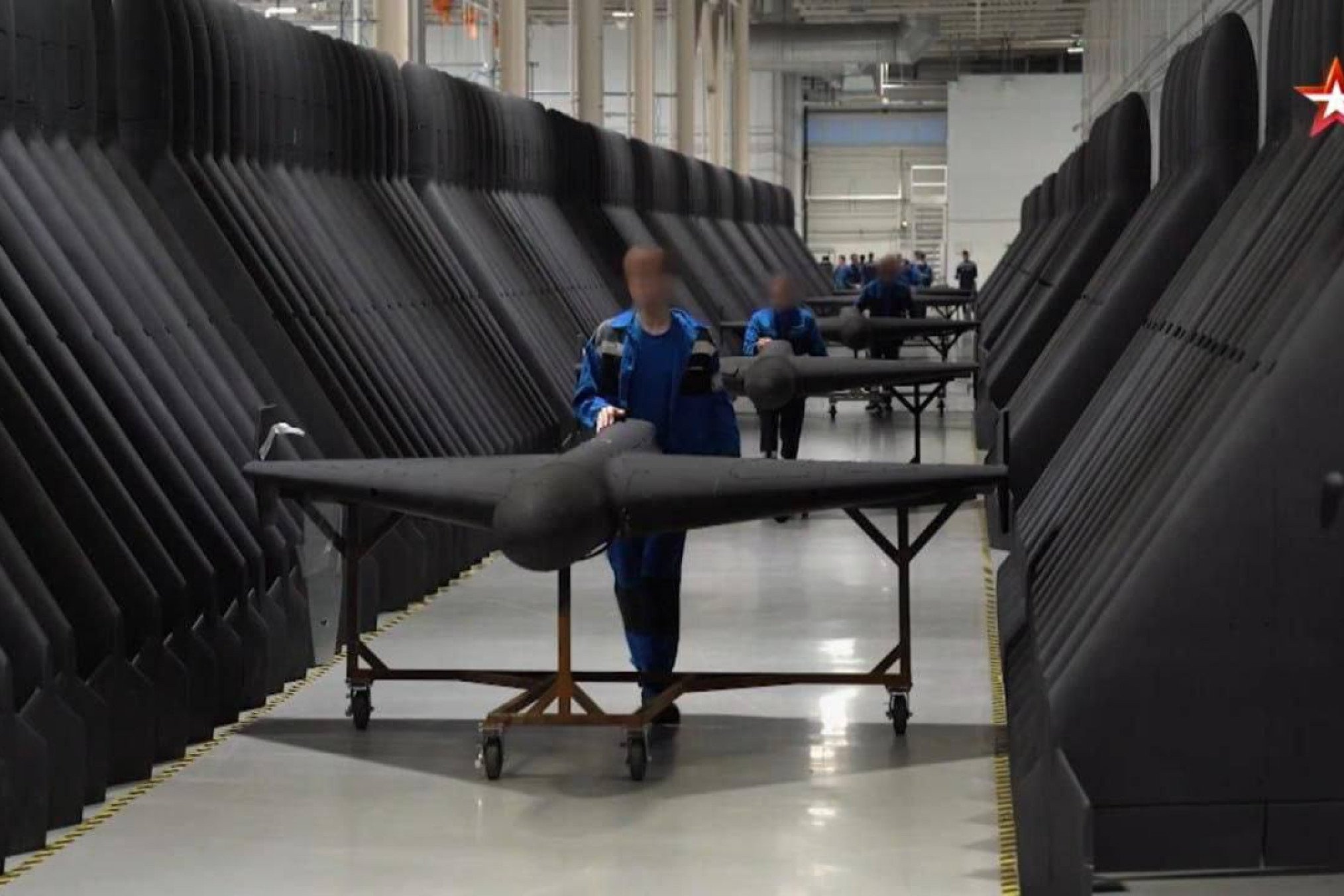
According to the IISS, Russia's total defense spending increased by 42% in real terms in 2024, reaching $462 billion, a figure that dwarfs the defense spending of the entire European continent. Much of this defense spending is related to Russia's ongoing war in Ukraine, specifically its drone and missile attacks on Ukrainian civilian settlements.
China
This upward trend in defense spending continues in China, whose defense budget for 2025 saw a 7.2% increase, with steady growth, although there are reports indicating that official figures underestimate China's true defense spending.
Key factors increasing global tensions
Global conflicts
The rebuilding of global stockpiles and the rapid industrialization of defense manufacturing appear to be the main priorities for 2025, as nations rush to fill capacity gaps—a development that understandably worries the public about the outbreak of a new world war. Another factor contributing to these concerns is the existence and intensification of global conflicts that were already underway prior to this period.
Russia’s invasion of Ukraine
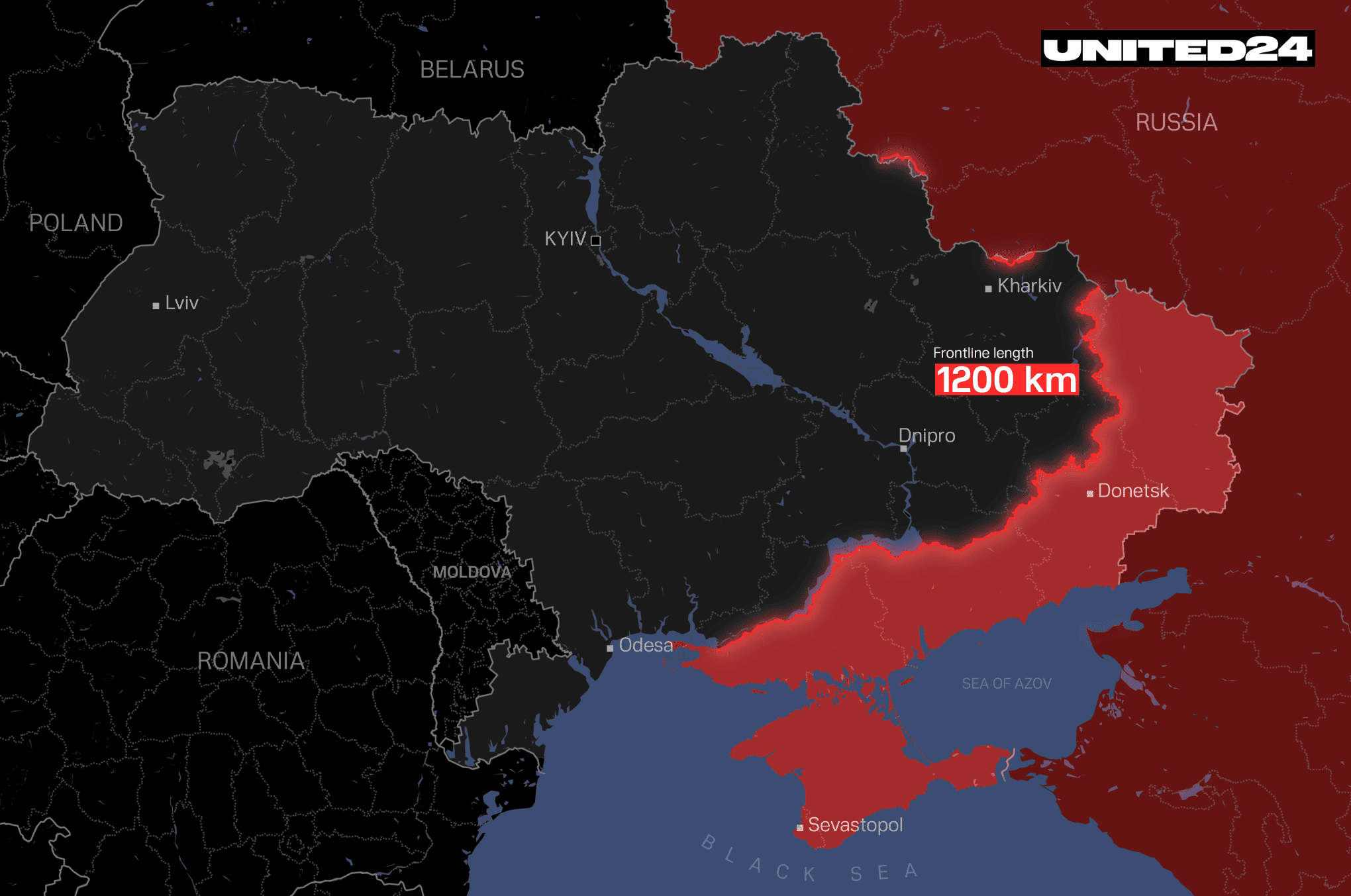
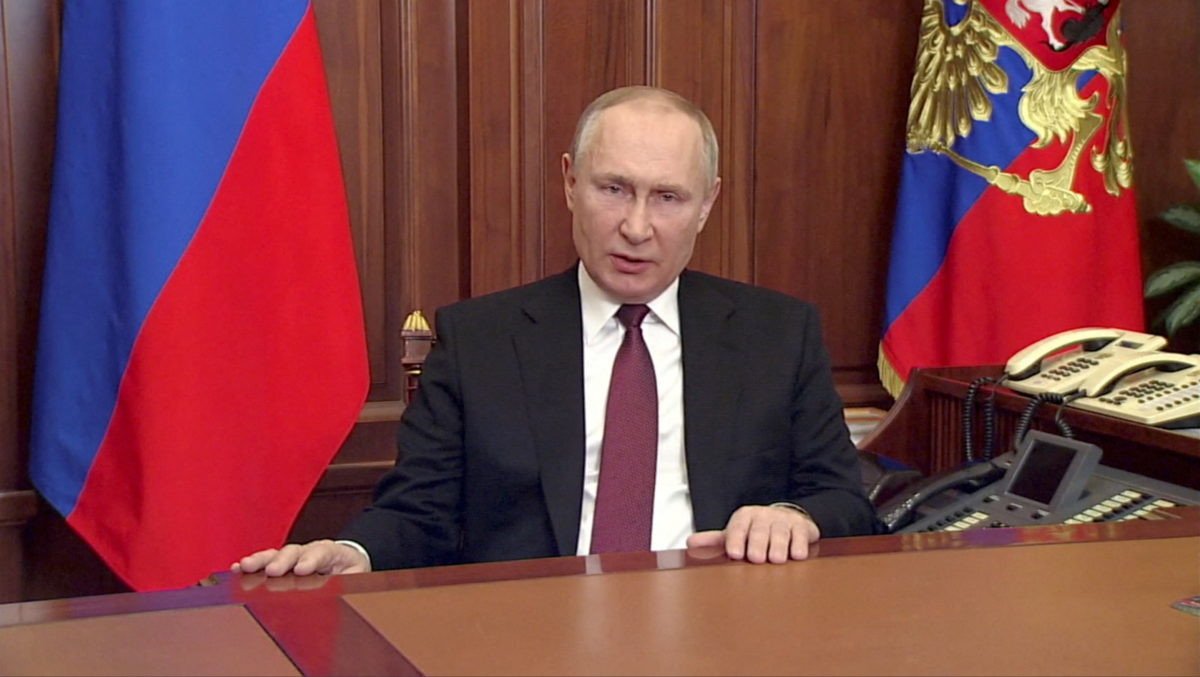
Perhaps the main conflict raising the specter of a Third World War is Russia's war against Ukraine, in addition to Russian leader Vladimir Putin's opposition to NATO expansion, one of the reasons he has given for invading Ukraine. As the leader of a nuclear-armed state, Vladimir Putin has repeatedly threatened the West with the use of Russia's nuclear arsenal if he believes Russia's sovereignty or its objectives in Ukraine are being violated, greatly increasing the possibility of war on a global scale. This particular issue is especially prominent in the current global consciousness, in the wake of US President Donald Trump and Vladimir Putin’s meeting in Alaska on August 15, during which they discussed a possible end to Russia's war; Since this meeting, hopes for a speedy end have been dashed, and Russia’s attacks on Ukrainian cities have only increased in intensity. In fact, Russia’s most recent multi-city attack—on September 28—resulted in dozens of injuries throughout the country and at least four deaths, including that of a 12-year-old girl. Even more recently, Russian leader Vladimir Putin has been increasing the temperature of his rhetoric surrounding his country’s invasion of Ukraine, qualifying it as a “righteous battle,” even as deaths on both sides reach staggering heights, and Russian territorial gains remain marginal.
The Israel-Hezbollah-Iran axis
Another global conflict fueling fears of a Third World War is the Israel-Hezbollah-Iran axis, which has seen Israel's hostilities against the Palestinian people spread to neighboring Lebanon and Syria. Ceasefire attempts in this region consistently fail, arms shipments from the West continue to arrive, and rhetoric intensifies with each passing day, seriously jeopardizing any possibility of lasting peace in the region.
Iran’s role in Russia’s war against Ukraine has been varied, but highlighted by its steady supply, to Moscow, of thousands of drones—particularly the deadly Shahed type—and missiles, which are daily used against Ukrainian civilian targets. Russia usually sends these drones in “swarms,” which are meant to overwhelm Ukraine’s air defenses, and cause terror among civilians, via intense auditory warfare. This cooperation, in addition to Russia’s collaboration with Iranian specialists to use dual goods to produce weapons that strike US bases, sheds light on the flourishing of a relationship that we underestimate at our peril
Asia-Pacific
Tensions in the Asia-Pacific region have also contributed to concerns about a world war, especially due to the interests and support of major powers. China and Taiwan, which has maintained close ties with the US for decades, have long been involved in territorial and diplomatic disputes stemming from the latter's separation from China following the victory of Mao Zedong's Communist Party in China in 1949. Since then, China has considered Taiwan a “breakaway province” that must ultimately be reunited with China and, in recent history, has employed intimidation tactics, such as invasion drills and routine blockade plans, with the apparent aim of signaling an imminent attempt at reunification. The materialization of such a conflict risks involving powers such as the United States, Japan, Russia, North Korea, and others, most of which possess nuclear weapons.
North Korea
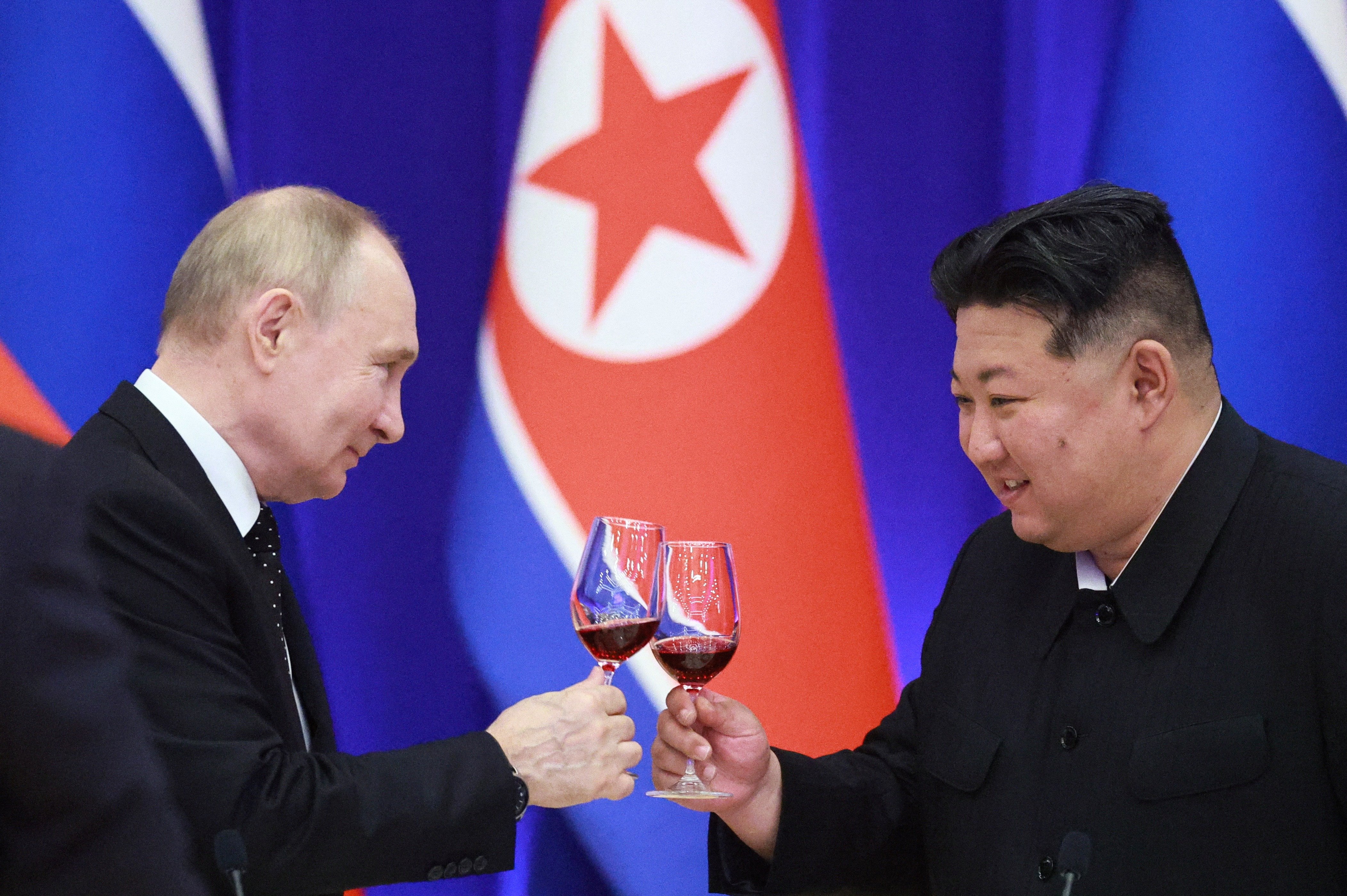
Continuing our focus on the Pacific, we turn our attention to North Korea, the staunch nuclear-armed opponent of US foreign policy interests and Western calls for nuclear de-escalation. The hermit kingdom's growing nuclear program has long been a thorn in the side of the West, leading to the imposition of repeated sanctions by the US, the European Union, and the UN. However, North Korea has continued to develop its nuclear program, with its latest successful test in 2017, and has deepened its relations with other Western opponents with nuclear weapons, signing a mutual defense pact with Russia in 2024, amid the latter's war in Ukraine. Pyongyang's continued support for Moscow, particularly in terms of covering labor shortages on the battlefield, economic support, and sending workers to fill labor gaps, has created a seemingly ironclad bond between two theaters of the largest war Europe has seen since World War II.
The nuclear threat
At a time when multiple nations have access to nuclear weapons, it is almost certain that if a global war breaks out, whether through proxy wars or directly between nuclear-armed states, these destructive weapons will be part of any effort to escalate or de-escalate the conflict. The question is: how much space should the nuclear threat really occupy in our minds?
The Stockholm International Peace Research Institute estimates that, in January 2025, there were around 12,241 nuclear warheads worldwide; of these, some 9,600 are in military arsenals and some 2,100 are on high alert, mainly belonging to the United States and Russia. According to the same report, China's nuclear arsenal grew from nearly 500 to around 600 warheads in 2024 alone, and is the fastest growing arsenal.
Nuclear weapons do not even have to be used for their power to be felt in the geopolitical arena. In fact, since the beginning of Russia's invasion of Ukraine in 2022, Russian leader Vladimir Putin has repeatedly threatened to use nuclear weapons against the West if Russia's war plans are thwarted.
Furthermore, near the start of Trump's second presidential term, as trade tensions between the United States and China escalated, the Chinese government issued its strongest statement to date against US actions. In a statement released on X, the Chinese embassy declared that China would be prepared for “any kind of war” with the United States, if necessary, in an implicit reference to China's willingness to use any means necessary to defend its interests.
More recently, in a sharp increase in rhetoric temperature, on September 23, 2025, following a meeting with Ukrainian President Volodymyr Zelenskyy, US President Trump hinted at a shift in US policy toward Ukraine’s resistance to Russian aggression. In an assessment of the on-the-ground situation, President Trump qualified Russia as a “paper tiger,” and indicated his belief that Ukraine could win back all the territory that was taken from it, even going so far as to shockingly state that Ukraine could “go even further” than regaining its occupied territories from Russia.
Although rumors of peace agreements and secret negotiations seem to be circulating in today's world, we must not forget that any peace we enjoy, however long it lasts, is fragile. The question of whether World War III is imminent or not is, in itself, a sign that we already have the taste of war in our mouths. When global tensions finally reach their peak and we can no longer contain aggression and cling to appeasement strategies, the only question that will remain is: “What side do I want to be on when the gauntlet finally drops?”
Discuss this article:
-9bd5e1532102621f8fb1c4ba871a3171.png)


-206008aed5f329e86c52788e3e423f23.jpg "Photo of Oleksandr Moiseienko")

-f3430f0449615e9897dff835086ac204.jpg "Ukraine Broke With a Soviet-Era Military System and Rebuilt It Around the Soldier")
-e126c16a85d580738cf2d57e760b80a3.jpeg "Photo of Vladyslav Greziev")