- Category
- Opinion
Russia Under Sanctions—From Survival to Strategic Alliances
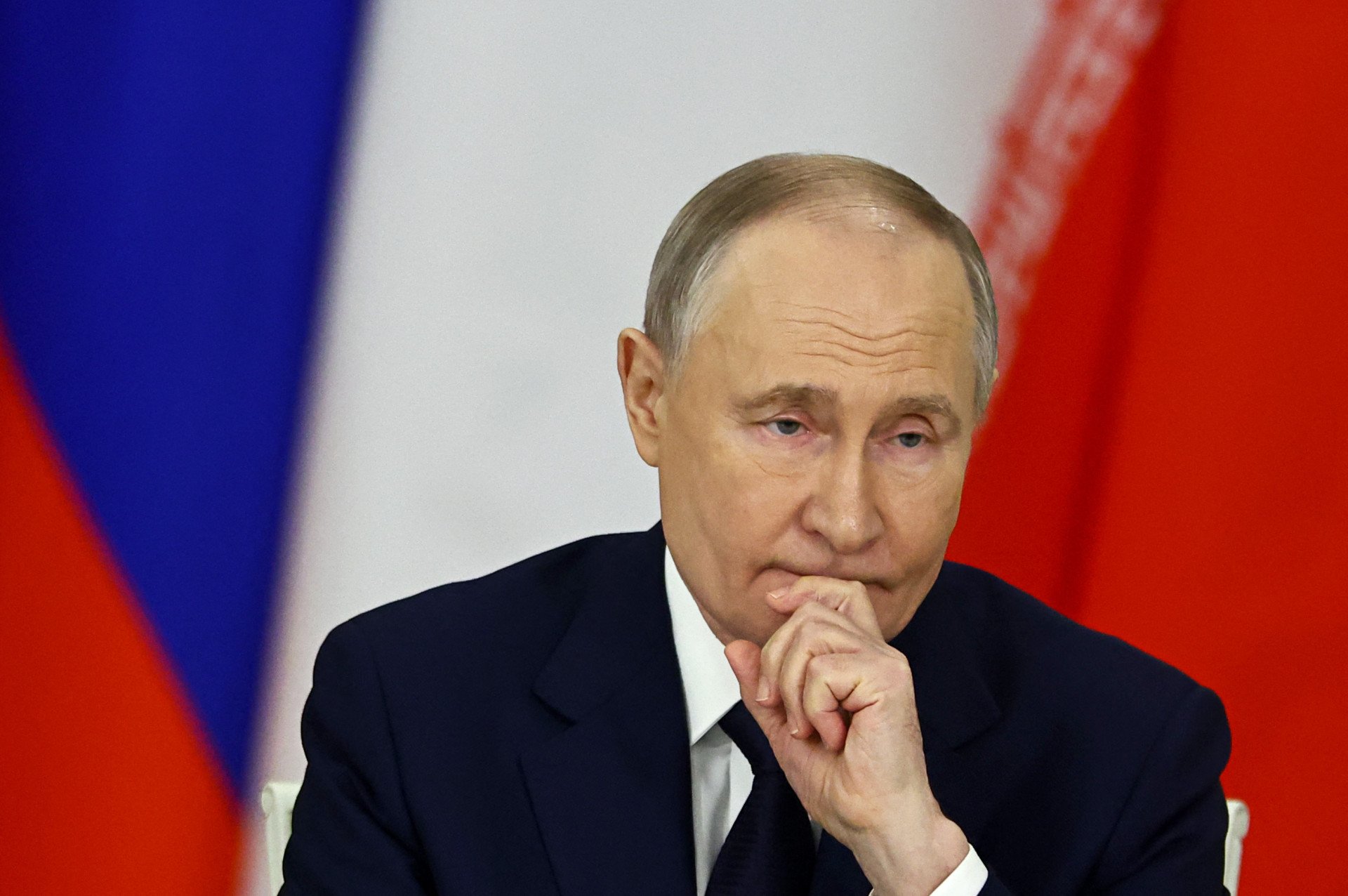
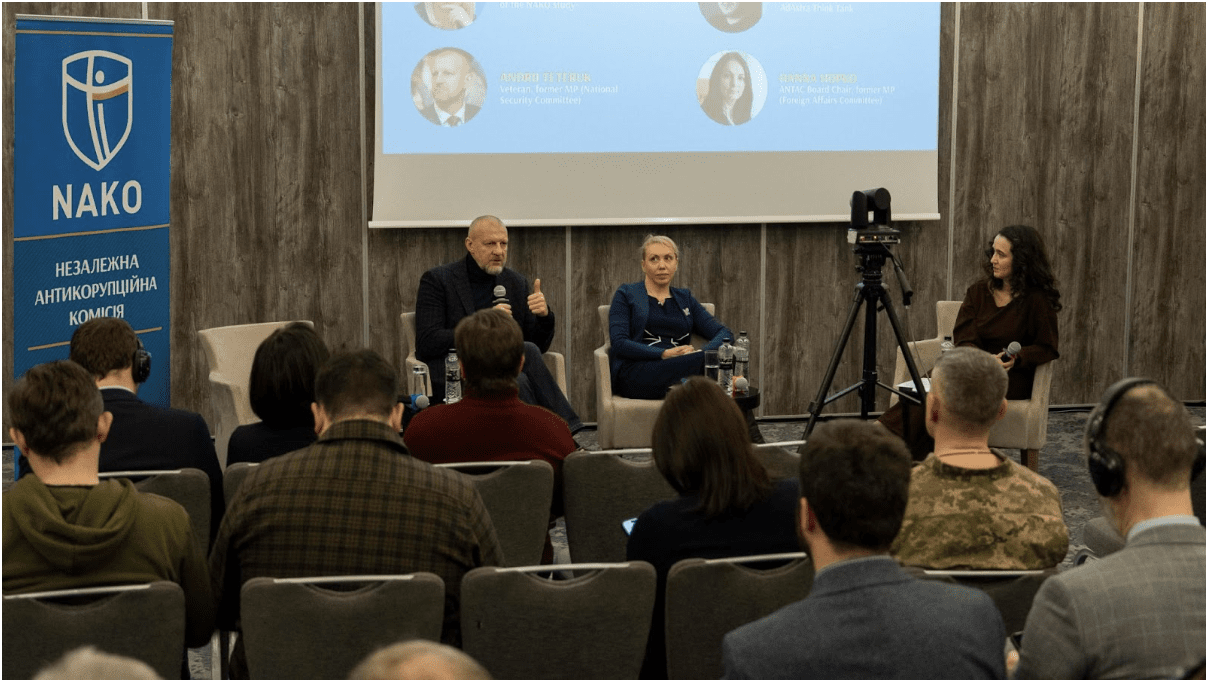
Since the full-scale invasion of Ukraine, Russia has become the most sanctioned country in the world. But let’s admit it, even though sanctions have caused Russia serious difficulties, they have not eliminated its ability to adapt.
 Prefer U24 Media on Google
- Authors


While much attention is paid to how Moscow bypasses restrictions itself, less notice is given to a parallel trend: Russia is increasingly using sanctions evasion as a tool to deepen ties with its strategic partners—including such actors as China, Iran, and North Korea.
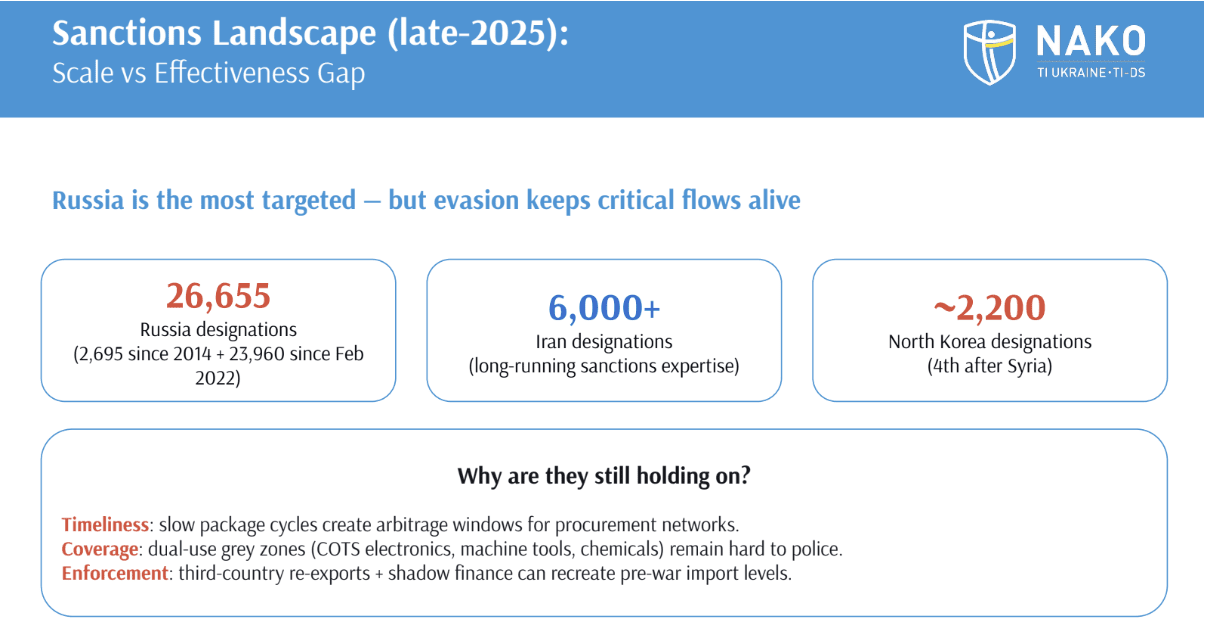
As the Independent Anti-Corruption Commission (NAKO) discussed at the Defense Talks during the presentation of the report Russia’s War Network: Military-Political Enablers of Aggression Against Ukraine and the West, which I co-authored, there are a few reasons why Russia is still able to finance its war machine and a set of well-established sanctions evasion mechanisms is one of them. And while doing so, Russia highly depends on the usage of third countries, most notably China. A significant share of re-export flows now passes through Chinese and Hong Kong-based intermediaries, enabling Russian importers to access both low-value components supplied in large volumes and more sophisticated equipment critical to the military-industrial base.
Western investigations have repeatedly shown how this system operates in practice. One illustrative case revealed how a Russian military factory obtained Siemens industrial automation equipment through Chinese intermediaries, despite EU export restrictions. The goods formally passed through Chinese suppliers before reaching Russian buyers, obscuring the end user and diluting legal liability along the supply chain.
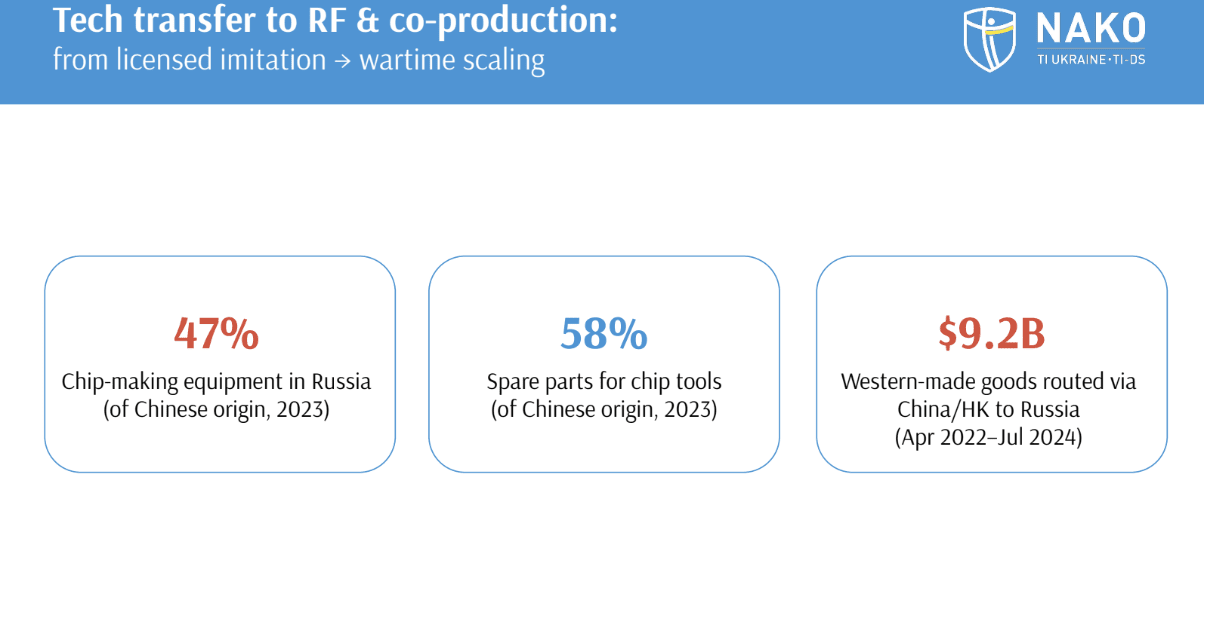
Shell companies play another important role in this system and are frequently registered in China or Hong Kong. In one 2024 case, millions of restricted chips and sensors were routed to Russian end users through four companies registered at a single seemingly abandoned office in Hong Kong. The investigation linked the owners of these firms to Russia’s defense sector, illustrating how offshore corporate structures continue to mask military procurement behind civilian trade.
Importantly, this is not charity. Intermediaries generate profit and expand market share - and by doing so consciously or unconsciously signal a willingness to tolerate or even help circumvent sanctions.
What indeed started as a survival mechanism for Russia, evolved into a platform for collaboration where each side gains something. Russia is no longer merely adapting to restrictions - it is sharing evasion channels with its partners, turning sanctions pressure into a basis for political alignment and economic cooperation. For Russia’s sanctioned partners, these arrangements provide access to finance, logistics, and diplomatic cover otherwise denied under Western limitations. For intermediaries and allied states, participation brings tangible economic benefits from trade margins and access to the Russian market to deeper political ties with Moscow, while remaining below the threshold of direct confrontation with the West.
One clear example is diplomatic protection that Russia is still able to provide despite being sanctioned. By using its status in international organizations and its bilateral political weight, Moscow helps shield allied regimes from additional sanctions pressure and international scrutiny. This support does not necessarily overturn existing restrictions, but it weakens enforcement, delays new measures, and provides political and legal cover for continued cooperation. In practice, Russia’s diplomacy reduces the cost of isolation for its partners and signals that sanctions will be challenged not only economically, but also at the political level. For example, in 2024 Russia used its veto in the UN Security Council to block the renewal of the expert panel monitoring compliance with sanctions against the DPRK, effectively weakening international oversight. In 2025 it also tried but failed to delay the reimposition of UN restrictions on Iran’s nuclear programme. Russia also signed various treaties with Iran and North Korea, publicly supporting their military and nuclear programs and thus trying to challenge the current power balance.
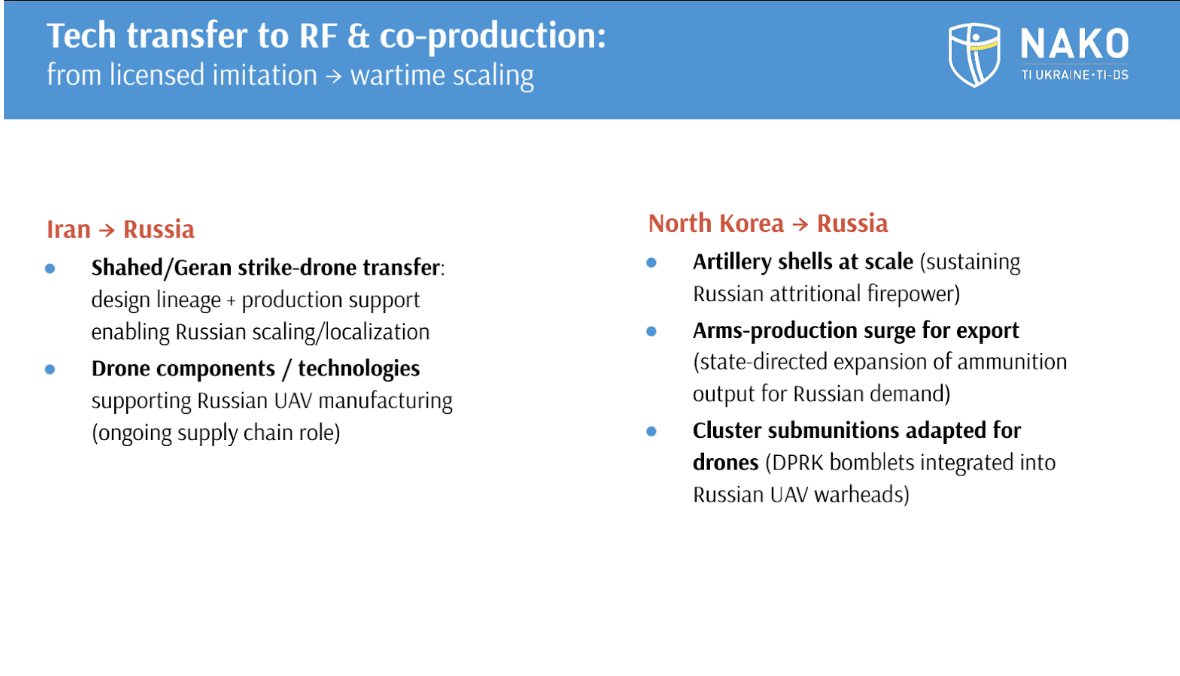
This diplomatic backing is not an end in itself. It creates room for more tangible forms of cooperation, particularly with North Korea, where political protection has turned into the employment of North Korean labour and military personnel despite explicit UN prohibitions. Moscow has enabled the deployment of thousands of North Korean military and civilian personnel to Russia, including in construction and other labour-intensive sectors, and reportedly in roles linked to its war effort. For Pyongyang, these arrangements provide a stable source of hard-currency revenue, estimated at several million dollars per month, while for Russia they offer a supply of cheap, tightly controlled labour amid growing workforce shortages.
And of course the alliance between Russia and its partners wouldn’t be complete without a financial dimension. Since Russia itself and some of its partners are under Western sanctions, they are largely excluded from the global financial system. To overcome this obstacle, Russia has developed a range of financial mechanisms designed to sustain bilateral trade and military cooperation under sanctions pressure. These include barter arrangements, settlements in local currencies, the use of regional banks with limited exposure to Western markets, as well as transactions involving gold and, to a lesser extent, cryptocurrencies. Such mechanisms reduce dependence on the dollar and the euro, limit transparency for Western regulators, and allow both sides to continue trade in sensitive goods despite being largely cut off from the global financial system.
Beyond these workarounds, Russia and Iran have moved toward even deeper financial integration. The two countries have linked elements of their payment infrastructures and expanded the use of national currencies in bilateral trade, which, according to Russian official statements, now account for around 96% of all Russian-Iranian transactions. At the same time, large-scale and high-risk transactions still rely on barter and commodity exchanges. One illustrative example is Iran reportedly receiving payments in gold for the supply of military equipment, including drones used by Russia in Ukraine.
Obviously, the West is aware that Russia continues to bypass sanctions. Yet Western responses have often been slow and selective. Enforcement tends to focus on individual companies or routes, while the broader networks enabling sanctions evasion, especially financial intermediaries and foreign facilitators, remain only partially addressed.
In these circumstances, the EU’s announcement of a 20th sanctions package is a welcome step forward. The intention to list additional Russian regional banks, target cryptocurrency platforms and intermediaries, and impose measures on third-country banks involved in facilitating illicit trade addresses some of the most persistent loopholes. If implemented decisively, these measures could significantly constrain Russia’s ability to reroute payments through smaller banks and send a clear warning to foreign financial institutions that enabling sanctions evasion will carry real costs. The signal is strong. Whether it transforms into real impact will depend on consistency and enforcement.
Discuss this article:



-206008aed5f329e86c52788e3e423f23.jpg "Photo of Oleksandr Moiseienko")

-f3430f0449615e9897dff835086ac204.jpg "Ukraine Broke With a Soviet-Era Military System and Rebuilt It Around the Soldier")
-e126c16a85d580738cf2d57e760b80a3.jpeg "Photo of Vladyslav Greziev")