- Category
- Latest news
Russia Sends Yak-130s to Ethiopia—Just a Sale, or a Signal to the West?
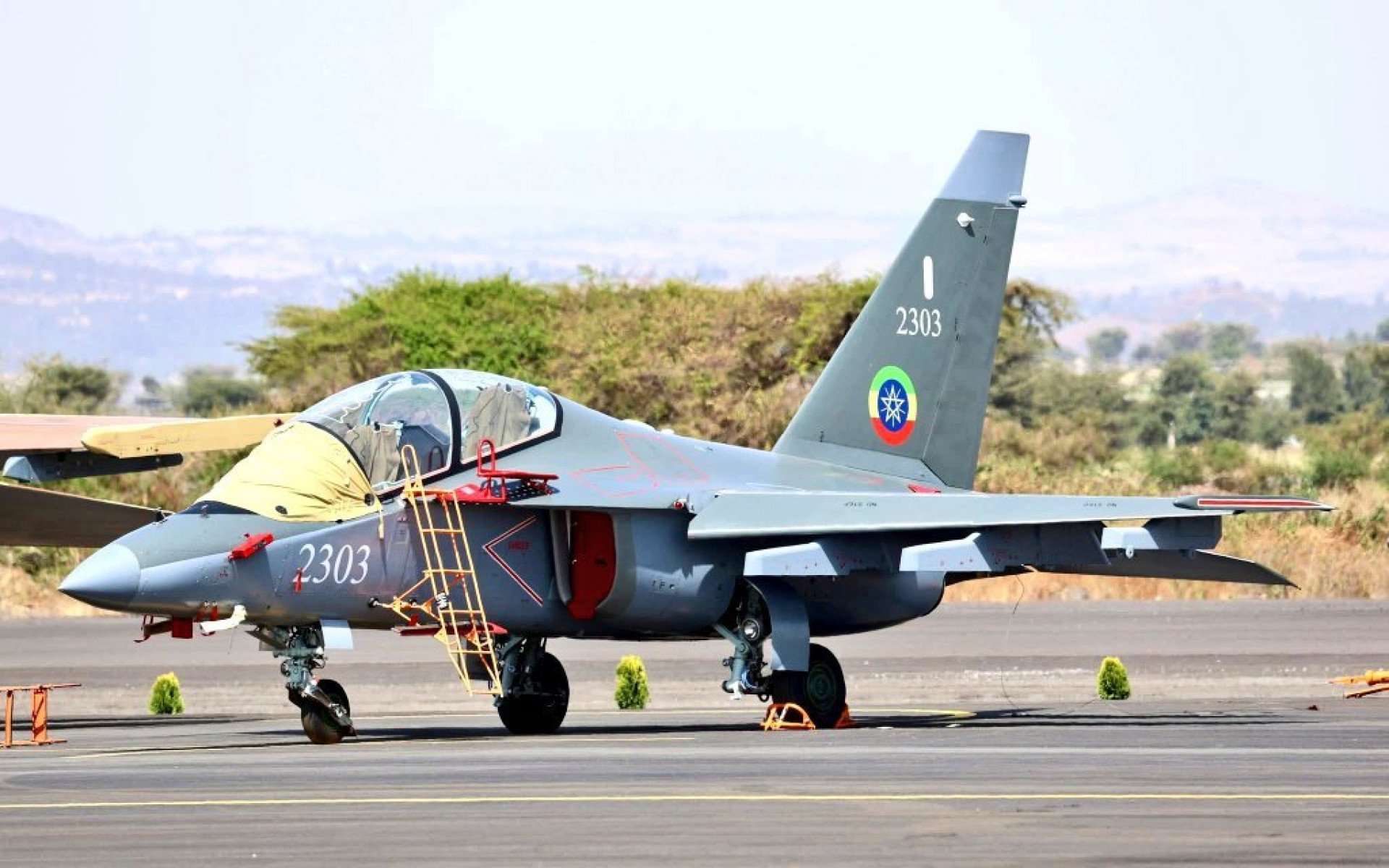
Six light combat jets, one Russian drone, and a partner in East Africa. On paper, it’s a small transaction—yet it could signal how Moscow plans to keep its military influence alive beyond Ukraine.
 Prefer U24 Media on Google
- Authors




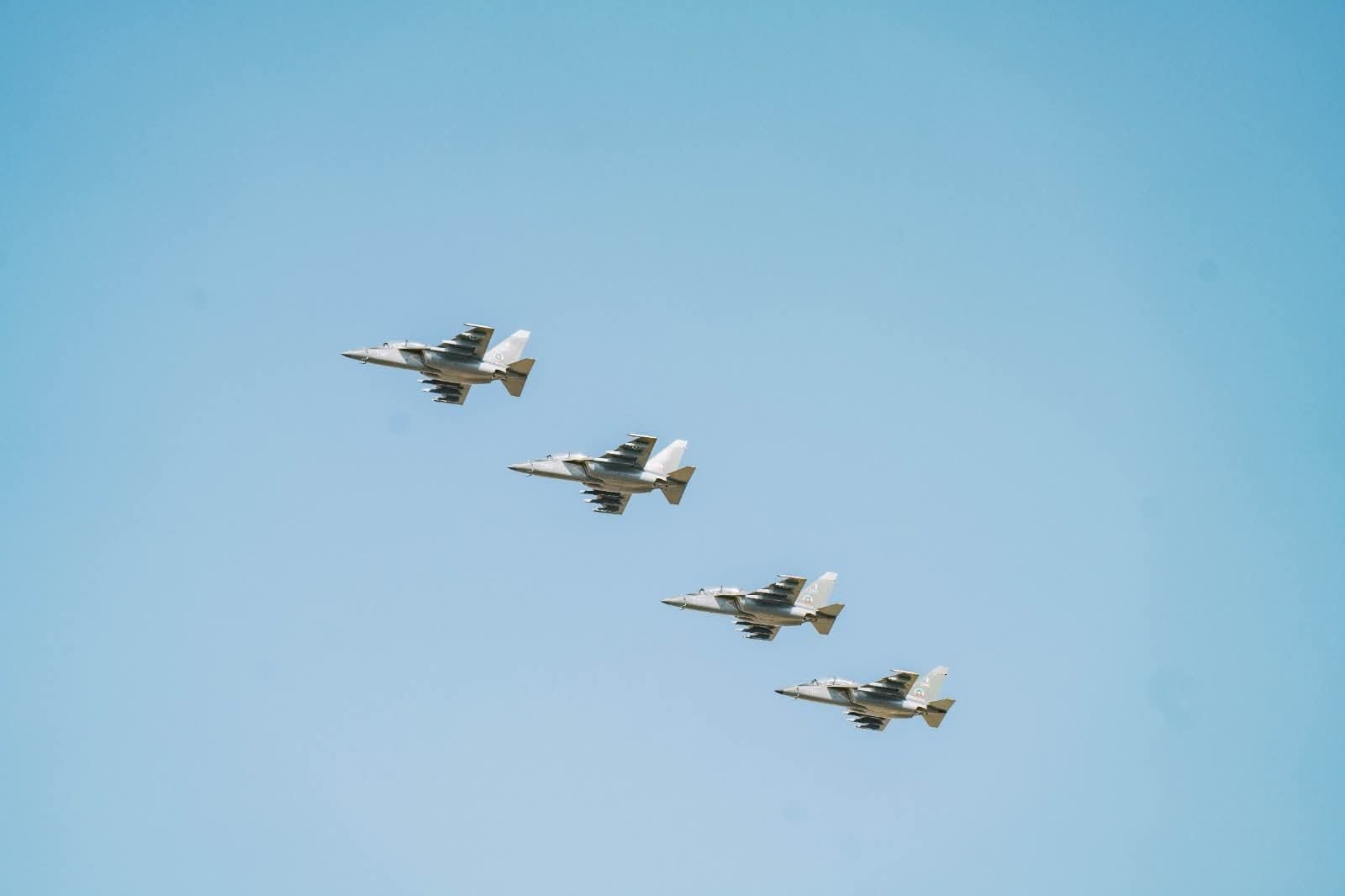
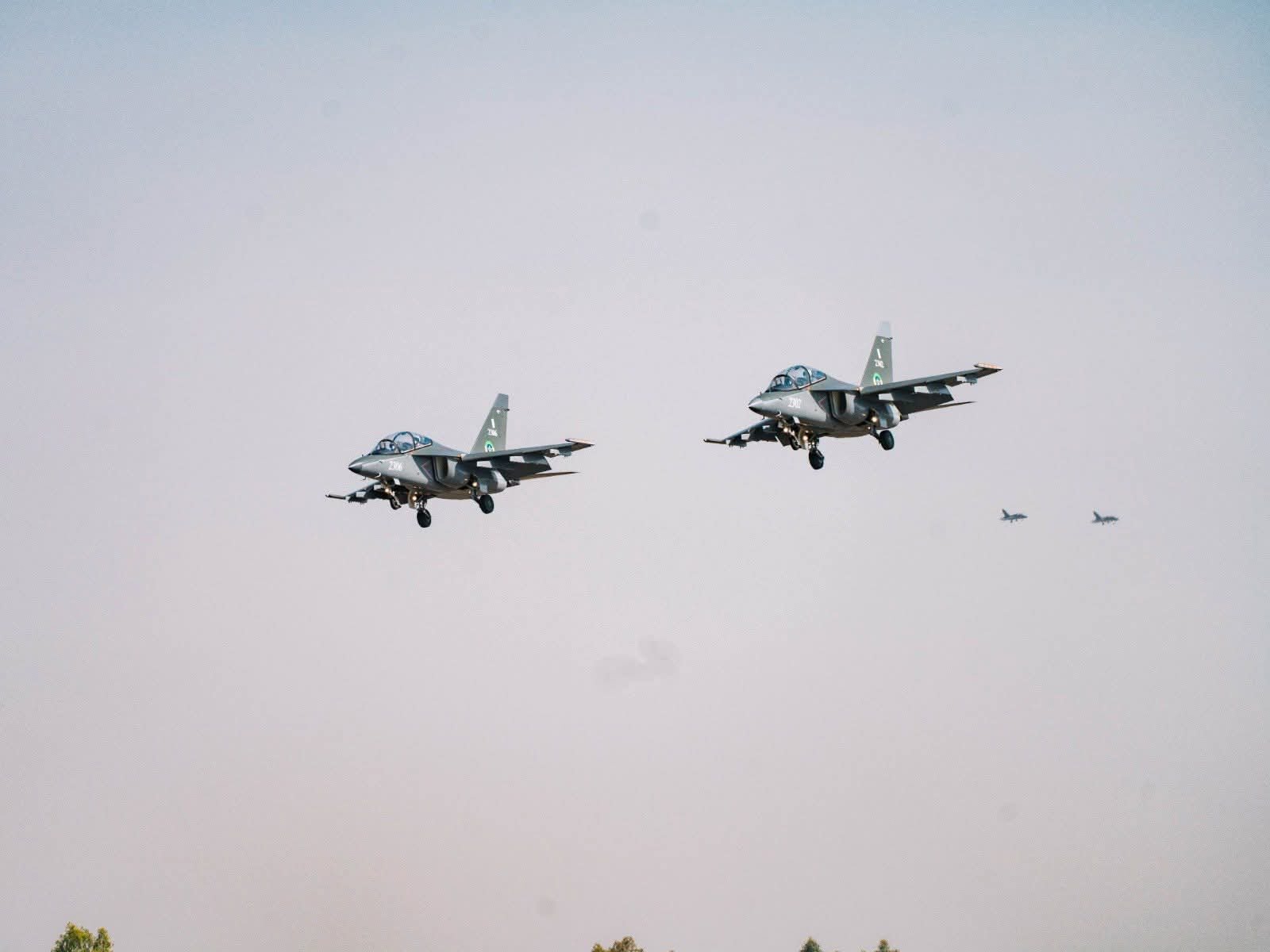
Russia has delivered up to six Yak-130 advanced trainer and light combat aircraft, along with at least one Orion combat drone, to Ethiopia, according to Defense Express on January 27, citing images from the Aviation Expo 2026 held at Bishoftu Air Base.
Photos from the air show show Yak-130 jets bearing tail numbers 2301 through 2306. The aircraft, produced by Russia’s defense industry, are designed primarily for pilot training but can also perform light combat missions.
According to Defense Express, this marks the first publicly confirmed instance of Russia exporting its Orion UAV — a medium-altitude, long-endurance (MALE) system that has been used intermittently in Ukraine.
The appearance of the Orion drone in Ethiopia adds to the country’s growing drone inventory, which already includes Turkish Bayraktar TB2 and Akinci drones, Iranian Mohajer-6 systems, and Chinese Wing Loong I UAVs.
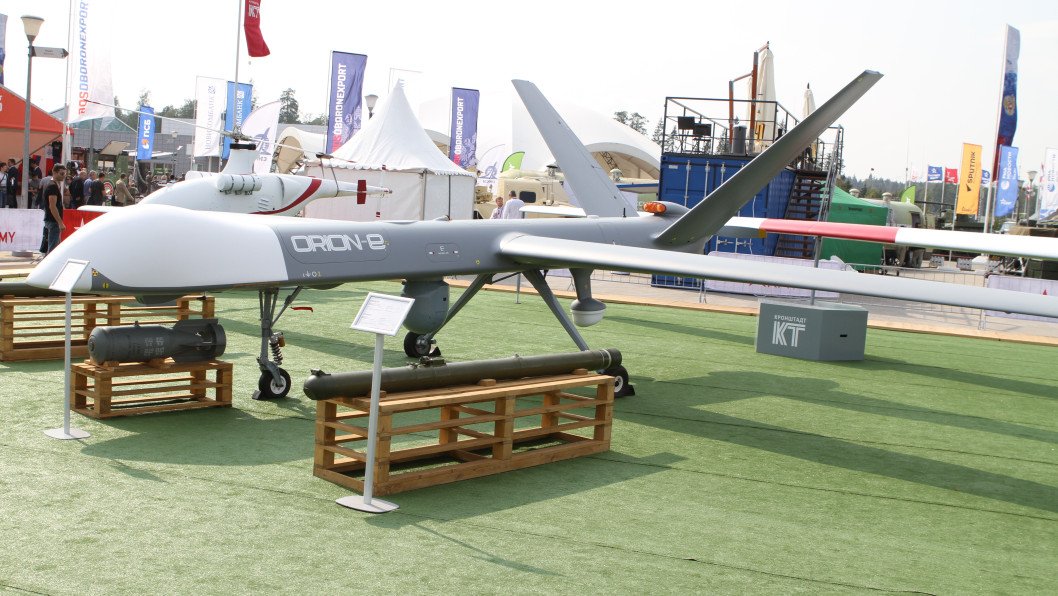
Russia has not disclosed the value of the deal or the payment terms. Defense Express notes that it remains unclear whether the agreement involved direct payments, barter, or a credit-based arrangement.
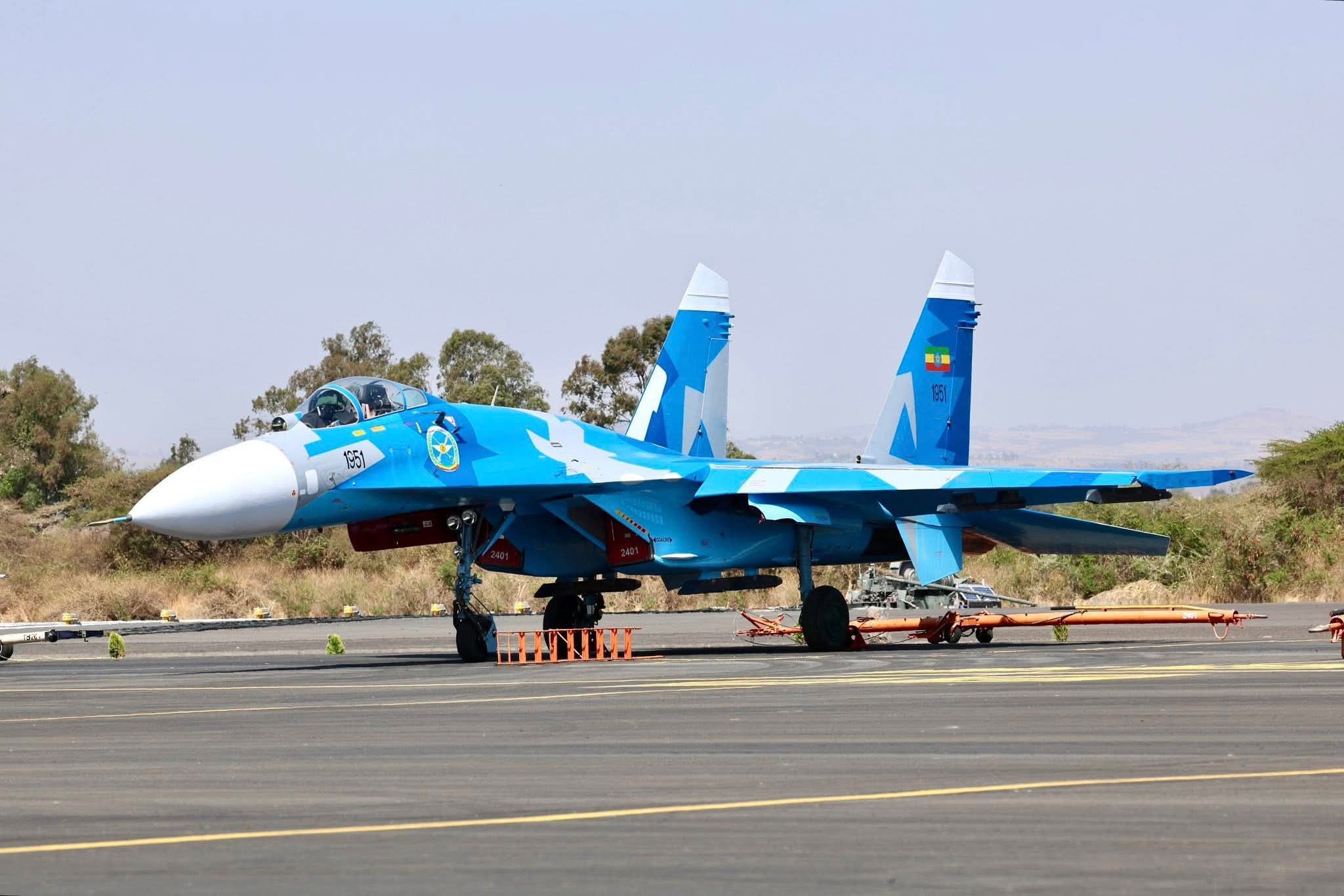
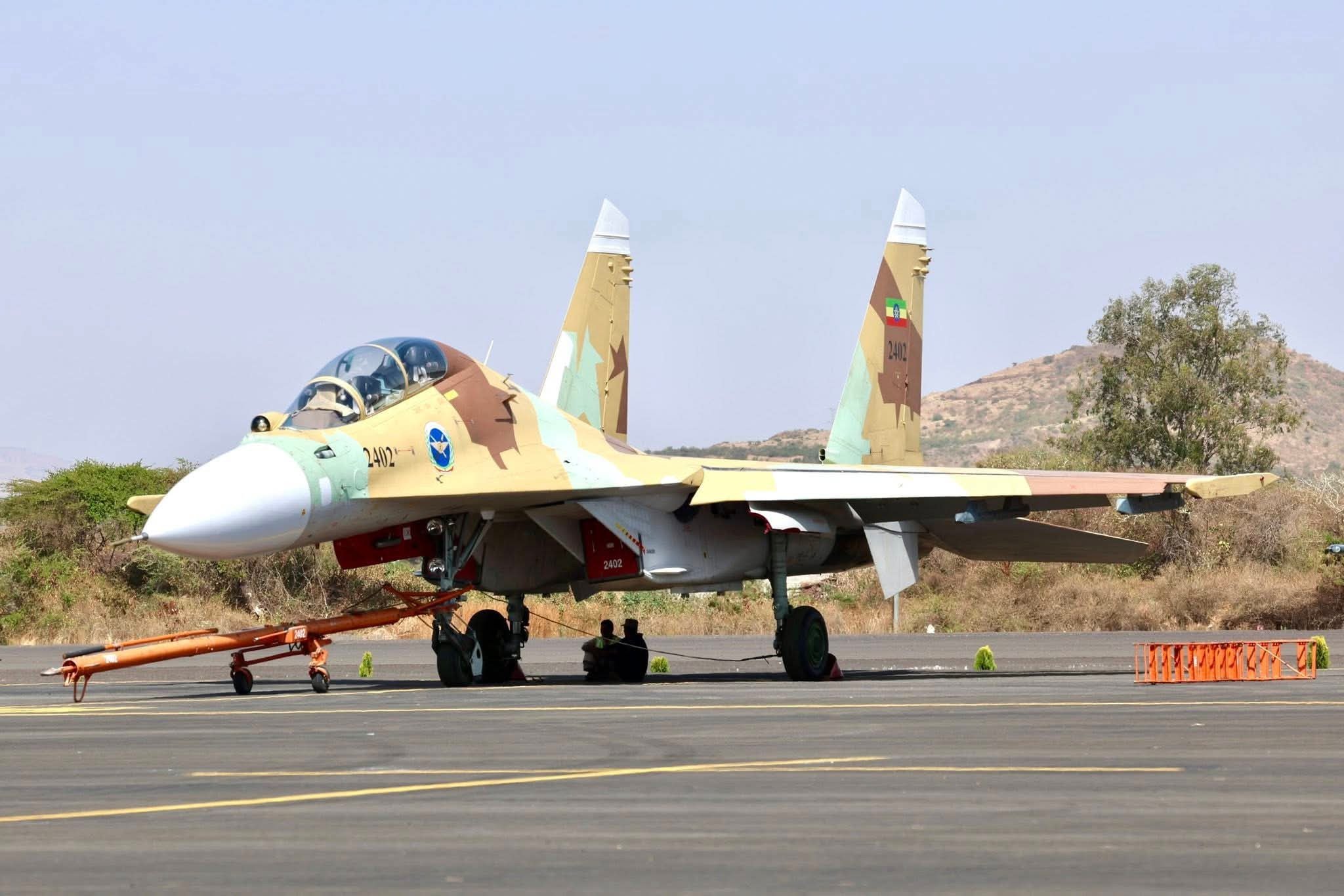
Ethiopia is considered a long-time customer of Russian military equipment. Its air force inventory includes eight Su-27s and three Su-27UBs acquired in the 1990s, along with two Su-30K aircraft delivered in January 2024 after spending over a decade in storage. Ethiopia also fields Su-25s and MiG-23BN jets, forming a modest but diverse combat fleet.
Beyond aviation, Russia has continued to supply Ethiopia with military equipment since 2022. In October 2023, Russia reportedly delivered a Krasukha-4 electronic warfare system to the Ethiopian military. In June 2025, Defense Express reported that despite lacking a navy, Ethiopia had agreed to cooperate with Russia in establishing a joint naval command structure.
The latest delivery underscores Russia’s efforts to maintain military export activity amid sanctions and growing international isolation.
According to Defense Express, these transfers may serve more as a signal of continued relevance than as large-scale commercial successes, particularly given the limited scale of the UAV delivery and uncertainty over its operational integration into Ethiopia’s existing systems.
The Russian defense outlet Centre for Analysis of Strategies and Technologies (CAST) was among the first to note the Yak-130 deliveries during the Aviation Expo event. No official statement has been released by the Russian government regarding the shipment.
Except for expanding arms exports, Russia is also deepening its economic footprint in Africa through resource-based partnerships.
According to recent investigations by RAND and C4ADS, Moscow has turned to African gold as a key alternative source of financing, using it in state-to-state payments, weapons deals, and sanctions-evasion schemes.

With gold exports to Western markets blocked, Russia has expanded military and security partnerships across Africa—often tying arms supplies to broader economic and political cooperation. In this context, even limited aircraft deliveries may reflect not just defense trade, but deeper resource-backed relationships beyond Western oversight.
Earlier leaks from hacked Rostec documents revealed that Russia had been quietly preparing to export six Su-35 fighter jets to Ethiopia. According to the hacking group Black Mirror, internal orders dating back to 2022 confirmed plans to produce critical systems for aircraft designated for Ethiopia, identified in the documents by code “231.”
Discuss this article:
-4a56a6b482ec132402c16ef6fcabf9a2.png)