- Category
- Latest news
Saudi Aramco Looks to Ukraine’s Cost-Effective Interceptors to Fight Iranian Drones
 Prefer U24 Media on Google
- Authors

-72b63a4e0c8c475ad81fe3eed3f63729.jpeg "Photo of Cyril Barabaltchouk")
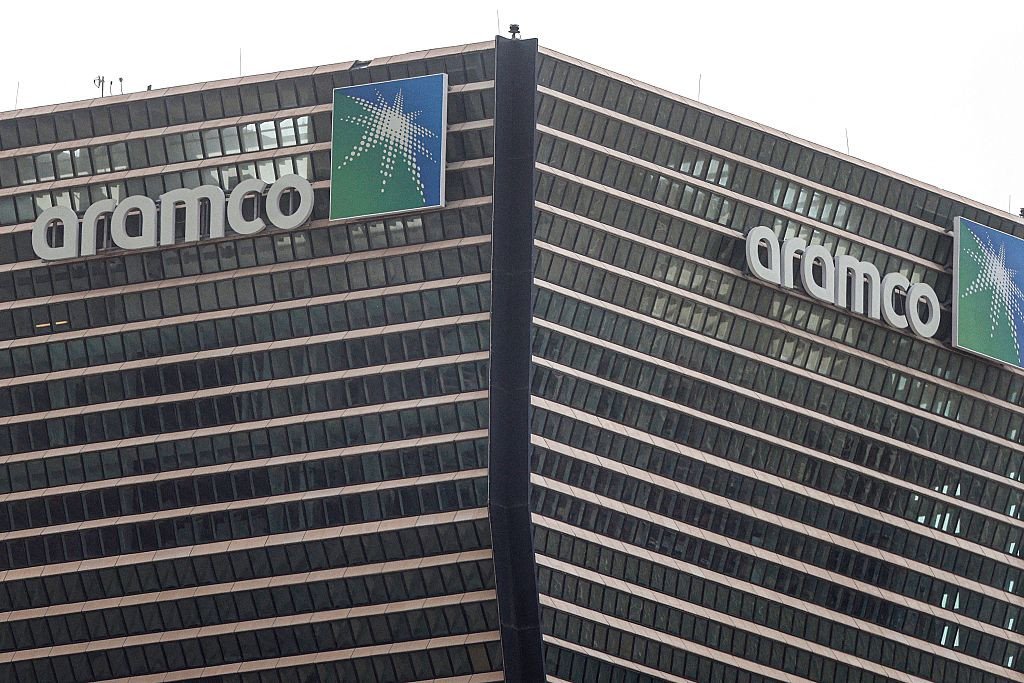
Saudi Arabian oil giant Aramco is currently negotiating with at least two Ukrainian defense firms to purchase interceptor drones designed to protect its critical infrastructure from potential Iranian aerial attacks, The Wall Street Journal (WSJ) reported on March 12.
Aramco is moving aggressively to secure these drone supplies, aiming to outpace competing procurement efforts from regional rivals like Qatar. The company is reportedly in direct talks with SkyFall and Wild Hornets, two Ukrainian manufacturers specializing in interceptor models that physically disrupt or destroy enemy drones mid-air.
We bring you stories from the ground. Your support keeps our team in the field.
The interest in Ukrainian defense technology extends beyond the corporate level. Saudi government officials are also exploring state-level purchases of similar counter-drone systems. Sources close to the negotiations told WSJ that Riyadh has established contact with Phantom Defense, a Ukrainian firm focused on electronic warfare (EW) systems capable of severing the communication links between hostile drones and their operators.
If finalized, these multi-million dollar deals would allow Saudi Arabia to deploy battle-tested Ukrainian solutions to shield its vulnerable oil and gas facilities from the same Iranian-made Shahed suicide drones, which are also currently being used by the Russian army against Ukraine.
While the talks remain in the discussion phase, the urgent interest from Gulf states highlights a major shift in modern air defense. Rather than relying solely on multi-million dollar interceptor missiles, nations are increasingly looking to Ukraine’s rapid battlefield innovations for cost-effective ways to neutralize the growing threat of small, low-cost unmanned aerial vehicles, according to WSJ.
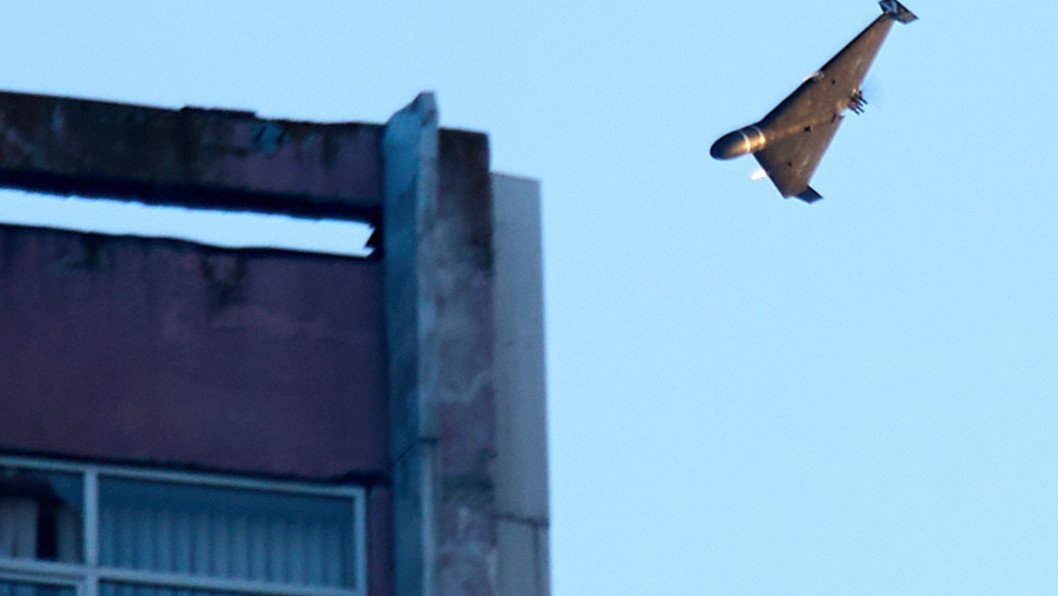
The urgency behind these negotiations stems from the staggering, unsustainable cost of the Middle East’s current air defense strategy. For years, Gulf states have been forced to rely on premium interception systems to shoot down relatively cheap Iranian loitering munitions.
It was previously reported that intercepting a single target with a US-made Patriot battery can require two PAC-3 missiles, costing upwards of $10 million per engagement. This has created a heavily asymmetric financial burden for countries like Saudi Arabia and the UAE, who have collectively spent billions just repelling these attacks.
In contrast, Ukraine has fundamentally changed the economics of drone warfare. By rapidly ramping up domestic defense tech, Kyiv is now deploying up to 1,500 specialized FPV interceptor drones daily at a fraction of the cost, achieving a high success rate against the exact same Shahed models threatening the Gulf.
With Ukrainian President Volodymyr Zelenskyy recently confirming that Ukraine has received multiple requests from Iran’s neighbors for security support, the Aramco talks show a regional realization that Ukraine’s battle-tested interceptors are the only viable, cost-effective solution to the growing Iranian drone threat.
Discuss this article:
-9a7b3a98ed5c506e0b77a6663f5727c5.png)

-dd35be762f08867915b1187d08f5b7cb.jpg "Aftermath of a Ukrainian Neptune missile strike on a Russian Borisoglebsk airfield, October 15, 2026.")

-111f0e5095e02c02446ffed57bfb0ab1.jpeg "Photo of Roman Kohanets")
-f1e0a0eb8dc4159d1ee6f9483ef88571.jpg "Malambahe Sabtar Sabanal, a Philippine national identified by Ukrainian military intelligence as a Russian military recruit who was killed during assault operations in the Donetsk region. (Source: HUR)")