- Category
- Latest news
Gulf States Spent Billions on Russian Pantsir Air Defenses but Shahed Drones Still Got Through
 Prefer U24 Media on Google
- Authors


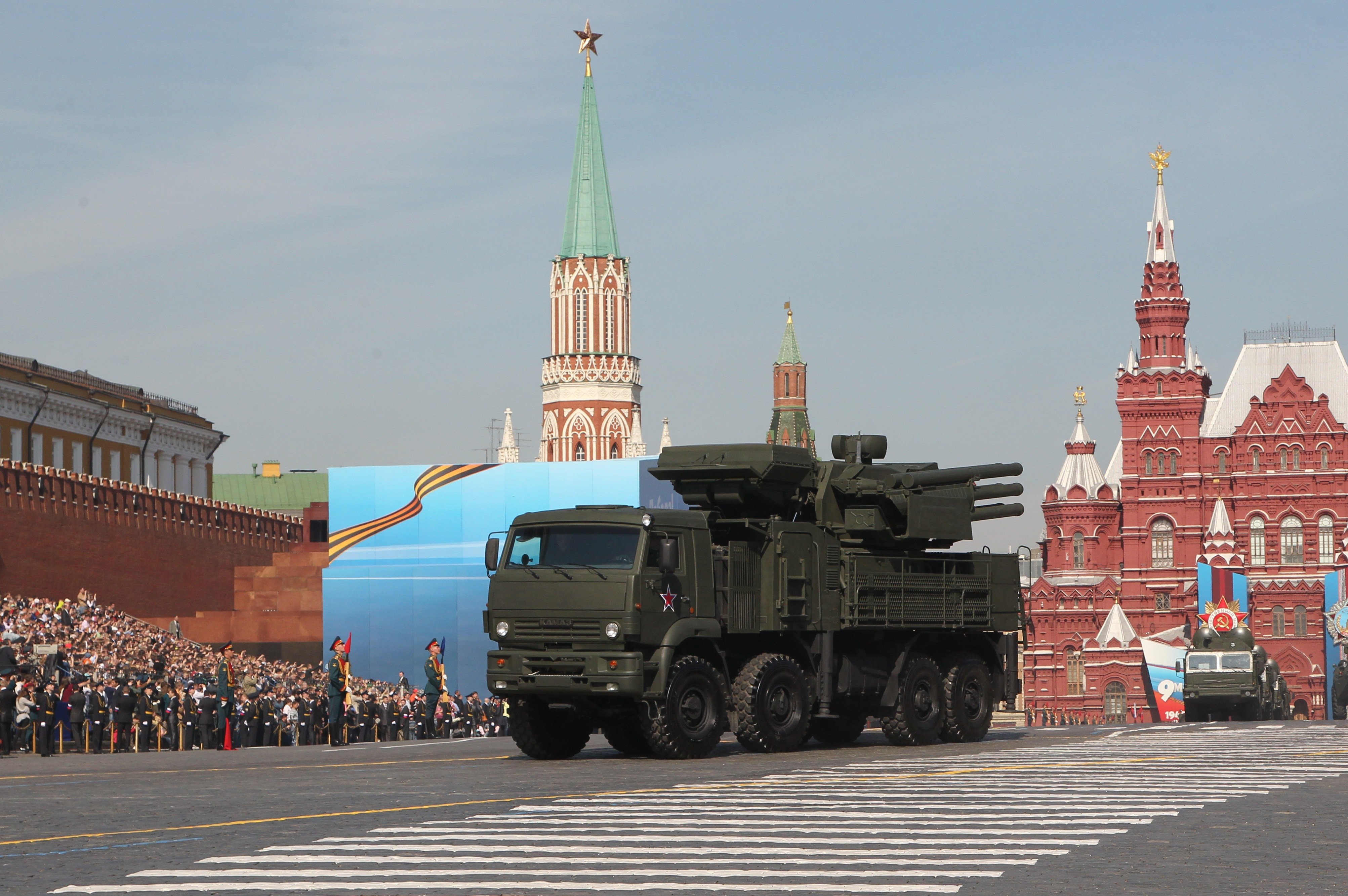
Several countries in the Persian Gulf that purchased Russia’s Pantsir air defense systems in multi-billion-dollar deals are now facing drone attacks linked to Iran, raising questions about the effectiveness of the Russian-made platform against modern UAV threats.
We bring you stories from the ground. Your support keeps our team in the field.
According to Defense Express on March 6, the United Arab Emirates, Saudi Arabia, and Iraq all operate Russian Pantsir short-range air defense systems originally acquired in part to counter drone threats from Iran.
The United Arab Emirates was among the earliest buyers of the Pantsir-S1 system, acquiring approximately 50 units in 2000. According to Defense Express, around 42 systems are believed to remain operational in Emirati service today.
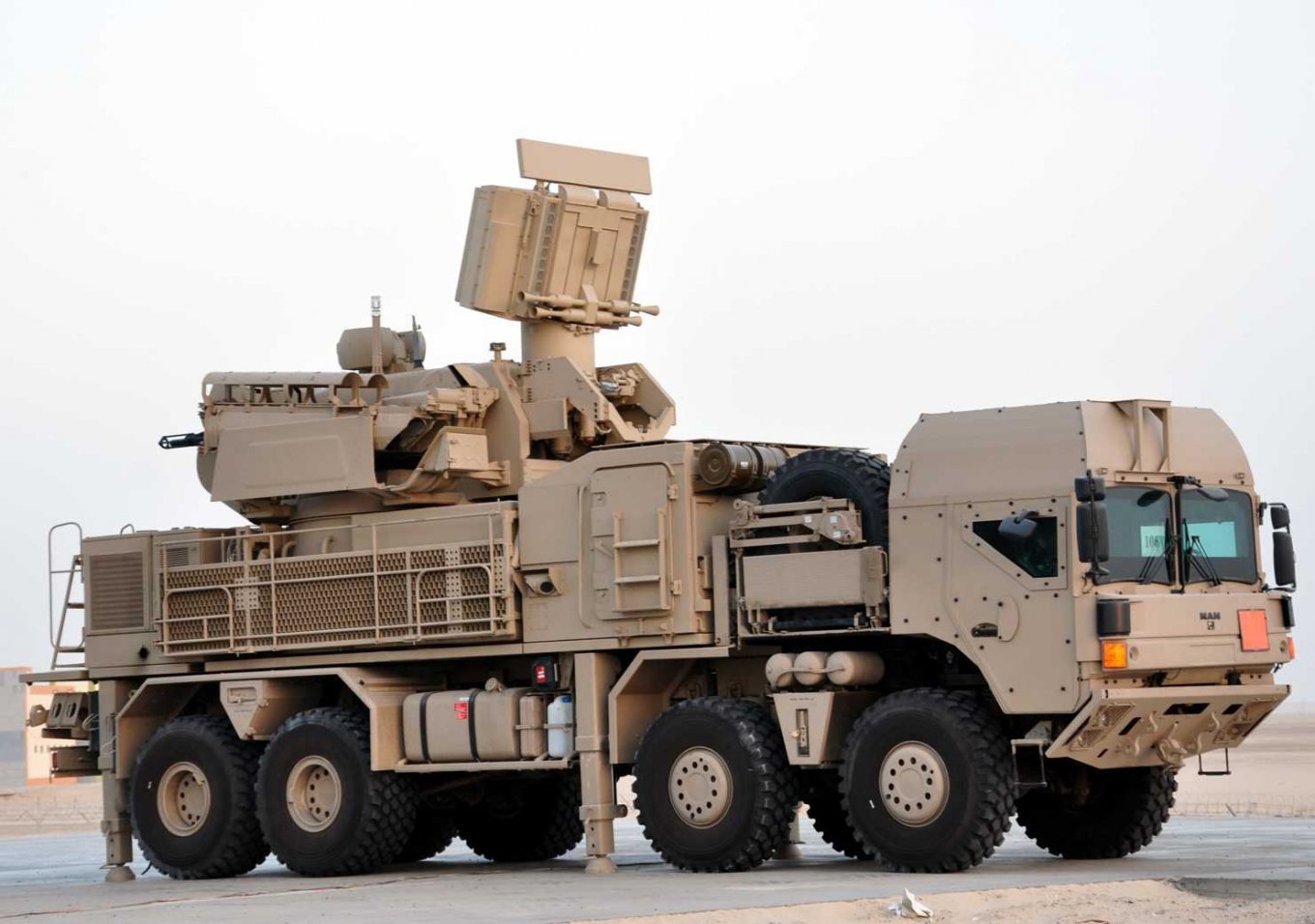
Official Emirati statistics report a high interception rate during recent Iranian attacks. According to data cited by Defense Express, UAE air defenses have intercepted 99% of ballistic targets and 93.7% of incoming drones.
Ballistic missile defense in the UAE is primarily handled by US-made THAAD and Patriot systems, while Russian Pantsir systems are intended to counter drones and other low-altitude threats.
Saudi Arabia has also quietly acquired the Russian platform. According to Defense Express, Riyadh confirmed the purchase only in October 2024 through an official publication by the country’s Ministry of Defense.
BREAKING: Sky News Arabia claims Saudi Aramco’s Ras Tanura refinery was shut down following a drone attack. pic.twitter.com/YGXRzfhQms
— Clash Report (@clashreport) March 2, 2026
The contract itself, however, appears to date back several years. According to Defense Express, Saudi Arabia signed an agreement around 2021 to acquire 39 Pantsir-S1M systems in a deal estimated at approximately $2.3 billion.
Deliveries reportedly began in 2023, although neither Moscow nor Riyadh has publicly confirmed the total number of systems delivered or the final value of the agreement.
Unlike the UAE, Saudi Arabia does not publish detailed statistics on the overall effectiveness of its air defense systems. According to Defense Express, Riyadh typically releases information only about individual interception events, making it difficult to assess the performance of the Pantsir systems during drone attacks.
Video of a Shahed strike on Palm Jumeirah in Dubai a few hours ago. Judging by the sound, it appears to have been a jet-powered version of the kamikaze drone. https://t.co/Qh9gchKk3G pic.twitter.com/CTL36OZkQO
— Special Kherson Cat 🐈🇺🇦 (@bayraktar_1love) February 28, 2026
Publicly available footage has shown drones striking oil facilities in Saudi Arabia, indicating that some attacks have penetrated the country’s air defenses.
Iraq is another regional operator of the Pantsir system. According to Defense Express, Baghdad purchased 24 systems before 2014, with deliveries completed by 2016.
The limitations of the system became visible during a regional escalation in June 2025. According to Defense Express, unidentified drones attacked US military bases around Baghdad during a 12-day confrontation between Israel and Iran.
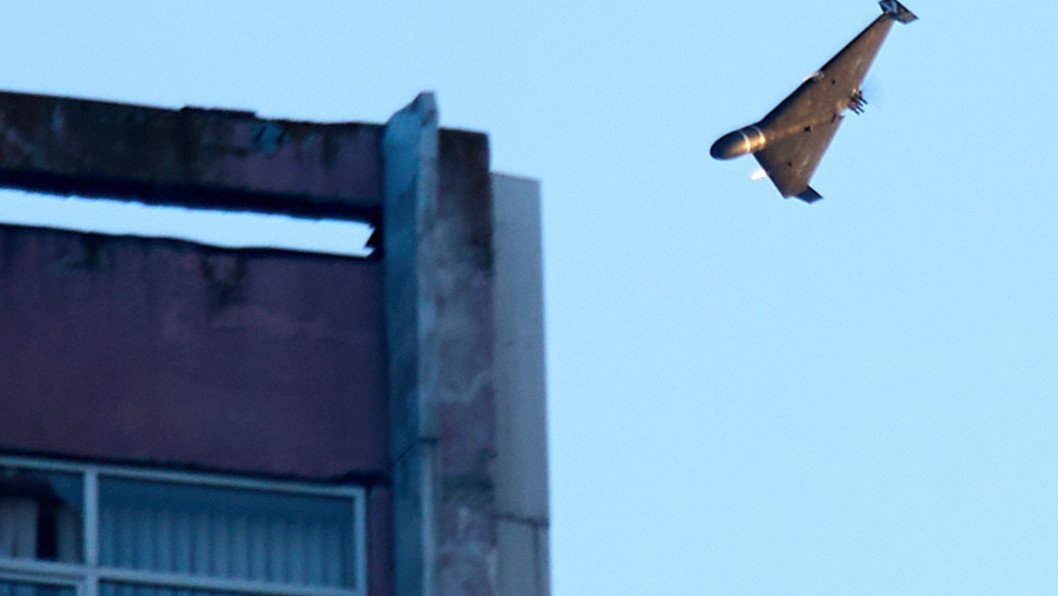
There is also a degree of strategic irony in the current situation. According to Defense Express, Russian Pantsir systems deployed in the Gulf could theoretically be used to intercept Russian-produced “Geran-2” drones, which are based on Iran’s Shahed-136 design.
At least one such drone manufactured in Russia at the Kupol plant in Izhevsk has reportedly been used in an attack targeting the UAE.
Analysts also note potential logistical challenges. According to Defense Express, Pantsir systems in the Gulf may face difficulties obtaining spare parts, maintenance support, and missile ammunition as Russia continues to deploy the same systems extensively in its war against Ukraine.
Earlier, The Telegraph reported on March 4 that the United Kingdom had deployed elite counter-drone specialists from the 12th Regiment of the Royal Artillery to the Middle East to help defend military bases against potential Iranian drone attacks, with some of the personnel previously trained alongside Ukrainian forces and studied battlefield tactics used to counter Russian drones during the war.
Discuss this article:
-4a56a6b482ec132402c16ef6fcabf9a2.png)


-72b63a4e0c8c475ad81fe3eed3f63729.jpeg "Photo of Cyril Barabaltchouk")
-e88c01988249cd60b6f04f79d29156b7.jpeg "Damage to “Cosmogony,” the largest painting in Ukraine, following a Russian drone attack on Lutsk on October 13, 2026. (Source: @sashyyna/Instagram)")


-dd35be762f08867915b1187d08f5b7cb.jpg "Aftermath of a Ukrainian Neptune missile strike on a Russian Borisoglebsk airfield, October 15, 2026.")