- Category
- World
How Much Gold Is Russia Bleeding from Africa to Fund Its War?
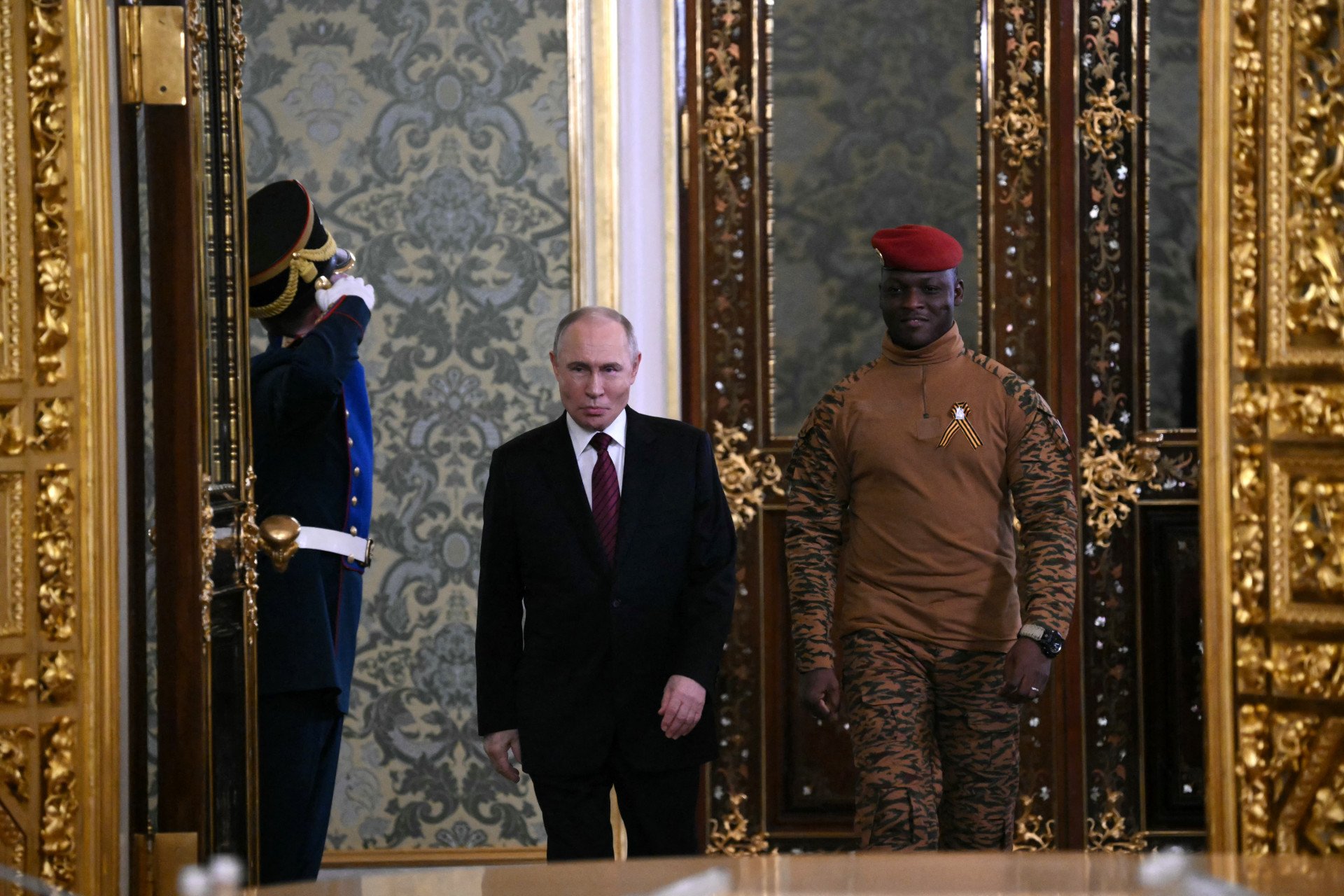
Wagner mercenaries are turning West Africa’s gold fields into killing grounds. From Sudan to the Central African Republic (CAR), Russian-backed forces loot, murder, and smuggle gold and other resources to bankroll Moscow’s war in Ukraine.
 Prefer U24 Media on Google
- Authors

-46f6afa2f66d31ff3df8ea1a8f5524ec.jpg "Photo of Jess Daly")
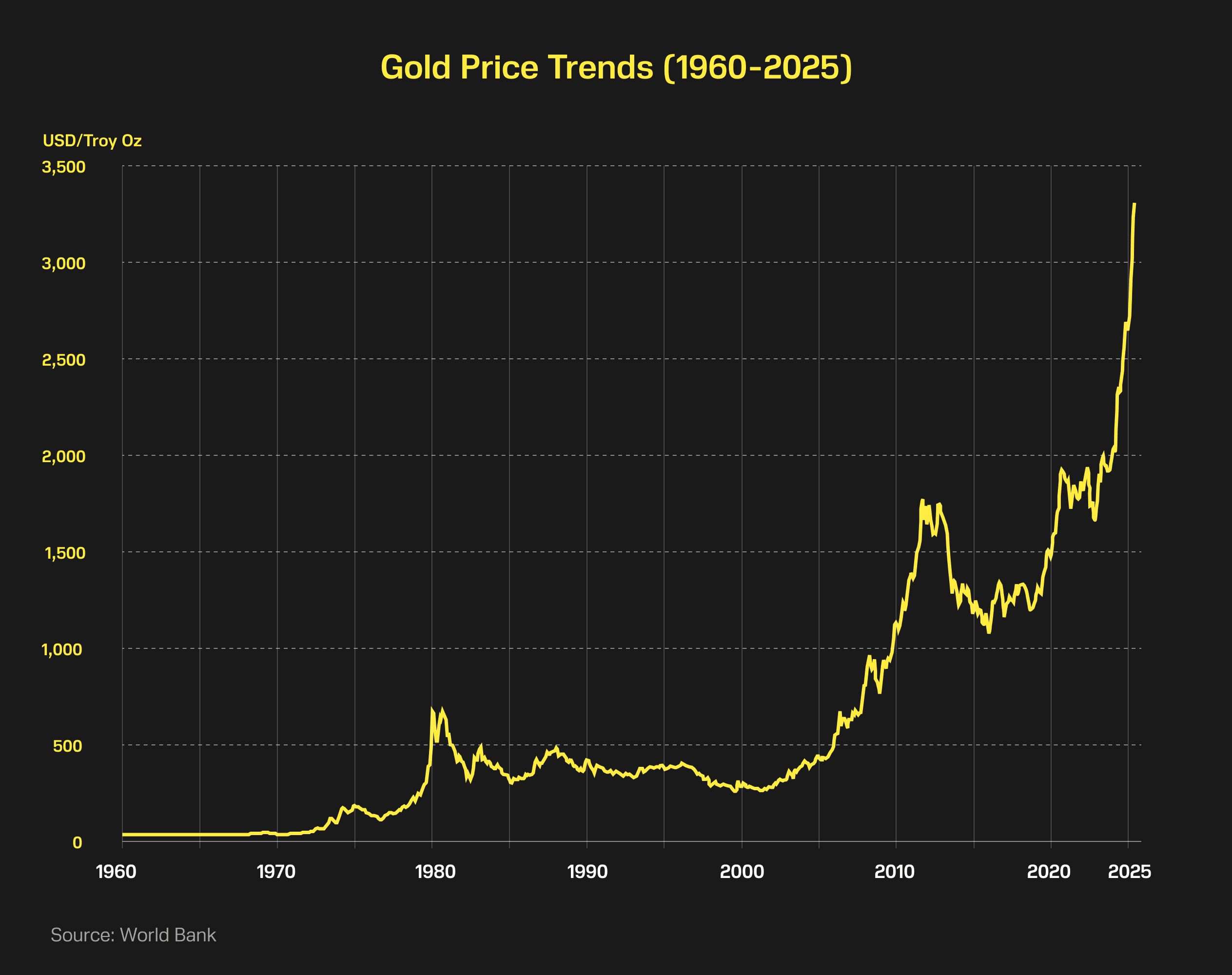
Russia’s gold reserves hit a record $310 billion in December 2025, according to Russia’s central bank . To sustain its war economy, the central bank has been selling physical gold to buy rubles, keeping bullion within the country while covering budget shortfalls under Western sanctions.
Since Russia’s full-scale invasion of Ukraine began in 2022, gold exports to the West have been blocked, pushing Russia to Africa, where it launders and re-exports gold under third-party labels. Mali, not subject to gold sanctions, provides a loophole the Kremlin exploits to fund illicit activity.
Africa Corps and other Russian security units have expanded control over mines, using murder and torture to secure the metal. With over half of the National Wealth Fund’s gold already sold, Russia is rapidly depleting its economic and military resources and increasingly relies on “African gold” to finance its war in Ukraine.
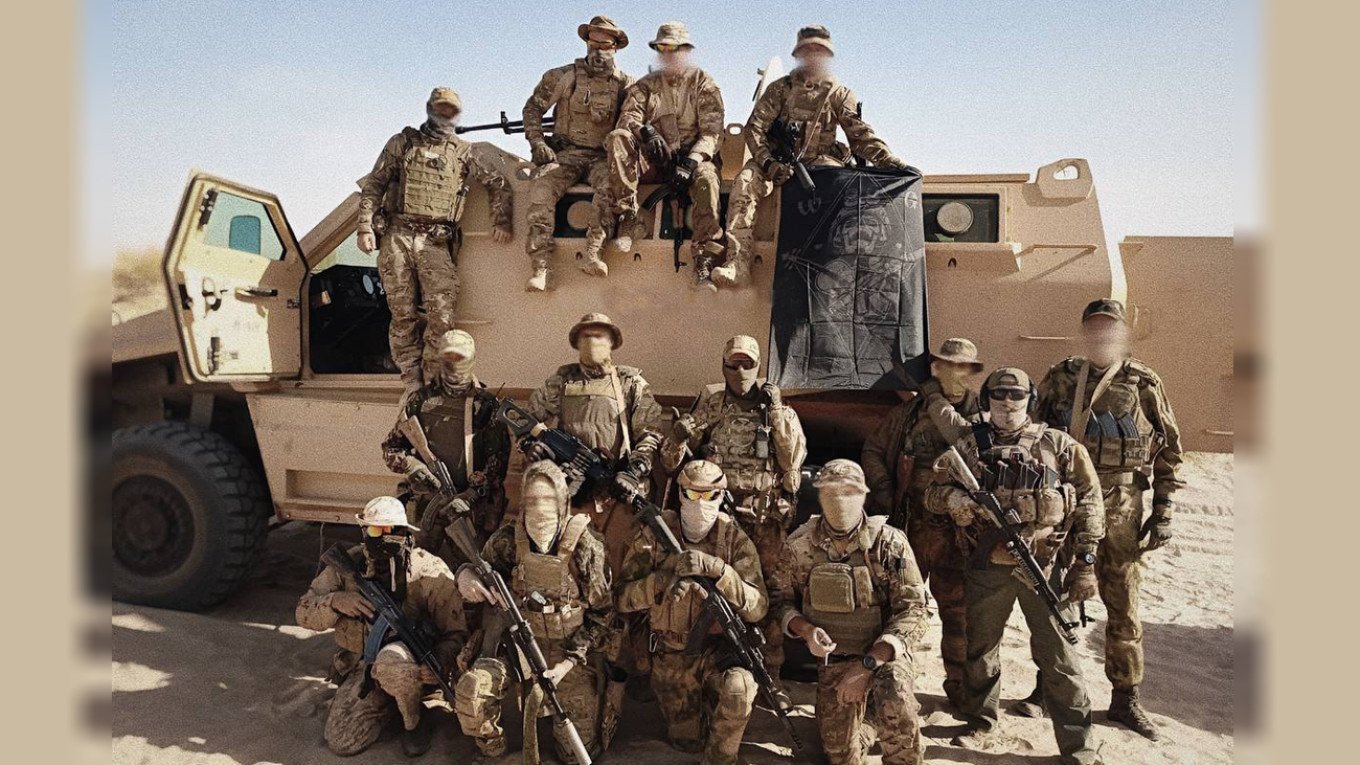
Since 2022, smuggled African gold moving through Kremlin-linked networks has generated more than $2.5 billion, according to the Blood Gold Report. Launched in 2023, the investigation tracks links between Russian mercenaries, authoritarian African governments, and extractive industries.
Gold has been used for payments for Iranian support and North Korean weapons. In a recent case, Russian military aircraft, presented as civilian flights, allegedly carried gold and military logistics during an unusually dense series of flights to Tehran through late December 2025.
Why gold matters for Russia’s wartime economy
Gold has become Russia’s most lucrative and strategically vital metal. One of the world’s largest producers, Russia holds stakes across the former Soviet Union and Africa. Cut off from the global financial system, gold is easy to melt, launder, and move through black markets, evading sanctions.
Right now, Moscow is using gold to prop up its wartime economy and bolster access to crucial goods, while holding considerable influence over the production of gold in Central Asia and Africa.
John Kennedy
Research leader in RAND Europe's Defense and Security
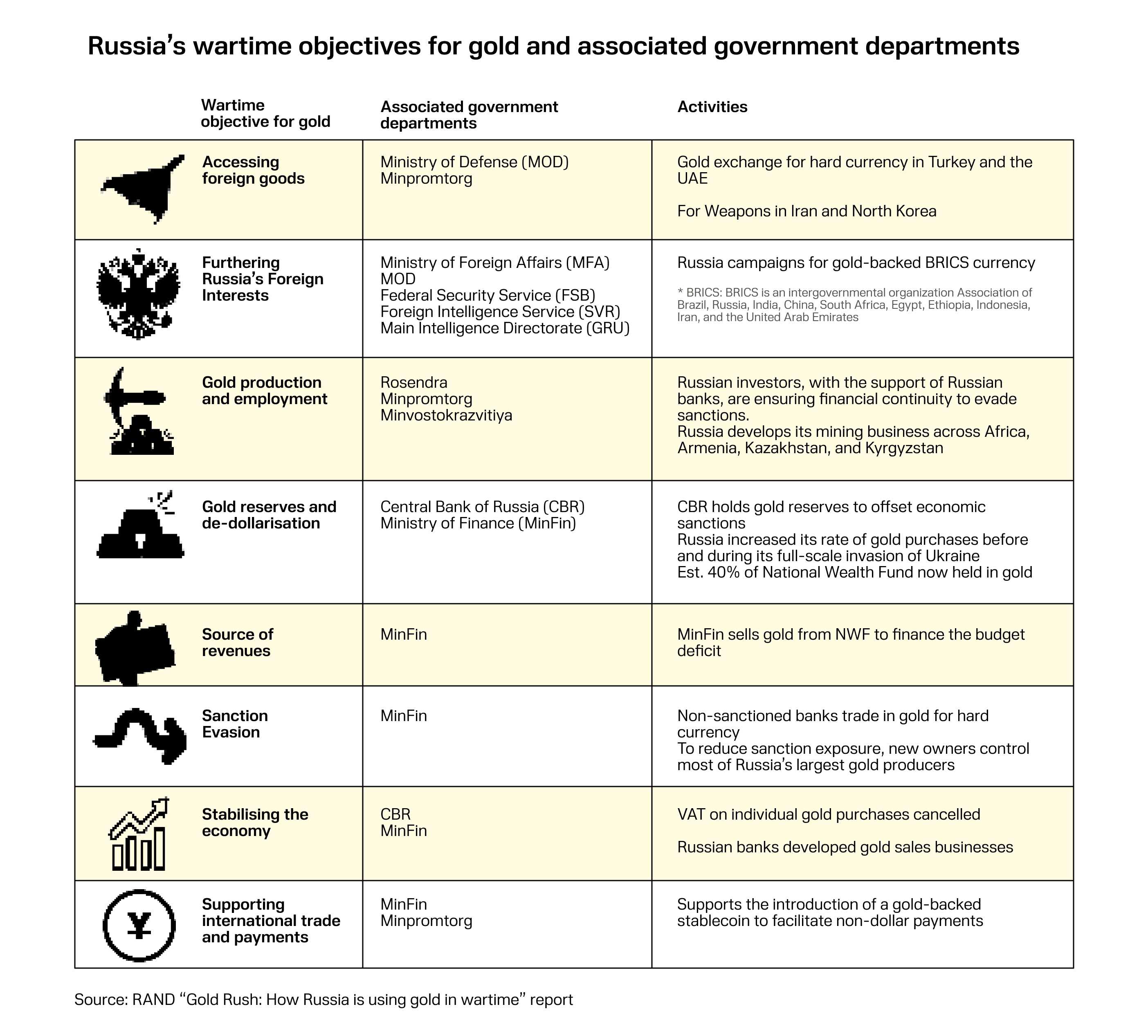
In the lead-up to Russia’s full-scale invasion of Ukraine, Moscow moved the National Wealth Fund into 60% yuan and 40% gold—a clear hedge against expected Western economic pressure. Today, Russia is “using physical gold in state-to-state payments, and Russian businesses are involved in gold-for-goods, gold-for-weapons and gold-for-cash exchanges”, RAND reported.
Russia’s official figures are unreliable, as are several aspects of its government reports, including spending and military losses. Therefore, investigations conducted by independent global think tanks are vital, providing evidence-based insight into lucrative government operations.
In the RAND “Gold Rush: how Russia is using gold in wartime” report, they make clear that the Russian state is deeply involved in, or actively encourages, shadowy gold operations—from controlling mining ventures to smuggling and using gold in a range of unofficial exchanges.
For example, the Russian Yelabuga drone factory paid the Iranian manufacturer Sahara Thunder partly in gold bars, worth around $104 million, for 6,000 Shaheds and other equipment, C4ADS revealed.
The “Gold Rush: how Russia is using gold in wartime” report breaks down Russia’s wartime objectives for gold and the government departments associated to those objectives.
Africa as the Kremlin’s alternative treasury
Russia has expanded its footprint across Central and West Africa through the use of military force, resource extraction, and influence operations. Since 2018, the Wagner Group—now Africa Corps—has secured Moscow’s interests violently in states with weak governments but rich reserves of gold, uranium, manganese, and oil. Backed by mercenaries, Russia has gained access to critical resources.
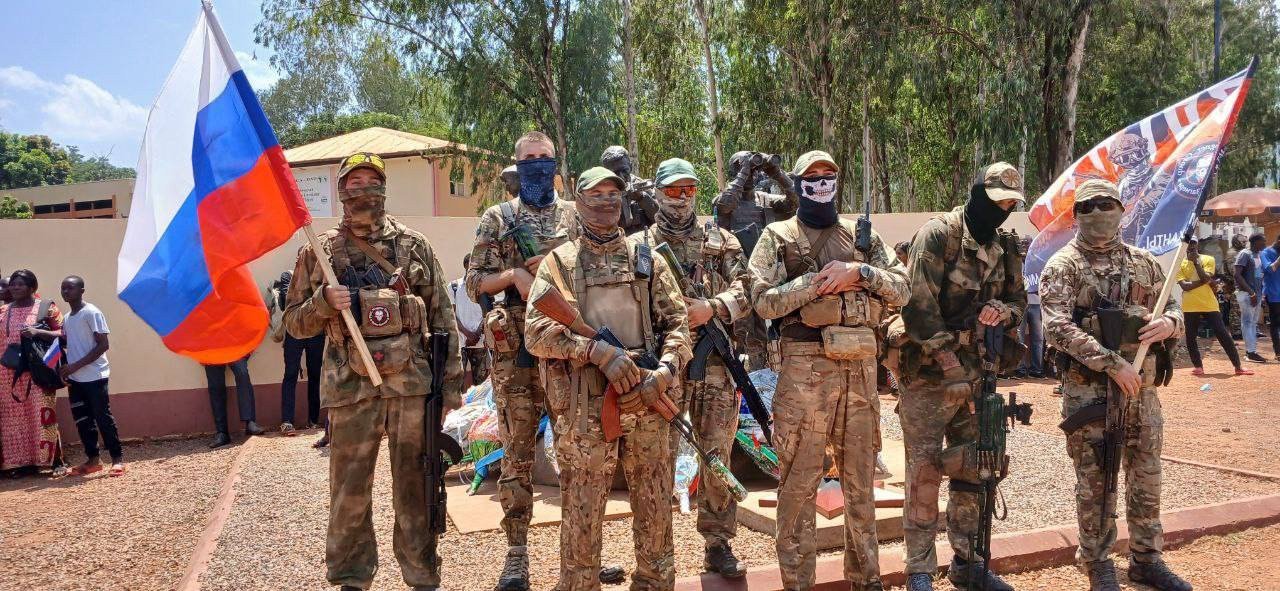
Africa Corps is entrenched in CAR, Sudan, and Mali, trading regime protection for gold, diamonds, timber, and other assets, frequently routed through the UAE, a hub for loosely regulated African gold.
Since breaking from French influence, Russia has become the primary security partner for Burkina Faso, Niger, and Mali, embracing post-coup military juntas and deploying trainers, equipment, and combat support against jihadist insurgents. Together, Mali, Niger, and Burkina Faso produce around 230 tonnes of gold annually, making the Sahel a major global producer. CAR’s proximity to Sudan has allowed Moscow to lock in regional deals. Our focus is on Mali, Sudan, CAR, and Burkina Faso—the strongest gold-mining footholds for Russia in West Africa.
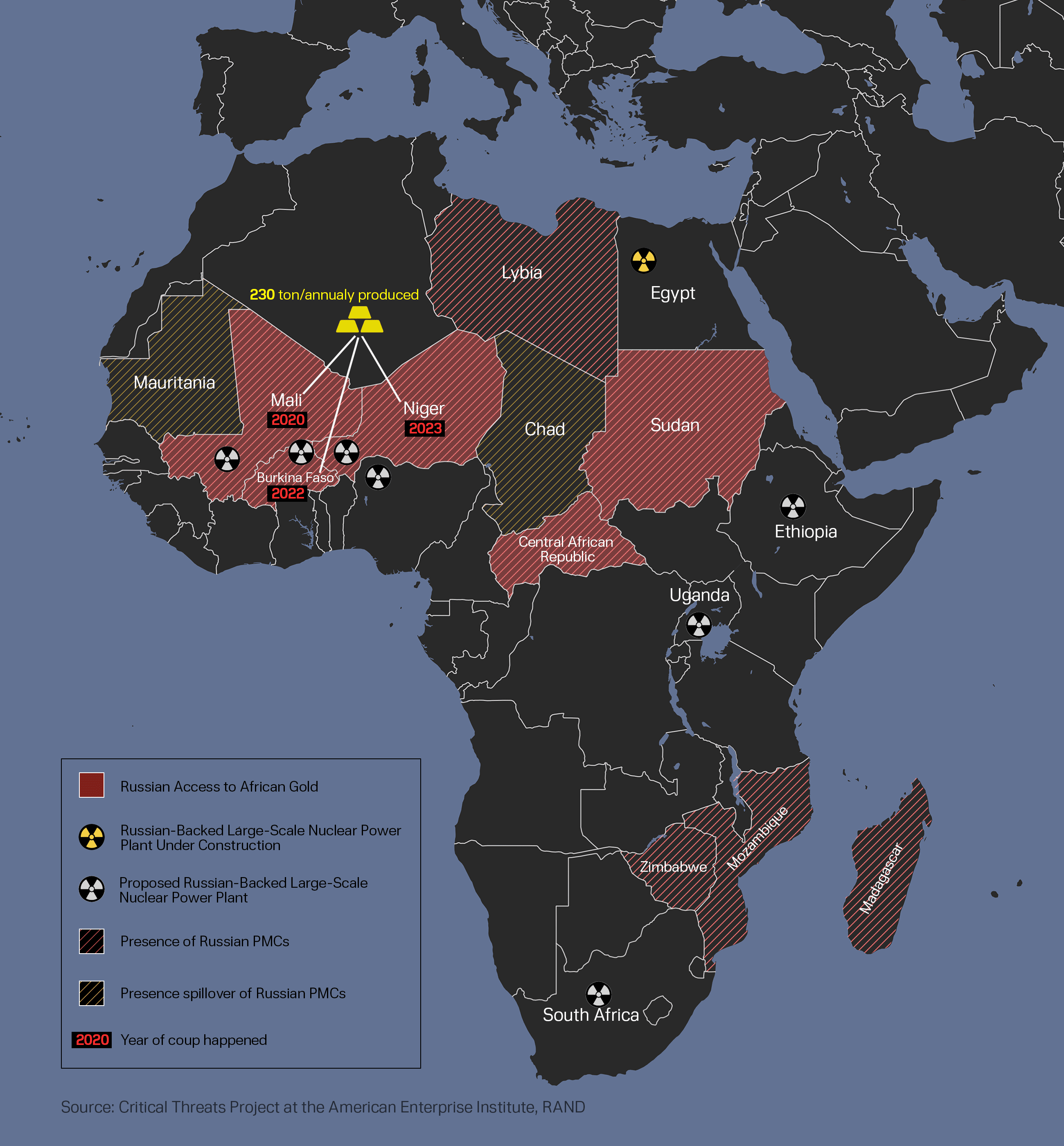
In return for gold concessions, Russia offers military backing, disinformation networks, and diplomatic cover at the UN—an unequal exchange framed as “sovereignty.”
CAR: Africa Corps continues to prop up President Faustin-Archange Touadéra, exploiting fragile power dynamics to secure long-term influence.
Mali: Russian forces filled the vacuum left by France, supporting junta leader Assimi Goïta amid clashes with groups like al-Qaeda-linked JNIM.
Sudan, Wagner-linked actors embedded themselves in gold and mineral extraction, backing the RSF in exchange for exclusive access.
Burkina Faso, Russian PMCs—including the Kremlin-linked Bear Brigade—now support the junta, operating alongside Africa Corps.
How illicit Russian networks operate gold in West Africa
Africa Corps-linked networks generate around $114 million a month from African gold, the Blood Gold Report estimates, by using mercenaries, shell companies, and weak governance to bypass sanctions. The model shifts by country.
Sudan
Wagner positioned itself above the artisanal sector, becoming the dominant buyer and smuggler of gold. US-sanctioned M-Invest coordinated with Sudanese intelligence-linked firm Aswar, securing mine access and smuggling via military flights. Aswar also provided Wagner with access to the Ministry of Defense’s weapons cache, including armoured vehicles, drones, and communication equipment.
👍Ukrainian specialists are taking part in military operations in Sudan against Russian forces.
— Jürgen Nauditt 🇩🇪🇺🇦 (@jurgen_nauditt) March 6, 2024
"Such actions for Kiev are part of a strategy aimed at undermining Russia's military and economic operations abroad, making the war more expensive for Moscow, while positioning… pic.twitter.com/NexbVGNEW8
Up to 90% of Sudan’s gold leaves the country illegally. One plane carried a ton of gold hidden under biscuits. Sanctions in 2023 forced Wagner to transfer control of Meroe Gold—a Sudan-based mining front it operated—to a new entity with a single employee, a former Meroe manager.
Since 2017, Moscow has pursued its first African naval base on the Red Sea—a chokepoint for trade and potential industrial-scale smuggling. Sudan approved plans in 2025, but an anonymous military source claims the project is frozen, for now.
Mali
Wagner failed to seize industrial mines, so it adapted. The junta paid cash for security while relying on gold revenues for half its tax income. Russian-linked firms followed the mercenaries. After Wagner-backed forces seized Kidal, a gold-rich region, in 2023, artisanal gold panning surged across the region.
In 2025, Mali’s junta partnered with the Russian conglomerate—the Yadran Group—to build a national gold refinery. The project follows Assimi Goïta’s consolidation of military and economic ties with Russia since seizing power in 2021, as Mali pursues “economic sovereignty” after France’s departure.
Burkina Faso
Russia’s footprint is corporate. Russia’s mining company, Nordgold, already mines the Bissa and Bouly mines in Burkina Faso. It previously owned the Taparko mine before it was shut down in 2022 due to security risks, Reuters reported.
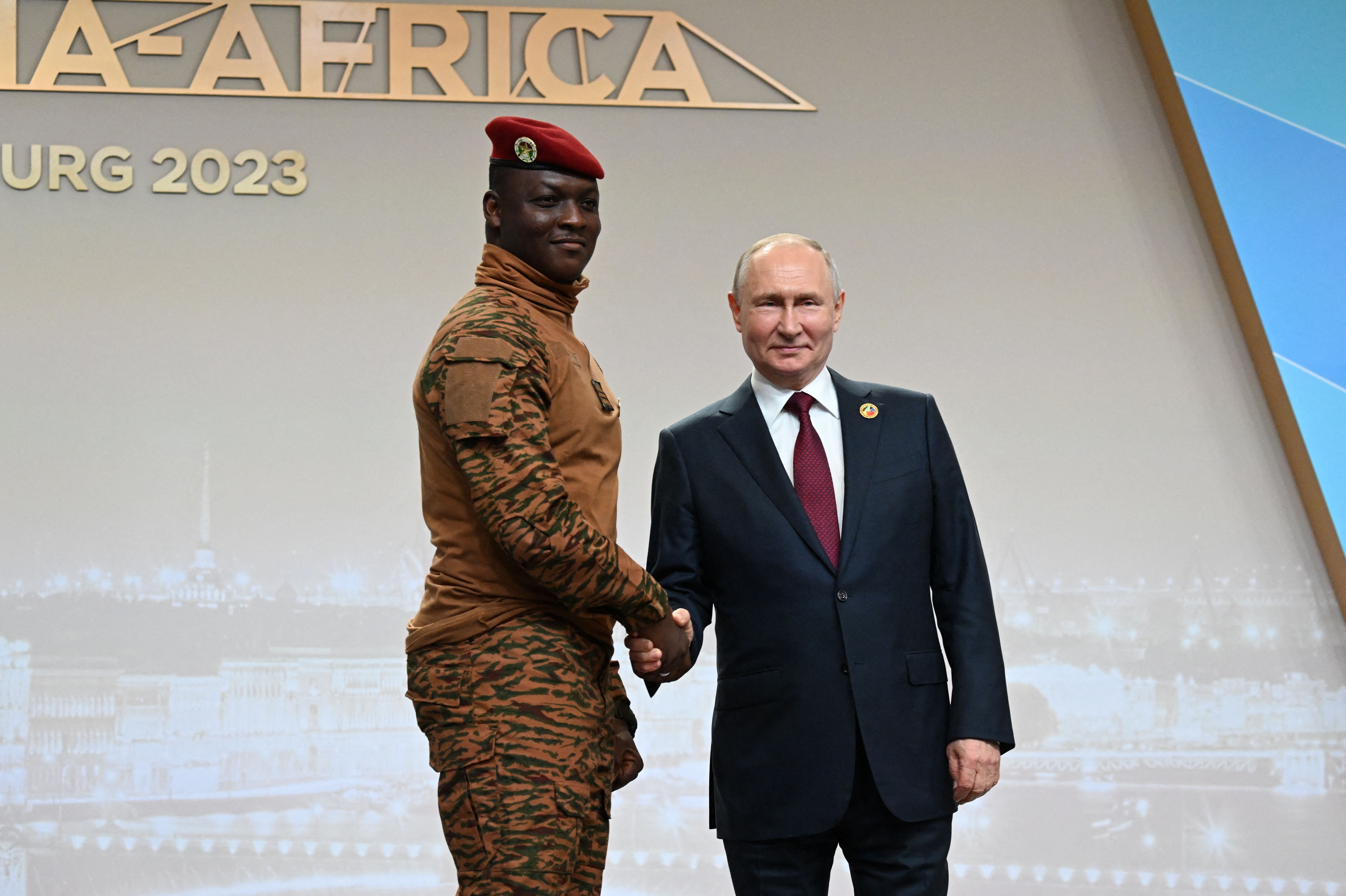
In April 2025, Ibrahim Traoré’s government granted an industrial mining licence to Russian miner Nordgold for a new gold project from the Niou gold deposit, located in the Kourwéogo province of Burkina's Plateau-Central region. The mine is expected to yield approximately 20.22 metric tons of gold over its eight-year lifetime. Jilbey Burkina, a Nordgold subsidiary, maintains an 85% ownership stake, locking Moscow deeper into the country’s extractive economy, Reuters reported.
Central African Republic
In the CAR, gold is the price of survival. Wagner secured access to the Ndassima mine—CAR’s only industrial-scale site—after President Touadéra sought Russian military support. The mine is estimated to generate up to $290 million annually, channelled through Wagner-linked firm Midas Resources.
In 2023, the US Department of the Treasury’s Office of Foreign Assets Control (OFAC) exposed Russia’s lucrative business across the CAR. The CAR-based rebel group Unité pour la Paix en Centrafrique (UPC) has collaborated with Midas Resources, directly violating UN sanctions and national mining laws. Diamville SAU , also formally controlled by Yevgeny Prigozhin, buys CAR’s gold and diamonds, converting them into cash.
Dubai-based Industrial Resources General Trading funnelled CAR gold and diamonds for Prigozhin, working with Diamville to move cash and resources by hand to Russia, even after US sanctions.
Meanwhile, Russia-based OOO DM helps monetise these resources, moving funds and materials back to Russia. Together, these actors allow the Kremlin to secure strategic minerals while evading international restrictions.
Atrocities committed by Russian-backed militias in Africa
Africa Corps has been repeatedly accused of human rights abuses, including extrajudicial killings, torture, and rape, used to terrorise civilians, consolidate control in gold-rich countries, and facilitate resource exploitation.
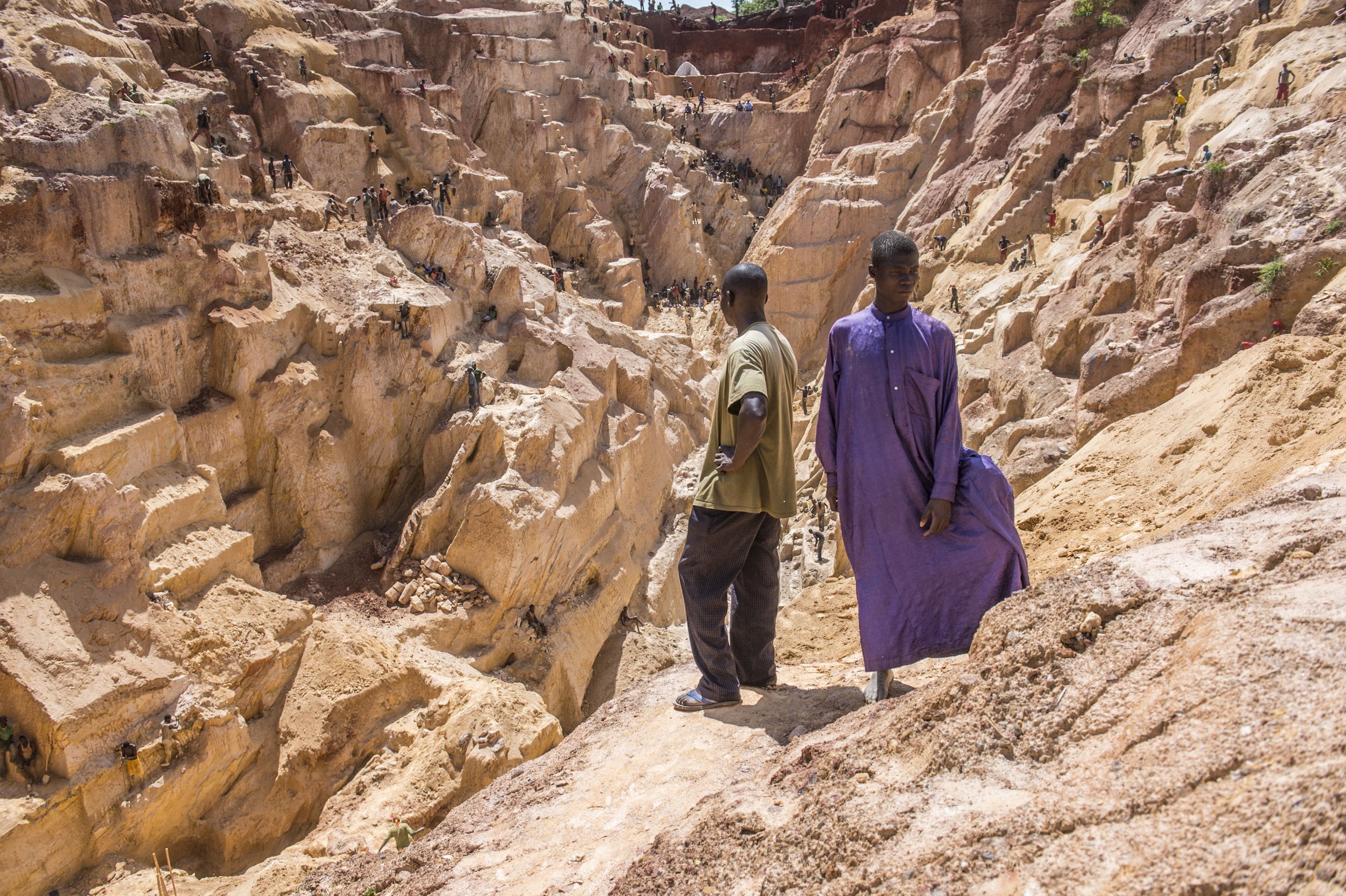
In July 2025, at least 11 people were shot dead by Wagner mercenaries at the Ndassima gold mine in the CAR. Witnesses say the victims were villagers searching for leftover gold and gravel when they were killed without warning.Just two weeks later, they seized another 10 and locked them in sun-baked metal containers for several days, the Telegraph reported.
Wagner has managed to establish military control of operations outside Bangui, for which their motto is “leave no trace”—in other words, kill everyone, including women and children.
According to the Architects of Terror Report
Over Christmas Day and Boxing Day in 2025, Wagner mercenaries killed 32 civilians in Sarayebo village in the CAR. The civilians were reportedly Sudanese herders who had crossed into CAR in search of pasture and water for their livestock. A couple were beheaded just days later.
A study, “Architects of Terror Report,” found that 5.6% of the CAR’s population died in 2022—more than double the rate of any other country globally. The researchers warned that Wagner’s operations exacerbated the humanitarian crisis across the country.
THREAD. List of Wagner military atrocities and war crimes in Africa, the Middle East and Ukraine.
— Drew Pavlou 🇦🇺🇺🇸🇺🇦🇹🇼 (@DrewPavlou) June 24, 2023
1. The Moura Massacre, Mali. Wagner murdered up to 500 civillians and buried them in mass graves. March 27, 2022 – March 31, 2022. pic.twitter.com/OUX80wu1xI
At the Kouki gold mines in CAR, Wagner reportedly conducted a large-scale military operation. Some miners were arrested, some who tried to flee were shot dead, and others were tied to trees before being savagely tortured. In Mali, Russian-backed groups have committed dozens of summary executions and enforced disappearances of ethnic Fulani men since January 2025, Human Rights Watch reported.
Malian civilians have been detained, tortured, and executed by Wagner, with survivors recounting waterboarding, electrocution, and lethal reprisal shootings, LeMonde reported.
In Sudan, Wagner attacked migrant mining camps near Am Daga, firing indiscriminately, destroying equipment and buildings, and looting motorbikes. Witnesses described a mass grave with 20 victims, and reported up to 70 dead, including relatives, while others said hundreds were injured or killed, the Guardian reported.
Why this matters for sanctions and global security
Russia’s grip on African gold is more than a regional issue—it is a direct challenge to Western sanctions. By smuggling and laundering gold through fragile states, Moscow bypasses economic restrictions, funds its war in Ukraine, and undermines the effectiveness of the global financial system. Africa has become the Kremlin’s alternative treasury, where every ounce mined strengthens Russia’s war machine and devastates lives.
Discuss this article:

-c439b7bd9030ecf9d5a4287dc361ba31.jpg "Photo of Katherina Popilnichenko")
-111f0e5095e02c02446ffed57bfb0ab1.jpeg "Photo of Roman Kohanets")