- Category
- World
Why Russian Shadow Fleet Ships Keep Catching Fire
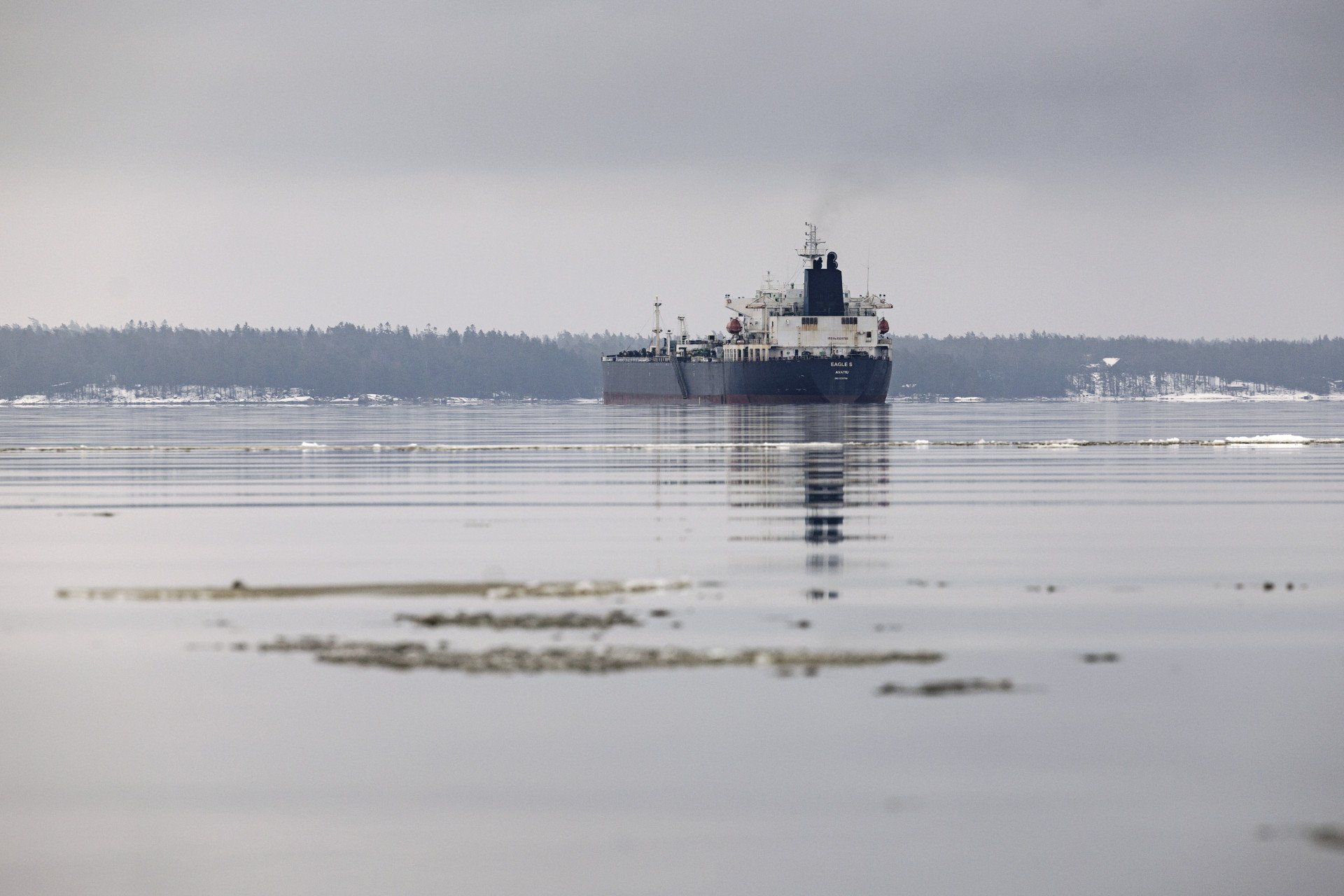
When a sanctioned tanker catches fire at sea, who puts it out—and who pays if something goes wrong? The fire aboard the Russian LNG carrier Arctic Metagaz in the Mediterranean has renewed attention on Moscow’s Shadow Fleet.
 Prefer U24 Media on Google
- Authors

-605be766de04ba3d21b67fb76a76786a.jpg "Joseph Place")
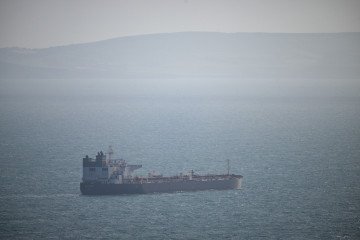
An LNG tanker, Arctic Metagaz, was set on fire in the Mediterranean Sea on March 3 following a reported drone attack. The ship’s crew was all Russian nationals, and it had turned off its Automatic Identification System (AIS) as it exited Malta’s exclusive economic Zone on the evening of March 2.
The ship itself was under sanctions and part of Russia’s “Shadow Fleet.” Russia relies on Shadow Fleet vessels to keep oil and LNG exports flowing despite Western sanctions.
But the fleet is responsible not only for illegal oil export, but also for shipping weapons and even acts of sabotage in the Baltic Sea. Many ships use questionable insurance coverage—Western and reputable companies will not insure them—and change the flags they fly under. This helps them evade proper scrutiny, but it also makes them a liability for incidents. They often switch off their AIS to avoid interception by Western naval forces enforcing sanctions.
If these ships operate outside normal maritime rules, how protected are they really? In March, a tanker intercepted by Belgian special forces with support from French helicopters was found to be sailing under the flag of Guinea. In the case involving the vessel Fitburg, which was causing sabotage operations in the Baltic Sea, the ships are registered in the Cook Islands, a jurisdiction known for allowing vessel registration without a physical presence.
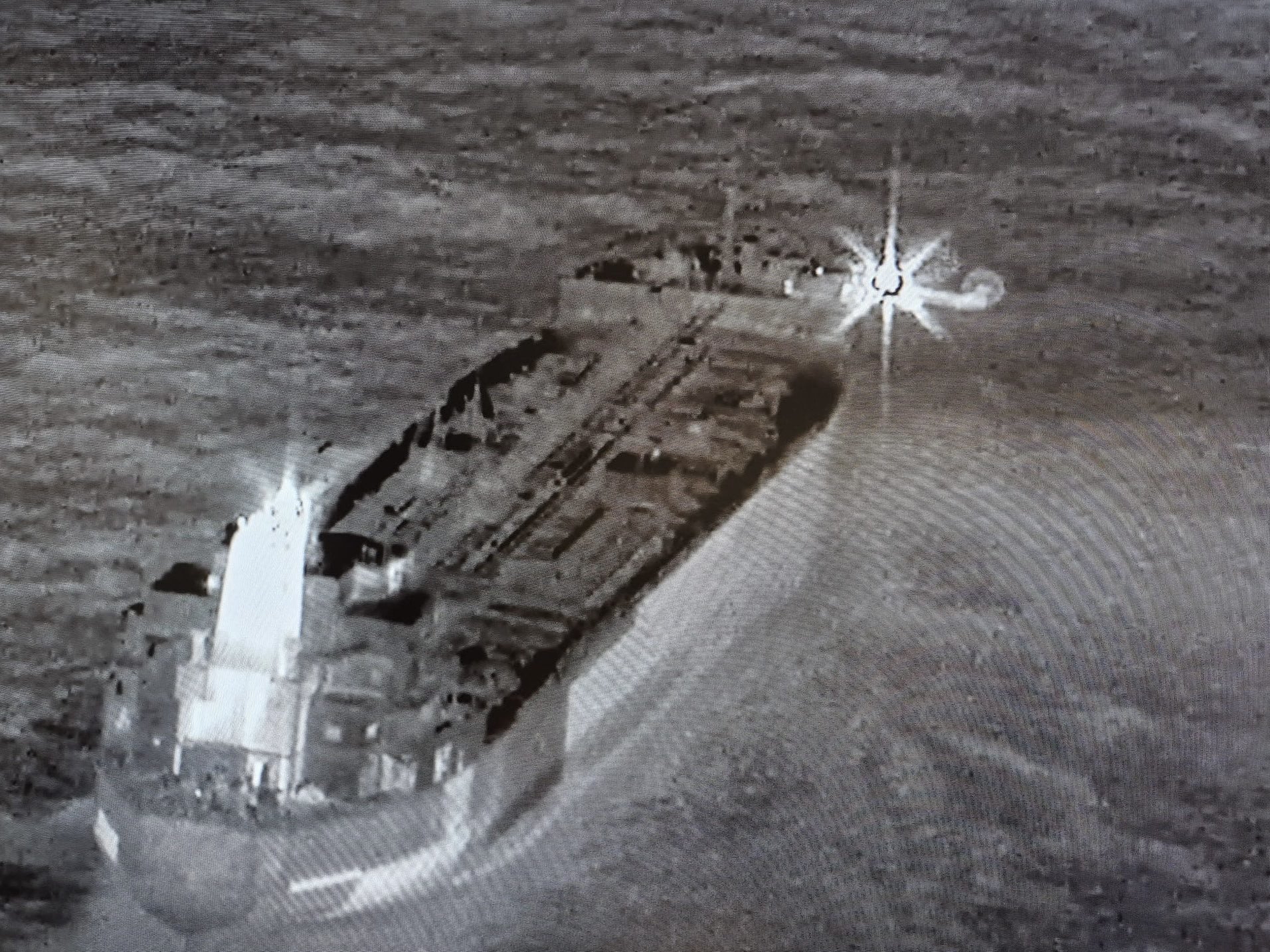
Such operations show that shadow fleet vessels still pass through heavily monitored waters where authorities can intervene. So, what risks do these ships pose to other vessels, crews, and the environment?
How Russia’s Shadow Fleet creates safety and environmental risks
Russia’s shadow fleet poses several risks to maritime safety and the environment:
• Aging ships and safety concerns
Many of these ships are old, of poor quality, and pose a high risk to maritime security, as stated by the Atlantic Council, Ukrainian energy and maritime insurance brokers FDR, among others. Russia often relies on older vessels because losing them is less costly if they are seized or disabled. Using aging ships increases the likelihood of incidents such as oil spills, fires, and other onboard accidents. Crews are often hired through opaque contracting networks, raising concerns about training and safety standards. Reports also suggest that safety procedures are frequently inadequate, creating risks not only for other vessels but a humanitarian disaster for their crews. This is part of why collisions and man-made disasters are common for the shadow fleet.
• Hazardous cargo
Much of the cargo carried by these vessels is high-risk. Oil, chemicals, and other hazardous materials require strict safety procedures, well-maintained ships, and experienced crews. In normal shipping operations, multiple safeguards are in place to reduce the impact of accidents. Many of these protections are absent on shadow fleet vessels. The likelihood of incidents is inherently higher.
• Weak oversight and false registries
As these ships lack the proper insurance and use false registries, they are more likely to experience disasters. For regular ships, especially those carrying high-risk cargo, proper, clear registration and insurance, and safety and quality inspections are routine and can overlap depending on maritime law. However, as these ships fly under different flags, use false registries, or change them frequently, they are not properly checked or held accountable. They generally operate outside of maritime laws that require maintenance.
• Insurance and liability risks
The lack of proper insurance creates a bigger problem: liability. If a tanker carrying oil or LNG catches fire or spills cargo, it may be unclear who is responsible for firefighting, salvage operations, or environmental cleanup. When ownership structures and insurance coverage are opaque, the costs of accidents can ultimately fall on coastal states or taxpayers.
• “Dark shipping”
The other main issue, as with the Arctic Metagaz, is turning off the AIS. They effectively “go dark” and are hard to track, and if they experience any disaster, interceptions to prevent ecological or humanitarian disasters such as spillages, collisions, fires, etc. are, as a result, much harder. It also makes collisions significantly more likely, as larger ships, with reduced manoeuvrability, cannot anticipate their presence until it is too late.
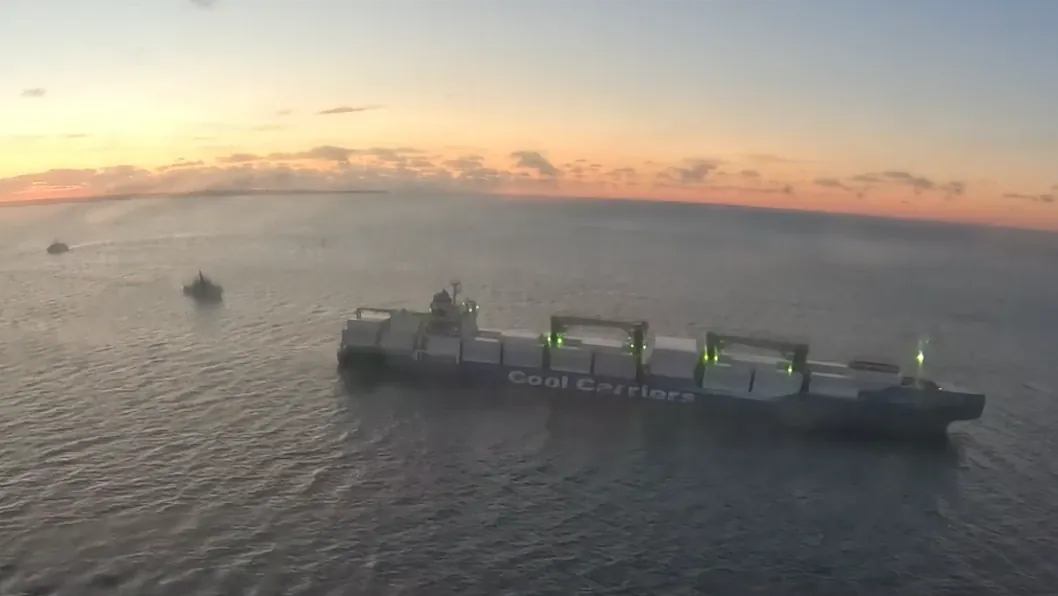
How many times Russian Shadow Fleet caused damage
There are multiple incidents we can see that demonstrate the risks the Shadow Fleet poses to other ships, the environment, and even their own crews.
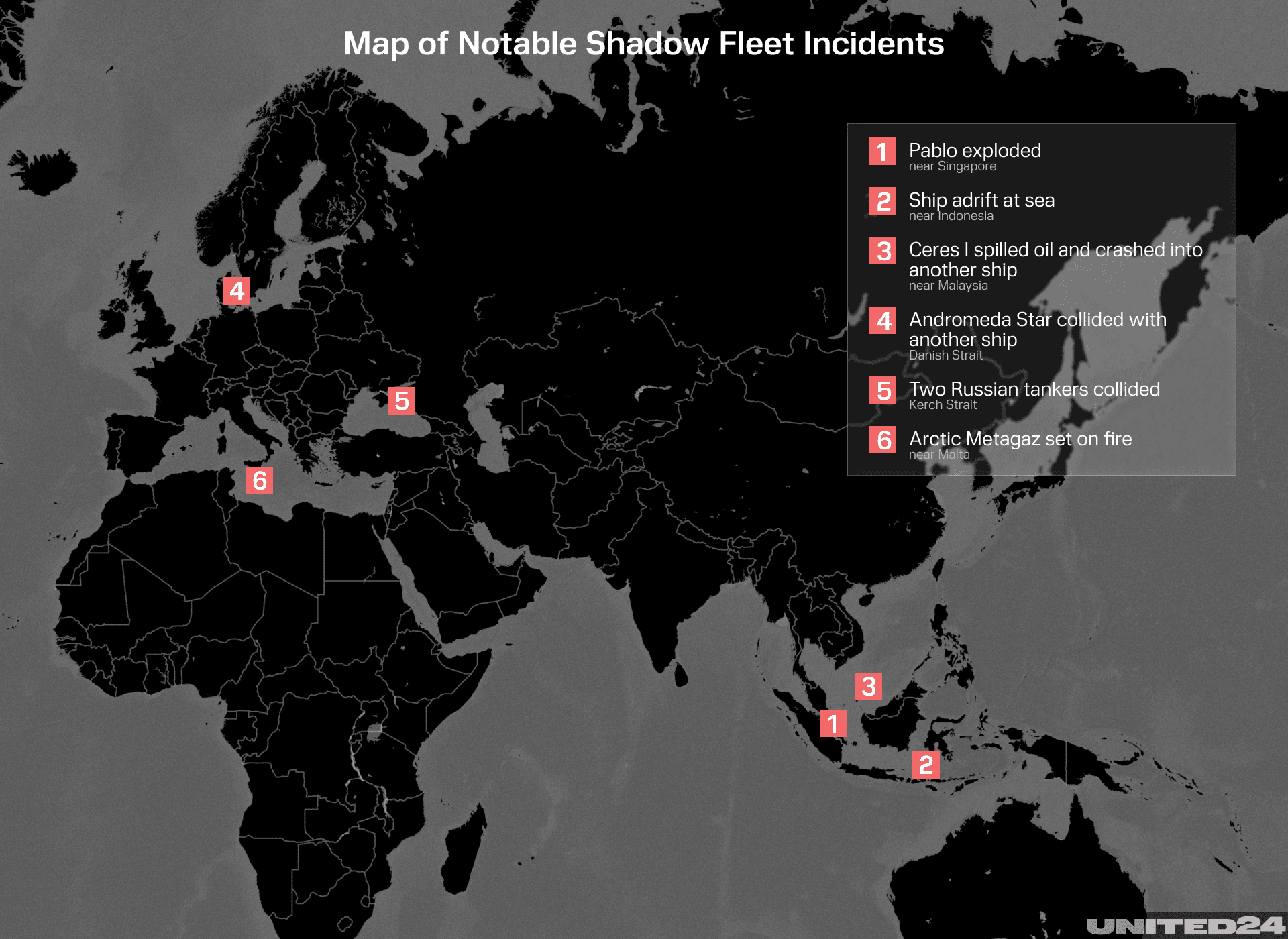
May 1st, 2023, the Pablo exploded near Singapore. In October 2023, a ship flagged under Cameroon but carrying Russian petroleum was adrift at sea near Indonesia. The Ceres I spilled oil and crashed with another ship in Malaysia in 2024, and fled the scene of the collision, likely spilling more oil.
“We believe the captain switched off its AIS and fled the scene,” said the Malaysian Maritime Enforcement Agency (MMEA) Maritime First Admiral Zin Azman Mad Yunus.
Also in 2024, the Russian oil tanker Andromeda Star, which claimed to be registered in Goa, India, collided with another vessel in the Danish Straits. On December 15, 2025, two Russian oil tankers collided, causing a massive oil spill in the Black Sea and causing immense harm to the already suffering ecosystem. There have been many other incidents. By January 2024, it was estimated that 50 incidents involved Shadow Fleet ships by Commercial Allianz. Recently, another LNG tanker was adrift in the Mediterranean.
If these ships continue to operate then we will see more incidents. The use of these ships appears to be growing, with record levels of oil exports through the Baltic Sea, for example 12.7 million tons of crude oil being exported in January, 2026, and nearly half of the tankers used were under sanctions. This raises questions regarding if this can be stopped.
Discuss this article:



-c439b7bd9030ecf9d5a4287dc361ba31.jpg "Photo of Katherina Popilnichenko")

-72b63a4e0c8c475ad81fe3eed3f63729.jpeg "Photo of Cyril Barabaltchouk")