- Category
- World
India Tied to Supply Chains Sending Sanctioned Aircraft Parts to Russia
 Prefer U24 Media on Google
- Authors

-c439b7bd9030ecf9d5a4287dc361ba31.jpg "Photo of Katherina Popilnichenko")
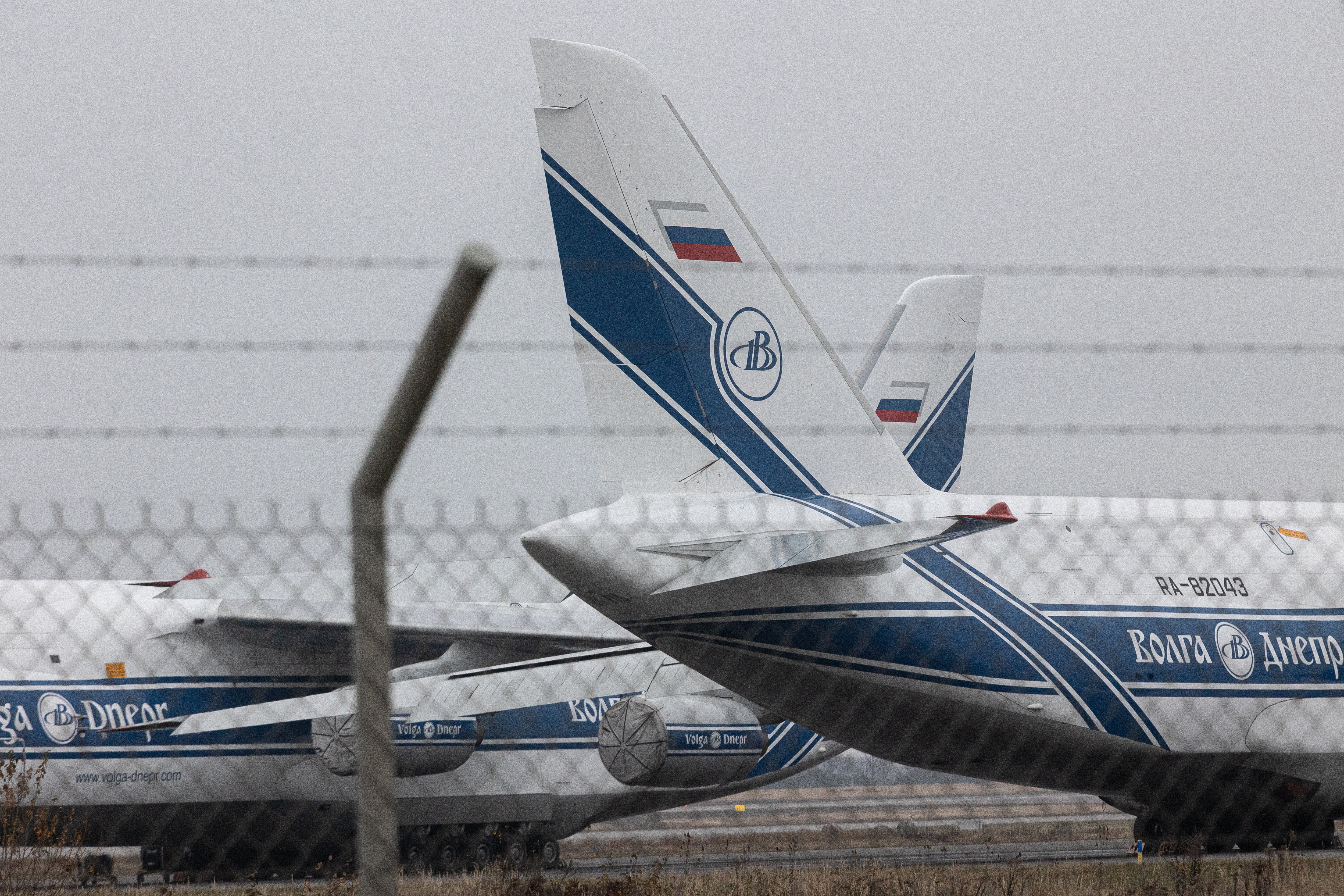
Russia continues to maintain commercial aviation at near pre-war levels through complex international re-export networks supplying restricted Western aircraft components.
Despite extensive international sanctions implemented after Russia’s full-scale invasion of Ukraine, the domestic passenger fleet of 838 planes. These include 460 Airbus and Boeing models, remains active, according to The Moscow Times on May 27.
We bring you stories from the ground. Your support keeps our team in the field.
Data from Big Trade Data reveals that at least 30 companies across China, India, Turkey, the United Arab Emirates, Thailand, Kyrgyzstan, and Kazakhstan exported aviation parts to Russia during the past year. China alone exported aviation components valued at least at $961 million between March 2022 and February 2026, marking a fourfold increase compared to the four years prior to the invasion.
Indian entities have also become central to these trade routes, with companies like the Marine Equipments Centre based in Cochin significantly expanding operations. The firm imported $1.3 million and exported $172,000 in aviation parts during the four years preceding the invasion.
These parts were sold at elevated prices primarily to Aeroflot group companies, with the first shipments delivered to Pobeda Airlines shortly after the implementation of Western transport sanctions.
Despite strict contractual clauses prohibiting re-export to Russia, the Indian supplier transferred the engines to Rossiya Airlines, a subsidiary of Aeroflot, within two months for $23.6 million. In total, the Cochin-based company provided $37 million in components to Aeroflot and its subsidiaries, alongside an additional $4.4 million to other Russian air carriers.
-ea17b6f06c045813c073f13c56fb6041.jpg)
Beyond major propulsion units, the illicit supply chain has brought auxiliary power units, landing gear shock absorbers, multi-functional display blocks, and cabin galley coffee machines into Russia.
These alternative acquisition channels have allowed regular internal and international passenger flight capacities to reach 122 million seats this year, matching the operational levels recorded in 2021.
According to Alexander Lanetsky, director of the Lithuanian consulting company Friendly Avia Support UAB, "All forecasts that Russian aircraft would stop operating within two to three months after the introduction of sanctions were based on an incorrect assessment of the situation."
The only segment of the foreign-built fleet showing a sharp decline is the Airbus A320neo family, where active numbers dropped by approximately three-quarters. This contraction stems from specialized maintenance needs for Pratt and Whitney engines, which require manufacturer servicing that cannot be legally provided to Russian operators.
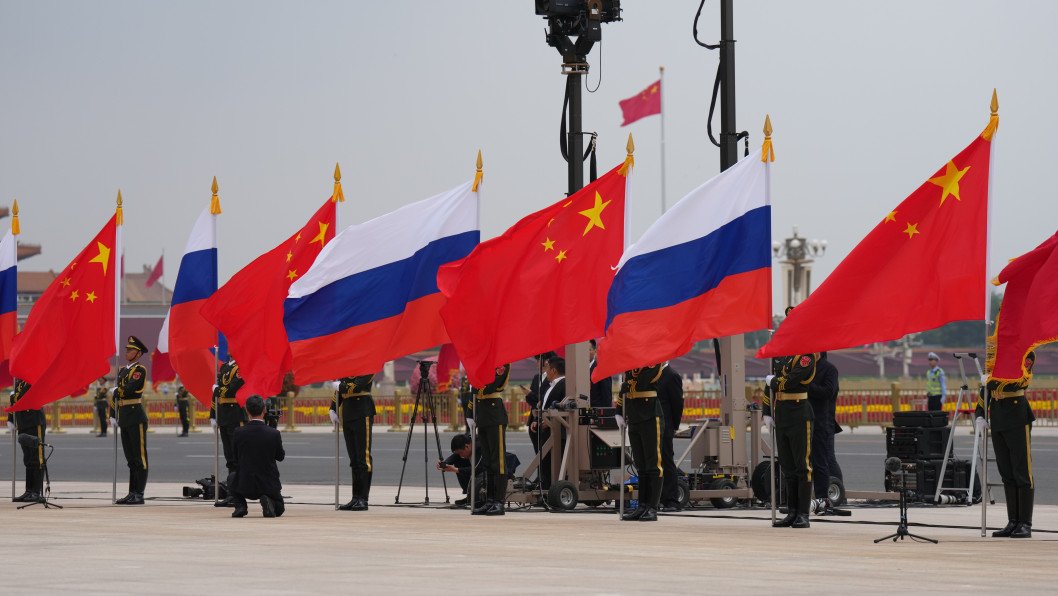
For the broader fleet of standard Boeing and Airbus models, analysts suggest that secondary trade routes remain highly resilient against existing enforcement frameworks. Alexander Burilkov, a specialist on Russia at Leuphana University of Lüneburg, notes that "The main goal is to ensure the longest possible operation of exactly these aircraft models — Boeing and Airbus."
While Moscow increasingly relied on complex Asian re-export channels to keep its foreign-built fleets airborne, its domestic efforts to replace Western aerospace technology faced severe technical setbacks.
In response to international sanctions that forced Russia to replace foreign components with domestic alternatives, the updated version of the MC-21-310 passenger jet gained roughly six tons in weight, while its maximum operational range dropped significantly to around 3,830 kilometers.
This domestic substitution process, which included a shift to the Russian-made PD-14 engine, also resulted in increased fuel consumption and higher overall operating costs for the aircraft, ultimately putting it at a major disadvantage compared to Western competitors like the Airbus A320neo and Boeing 737-800.
Discuss this article:
-9bd5e1532102621f8fb1c4ba871a3171.png)




-72b63a4e0c8c475ad81fe3eed3f63729.jpeg "Photo of Cyril Barabaltchouk")