- Category
- World
Russia Needs China Far More Than China Needs Russia
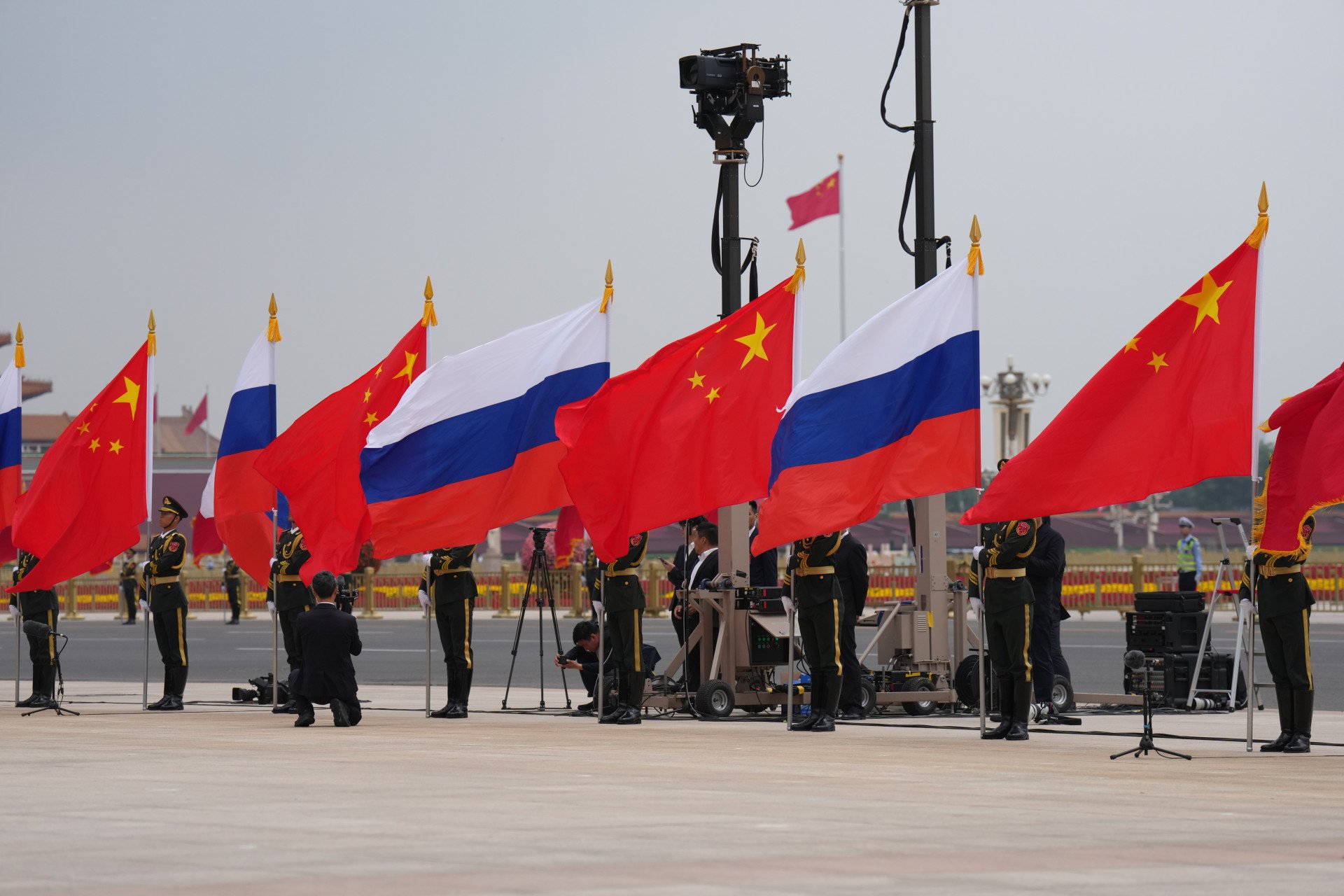
Russia’s partnership with China is often presented as a powerful alliance against the West. Yet, it is an increasingly unequal relationship in which Moscow depends on Beijing for trade, industrial goods, and economic survival while China gains discounted resources and growing leverage.
 Prefer U24 Media on Google
- Authors

-605be766de04ba3d21b67fb76a76786a.jpg "Joseph Place")
After Chinese workers protested over unpaid wages in Russia, Chinese companies being sanctioned by the EU, and Chinese companies expanding into Russian-occupied Ukraine, the reality of the Russia–China economic relationship is harder to ignore. Since launching its full-scale invasion, Russia has become isolated from key trading partners and has depended on China for goods, industrial components, and even labor. They have often aligned; however, the relationship is highly asymmetrical, with China benefiting considerably at low cost, whereas Russia needs China to maintain its economy and global standing.
How Russia depends on China
Prior to 2022, trade between the two countries had been steadily increasing, with trade turnover totalling almost $12 billion in 2002 and rising to $130.1 billion in 2021. However, China was not yet Russia’s dominant economic partner, as Moscow still maintained broad trade ties with Europe and other markets.
Chinese investment in Russia has decreased since Russia launched its full-scale war in Ukraine, though it was already at lower levels. One UN report showed that Russia’s share of China’s cumulative foreign direct investment fell from roughly 1% between 2015 and 2020 to just 0.3% between 2021 and 2023. This matches a general loss of foreign investment in Russia over time, now hitting 2001 levels. A big part of this is because, as stated by the Bank of Finland, “Chinese investors remain wary of the risks related to the Russian markets due to sanctions and Russia’s policies.”
Trade, however, has increased since 2022. Russia mostly exports fossil fuels, metals, and ores, and imports equipment, machinery, vehicles, and electronics. The rise correlates with Russia's loss of access to Western markets due to sanctions.
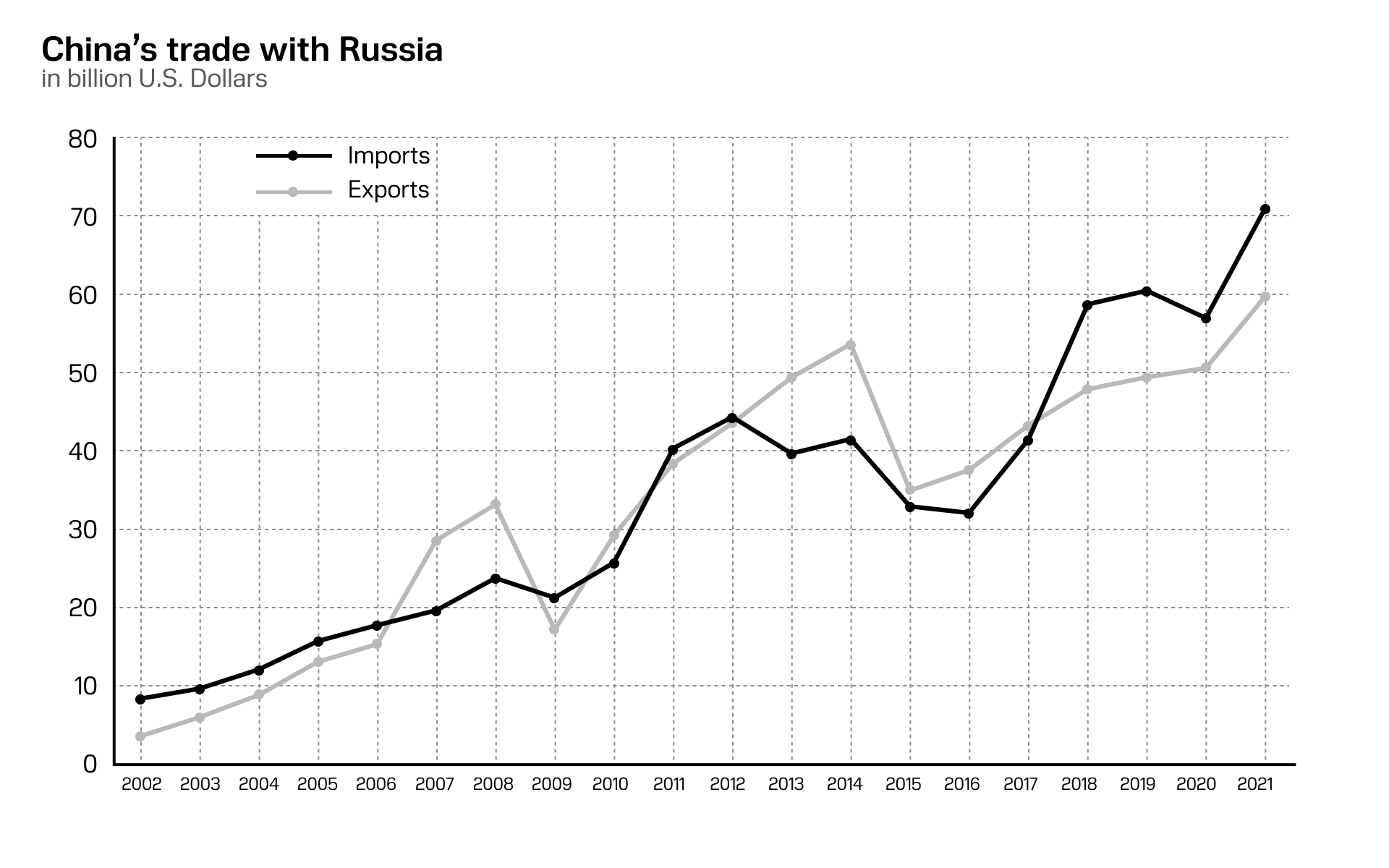
China tends to import more from Russia, despite the reliance on Chinese goods. China’s share of Russian exports doubled from around 15% in 2021 to 30% in 2024, reflecting the change in trade relations. However, the relationship us not reciprocal. The Carnegie Russia Eurasia Center notes Russia accounted for just 3.9% of China’s total trade turnover in 2023, with Russian goods making up 5.1% of China’s imports and Russia taking 3.3% of Chinese exports. The Vienna Institute for International Economic Studies similarly says Russia accounted for only around 4% of China’s foreign trade in 2024. The imports, however, dropped off in 2025.
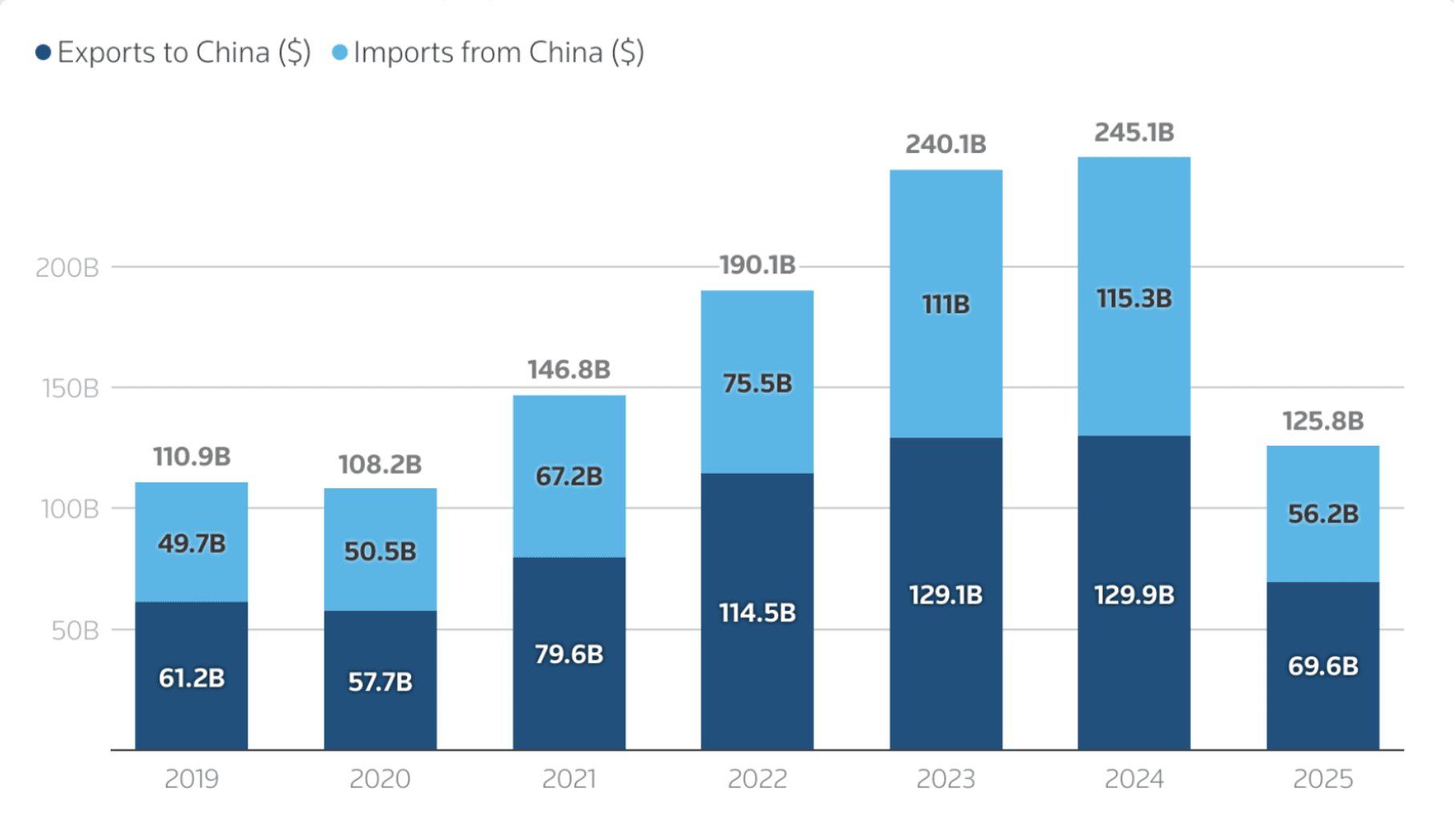
Overall, Russia's imports from China increased massively, and it has become dependent on it for trade, though China also imports more from Russia than vice versa. However, its role in the Chinese economy has barely changed. This puts Russia in an economically asymmetrical position of dependence on China, as noted by the European Union Institute for Security Studies.
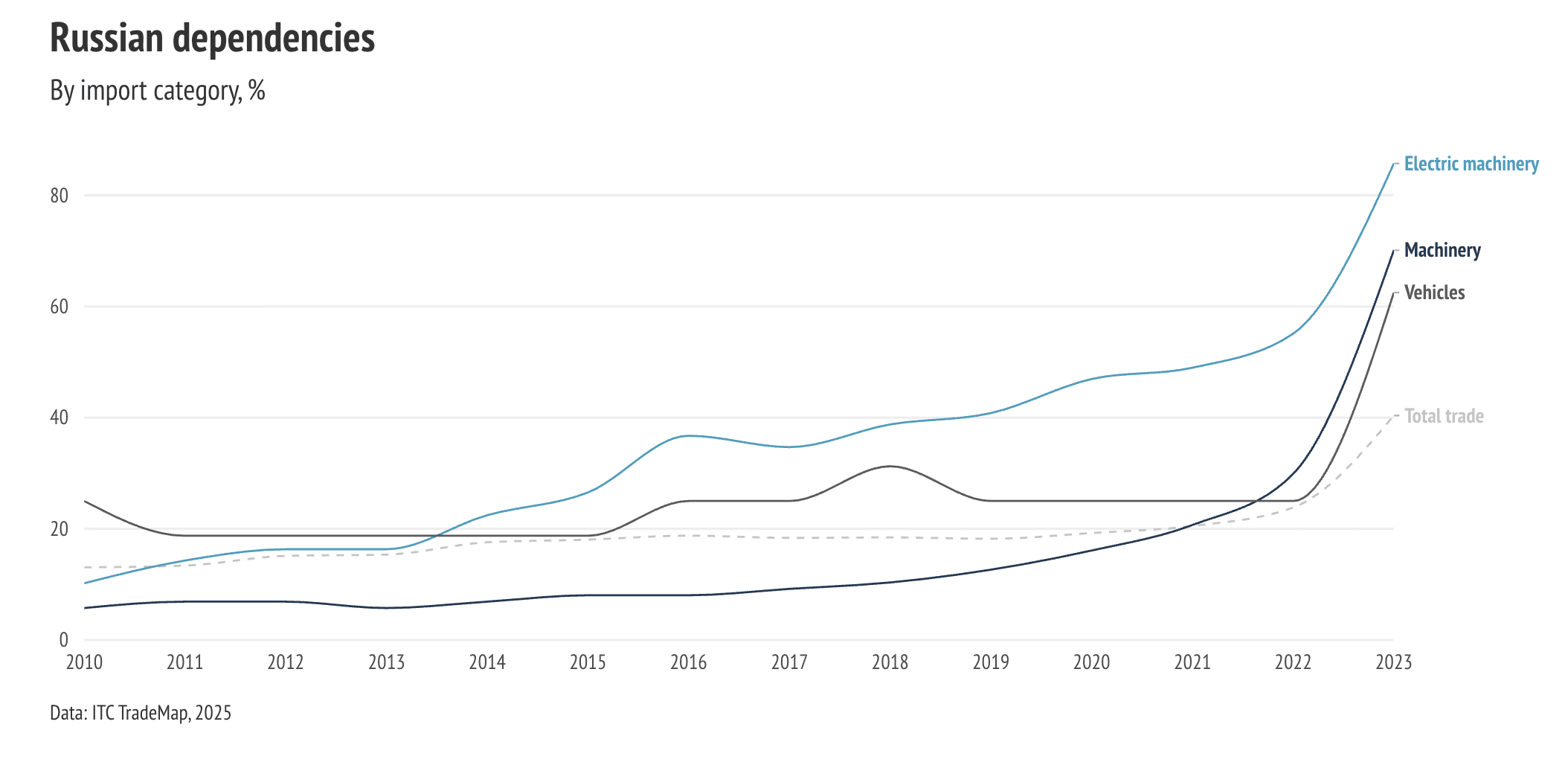
China imports a significant amount from Russia. However, China can find goods elsewhere if necessary and do not rely on Russia, whereas Russia cannot source goods outside of China due to sanctions. China imports a lot from Russia because they can take advantage of Russia’s precarious economic situation and loss of partners.
What does China gain?
China benefits significantly from this relationship. In 2024, around 20% of its oil imports came from Russia. Russia’s prices are favorable to China, as Russia has fewer markets to expand to, meaning it dominates its export market. By making Russia dependent on China, Beijing gains significant leverage over Moscow, growing soft power, and a closely intertwined ally against “the West”.
Another key benefit for China is related to currency. Russia has often switched to using the Chinese Yuan for foreign trade, bolstering Chinese currency and cementing its role as a global finance hub. Ultimately, China has cornered Russian markets, acquired resources, strengthened its currency, and left Russia dependent on it.
China can also use its influence for greater geopolitical alignment. While it may be assumed they are ideological allies, it is not always the case. While Russia and China often align on UN votes, they have had sharp disagreements as noted by CEPA, for example, over a proposed reform that China supported called Pact for the Future, a reform initiative adopted by UNGA in September 2024, Russia opposed because it was seen as an imposition of the “collective west”. Russia and China also disagreed on Brazil and India’s permanent membership in the UNC.
“Both Beijing and Moscow lack a coherent, operational vision for an ‘ideal’ world order,” says Alexander Gabuev from the Carnegie Center. “Putin’s attempt to frame his invasion of Ukraine as a rebellion against US hegemonism and ‘neocolonial practices’ rings hollow, given his blatant disregard for Ukraine’s sovereignty and international law. This rhetoric, meant to rally a ‘multipolar world,’ is unconvincing even to the Global South.”
Furthermore, Putin and Xi issued a joint statement in 2023, which claimed that “the two countries transcend such a model of state-to-state relations, adopting an approach of no-alliance, no-confrontation and not targeting any third party.” This shows the limits of their cooperation.
Meaning, while they have an intertwined relationship and both sometimes align against the USA’s hegemony, they are not ideologically motivated and are not even fully aligned. With China being a major partner, it can pressure for further alignment, even if not born out of ideological desire, rather than opposition to the current world order.
Can the countries be separated?
For some in the US, especially, the idea is that these countries can be cut off from each other. However, they are both deeply intertwined, and conceding to Russia to cut this alliance cannot work, even if the relationship is deeply unequal. In fact, China benefits from the dependence, and Russia cannot function without it. However, as evidenced by the low level of investment, we can see that China is cautious, and further economic instability within Russia and a weaker Russia militarily would give Beijing pause for thought.
Russia has ended up with a surplus of goods, and China has stepped in to absorb them. In return, however, China demands significant discounts, turning this into a powerful boost for its own economic growth.
For Russia, this has become a medium-term lifeline for its trade balance. The resulting surplus allows the Kremlin to sustain the war effort and retain room for maneuver in both fiscal and monetary policy.
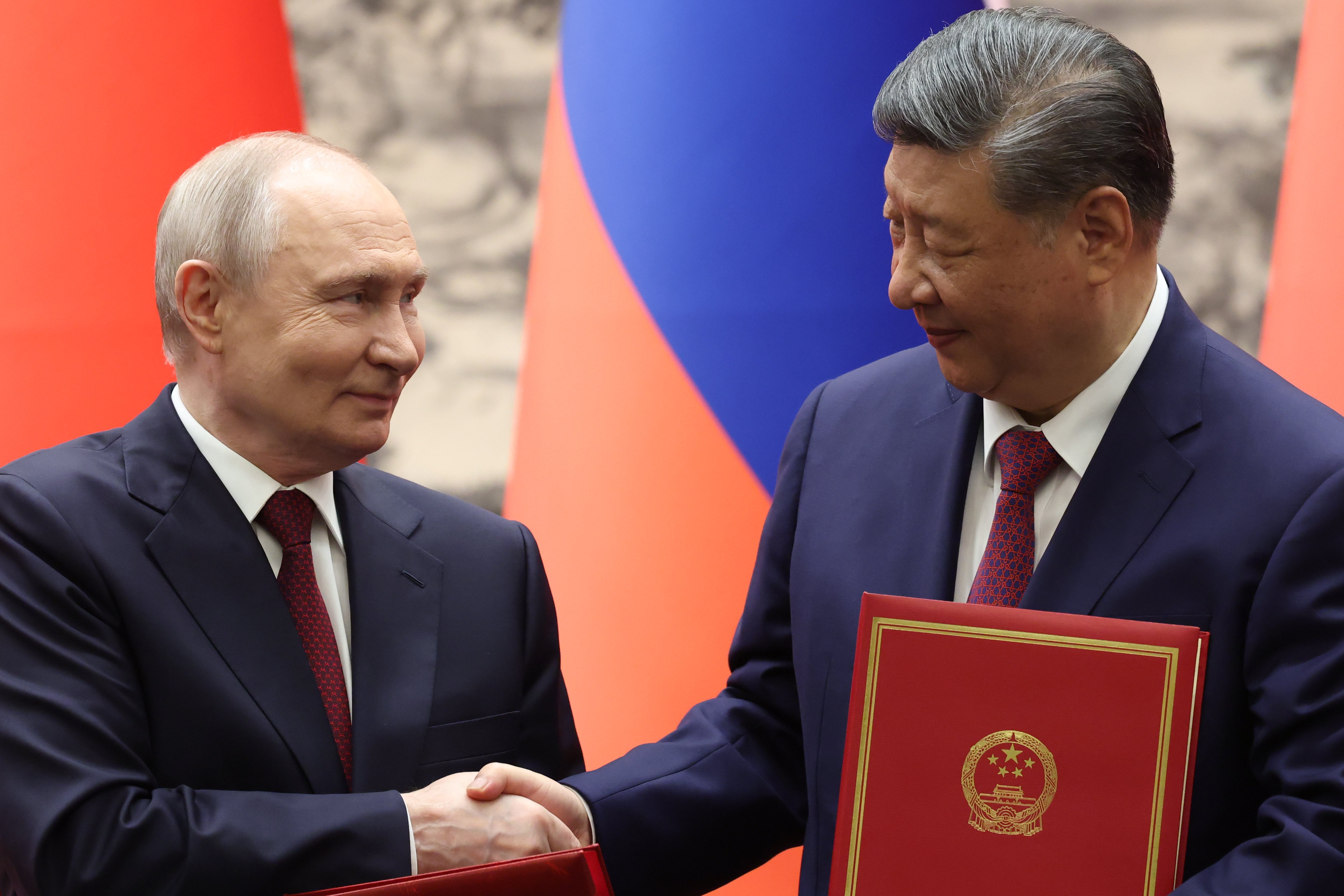
At the same time, the reality of this so-called “friendship” is clearly visible in the ongoing failure to advance new pipeline projects from Russia to China for additional gas exports. China’s unwillingness to purchase more resources at market prices makes such projects economically unviable. Beijing is only interested in discounted supply pricing that allows it to extract value, either directly or by boosting its domestic industries.
As stated by the German Institute for International and Security Affairs (SWP), “For China, Russia is interesting as an export destination and as a source of natural resources, rather than as an intermediate link in Chinese value chains. For Russia, this means that it could be degraded to a supplier of resources and a buyer of Chinese finished goods, which means less value added in Russia. The result would be lower living standards for Russians and less industrial potential in the future. This kind of cooperation with China would make Russia more like a real petro-state, while Russian manufacturing would be eroded.”
For Russia, this is a pathway to deeper economic decline. Its economy is already operating close to the threshold of profitability, and further concessions only worsen its structural position.
Under these conditions, China has an interest in keeping Putin in power and Russia afloat, but it is doing so only when it benefits itself, and may continue to extract more and more. A meaningful way to disrupt this dynamic would be the expansion of secondary sanctions—measures that would strip China of the economic benefits it derives from Russia, a country that, in a state of war, cannot be treated as a normal or legitimate partner in the global system.
As the European Union Institute for Security Studies says, “China has a strong geopolitical and ideological interest in supporting Russia. But increasing the price for Beijing could make it reduce its support.”
Discuss this article:
-9bd5e1532102621f8fb1c4ba871a3171.png)


-c439b7bd9030ecf9d5a4287dc361ba31.jpg "Photo of Katherina Popilnichenko")