- Category
- World
Russia Seeks Chinese Funding for $40 Billion Corridor to Persian Gulf
 Prefer U24 Media on Google
- Authors

-c439b7bd9030ecf9d5a4287dc361ba31.jpg "Photo of Katherina Popilnichenko")
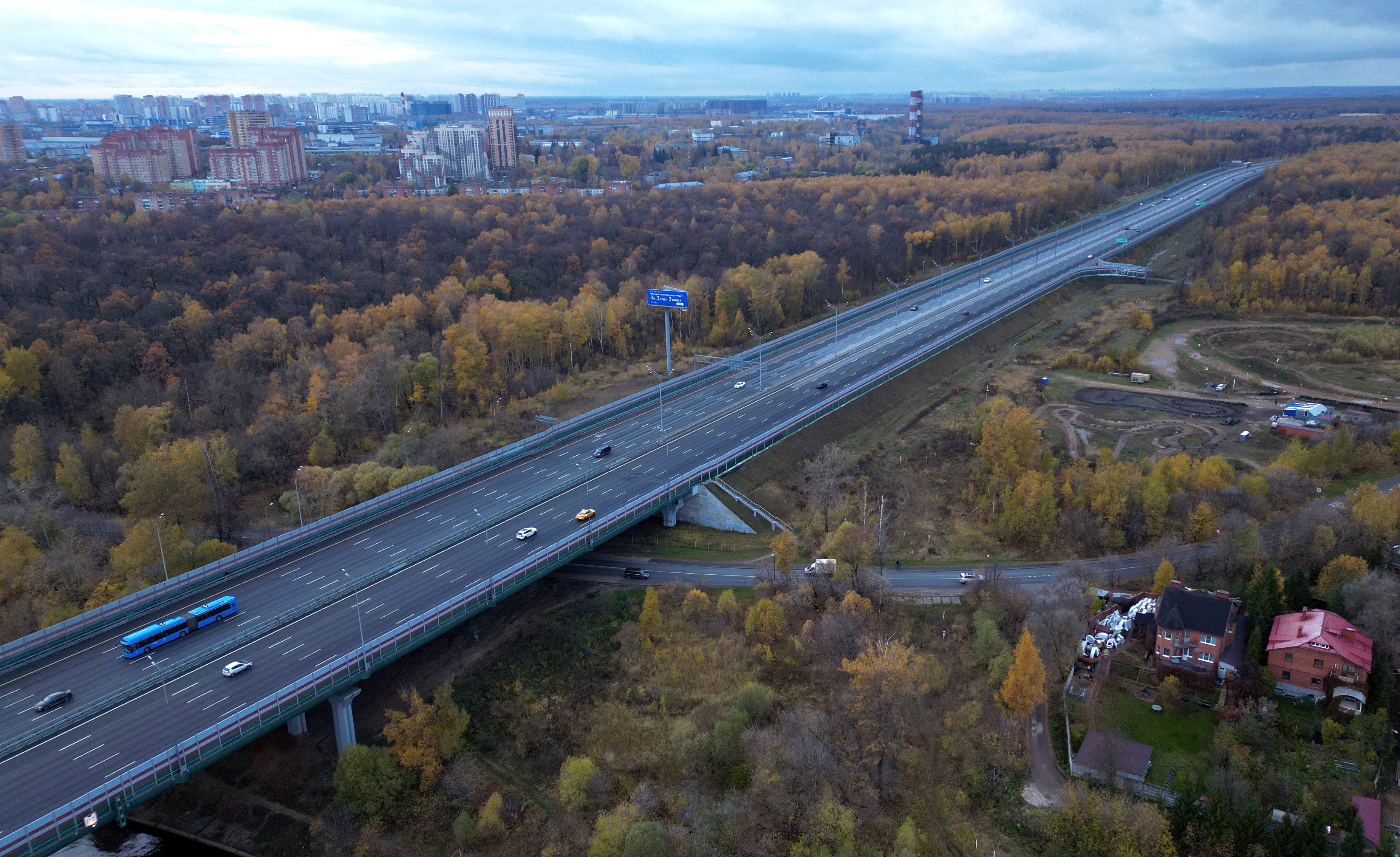
Russia is seeking financial backing and technologies from China to construct a highway along the Caspian Sea toward Iran and Southern Asia.
Speaking at the Kazan Economic Forum, Russian Deputy Prime Minister Marat Khusnullin stated that Moscow discussed potential Chinese participation in building the infrastructure. He added that they also explored the possibility of attracting Chinese funds, according to The Moscow Times on May 19.
We bring you stories from the ground. Your support keeps our team in the field.
The project is part of the development of the eastern branch of the North-South International Transport Corridor, a 40-billion-dollar initiative that Russia has discussed for more than 20 years. The planned route will utilize the 1,381-kilometer M6 Caspian federal highway connecting Moscow to Astrakhan, before extending through Kazakhstan and Turkmenistan toward Iranian ports and land routes into Afghanistan and Pakistan.
Moscow plans to draw Chinese state bank capital and resources from the Asian Infrastructure Investment Bank for specific highway sections, bridges, and connection hubs. This comes as Beijing already actively invests in transport projects across Kazakhstan, Uzbekistan, and Turkmenistan through its Belt and Road Initiative.
Facing domestic resource shortages, Russia is attempting to integrate its own routes into international networks to secure external financing amid a major logistical overhaul driven by sanctions and Russia’s full-scale invasion of Ukraine.
The geopolitical shift has forced Russia to redirect its trade from European markets. Prior to 2022, about 40% of Russian export cargo passed through Western nations, but that share dropped to between 20% and 25% by 2024. Concurrently, transport volumes moving through Iran and Central Asia more than doubled.
Russian authorities aim to increase the share of freight moving through friendly countries to 80%. The new Caspian route is designed to support this pivot, with estimates suggesting it will cut cargo delivery times from Moscow to Iran by 15% to 20% compared to existing multi-modal paths.
The original intergovernmental agreement for the North-South corridor was signed by Russia, India, and Iran in 2000, eventually expanding to 14 member states with the initial goal of routing transit goods from the Persian Gulf and South Asia through Russian territory into Europe.
However, Russia’s reliance on these regional networks faces increasing pressure as neighboring countries tighten controls to avoid international complications. On May 19, 2026, Kyrgyzstan suspended the operations of 50 companies accused of conducting transactions tied to sanctions-related risks involving Russia, marking the first known case of its kind in the country. This unprecedented move comes as Moscow heavily relies on creating new, sanction-proof trade routes through Central Asia and Iran to bypass international trade restrictions.
According to Kyrgyz media, the decision was issued as part of a new interagency mechanism aimed at identifying entities involved in high-risk foreign trade activities linked to sanctions circumvention. Authorities introduced these measures to protect the domestic economy from the risk of secondary sanctions and approved several control mechanisms to prevent further violations.
Discuss this article:
-9a7b3a98ed5c506e0b77a6663f5727c5.png)




-111f0e5095e02c02446ffed57bfb0ab1.jpeg "Photo of Roman Kohanets")