- Category
- War in Ukraine
Russian Lines Near Pokrovsk Hit by Ukrainian Counterattack, Forces Push 3 km Deep
 Prefer U24 Media on Google
- Authors


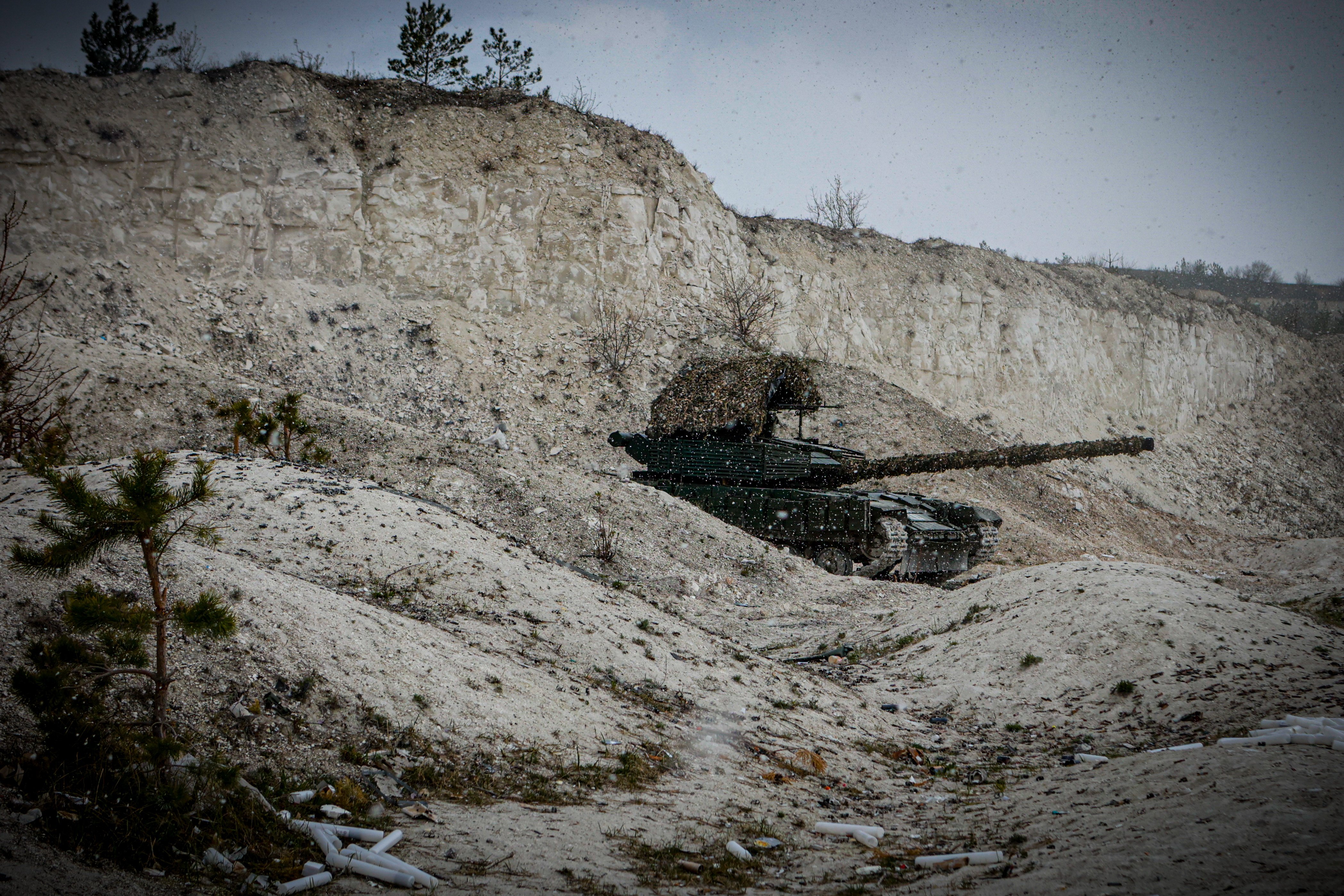
Ukrainian Defense Forces have reportedly pushed up to three kilometers into Russian defensive lines near Pokrovsk in the Donetsk region, where Moscow continues to concentrate major reserves in an effort to break through Ukrainian positions, according to Serhii Bratchuk, spokesperson for the Ukrainian Volunteer Army “South,” FREEДOM reported on May 19.
Bratchuk said that Ukrainian troops had carried out successful counterattacks in the Pokrovsk area, calling them more than ordinary tactical actions.
We bring you stories from the ground. Your support keeps our team in the field.
“If we are talking about Pokrovsk, I cannot name the exact location for obvious reasons, but here the Defense Forces managed to carry out not just tactical counterattacks—they can be called breakthrough actions,” Bratchuk said.
“In some locations, our forces managed to wedge themselves three kilometers into the depth of the Russian occupiers’ defense. And the operation continues.”
According to Bratchuk, the Donetsk front remains Russia’s main strategic priority. Russian forces are continuing to throw significant reserves into the area as they attempt to expand their zone of control and reach the administrative borders of the Donetsk region.
💥 «Raid» struck an enemy CP in Pokrovsk!
— RAID | 413 Regiment USF (@Raid_413) May 19, 2026
Operators of the 413th USF «Raid» Regiment detected and struck the command post of the 9th Separate Motorized Rifle Brigade (SMRB), which is part of the 51st Army of the Russian Federation in temporarily occupied Pokrovsk.
It is worth… pic.twitter.com/aNtI3canI2
However, he said Ukrainian forces are holding their positions while conducting counterattacks in several sectors. In addition to Pokrovsk, Ukrainian troops are reportedly active near Kostiantynivka, Lyman, and Myrnohrad.
Bratchuk also said Russian forces are facing serious problems on the Oleksandrivka and Huliaipole axes as a result of Ukrainian counterattacks.
Near Pokrovsk, he noted, drone warfare is playing a major role, with “small air” operating intensely over the battlefield. Russian troops are reportedly trying to attack Hryshyne and Rodynske, while also pushing toward Kostiantynivka.
“They have a manic desire to break into Kostiantynivka and secure themselves in administrative buildings in order to conduct urban battles, pull up their forces, create footholds, and continue advancing along the broad Donetsk front,” Bratchuk said.
He added that Ukrainian forces are regularly striking Russian logistics hubs and supply routes in the Pokrovsk sector, including targets deep inside temporarily occupied territory.
“There were strikes deep into temporarily occupied territory, against what is connected to enemy logistics. And this affects the intensity of combat operations and Russian capabilities to continue the aggressive war,” Bratchuk said.
According to him, Russia is unlikely to reduce its activity along the front in the near future. However, mounting losses are creating additional pressure on Moscow’s ability to sustain offensive operations.
“Daily enemy losses are steadily reaching around a thousand killed and wounded. These are heavy losses for the Russians,” he said. “They are forced to use strategic reserves for other purposes—to plug their own gaps instead of trying to break through to us.”
Earlier, Ukraine’s military intelligence special forces said they are continuing to clear the city of Stepnohirsk on the Zaporizhzhia front after a series of coordinated assault operations pushed Russian troops out of fortified positions and brought key locations under Ukrainian control.
Discuss this article:

-f1e0a0eb8dc4159d1ee6f9483ef88571.jpg "Malambahe Sabtar Sabanal, a Philippine national identified by Ukrainian military intelligence as a Russian military recruit who was killed during assault operations in the Donetsk region. (Source: HUR)")

-72b63a4e0c8c475ad81fe3eed3f63729.jpeg "Photo of Cyril Barabaltchouk")
-6b3c58bbcf8c8f2f38775f349181b1ab.jpg "Recruits, supervised by instructors, cover a distance on Day Zero of Basic Military Training at the 118th Separate Mechanised Brigade of the Ukrainian Armed Forces on April 5, 2026. (Source: Getty Images)")