- Category
- War in Ukraine
For the First Time in Years, Ukraine Appears to Have the Battlefield Advantage, The Economist Reports
 Prefer U24 Media on Google
- Authors


For the first time in nearly three years of full-scale war, the battlefield initiative appears to be shifting in Ukraine’s favor, according to an analysis published by The Economist on May 10.
After surviving months of relentless Russian missile and drone attacks on its cities and energy infrastructure, Ukraine is now increasingly imposing costs on Russia across multiple fronts—from battlefield attrition to deep strikes hundreds and even thousands of kilometers behind the front line.
We bring you stories from the ground. Your support keeps our team in the field.
“Overall, it feels like an inflection point in the war,” Sir Lawrence Freedman, emeritus professor of war studies at King’s College London, told The Economist. “If the Russians have nothing to show for their efforts, I would not be surprised if in some places things start crumbling.”
According to the publication, Russia’s anticipated spring offensive has largely failed to deliver results. In April, Russian forces reportedly suffered a net territorial loss for the first time since August 2024, when Ukrainian forces launched operations into Russia’s Kursk region.
Using battlefield maps from the Institute for the Study of War, the magazine estimated that Russian forces lost control of approximately 113 square kilometers over the past month.
Putin’s language for top Ukrainian officials shifts over four years of Russia’s invasion. pic.twitter.com/vraHymn798
— UNITED24 Media (@United24media) May 11, 2026
The report attributes Ukraine’s improving position to several factors, including localized counterattacks, intensified medium-range drone strikes, the disruption of Russia’s illegal use of Starlink terminals in occupied territories, and growing internal communication problems caused by Kremlin restrictions on Telegram inside Russia.
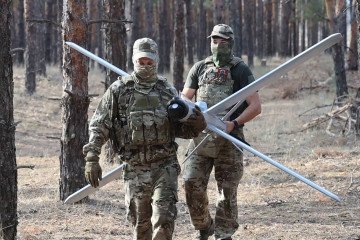
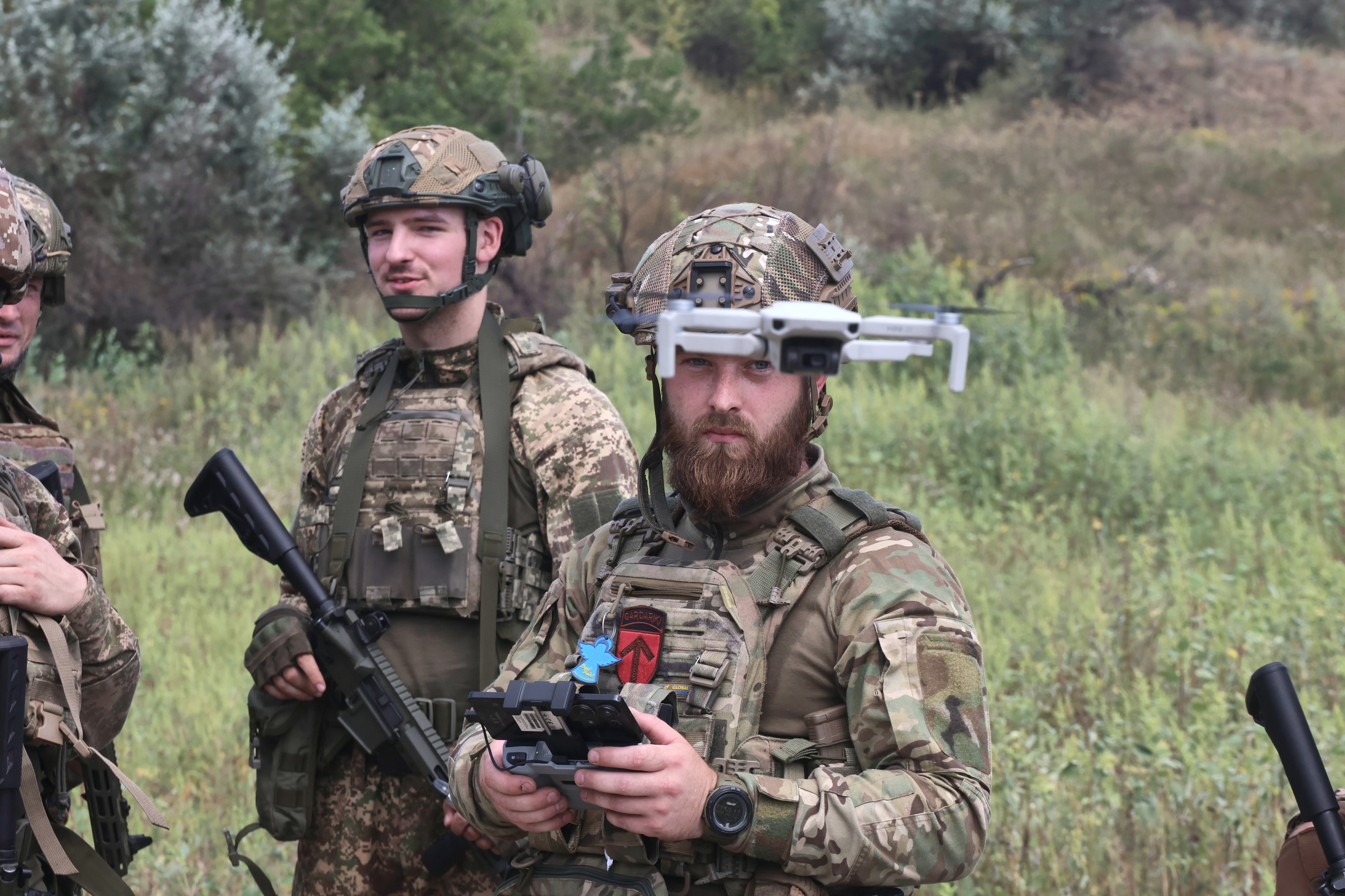
One of the most significant shifts described in the analysis is the rapidly expanding role of drones. Ukrainian FPV and autonomous strike drones are now inflicting enormous pressure on Russian frontline logistics and troop movements, The Economist wrote.
-a0b35bfcbe089eb7ede164b42f6aba00.png)
Russian military losses are estimated at roughly 35,000 soldiers killed or seriously wounded per month—a pace that reportedly exceeds Russia’s current recruitment capacity. Analysts cited in the report suggest casualty ratios have also worsened dramatically for Russian troops because drones now account for up to 80% of battlefield casualties.
“The attacks have caused psychological damage to Russia,” said Seth Jones, senior military analyst at the Center for Strategic and International Studies in Washington.
Russian troops have reportedly complained about Ukrainian AI-assisted drones capable of autonomously identifying targets and operating through heavy electronic warfare environments using fiber-optic guidance systems that are resistant to jamming.
-d4067c1369d38b63e0836a661d1d1f34.jpg)
According to the report, Russia’s own drone specialists have acknowledged that Ukraine has gained an edge in this sector over the past six months. Russian military logistics near the front have become increasingly vulnerable, with convoy movements heavily restricted in some sectors due to constant drone threats.
The so-called drone “kill zone” between the two armies is also expanding deeper into Russian-controlled territory, complicating troop rotations, supply routes, and evacuation operations.
At the same time, Ukraine has significantly expanded its long-range strike campaign against targets deep inside Russia. In March, Ukraine reportedly launched more long-range drone attacks than Russia for the first time since the start of the war.
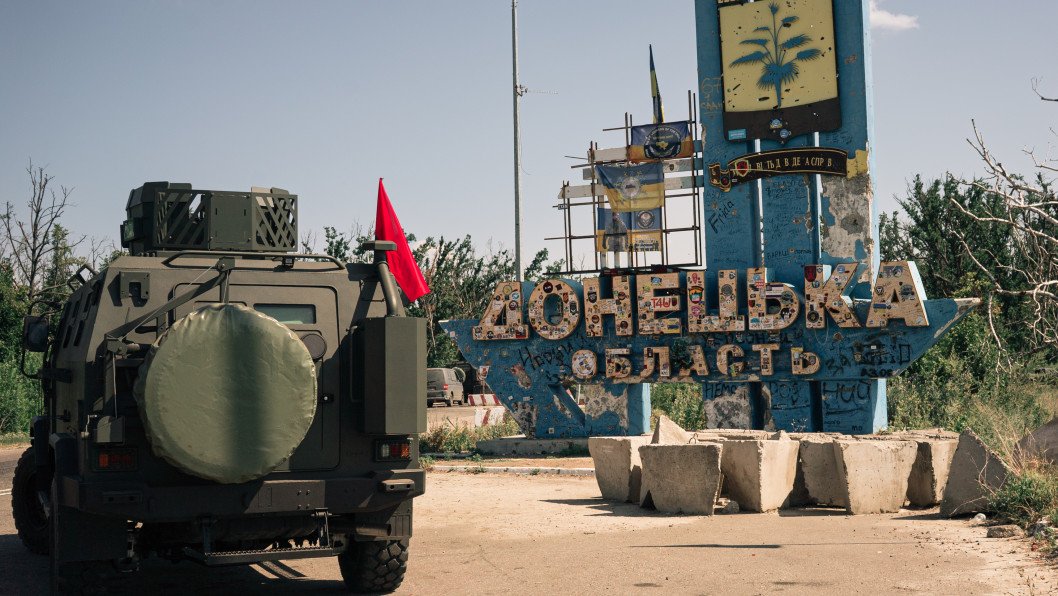
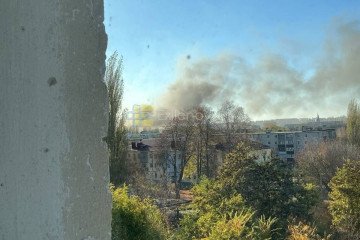
Military facilities, ammunition depots, fuel infrastructure, command centers, air defense systems, and drone storage sites located nearly 2,000 kilometers from Ukraine’s border are now regularly being targeted.
Earlier, reports emerged that Russia’s confirmed military losses in Ukraine exceeded 350,000 dead since the start of the full-scale invasion, according to a joint investigation published by Meduza, Mediazona, and the BBC News Russian Service.
Discuss this article: