- Category
- Anti-Fake
Why Russia Can’t Launch Offensives in Kherson’s Dnipro Delta
 Prefer U24 Media on Google
- Authors


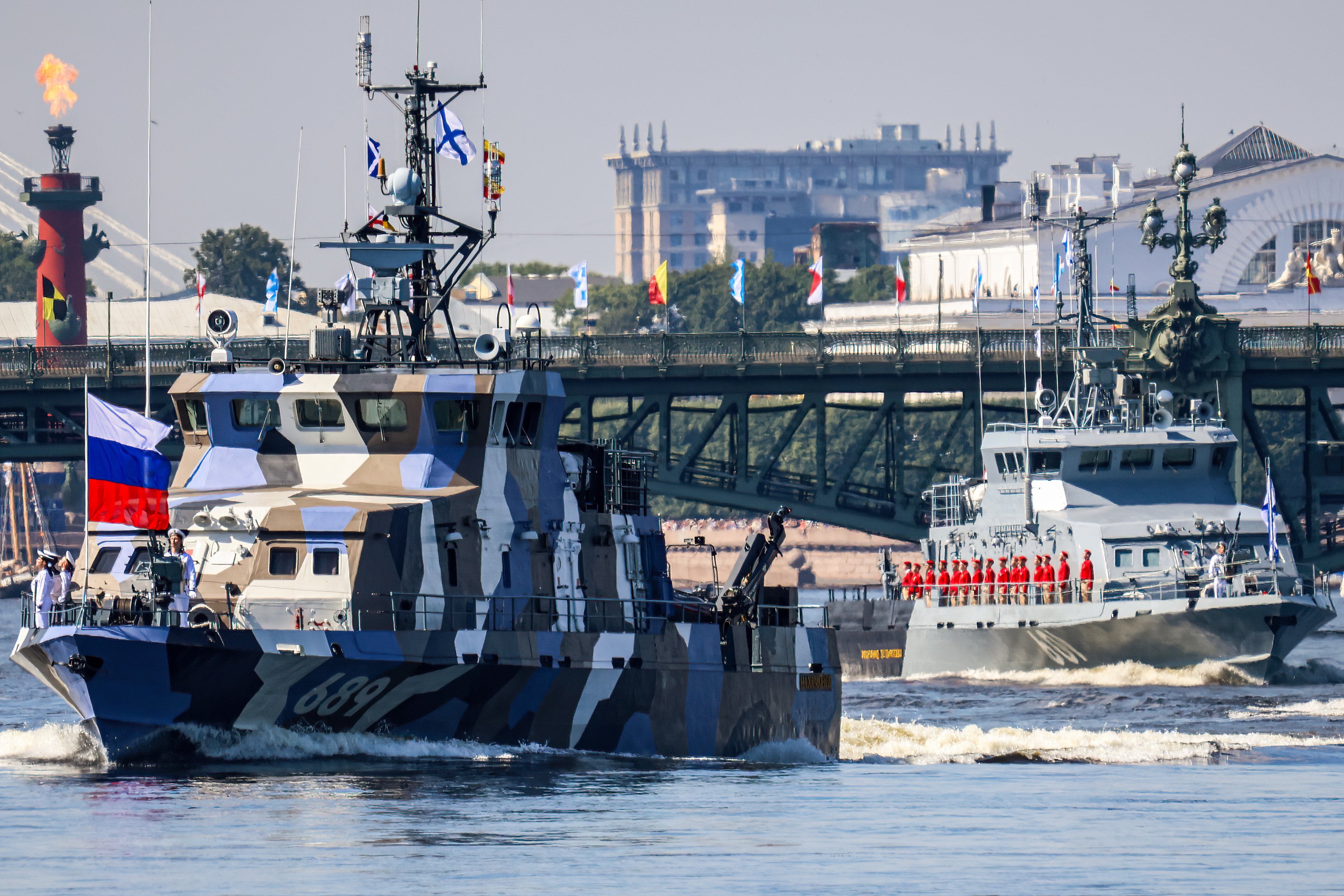
Russian forces are unable to conduct offensive operations in the Dnipro River delta in Ukraine’s Kherson region due to a critical shortage of boats, according to the ATESH partisan movement on May 1.
Citing information from an agent embedded within units of Russia’s 70th Motor Rifle Division of the 18th Combined Arms Army, ATESH reported a growing crisis in available watercraft.
We bring you stories from the ground. Your support keeps our team in the field.
According to the source, fast boats in the islands of the Dnipro delta near Kherson have been largely destroyed, primarily by Ukrainian drone strikes, with no replacements arriving.
“The command pretends everything is under control. In reality, there are almost no boats left, and every trip onto the water is now a lottery,” the source said.
ATESH said the situation has left Russian units effectively isolated on the islands, making the transfer of personnel and ammunition across waterways increasingly dangerous.
“Rotation is stalling, supplies are failing. Those stuck in positions wait for weeks to be replaced. Some of the remaining boats are breaking down for reasons the command prefers not to publicize—they are blamed on wear and poor maintenance,” the group said.
The shortages appear to extend beyond the Dnipro delta, with similar issues reported in other sectors. Russian forces on the Pokrovsk front are also facing a severe lack of equipment, as reported by ATESH.
According to agents within the 1442nd Motor Rifle Brigade, the situation has deteriorated to the point where commanders are instructing troops to seize vehicles from civilians, disrupting logistics and contributing to higher battlefield losses.
The deficit affects not only armored vehicles and trucks but also basic transport such as motorcycles, which are commonly used to move personnel and supplies. Reduced mobility has reportedly led to increased looting within the ranks. One ATESH source said a motorcycle was taken from a wounded soldier, leaving him without help.
ATESH said these developments point to deeper, systemic problems in the Russian military’s supply chains.
Additionally, Russian forces on the Pokrovsk axis are reportedly reorganizing by dismantling evacuation units to form additional assault groups, leaving wounded soldiers without adequate transport or prompt medical care, the partisan movement stated.
According to ATESH, which conducts intelligence and sabotage operations in occupied territories, its sources within Russia’s 74th Separate Motorized Rifle Brigade said the move is driven by a shortage of personnel, prompting commanders to repurpose evacuation teams into frontline assault units.
Discuss this article:
-4a56a6b482ec132402c16ef6fcabf9a2.png)


-72b63a4e0c8c475ad81fe3eed3f63729.jpeg "Photo of Cyril Barabaltchouk")