- Category
- Latest news
Russia Struggles With Anti-Aircraft Missile Shortage Amid Escalating Military Operations
 Prefer U24 Media on Google
- Authors


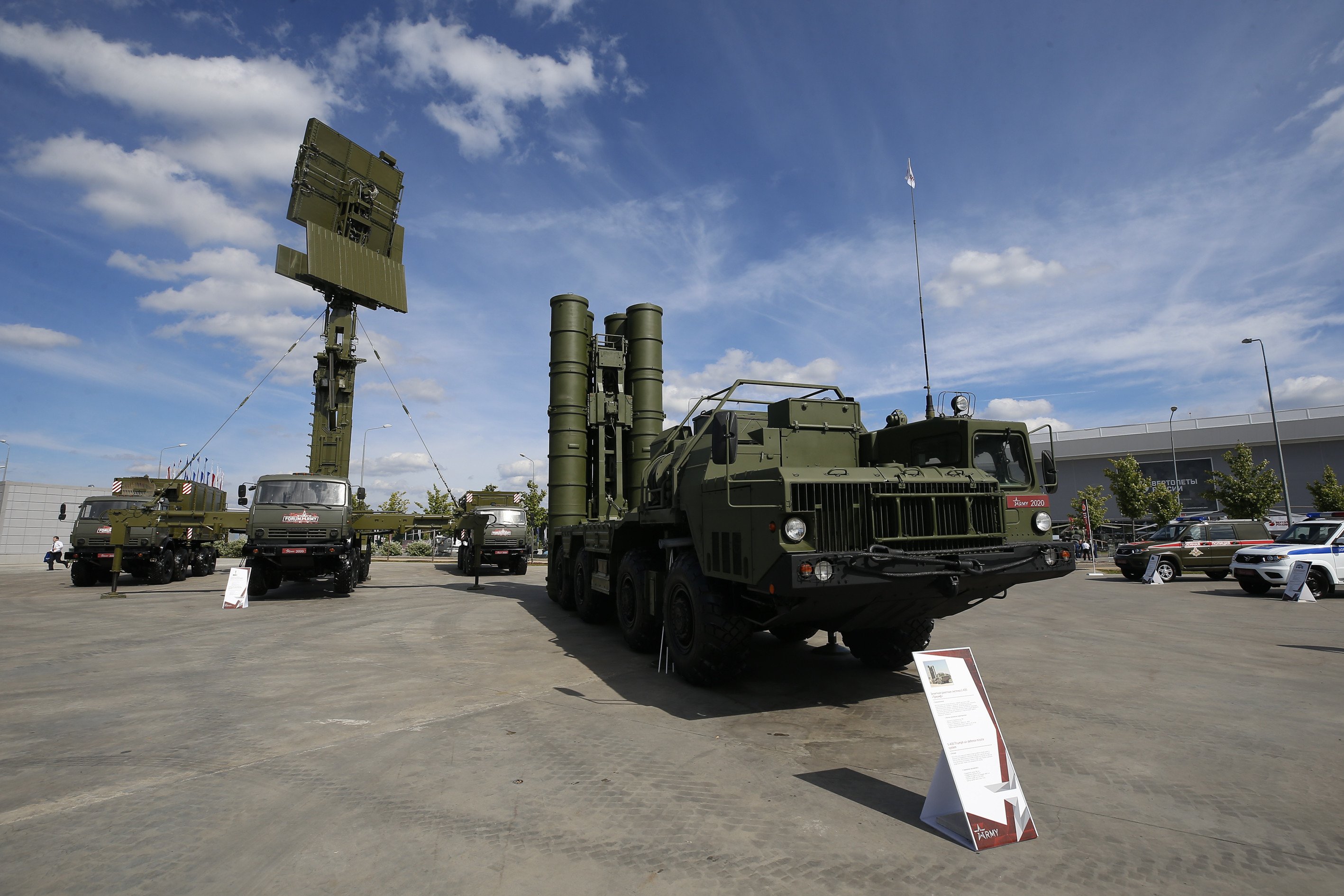
Russia is facing significant challenges in its military operations as it is expending anti-aircraft missiles faster than it can produce them, according to Gert Kayu, Head of the Defense Readiness Department at Ukraine’s Ministry of Defense on March 13, as reported by ERR.
As a result, Russian forces are being forced to make difficult choices about which strategic targets to defend.
We bring you stories from the ground. Your support keeps our team in the field.
“Spring is approaching, the trees still have no leaves, and the ground is soft, which significantly complicates concealment and movement across the terrain. This, in turn, has further increased the combat effectiveness of drones,” Kayu said.
The heaviest fighting continues in the areas around Pokrovsk and Konstantynivka in Donetsk region, as well as the Khudjaipol direction in Zaporizhzhia region. While there have been no significant changes along the front line, Russian forces have made some limited gains in these areas, and Ukrainian forces have counterattacked successfully.
“Given the positional nature of this war, different sides may find success on certain fronts or in grey zones, but these successes are generally limited and do not result in significant shifts in the overall picture,” Kayu explained.

In addition to ground combat, both sides have engaged in intensive long-range precision strikes. Last week, Russia launched more than 1,300 drones and about 30 missiles at Ukraine, a slight increase from the previous week’s numbers of 1,200 drones and 40 missiles, according to ERR.
Kayu pointed out that the most powerful airstrike of the week occurred on March 7, when Russia launched nearly 500 drones and 30 missiles. Targets included civilian, energy, port, and transportation infrastructure across more than 10 Ukrainian regions. In Kyiv, nearly 1,900 buildings were left without heating, and extensive repairs are underway.
“Ukraine is working intensively to address the aftermath of these attacks. One key lesson we have learned is that it is impossible to protect central production facilities 100 percent, so they must be dispersed and equipped with backup systems. This is an area we are actively working on,” he added.
These developments coincide with recent reports showing that Ukrainian forces have not only regained lost ground but have made significant territorial advances.
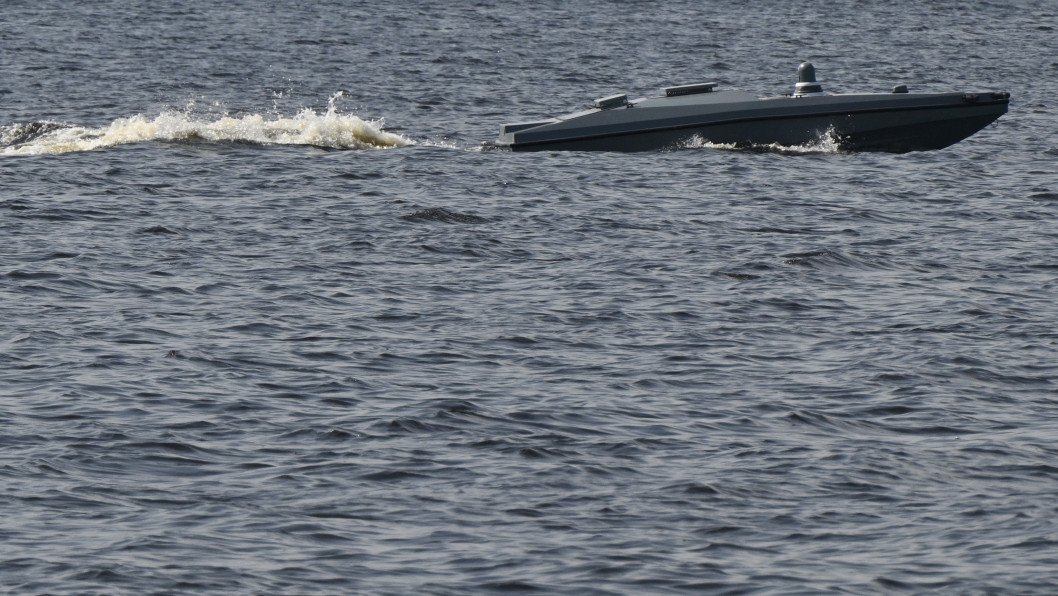
For the first time since the summer of 2023, the Ukrainian military has reclaimed more land than it lost during the final weeks of February, signaling a significant shift in the dynamics of the frontlines in Russia’s full-scale invasion of Ukraine, according to a report from the Institute for the Study of War.
The ISW report indicates that since the beginning of the year, Ukrainian forces have liberated approximately 257 square kilometers. Between February 14 and 20, Ukrainian troops gained nearly 33 square kilometers, with an additional 57 square kilometers regained from February 21 to 27.
The last time such notable gains were recorded was during the summer counteroffensive of 2023, which saw peaks of 377 square kilometers in June and 257 square kilometers in July.
According to Ukraine’s Commander-in-Chief, General Oleksandr Syrskyi, Russia has also experienced higher battlefield losses than the number of new troops joining its military ranks for three consecutive months, as reported on March 13.
Discuss this article:
-4a56a6b482ec132402c16ef6fcabf9a2.png)

-c439b7bd9030ecf9d5a4287dc361ba31.jpg "Photo of Katherina Popilnichenko")