- Category
- World
RAF Turns Ukraine’s Anti-Shahed Lessons Into New Typhoon Drone-Killing Weapon
 Prefer U24 Media on Google
- Authors


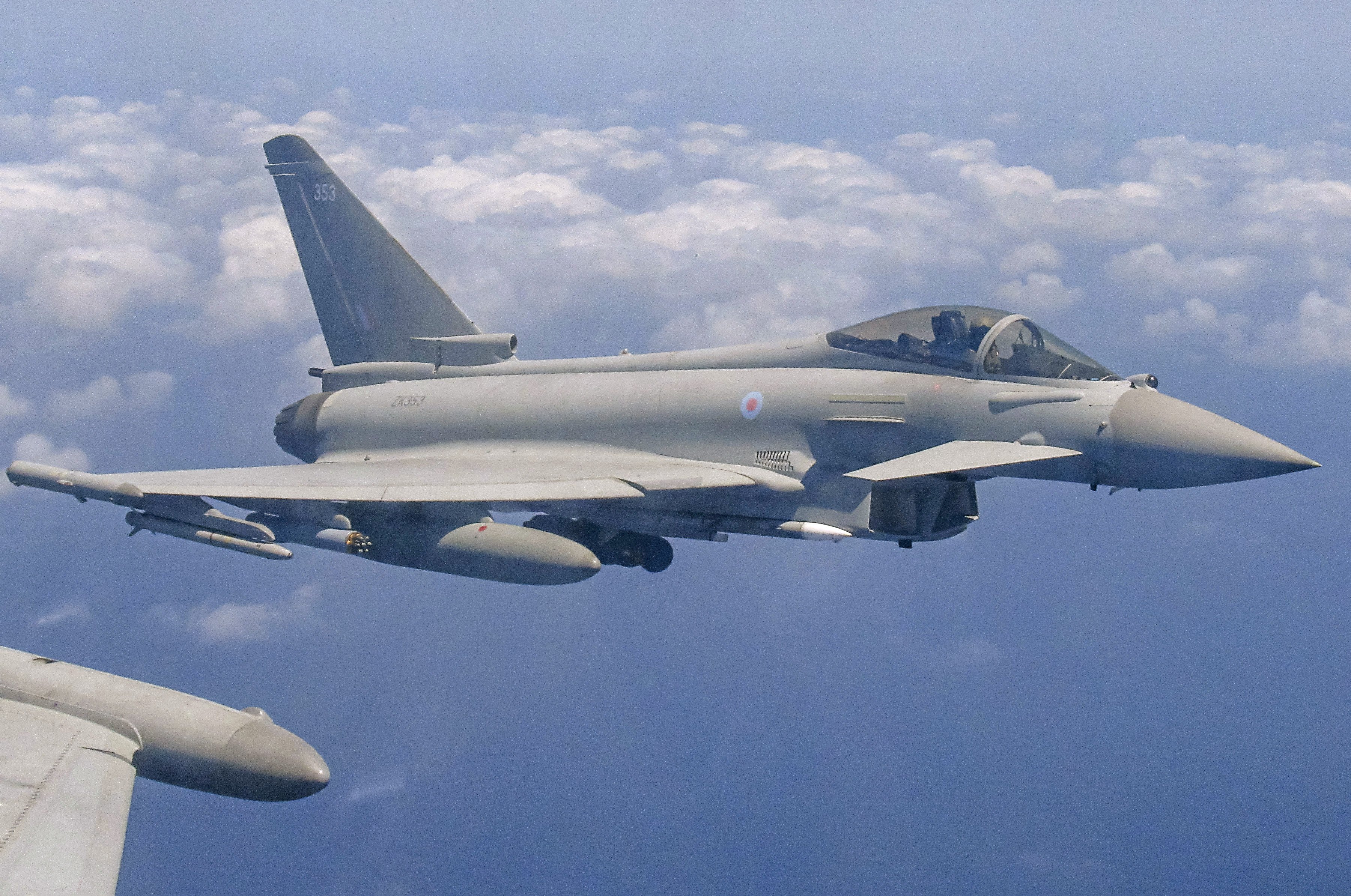
A low-cost rocket system proven in Ukraine against Shahed-type drones is now being deployed on British RAF Typhoon fighter jets in the Middle East, giving the UK a cheaper way to counter the growing drone threat across the region, according to BFBS Forces News on May 18.
RAF Typhoons operating in the Middle East have been fitted with the Advanced Precision Kill Weapon System, or APKWS, after a rapid integration process that took less than two months.
We bring you stories from the ground. Your support keeps our team in the field.
The system is now operational with IX (B) Squadron Typhoon jets. The UK Ministry of Defence said the deployment will help better protect British personnel and regional partners from drone attacks.
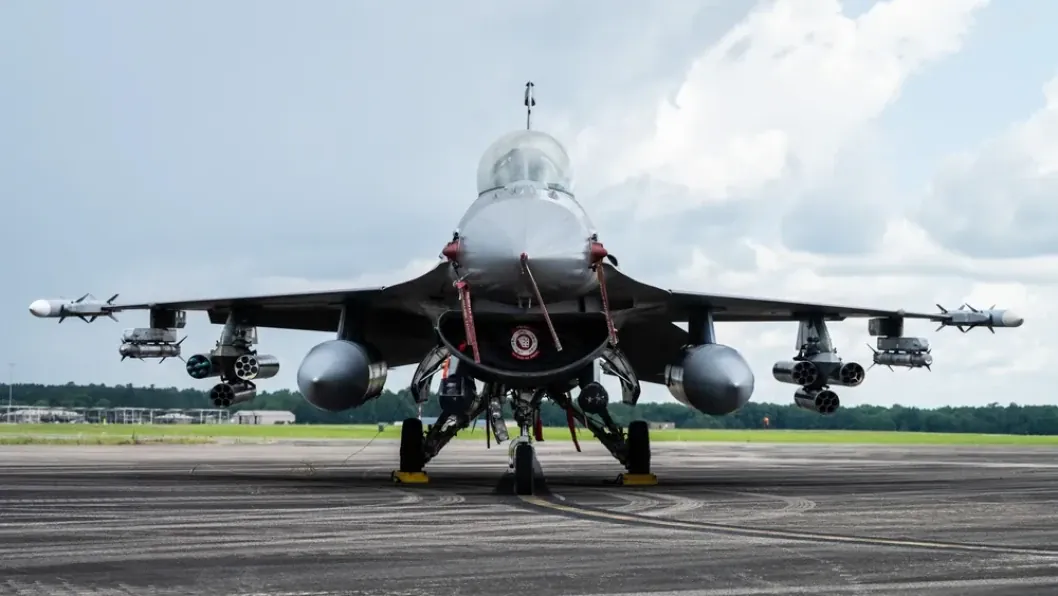
APKWS converts unguided rockets into precision-guided missiles using a laser guidance system. The weapon has drawn increasing attention because it offers a far cheaper alternative to traditional air-to-air missiles when intercepting drones.
First MoD (Crown Copyright) images and video of the @Eurofighter Typhoon and #APKWS combo now in operational counter-#drone use with the @RoyalAirForce's 9 Squadron at RAF #Akrotiri in Cyprus, and across the wider the Middle East... pic.twitter.com/TcyshWplQm
— Gareth Jennings (@GarethJennings3) May 16, 2026
The surge in interest reflects lessons from Ukraine, where APKWS has been used as a cost-effective option against Shahed-type drones. Defense analysts have noted that its combat use in Ukraine helped demonstrate how lower-cost interceptors can reduce the financial strain of defending against mass drone attacks.
The RAF integration effort was carried out by the UK Ministry of Defence alongside BAE Systems and QinetiQ. In March, the system successfully struck a ground target during testing, and in April, RAF Typhoon pilots from XLI Test and Evaluation Squadron conducted successful air-to-air firings to demonstrate its counter-drone capability.
QinetiQ supported the weapon’s integration with the Typhoon, helped create a safe test environment, and provided realistic targets for pilots during trials.
“We are 100% trying to move to a place where this type of pace becomes the norm for us and working with various stakeholders to make that the case,” Simon Galt, QinetiQ’s managing director air, told BFBS Forces News.
“I think demonstrating something like this, where you can do a weapons integration in eight weeks safely and deploy to theatre, should give all of those regulatory stakeholders confidence that with the right partners in place you can get after this stuff quickly.”
UK Defence Readiness and Industry Minister Luke Pollard said the program shows how quickly new weapons can move from testing to operational use.
“This has been a superb effort working with industry to test and deploy this system in a matter of months, which will help the RAF shoot down many more drones at a much lower cost,” Pollard said.
-33c0323ab2d8001f6272907f15d9cf7f.jpg)
“Our Typhoon fleet is the backbone of UK and Nato air defence, with the RAF protecting Europe’s eastern flank from Russian drone incursions and defending our partners across the Middle East.”
XLI Test and Evaluation Squadron, based at RAF Coningsby, focuses on Typhoon capability development and tactics. IX (B) Squadron, normally based at RAF Lossiemouth, is now operating the system in the Middle East as drone threats continue to reshape air defense planning.
Earlier, Sweden’s Saab was evaluating the possibility of equipping its JAS 39 Gripen fighter jets with low-cost APKWS guided rockets as an affordable way to counter drones—a concept shaped heavily by Ukraine’s battlefield experience.
Discuss this article:



-c439b7bd9030ecf9d5a4287dc361ba31.jpg "Photo of Katherina Popilnichenko")


-111f0e5095e02c02446ffed57bfb0ab1.jpeg "Photo of Roman Kohanets")