- Category
- Investigations
Kremlin Restricts Putin Private Surveillance System Over Fears AI Tools Could Target Him
 Prefer U24 Media on Google
- Authors

-111f0e5095e02c02446ffed57bfb0ab1.jpeg "Photo of Roman Kohanets")
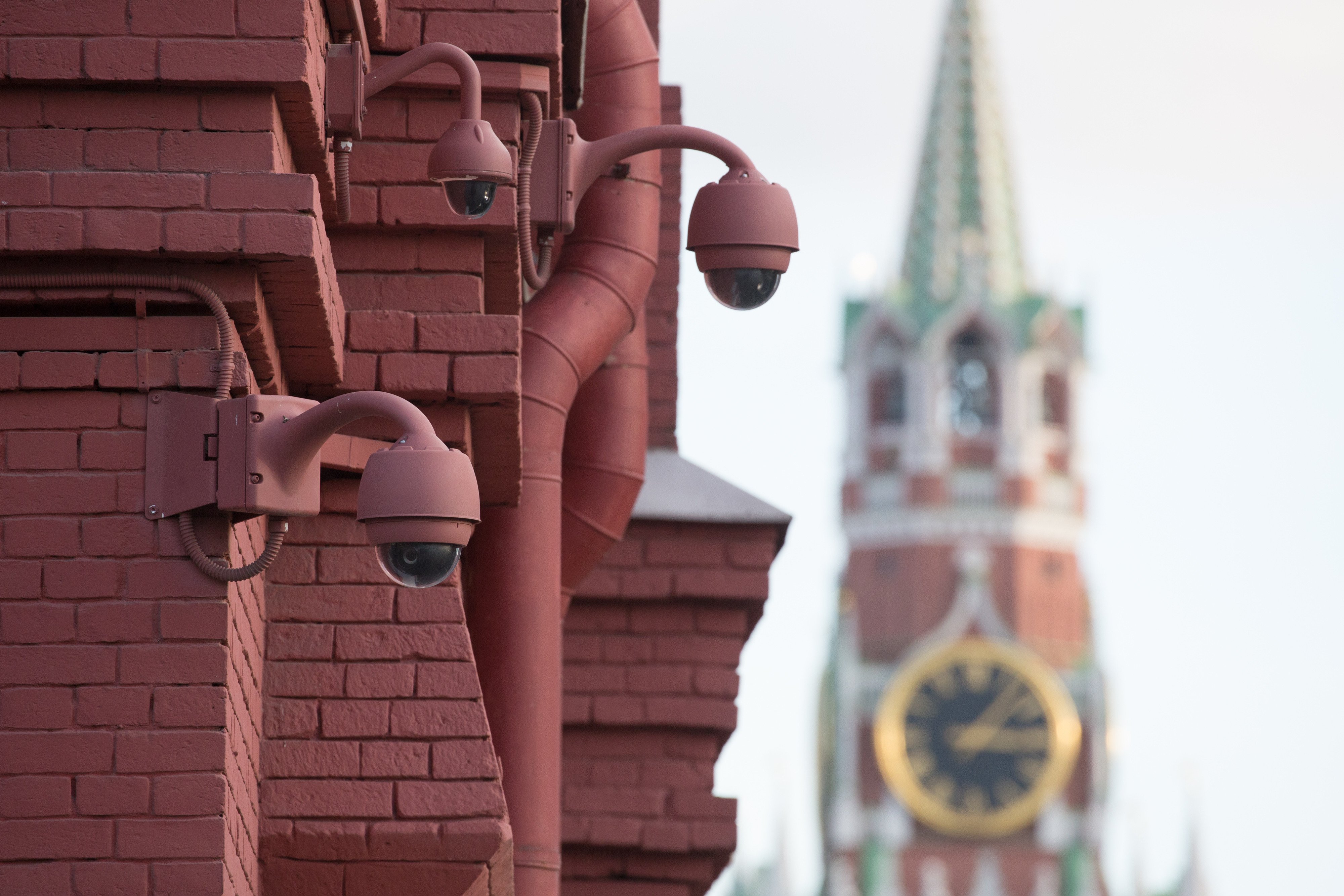
Russia's security services disabled parts of a surveillance system protecting the Russian leader, Vladimir Putin, and his inner circle, after the assassination of Iran's supreme leader showed how artificial intelligence can hunt targets through camera footage.
The Financial Times reported the move on June 8, citing two people familiar with the matter.
We bring you stories from the ground. Your support keeps our team in the field.
The protected network—separate from the roughly 300,000 cameras monitoring Moscow's residents—was switched back on only after engineers tried to seal it off completely from the internet, one of the sources indicated.
The precautions followed evidence that Israeli intelligence had harvested footage from Iran's traffic cameras. Analysts used it to fix the location and timing of a February 28 meeting, where the supreme leader Ayatollah Ali Khamenei and several senior officials were killed in the opening hours of the US-Israel war.
The episode reflects a wider alarm inside the Kremlin. Alexander Bortnikov, director of the FSB , warned regional security chiefs on May 26 that Russia's sprawling surveillance apparatus had become a liability—a tool for monitoring its own population that adversaries could now exploit.
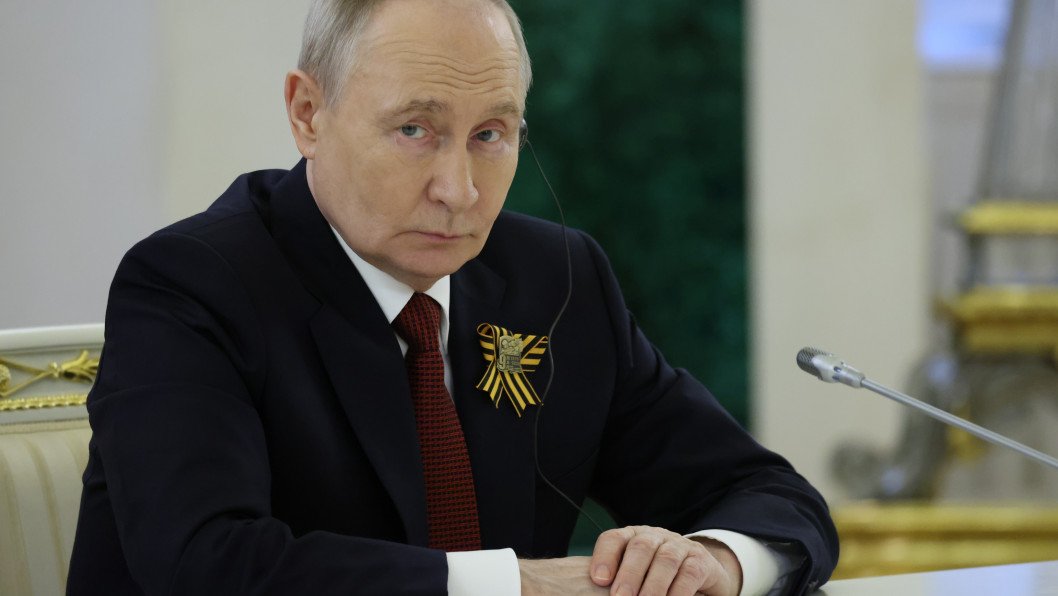
He called the elimination of senior Iranian officials "a clear warning sign," according to Russian state news agencies, attributing their exposure partly to software backdoors in Tehran's camera systems.
The technology behind the threat marks a sharp advance over facial recognition. Newer tools let analysts search vast video archives with plain-language queries, hunting for behavior rather than objects—a person repeatedly changing clothes, or a vehicle freshly repainted.
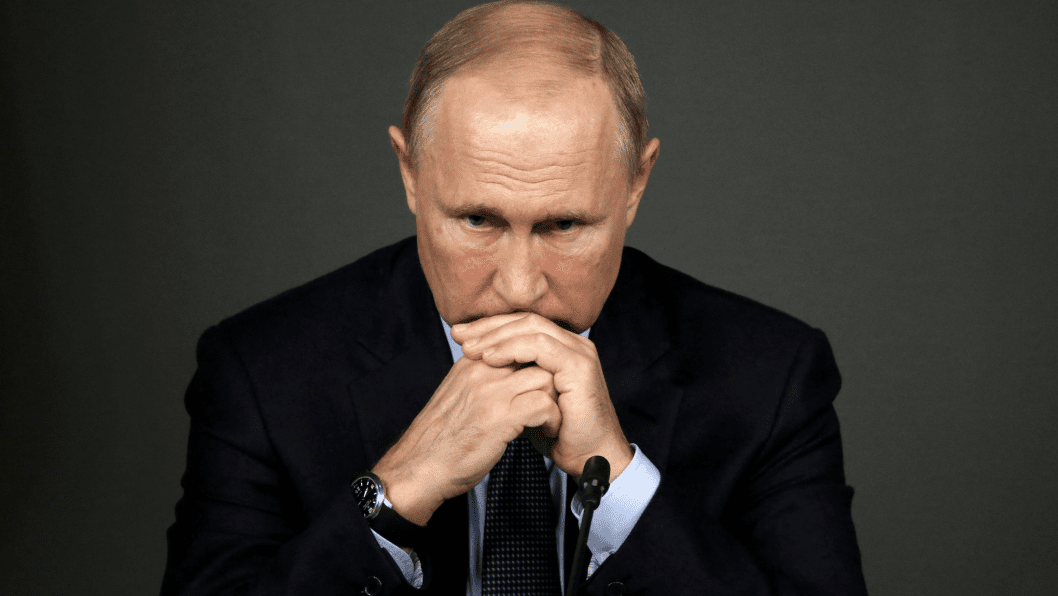
For Moscow, the danger is not hypothetical. Russian officials already feared for Putin's safety, above all from Ukrainian intelligence, which has penetrated traffic cameras inside Russia and drawn on cellphone location data to help kill senior Russian commanders accused of atrocities in Ukraine in the capital.
Despite the new safeguards, one independent Ukrainian hacker claimed that cameras across Moscow, and even around the Kremlin, remain operational and are routinely breached.
The Russian leader's fear for his own life has reshaped his movements for months. Since early March, Putin has suspended visits to his usual residences near Moscow and at Valdai, and has been operating instead from hardened, modernized bunkers in the Krasnodar region.
The Federal Protective Service has meanwhile expanded its priority-protection roster to include at least 10 senior military figures.
Discuss this article:

-b7da0e3033ba5fc9d5f47439cb28c6ad.png "Illustration featuring the logos of AI chatbots Claude (left) and Mistral (right). (Illustration: UNITED24 Media)")