- Category
- Investigations
Russia’s “Satellite Killer” Missile Program: Secret Documents Reveal New Details
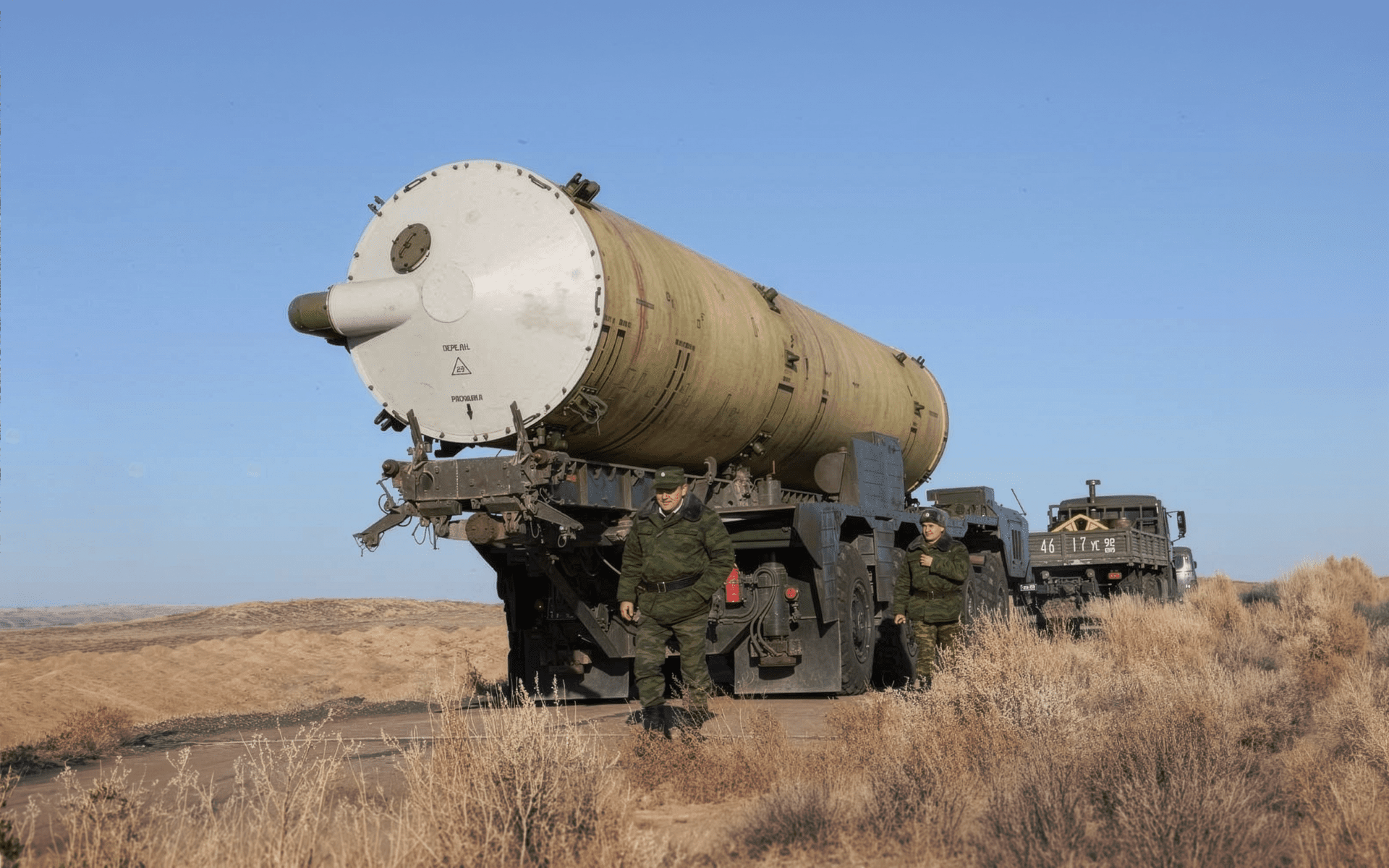
Secret Russian defense documents provided to UNITED24 Media uncover new details of the Nudol anti-satellite missile program, including a previously undisclosed missile project, key suppliers, and continued reliance on foreign-made materials.
 Prefer U24 Media on Google
- Authors




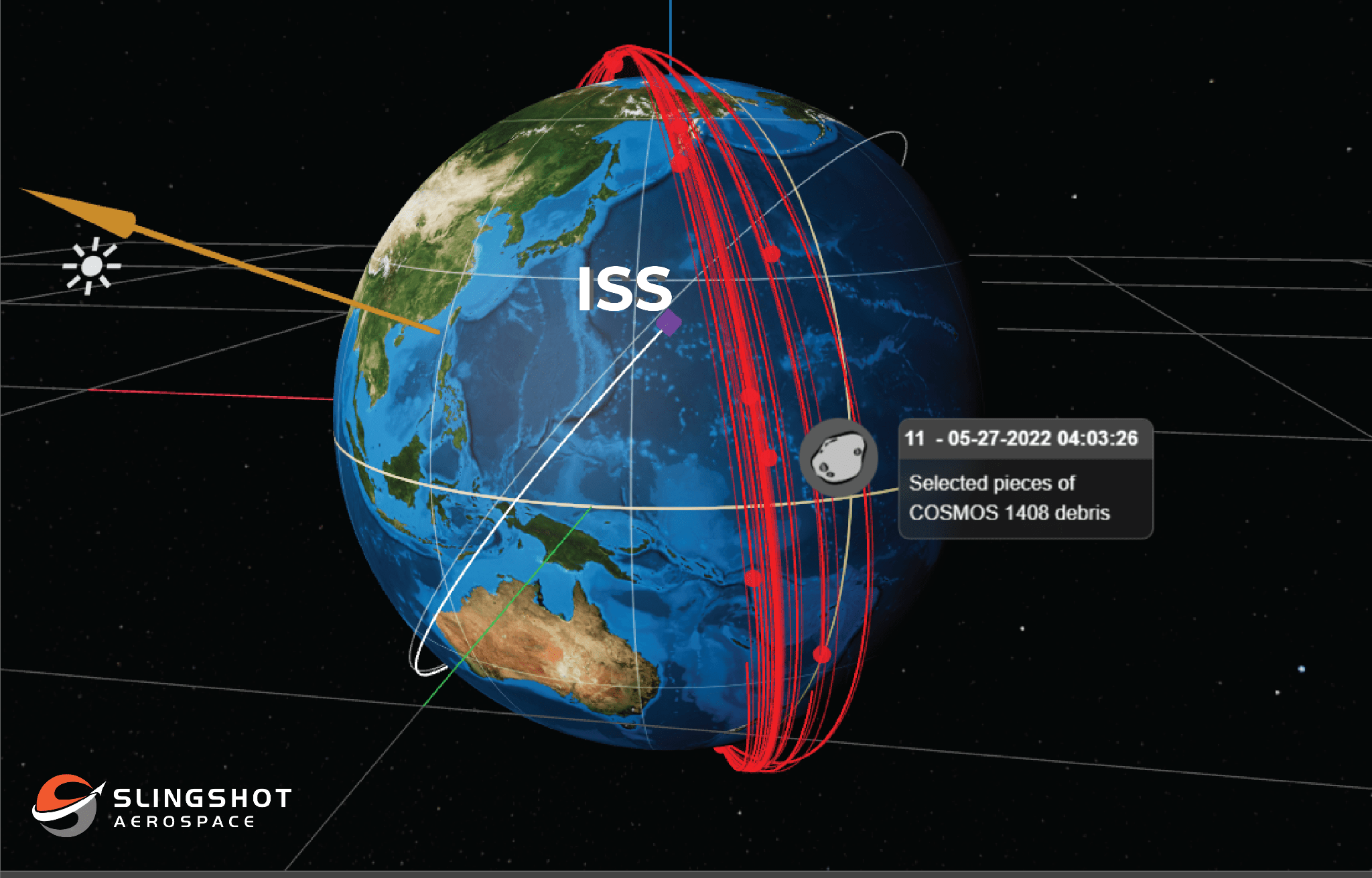
On November 15, 2021, just months before Russia launched its full-scale invasion of Ukraine, astronauts and cosmonauts aboard the International Space Station (ISS) were ordered to immediately strap into their emergency spacecraft in case the station was struck and depressurized. Why? Russia had just destroyed a satellite in an orbit close to the ISS, creating more than 1,500 pieces of orbital debris that posed a collision risk to the crew.
This was the first successful test of Russia’s Nudol anti-satellite (ASAT) missile system.
Although Russian forces had conducted at least nine previous launches of the missile, this was the first time it successfully destroyed a target in space.
That target was Kosmos-1408, a defunct Soviet electronic intelligence satellite from the Tselina-D series launched in 1982. The interception scattered debris across low Earth orbit, where it remained a hazard to the ISS and countless other spacecraft for years.
What is Russia’s Nudol anti-satellite missile system?
Nudol is an anti-missile and anti-space defense system under development by Russia’s Almaz-Antey defense conglomerate. It is equipped with high-speed solid-fuel missiles capable of destroying targets either through direct kinetic impact or, potentially, with a conventional warhead.
Russian media describe Nudol as one of the country’s most closely guarded military secrets, dubbing it a “satellite killer” while also threatening to use it against SpaceX’s low-Earth-orbit Starlink satellites. Little has been publicly known about how the Nudol system is produced, who supplies it, or how development has evolved since its first successful test. However, the Cyber Forces of the Armed Forces of Ukraine provided UNITED24 Media with a collection of internal documents that sheds new light on previously undisclosed aspects of the program.
Is Russia’s Nudol part of the A-235 missile defense system?
The history of Nudol dates back to the Soviet era, when the USSR Council of Ministers approved plans to modernize the A-135 Amur anti-missile and anti-space defense system. Designed to protect Moscow from a nuclear strike, A-135 consisted of the Don-2N radar station, the 5K80 command-and-control center, and two types of interceptor missiles with different engagement ranges.
The modernization program, codenamed Samolet-M, received the military designation A-235. However, despite the completion of preliminary designs, development was effectively suspended following the collapse of the Soviet Union.
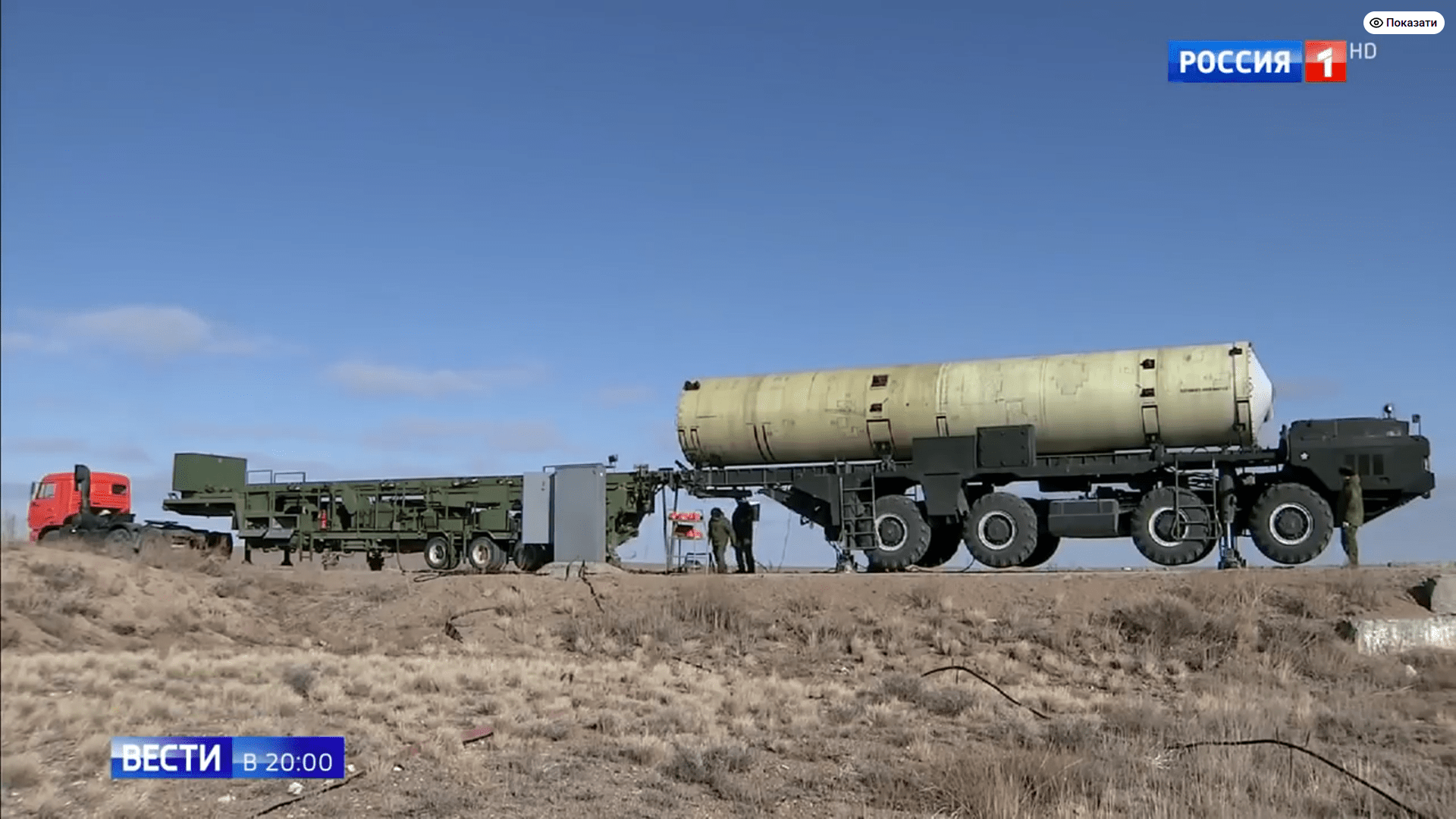
Work on the system resumed in the early 2000s under Almaz-Antey. At the same time, Russian media increasingly began associating the A-235 designation with the new anti-satellite project known as Nudol. Annual reports and corporate calendars published by the defense conglomerate featured illustrations of a mysterious next-generation missile system presented as part of the future A-235 architecture. Similar depictions also appeared on Russian state television and even in the Russian-language version of Wikipedia.
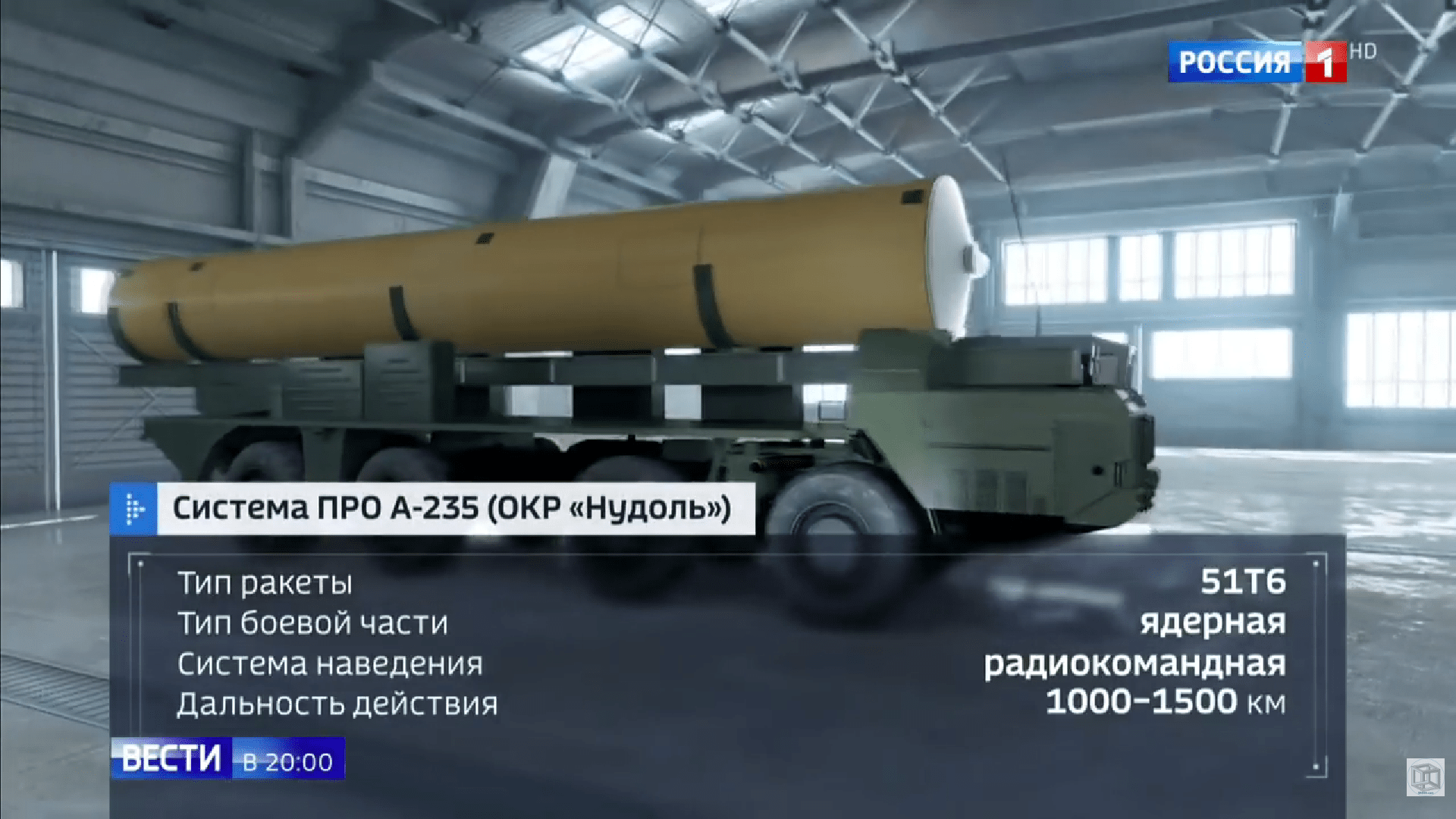
However, this interpretation does not align with the known technical characteristics of the two systems. The A-135 Amur missile defense system is a fixed installation built around two layers of silo-based interceptors: the exo-atmospheric 51T6 and the shorter-range 53T6. Accordingly, the upgraded A-235 was also conceived as a fixed system, with three layers of missiles covering short-, medium-, and long-range targets.
By contrast, most available sources describe Nudol as a mobile system mounted on a wheeled chassis and equipped with a single universal missile. As a result, some Russian military analysts consider it more comparable to air defense systems such as the S-500 Prometey than to a direct successor of the A-135. Western researchers specializing in Russia’s space program have likewise noted that the product designations associated with the Nudol program align more closely with an anti-satellite system than with a strategic missile defense complex. Whether Nudol should be regarded as a true component of the A-235 system, therefore, remains an open question.
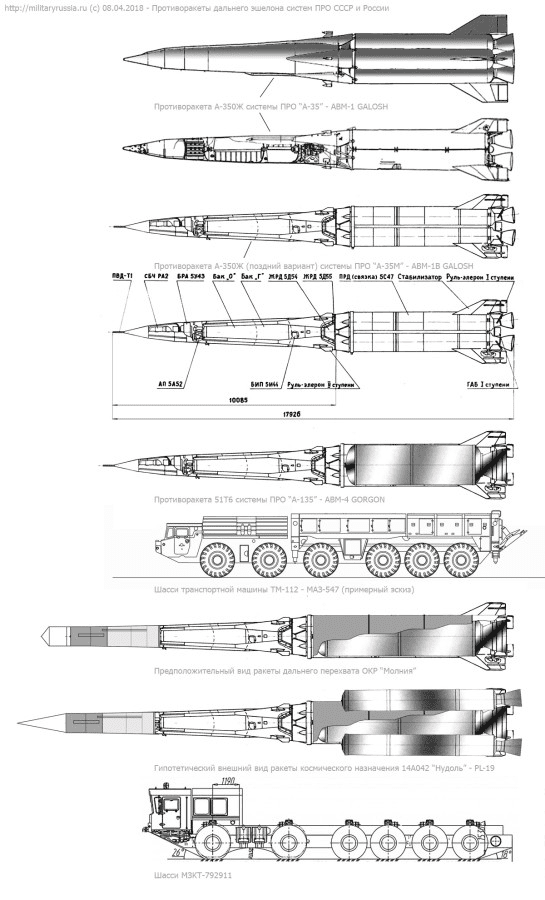
Secret documents reveal new details of Russia’s Nudol missile program
The core elements of the Nudol system include the 14Ts033 firing complex, the 14A042 missile mounted on its launcher, and a transport vehicle based on an MZKT heavy wheeled chassis manufactured in Belarus.
The 14A042 missile was developed under the Nudol research and development program pursuant to Russian government contract No. 15718710881010128000191, signed between Russia’s Ministry of Defense and Almaz-Antey in 2009 and 2015. According to the documents, 15 missile prototypes had been manufactured by 2023, while deliveries of an additional 12 missiles are scheduled for completion by November 2026.
On September 21, 2023, a new government contract (No. 2325187909111412246200410) designated the Novator Design Bureau as the lead developer and manufacturer of the 14A042 missile for the 2023–2026 period. Novator is one of Russia’s leading missile developers and a subsidiary of Almaz-Antey. The company specializes in cruise missiles, air defense systems, and interceptor missiles for Russia’s arms industry, including participation in the production of Iskander-K cruise missiles.
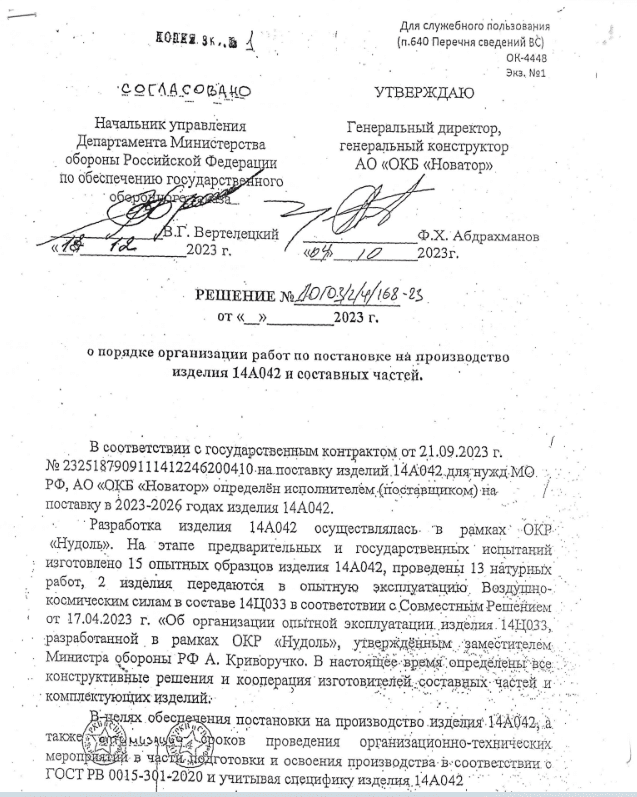
The secret 102A6 missile and Russia’s Svyatogor project
Internal Novator documents reveal a significant new finding. Alongside the 14A042 missile developed for the 14Ts033 Nudol system, the bureau is simultaneously developing another missile designated 102A6, intended for a separate system identified as 103T6.
Development of the 102A6 is being carried out under contract No. 2124187310461452208003311, signed on December 1, 2021, under the codename 103T6-Novator. Documentation shows that the two systems are closely related and share numerous identical components, allowing parts from the same production batches to be installed in both the 14A042 and the 102A6 missiles.
For example, the technical specifications for the 103T6 project explicitly require developers to maximize the use of technologies, documentation, hardware, and testing equipment already created under the Nudol program. This approach was intended to reduce the number of prototypes required for testing while shortening development timelines and lowering production costs.
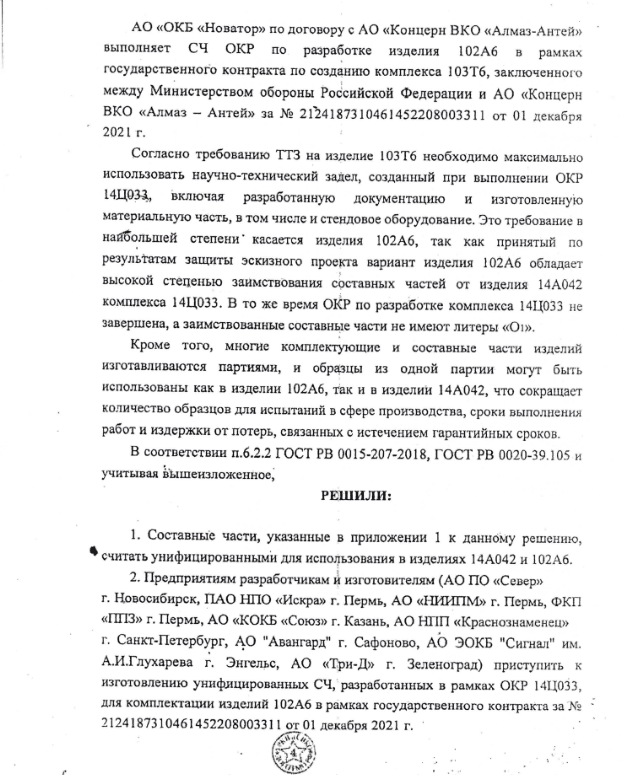
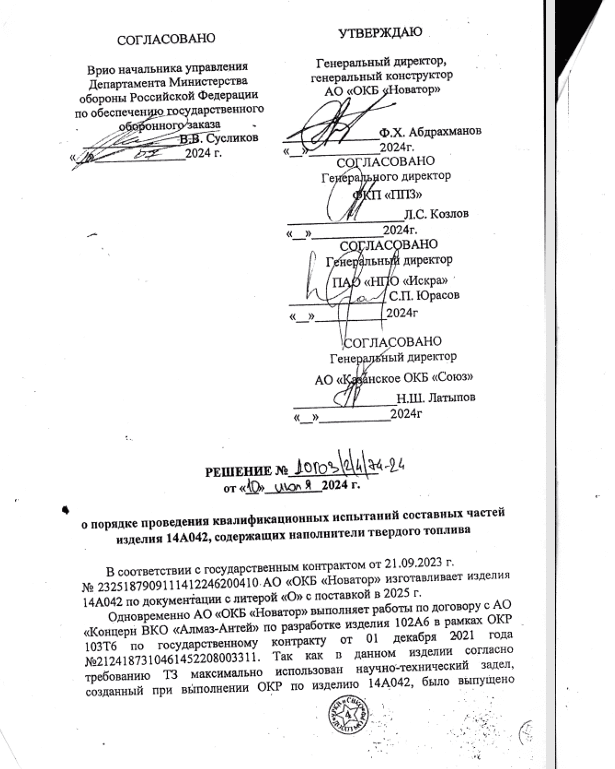
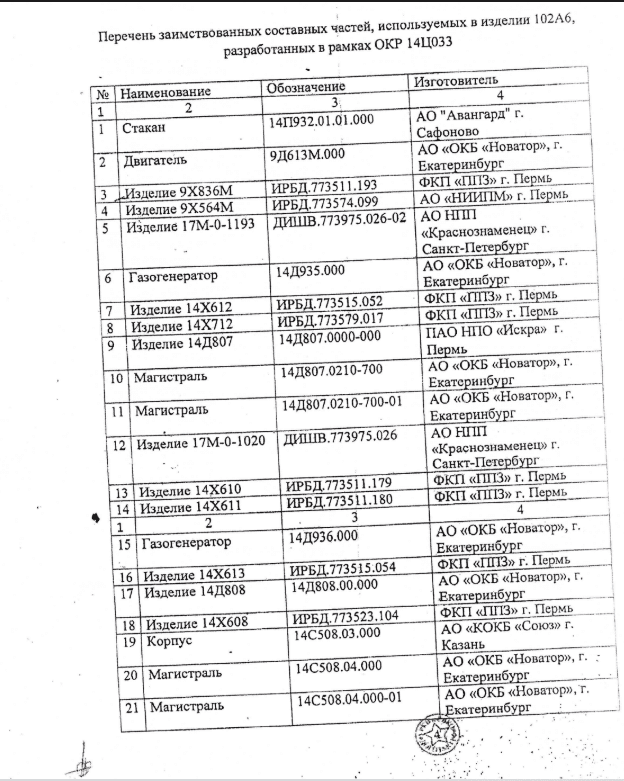
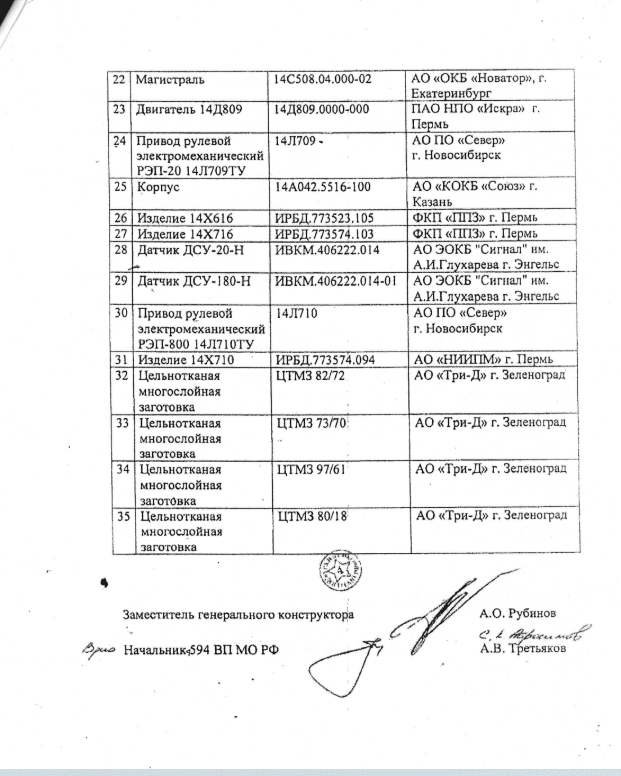
The same Russian defense companies are involved in producing components for both missiles. Shared suppliers include JSC PO Sever, PJSC NPO Iskra, JSC NIIPM, the Federal State Enterprise Perm Powder Plant, JSC Kazan Design Bureau Soyuz, JSC NPP Krasnoznamenets, JSC Avangard, JSC Signal Design Bureau named after A.I. Glukharev, and JSC Tri-D. The supply chain also includes JSC Precision Engineering Design Bureau, named after A.E. Nudelman, and JSC Tikhomirov Scientific Research Institute of Instrument Design.
Documentation describes the 102A6 missile as having a “high degree of commonality” with the 14A042 Nudol missile. Both systems incorporate identical fiberglass casings, rocket motors, gas generators, pipelines, steering actuators, sensors, and multilayer woven composite components. They also use a range of coded explosive elements, including propellant charges and pyrotechnic tablets (9Kh564M and 14Kh716), solid-fuel charges, pyrotechnic blocks and initiators (9Kh836M, 14Kh608, 14Kh610, 14Kh611, 14Kh612, 14Kh613, and 14Kh712), along with their associated casings (14D807 and 14D808).
Why Novator is simultaneously developing two nearly identical missiles remains unclear.
Given the broader uncertainty surrounding the Nudol system's deployment concept, one possible explanation is that the missiles are intended for two different launch configurations: one fixed and one mobile.
The 102A6 missile, as part of the 103T6 system, could potentially become one of the interceptor layers of the fixed A-235 missile defense system. This interpretation is supported by the “T6” designation, which also appeared in the 51T6 and 53T6 interceptor missiles used by the Soviet-era A-135 system protecting Moscow.
Meanwhile, the 14A042 missile, deployed as part of the 14Ts033 complex, could ultimately enter service as an independent mobile anti-satellite weapon—a role many Russian military analysts already predict for Nudol. Under this scenario, Nudol would not formally belong to the A-235 missile defense system, although the missiles used in the mobile and fixed complexes could be almost identical in practice.
Further evidence appears in documents from Russia’s Perm Powder Plant, a major manufacturer of explosives used in ammunition, missile systems, and artillery weapons. Unsurprisingly, the facility also produces key components for Novator’s missiles.
One document signed between the powder plant and Novator in 2025 confirms cooperation under contract No. 2124187310461452208003311—the same agreement governing development of the 103T6 system. An internal memorandum addressed to the plant’s director contains what appears to be the first reference to the project’s prospective name: Svyatogor.
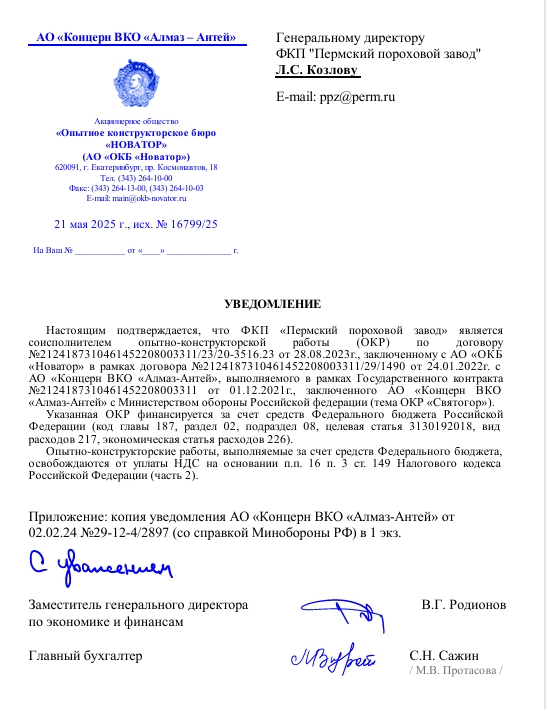
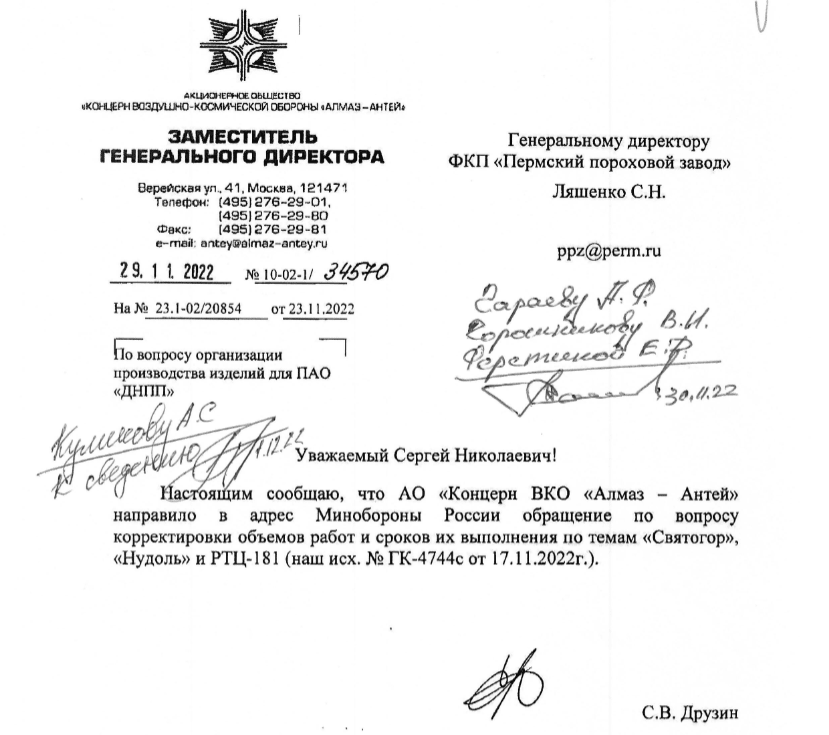
Work on both the Svyatogor and Nudol projects is carried out in parallel at the Perm Powder Plant. Investment proposals, production reports, and correspondence with Almaz-Antey consistently mention the two programs together. Within these documents, Nudol is classified as a mobile anti-satellite strike system, while Svyatogor is described as either a multifunctional missile system or an air defense system.

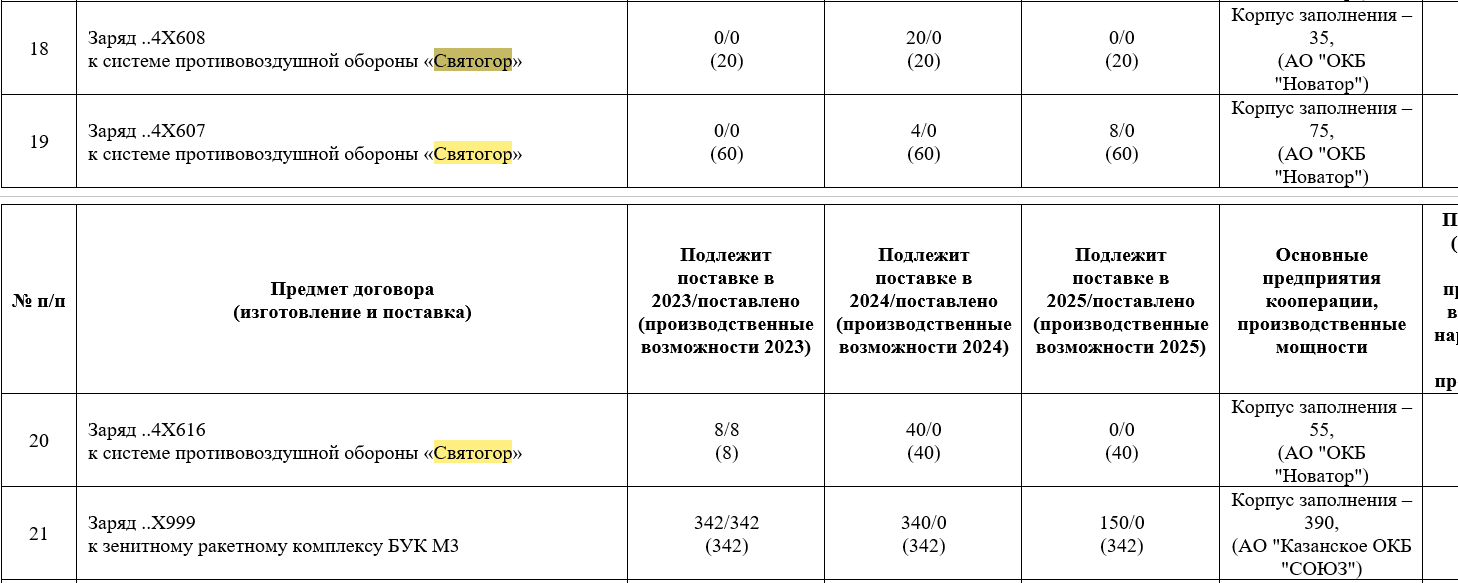
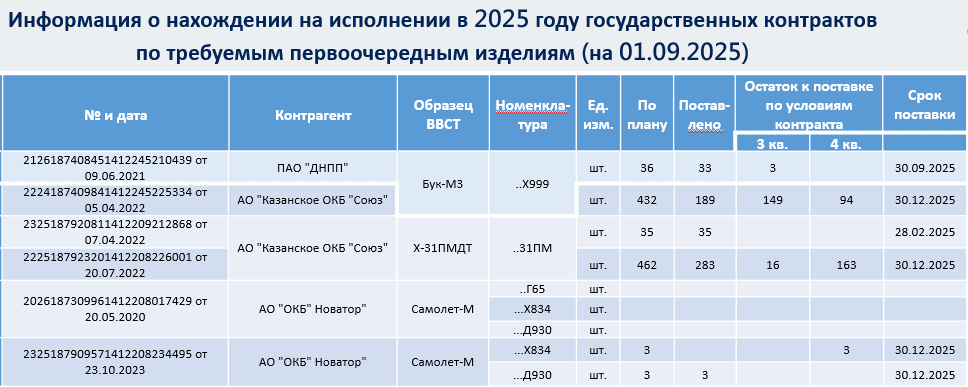
Another notable finding is that the Perm Powder Plant’s 2025 government procurement records include two contracts with Novator under the codename Samolet-M—the original Soviet designation for the A-135 modernization effort. This suggests that the Samolet-M project still exists and has not been replaced by the Nudol program, contrary to claims previously made in some Russian sources.
Foreign components are still used in Russia’s Nudol missile program
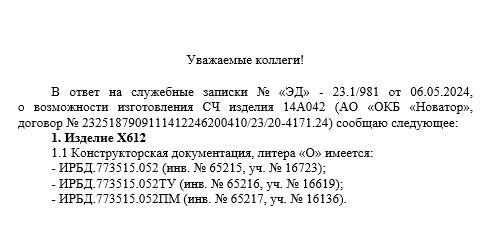
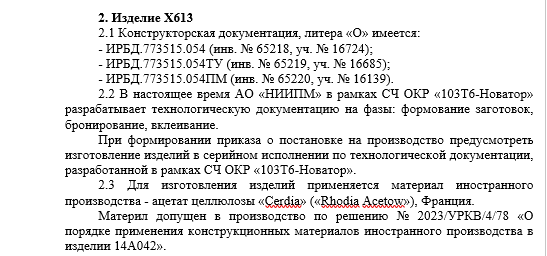
In addition to identifying Russian manufacturers involved in the program, the documents reveal that both the 103T6 and 14A042 missiles continue to rely on foreign-made raw materials. These include cellulose acetate produced by the Swiss company Cerdia (formerly French Rhodia Acetow) and Centralite II, a chemical compound manufactured in China.
As of 2025, the Perm Powder Plant had received 30 metric tons of cellulose acetate, while demand for Centralite II totaled 180 metric tons.
Because of their chemical properties, both substances are used in the production of solid rocket propellant. Centralite II functions as a stabilizer, while cellulose acetate serves as a binding material for other propellant components. The same chemicals are also used in the production of Kalibr cruise missiles, which Russia routinely employs in attacks against Ukrainian cities.
The documents indicate that Novator and other participating enterprises have been ordered to replace imported materials with Russian alternatives by the end of 2026.
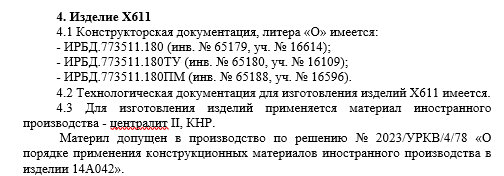
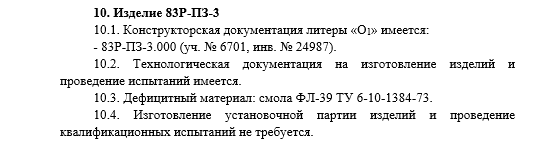
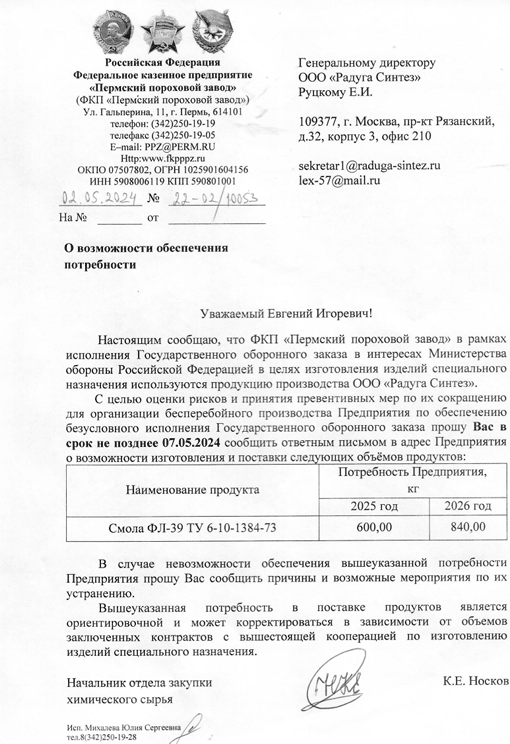
Another component of the Nudol missile, designated 83R-PZ-3, requires FL-39 glyptal resin, which internal documents identify as being in critically short supply. According to the records, projected consumption of the resin was expected to increase sevenfold over two years, reaching 840 kilograms in 2026. The primary supplier is identified as Raduga Synthese LLC, based in the Russian city of Elektrougli, Moscow Region.
Overall, the documents demonstrate that Russia continues investing heavily in the development and production of military technologies intended to further militarize outer space. The Nudol anti-satellite system poses a threat not only to military satellites but also to civilian spacecraft operated by countries around the world, including Ukraine’s international partners.
At the same time, Russian defense manufacturers continue to receive foreign-sourced raw materials, while companies such as Tri-D JSC and Raduga Synthese LLC, both of which supply critical components for missile production, have yet to be subject to international sanctions.
This material was prepared as part of the cooperation between the StateWatch Think Tank and UNITED24 Media.
Discuss this article:
-4a56a6b482ec132402c16ef6fcabf9a2.png)


-206008aed5f329e86c52788e3e423f23.jpg "Photo of Oleksandr Moiseienko")