- Category
- Investigations
How Serbian Industrial Machinery Found Its Way Into Russia’s Iskander Missile Production Network
 Prefer U24 Media on Google
- Authors


Serbian machine tool manufacturer Grindex exported approximately €27.5 million worth of equipment to Russia between March 2022 and March 2025, with some machinery subsequently reaching sanctioned Russian defense manufacturers.
An investigation by Radio Free Europe/Radio Liberty (RFE/RL) on November 10, based on Ukrainian military intelligence data and an analysis of Russian financial records and commercial databases, found that the Serbian company continued supplying industrial machinery to Russian intermediaries after Moscow launched its full-scale invasion of Ukraine.
We bring you stories from the ground. Your support keeps our team in the field.
Some of those intermediaries were subsequently sanctioned by the United States and the European Union for supporting Russia’s military-industrial complex.
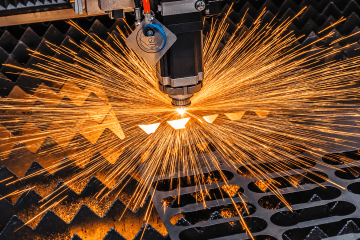
Grindex, based in Kikinda in northern Serbia, manufactures metalworking equipment, including computer numerical control (CNC) grinding machines used in industrial production.
According to Ukraine’s Defense Intelligence Directorate, equipment manufactured by Grindex was imported into Russia through several companies, some of which later supplied machinery to enterprises belonging to Rostec, Russia’s state-owned defense and industrial conglomerate.
One of the intermediaries identified in the investigation was Alfa Machinery Group (AMG), a Russian supplier of metalworking equipment sanctioned by the United States in 2023 and the European Union in December 2024 for supporting Russia’s defense industry.
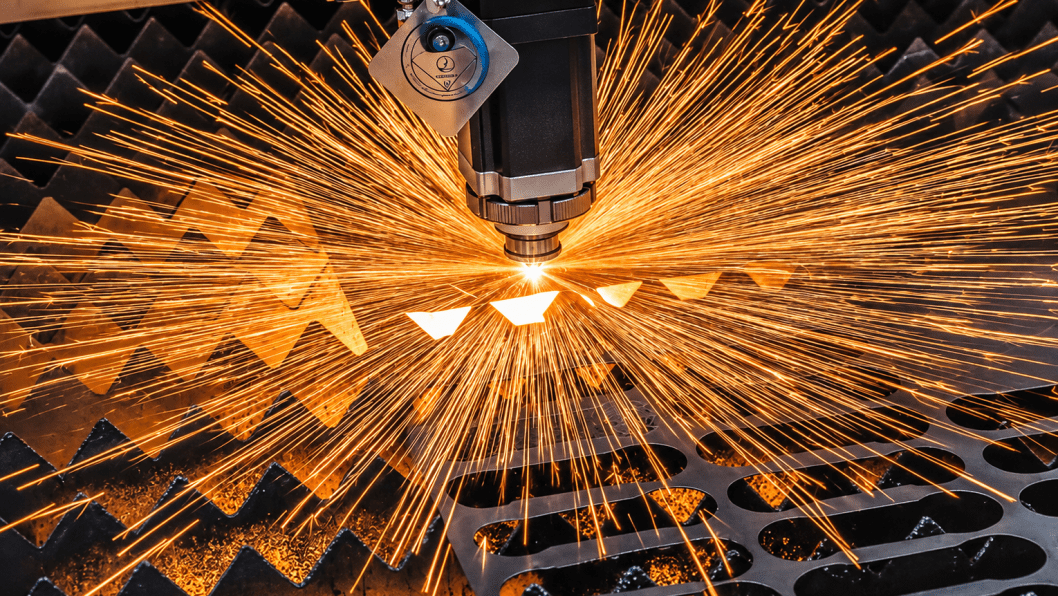
Ukrainian intelligence records indicate that Grindex signed a contract with AMG in December 2022 to supply a CNC grinding machine valued at approximately €778,000. The equipment was delivered after AMG had already been placed under US sanctions.
According to the investigation, AMG subsequently transferred the machine to the I. Rumyantsev Machine-Building Association, a manufacturer of aircraft components operating within Rostec. A separate contract between Grindex and AMG, signed in 2023, involved another CNC grinding machine valued at more than $384,000 (€342,000).
The machine was imported into Russia in February 2025 and delivered two months later to the Ufa-based Hydraulics company, another Rostec subsidiary that manufactures aviation components.
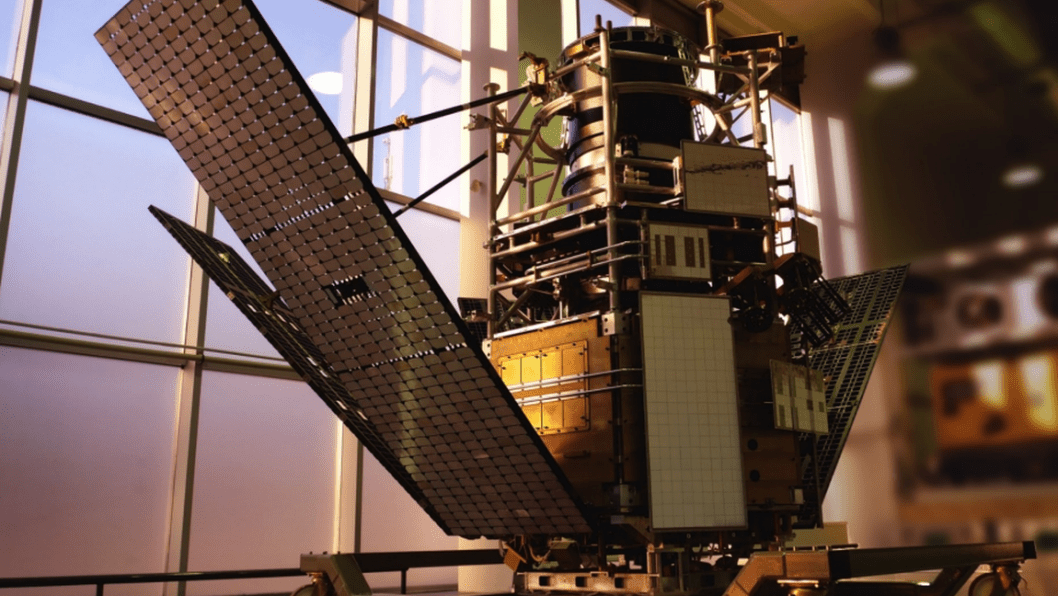
According to Ukrainian intelligence, the equipment was intended to manufacture piston-type components used in high-precision hydraulic and fuel systems.
The investigation identified additional Russian companies that imported Grindex machinery, including Finval Energo and Unimatik MSK, both of which are subject to US sanctions.
Finval Energo reportedly imported approximately €12 million worth of Grindex equipment between 2022 and 2025. However, the investigation did not establish which specific machines were supplied or their ultimate recipients.
Unimatik MSK imported approximately €980,000 worth of Grindex machinery between 2022 and 2024, according to Ukrainian intelligence records.
The investigation also found that Grindex machinery reached sanctioned Russian defense enterprises through intermediaries not subject to Western restrictions.
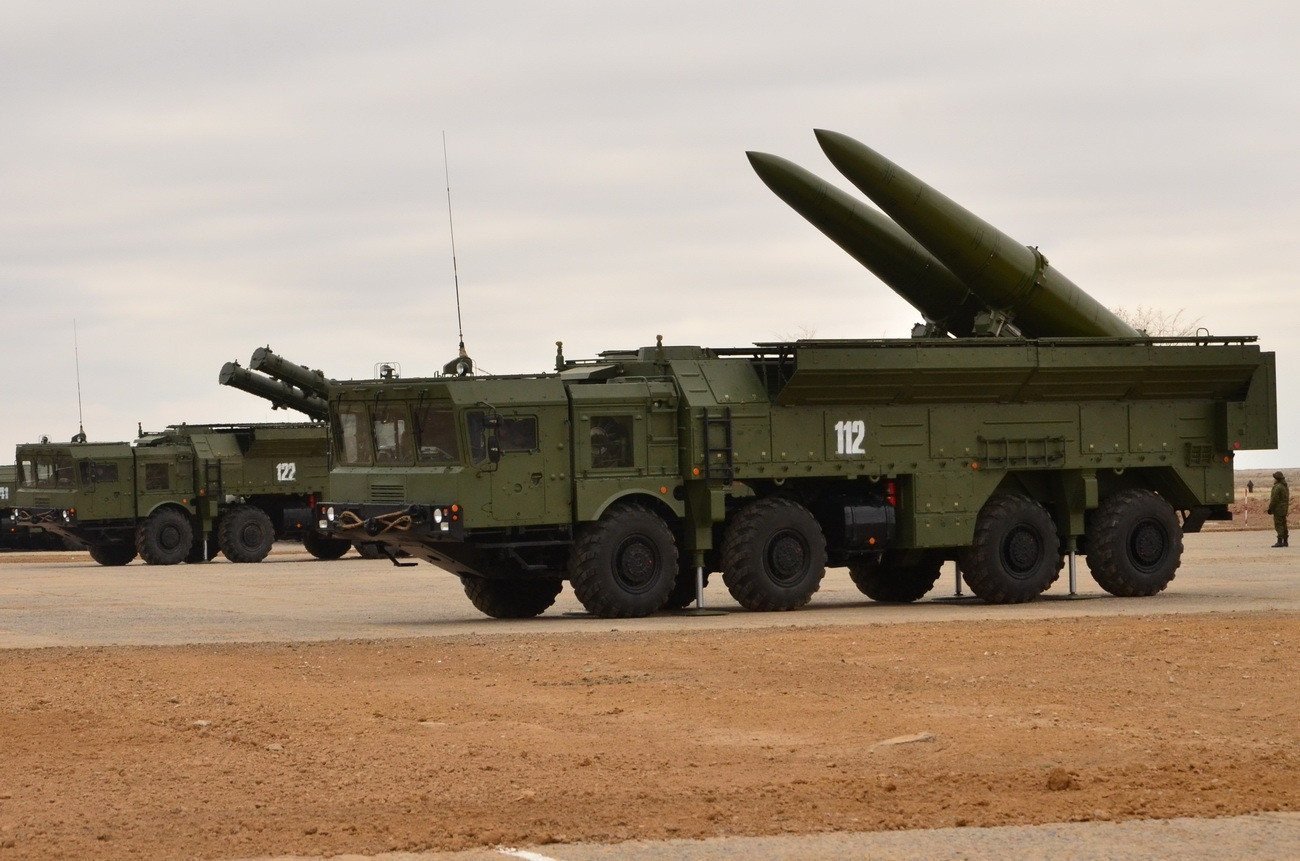
One such company, Krona, supplied a Grindex grinding machine in 2024 to Russia’s Machine-Building Design Bureau, a Rostec subsidiary involved in producing missile systems, including the Iskander-M short-range ballistic missile system.
Another Grindex machine was imported through Moscow-based entrepreneur Denis Babichev before being leased in 2025 to a sanctioned Russian manufacturer of navigation, control, and stabilization systems for military aircraft. The company produces systems used in aircraft including the MiG-29 and Su-27, according to the investigation.
Despite these reported supply chains, Grindex itself is not subject to US or EU sanctions.
Serbia, an EU membership candidate, has not joined Western sanctions against Russia, although it maintains export controls governing goods that can be used for both civilian and military purposes, RFE/RL reported.
In 2025, Serbia adopted legislation tightening restrictions on the export of dual-use goods. However, Serbia’s Ministry of Internal and Foreign Trade told RFE/RL that it had not issued an export permit to Grindex.
“The ministry is not familiar with the production program and characteristics of Grindex's products,” the ministry stated.
It added that it lacked sufficient information to determine whether the machinery was subject to export controls or restrictions.
Serbia’s Customs Administration separately confirmed that no further inspections of Grindex exports had been conducted.
Ella Skybenko, a senior researcher on Eastern Europe and Central Asia at the Business & Human Rights Resource Centre, noted that Serbia’s decision not to adopt Western sanctions does not mean all exports to Russia are permitted.
“However, Serbia still has export control laws, including controls on dual-use goods. So this does not mean that all exports to Russia are allowed,” she told RFE/RL. “But their effectiveness largely depends on implementation and oversight, which have often proved insufficient.”
According to an earlier RFE/RL investigation, at least $71.1 million (€63.5 million) worth of dual-use goods were supplied to Russia through Serbian companies following the beginning of the full-scale invasion.
Concerns over Russia’s access to foreign technology extend beyond industrial machinery, with separate investigations identifying international networks involved in supplying microelectronic components.
In a related investigation, NAKO, an independent Ukrainian anti-corruption organization, identified Russian microelectronics suppliers operating from Hong Kong addresses also used by a network accused of supplying components for Iran’s ballistic missile and drone programs.
The findings were based on NAKO’s examination of approximately 1,800 foreign suppliers involved in transactions exceeding $800 million in high-priority Western microelectronic components.
Discuss this article: