- Category
- Investigations
Russia Turns to Chinese Fake Tanks, Jets and Air Defenses Designed to Make Ukraine Waste Real Missiles
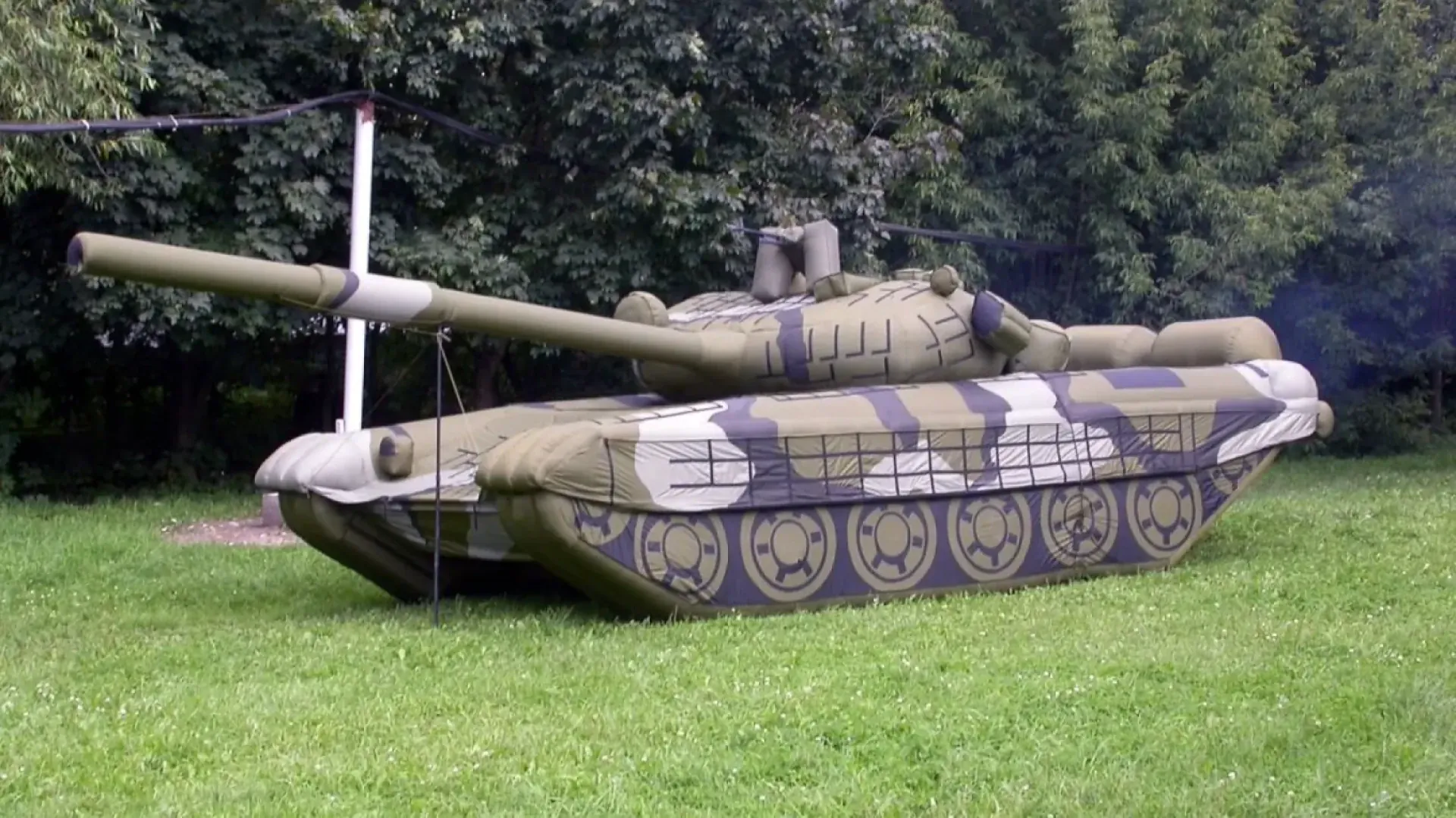
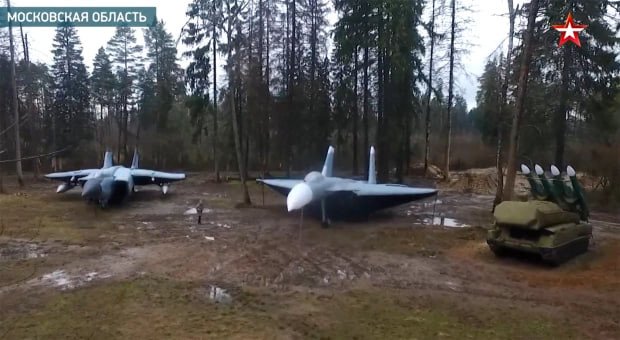
Some of Russia’s military aircraft and tanks may not be what they appear to be. An investigation by The Telegraph reveals how Moscow is using cheap, Chinese-made inflatable decoys—including replicas designed to fool thermal imaging and radar systems—to draw Ukrainian attention and potentially costly strikes away from real military targets.
 Prefer U24 Media on Google
- Authors


Russia is deploying cheap inflatable replicas of fighter jets, tanks, air defense systems, and other military equipment to mislead Ukrainian reconnaissance and divert precision weapons away from genuine targets, with some of the decoys supplied by Chinese manufacturers, The Telegraph reported on November 24.
Journalists investigating the trade uncovered listings on Chinese and Russian online marketplaces offering a wide range of inflatable military equipment, including aircraft, armored vehicles, artillery systems, missile launchers, and air defense installations.
We bring you stories from the ground. Your support keeps our team in the field.
Some inflatable aircraft replicas are advertised for just a few hundred dollars, offering a relatively inexpensive way to create the appearance of military assets that would otherwise cost millions to manufacture.
According to The Telegraph, among the suppliers identified is Chinese manufacturer Gauss, which operates under several names, including Gauss Intelligent Equipment, Gauss Inflatables, Jiangxi Gauss, and Hangzhou Gauss.
At first glance, the cluster of Russian fighter jets and helicopters looks like an airfield – the perfect target for a Ukrainian strike. But upon closer inspection, the military hardware is actually inflatable rubber decoys.
— The Telegraph (@Telegraph) November 24, 2026
The Telegraph has uncovered listings on several… pic.twitter.com/c0Bi2LdIwA
The company markets inflatable decoys designed to reproduce not only the physical appearance of real military equipment but also its thermal and radio-frequency signatures.
According to the manufacturer’s advertising, these features are intended to make false targets more difficult to distinguish from genuine weapons using thermal imaging equipment and radar systems.
Gauss also offers inflatable hangars and camouflage shelters equipped with simulated heat signatures, potentially creating the impression that actual military vehicles or weapons are concealed inside.
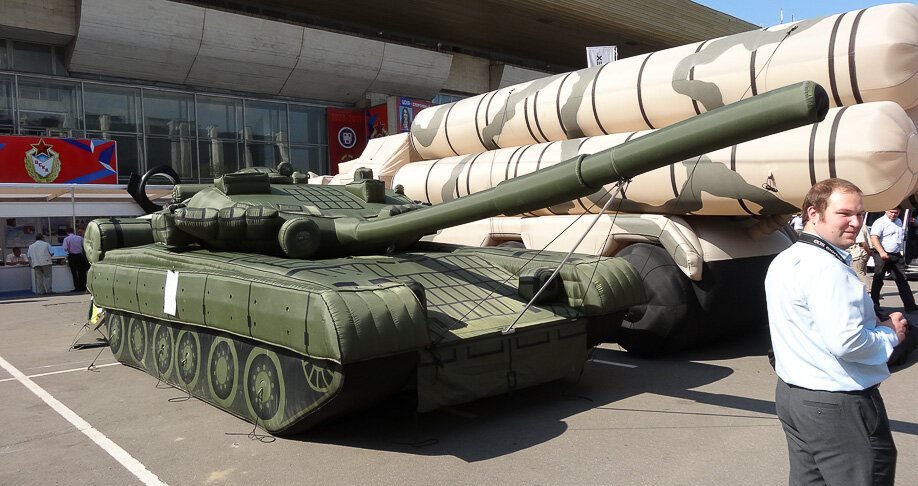
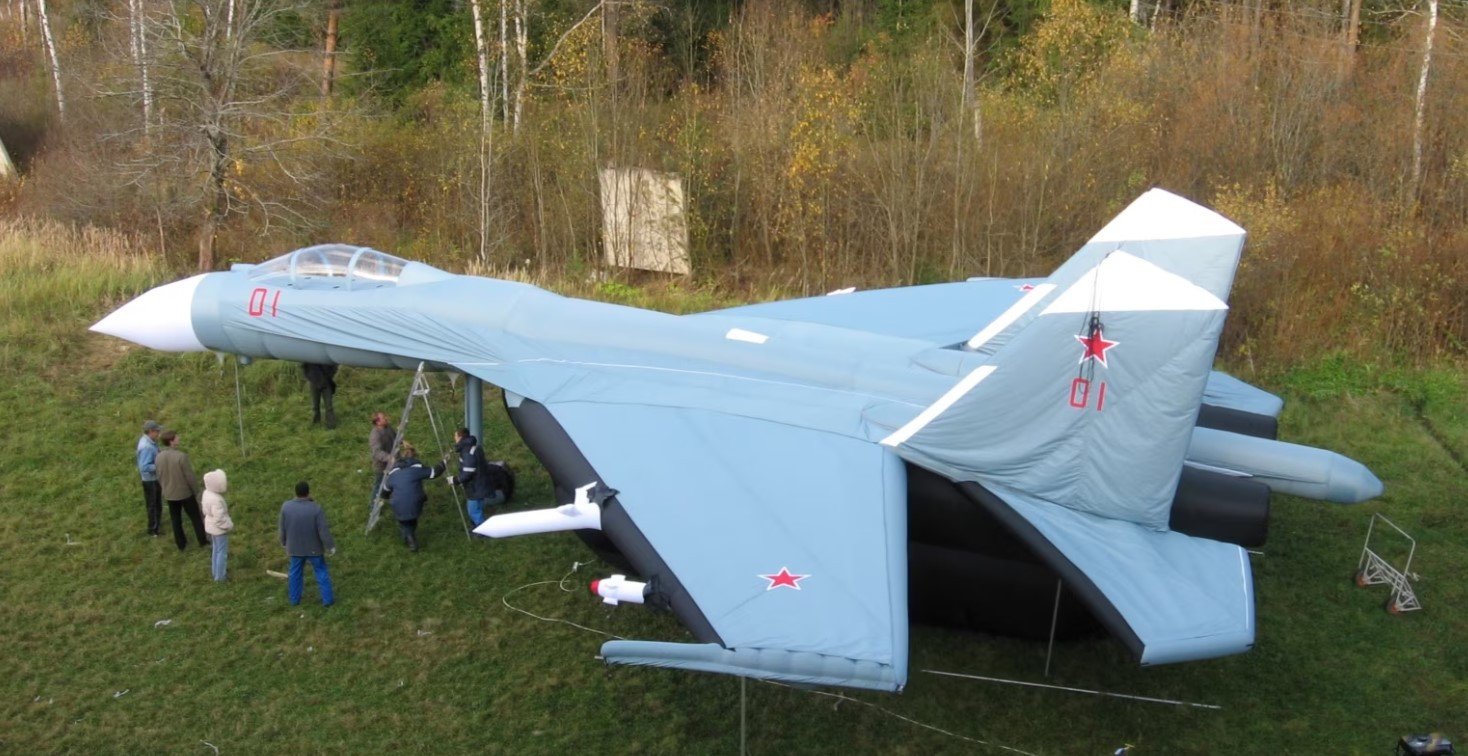
Robert Tollast, a land warfare researcher at Britain’s Royal United Services Institute (RUSI), explained that producing such decoys is considerably less complicated than manufacturing real military hardware, making large-scale production relatively straightforward.
The primary objective is to force opposing forces to spend time and resources investigating false targets and potentially expend valuable precision-guided munitions against equipment that has little military value.
Michael Kofman, an expert at the Carnegie Endowment for International Peace, noted that military decoys have become increasingly important as widespread drone reconnaissance makes it much harder to conceal large weapons systems, The Telegraph wrote.
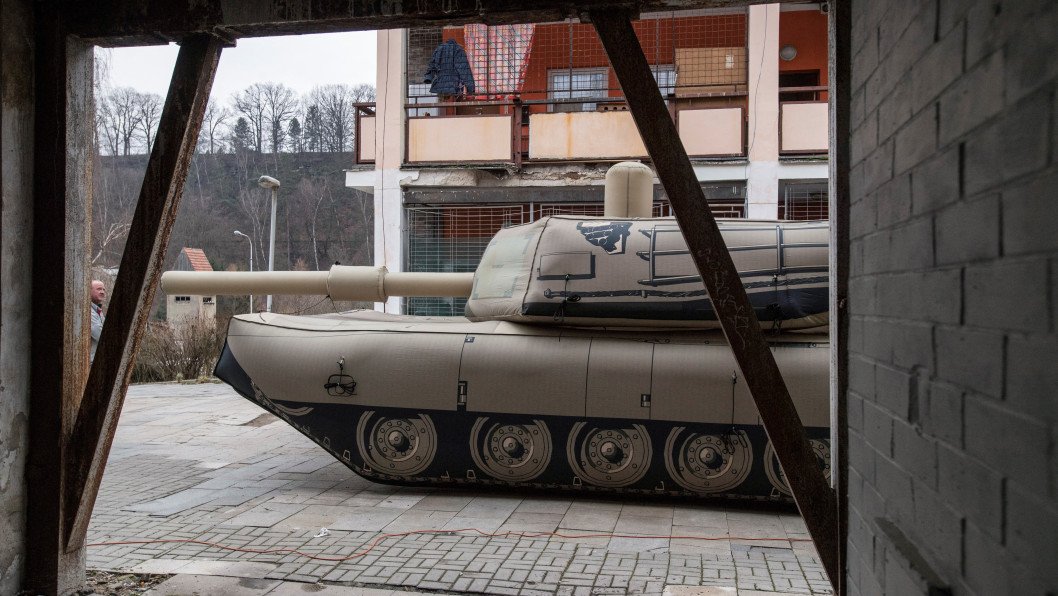
Aircraft, air defense installations, missile launchers, tanks, and other sizable military assets are particularly vulnerable to persistent aerial surveillance, creating greater demand for convincing replicas.
Russia’s use of inflatable military equipment predates its full-scale invasion of Ukraine. According to Russian media reports, Moscow spent at least 48 million rubles purchasing military decoys in 2021. The Russian Defense Ministry has also ordered such equipment from domestic manufacturer Rusbal.
However, Chinese companies offer significantly cheaper alternatives, potentially making large-scale deployment more affordable.
The Telegraph reported that since the beginning of Russia’s full-scale invasion, Moscow has imported at least $121.8 million worth of goods from China under a customs classification also used by Chinese manufacturers of inflatable military decoys.
However, that figure does not establish the value of military decoys imported from China, however. The same customs category includes civilian inflatable products, sporting goods, and camping equipment, meaning the total cannot be treated as spending exclusively on military equipment.
Nevertheless, The Telegraph noted that Russia’s use of at least some Chinese-manufactured military decoys had previously been documented.
Chinese suppliers also advertise custom-built replicas, allowing buyers to order inflatable equipment resembling specific military vehicles or weapons systems. Some sellers report having completed hundreds of orders.
Such systems allow Russian forces to create false military positions, complicating Ukraine’s efforts to identify genuine targets and forcing reconnaissance teams to conduct additional checks before committing scarce precision weapons.
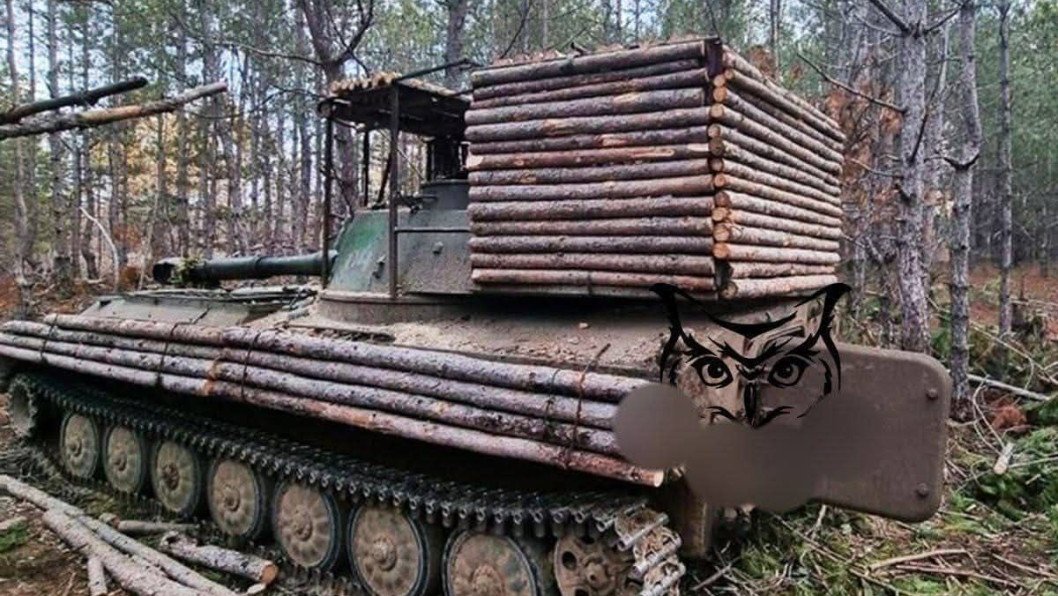
Ukraine also makes extensive use of military decoys to mislead Russian reconnaissance, employing inexpensive replicas of artillery systems, armored vehicles, and other equipment constructed from wood and similar materials.
For example, a Russian BM-35 loitering munition struck what Moscow claimed was a Ukrainian F-16 fighter jet at Kanatove airfield in Ukraine’s Kirovohrad region, but open-source analysts say the target was in fact a decoy, not a real aircraft.
Previously, Russian military units have begun deploying specialized decoys designed to look like trees and logs to mask communication antennas from Ukrainian aerial reconnaissance.
In addition, the Russian Armed Forces have begun deploying a new type of camouflage net, designed to resemble bricks and building debris.
Discuss this article: