- Category
- Latest news
How This 100-Year-Old War Trick Is Outsmarting Russian Drones in Ukraine
 Prefer U24 Media on Google
- Authors


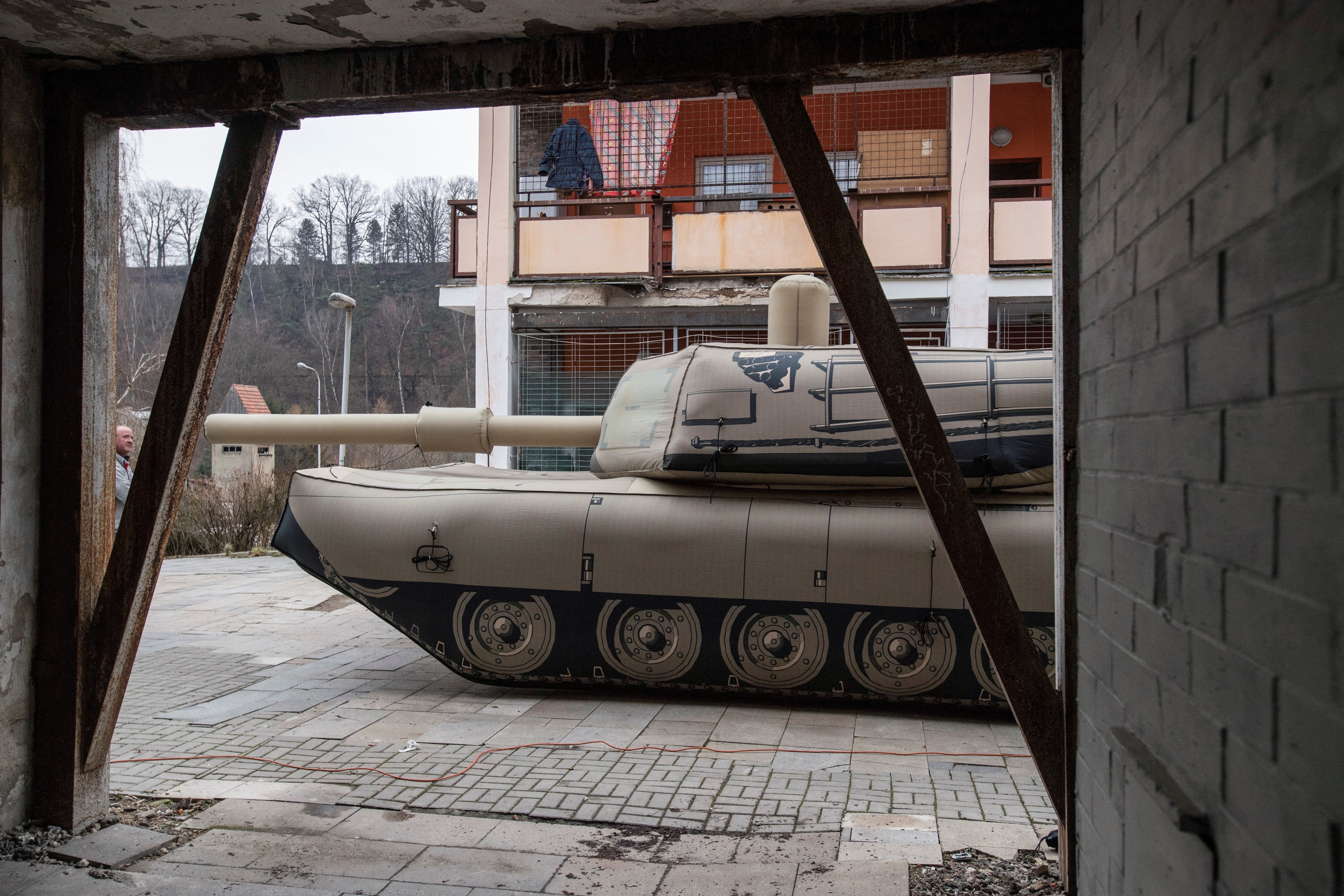
In a war increasingly defined by drones, sensors, and digital targeting, one of Ukraine’s most effective battlefield tools comes from a very different era: a century-old deception first used in the trenches of World War I.
As the war in Ukraine drives rapid advances in drone warfare and battlefield technology, one of the most effective tools being used today dates back more than a century, BFBS Forces News reported on January 21.
Decoys—dummy weapons designed to mislead enemy forces—are playing a growing role in Ukraine, reviving a form of battlefield deception first used during the First World War.
We bring you stories from the ground. Your support keeps our team in the field.
Modern drones make it easier than ever to spot targets from the air, but paradoxically, that visibility has made decoys more powerful—not less.
According to Forces News, footage released by Russia has repeatedly shown drones striking what appear to be high-value Ukrainian weapons, including the M270 Multiple Launch Rocket System. These videos are often presented as major battlefield successes. In some cases, however, the targets were never real.
Inflatable tanks used during WW2 as decoys. pic.twitter.com/0bd4paHBWR
— HOW THINGS WORK (@HowThingsWork_) August 28, 2024
The launcher seen in one such strike was an inflatable decoy designed by Viktor Talanov—a convincing imitation that costs a fraction of the real system it mimics.
Talanov did not begin his career in the defense industry. He originally designed inflatable sports equipment, hot-air balloons, and even children’s bouncy castles. That expertise, however, proved perfectly suited to military deception.
His inflatable replicas of Soviet-era equipment have been used not only in Ukraine but also by British and US forces during training and operational planning.
In Ukraine, decoys serve multiple purposes. When Russian forces strike a fake target, they waste scarce and expensive ammunition. But even when a drone operator correctly suspects a decoy, the uncertainty itself becomes a weapon.
Czech TV @ReporteriCT: Czech 🇨🇿 production of inflatable decoys HIMARS, which are delivered to Ukraine 🇺🇦
— Tarmo 🇨🇿 🇺🇦 🇪🇺 (@TarmoFella) February 22, 2023
(English subtitles added) pic.twitter.com/wiyKTjCRSK
According to Talanov, doubt slows decision-making and disrupts operational tempo—especially when decoys are repeatedly moved to new locations, mimicking real redeployments.
Most of the inflatable systems can be deployed within minutes, minimizing exposure for personnel. Their mobility allows them to be repositioned frequently, reinforcing the illusion of active units on the battlefield.
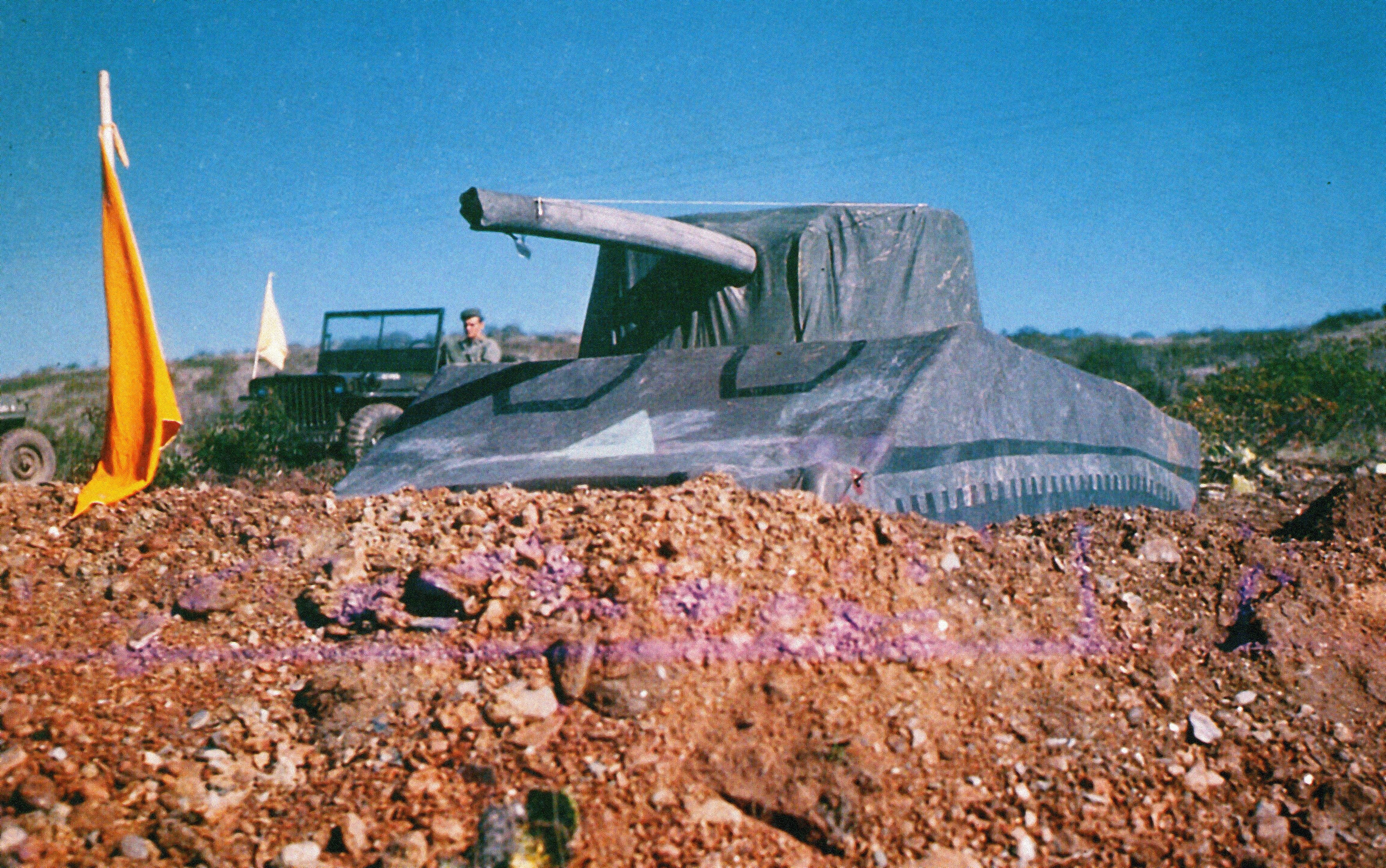
The deception goes beyond appearances. According to Forces News, many decoys include built-in heat sources, giving them infrared signatures that closely resemble real vehicles when viewed through thermal sensors or targeting systems.
Ukraine is not alone in using deception. Russia has deployed inflatable fighter jets at northern airfields and fake T-72 tanks in Ukraine. China also produces military decoys, though Western analysts generally consider them less convincing.
The tactics continue to evolve, BFBS noted. In Ukraine, decoy drones have appeared alongside mock Starlink terminals, designed to draw fire away from real communications infrastructure.
Ukraine War
— ACONTECENDO (@Acontece_ndo) September 25, 2023
RUSSIANS START USING INFLATABLE TANKS
A Ukrainian drone operator from the “Khorme Group” unit spotted three Russian tanks in the direction of Zaporizhzhia. A more detailed analysis showed that they were inflatable models placed close to the line with the purpose of… pic.twitter.com/DoHwMan9QQ
Future iterations may go even further. Engineers are exploring smoke generators to simulate engine exhaust, as well as electronic components capable of emitting false radio or radar signals.
In an era defined by AI, satellites, and autonomous weapons, Ukraine’s use of decoys underscores a simple truth: deception remains one of the most powerful tools in warfare.
By forcing Russia to expend valuable munitions and misdirect its reconnaissance, these low-tech solutions are helping protect lives—and proving that even on the digital battlefield, the oldest tricks can still work, Forces News concluded.
Earlier, reports emerged that Ukraine was moving to build what officials described as an “anti-drone dome” over the country.
Discuss this article:
-9bd5e1532102621f8fb1c4ba871a3171.png)


-c439b7bd9030ecf9d5a4287dc361ba31.jpg "Photo of Katherina Popilnichenko")