- Category
- Latest news
How Ukraine Adapts as the War Pushes Both Armies Toward Their Limits
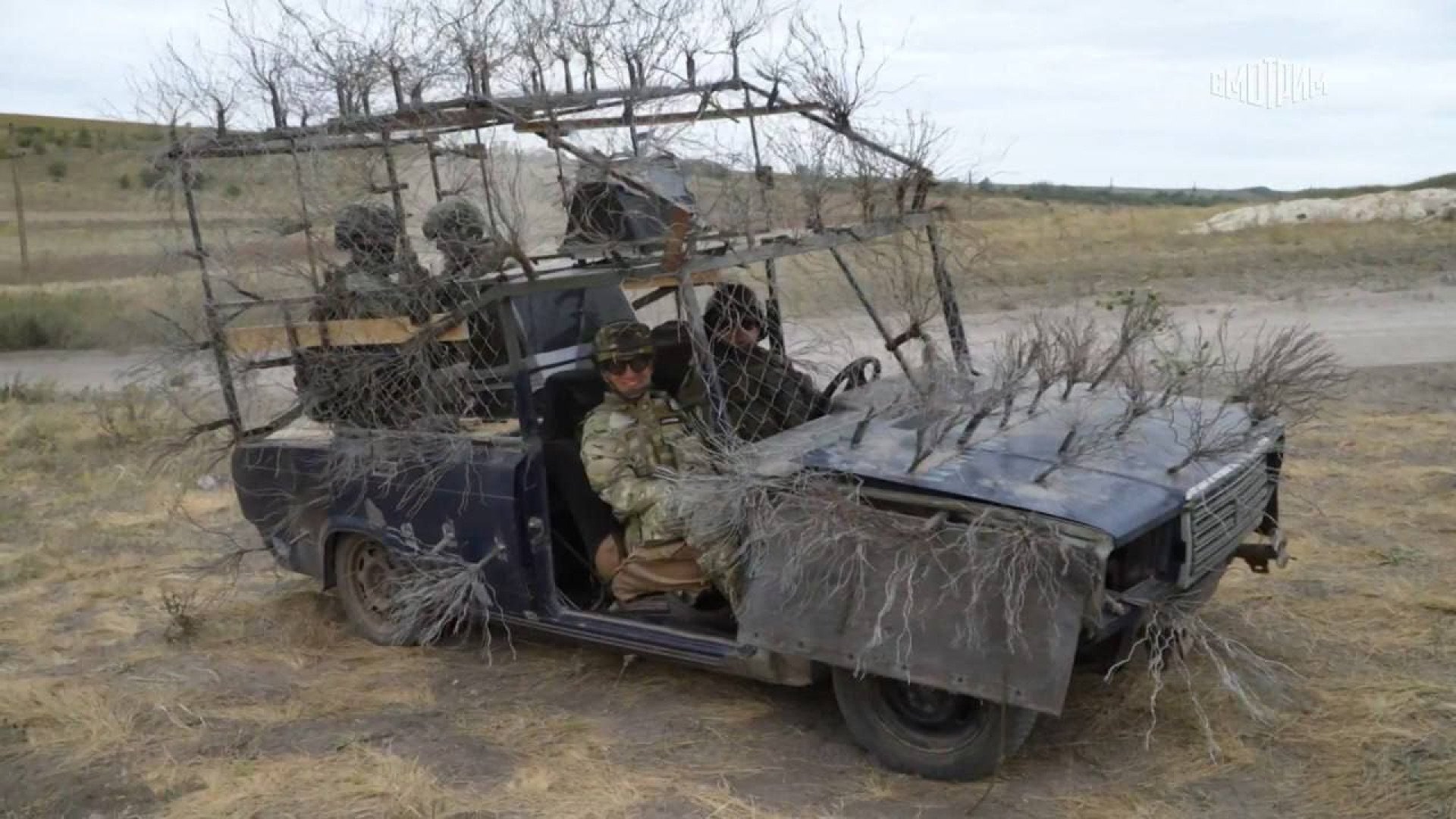
By the end of 2025 and the beginning of 2026, the war has entered a phase where there are no easy narratives left—only exhaustion. Both Ukraine and Russia are operating at the limits of what their militaries, economies, and societies can sustain.
 Prefer U24 Media on Google
- Authors


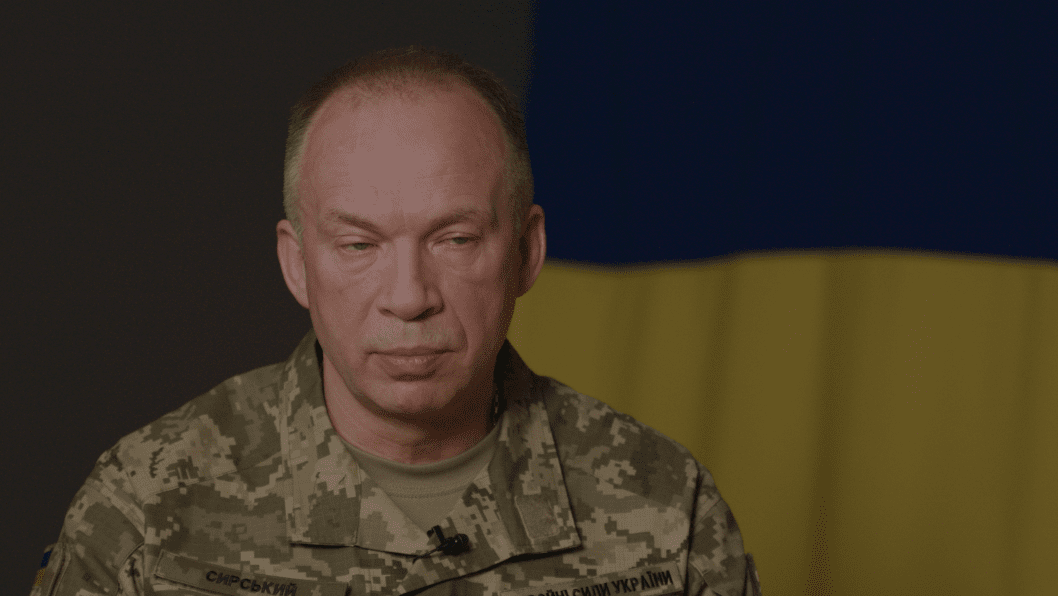
Military analyst Kyrylo Danylenko, known by the callsign Ronin, describes the situation as two blindfolded gladiators—andabatae of ancient Rome—swinging at each other in the final round or boxers in the twelfth round, still standing but running on fumes, in an article on LB.ua on January 9.
We bring you stories from the ground. Your support keeps our team in the field.
Manpower shortages, ammunition rationing, drone deficits, artillery limits, shortages of skilled defense-industry specialists, and chronic funding pressure define the battlefield on both sides.
This is no longer theoretical attrition. The system is strained to the breaking point.
Ukrainian drone pilots buzzing horses until they buck off the Russian soldier then striking the soldier on the ground pic.twitter.com/wzFtrq35Ro
— Preston Stewart (@prestonstew_) January 7, 2026
Russia’s manpower myth
Moscow routinely points to Ukraine’s infantry shortages. But Russia faces the same problem—often more visibly, Danylenko noted.
An army that supposedly has “no infantry issues” does not suffer encirclements near Kupiansk or operational collapses across an 8–10 km front near Dobropillia.
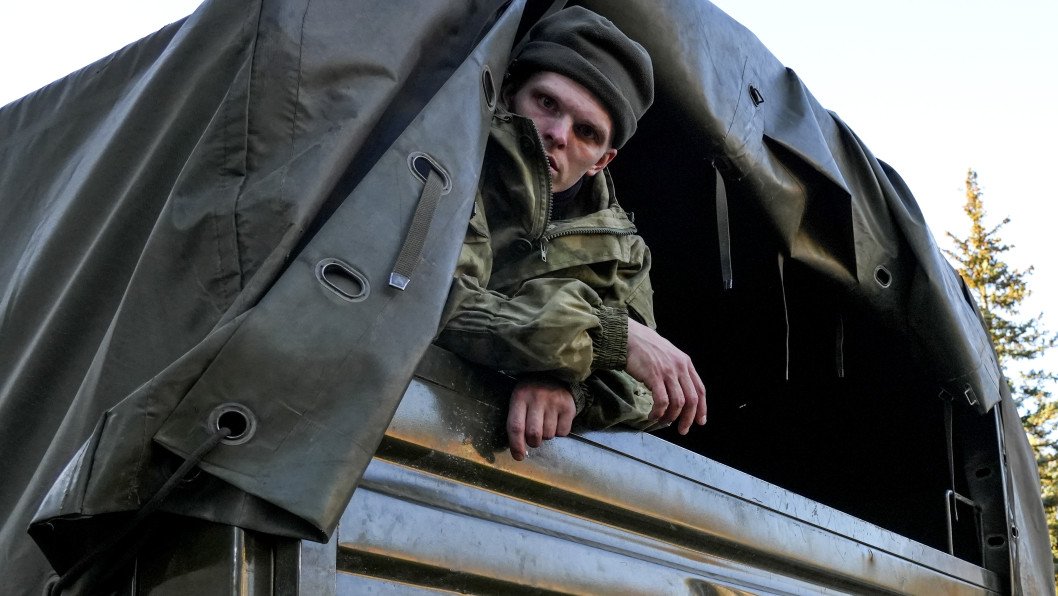
It does not recruit mercenaries from Africa and Bangladesh. It does not strip personnel from the navy and air force—up to 30% of ship crews—and convert them into improvised infantry.
-6359eca46c72bde40a90abaaadd6eaa8.png)
The math Russia can’t escape
Drone commander “Madyar” reported that Ukraine’s Unmanned Systems Forces disabled or killed more than 33,000 Russian personnel in a single month, with Ukrainian President Volodymyr Zelenskyy confirming the information.
Even discounting 10% for error or overcounting, that still leaves around 30,000 casualties.
❗️🇺🇦Ukrainian fiber-optic FPV drones attack 🇷🇺Russian targets at distances of 50 km. pic.twitter.com/muacTCmV5e
— 🪖MilitaryNewsUA🇺🇦 (@front_ukrainian) December 29, 2025
Those losses are compounded by artillery fire (up to 40% of casualties), small-arms combat, accidents, illness, desertion, and administrative write-offs, Danylenko stated.
The Kremlin’s reported intake of 30,000–35,000 contract soldiers per month is effectively erased on the battlefield. Russia’s force—estimated at over 600,000 troops—is not growing. It is aging, degrading, and hollowing out.
Why “advancing” isn’t winning
Yes, Russian forces continue to push forward—but context matters.
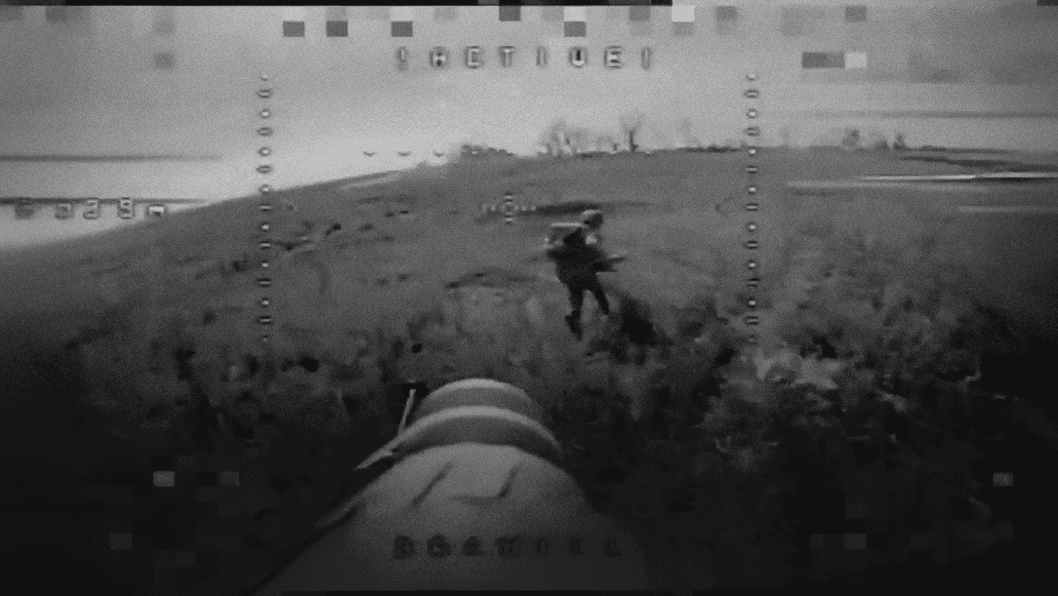
Even a “successful” campaign near Siversk has involved months of fighting over road junctions, tree lines, and rail embankments, with progress measured in hundreds of meters per day at the cost of entire battalions.
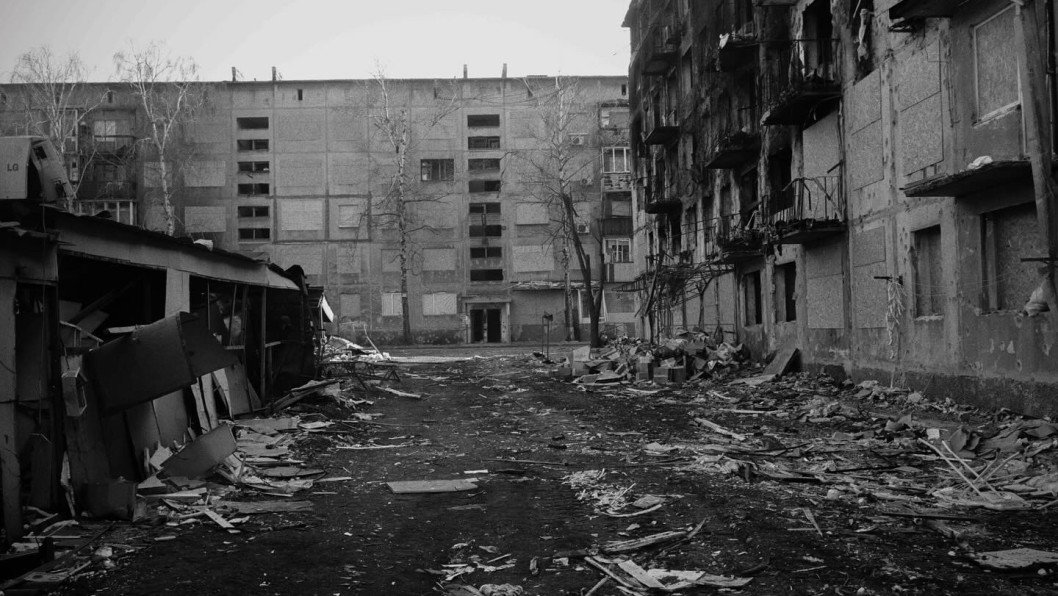
By the time Russian troops reach a town, civilians are gone, industry has been evacuated, and what remains are ruins, mines, and constant drone strikes.
No regional capital is fully under Russian control—not Pokrovsk, not Myrnohrad, where roughly 15% of urban areas still hold Ukrainian positions sustained by drones, including ground platforms.
There has been no front collapse. What Ukraine is executing is a controlled withdrawal under pressure from an enemy that still outguns it in shells, sorties, and manpower.
What changes next on the battlefield
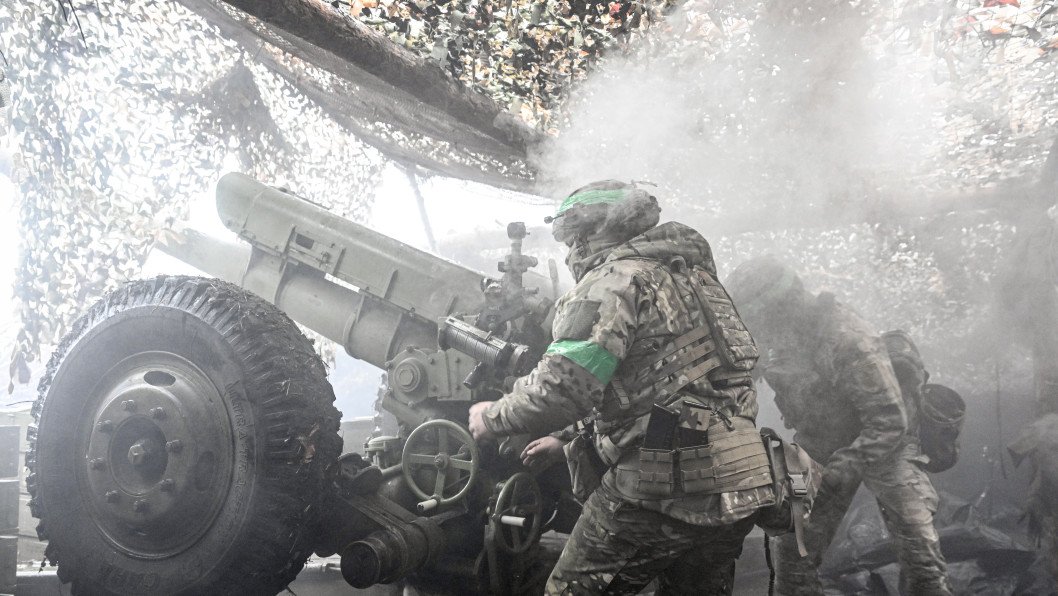
Territorial Defense Forces (TDF) can no longer deploy lightly armed, Ronin notes. TDF and rifle brigades must be rearmed with:
105mm and 155mm towed artillery;
120mm mortars;
domestic MANPADS;
second-generation ATGMs (“Stugna-P,” “Korsar”);
mines and rotary grenade launchers.
With manpower scarce, every trained unit becomes too valuable to waste.
Artillery in the drone era
Ukraine is on track to field:
~200 Bohdana SPGs (Tatra/Mercedes chassis);
At least 20 RCH-155;
~30 European SPGs per month.
This would yield a force of 700+ modern artillery systems. The problem is not vehicles—it’s barrel life, which averages 2,000–2,500 rounds, Ronin wrote.
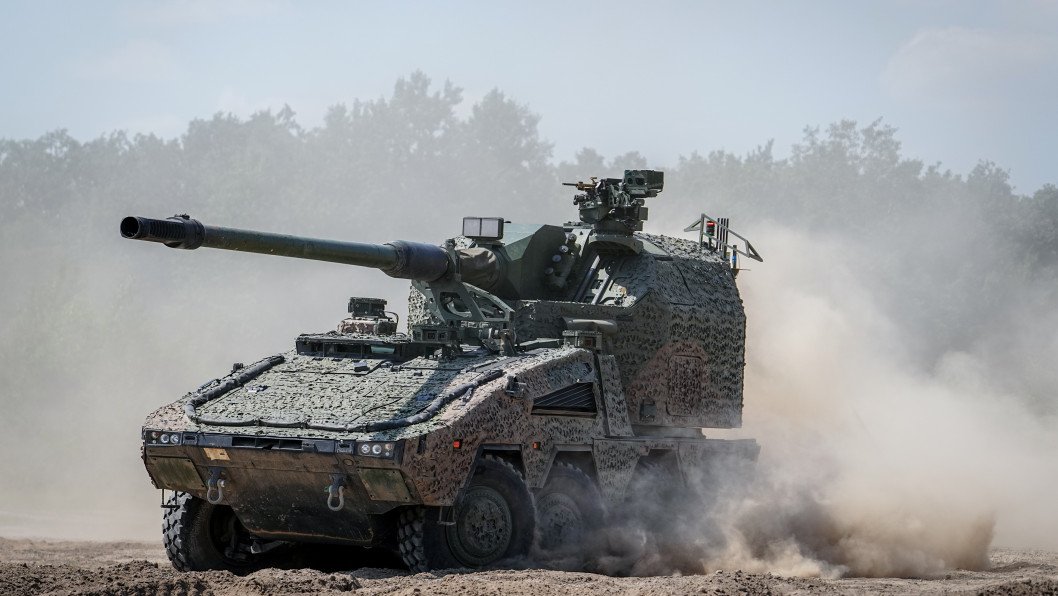
One solution is a mobilization-grade gun: towed Bohdana variants or 105mm artillery (L119/M101 equivalents). The 105mm caliber is accurate, mobile, Humvee-deployable—and crucially, South Korea alone holds 3.4 million rounds in reserve as it transitions to 155mm.
Using 105mm guns conserves scarce propellants and frees 155mm production for precision munitions.
The Separate Artillery Brigade of the NGU operating its Bohdana self-propelled howitzer.
— 𝔗𝔥𝔢 𝕯𝔢𝔞𝔡 𝕯𝔦𝔰𝔱𝔯𝔦𝔠𝔱△ 🇬🇪🇺🇦🇺🇲🇬🇷 (@TheDeadDistrict) January 2, 2026
1/ pic.twitter.com/eQbUt76mJK
Air power: realistic expectations
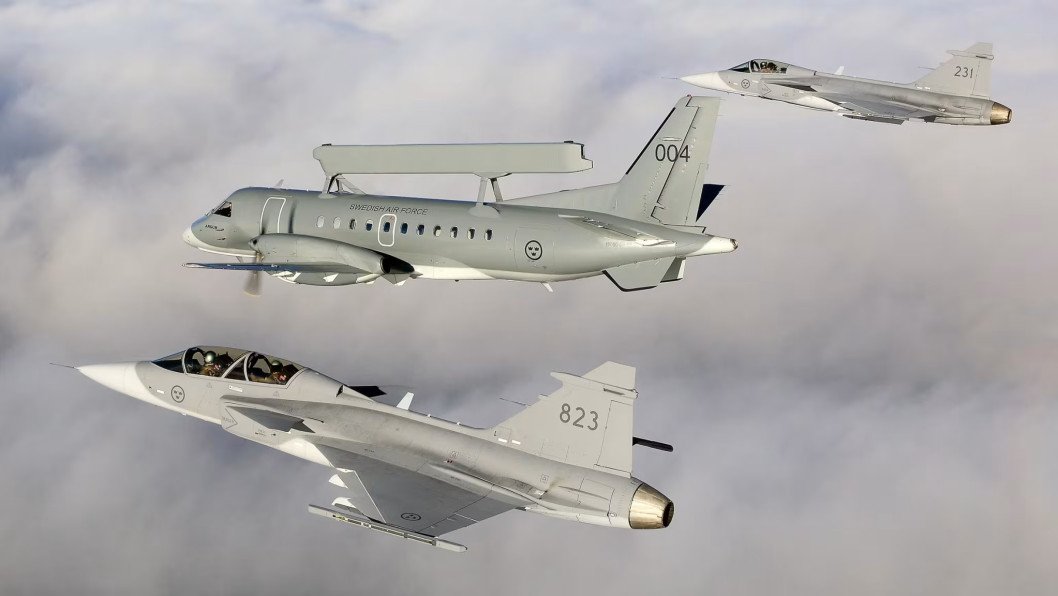
Ukraine will continue receiving Western aircraft, reaching 65–70 fighters by summer 2026.
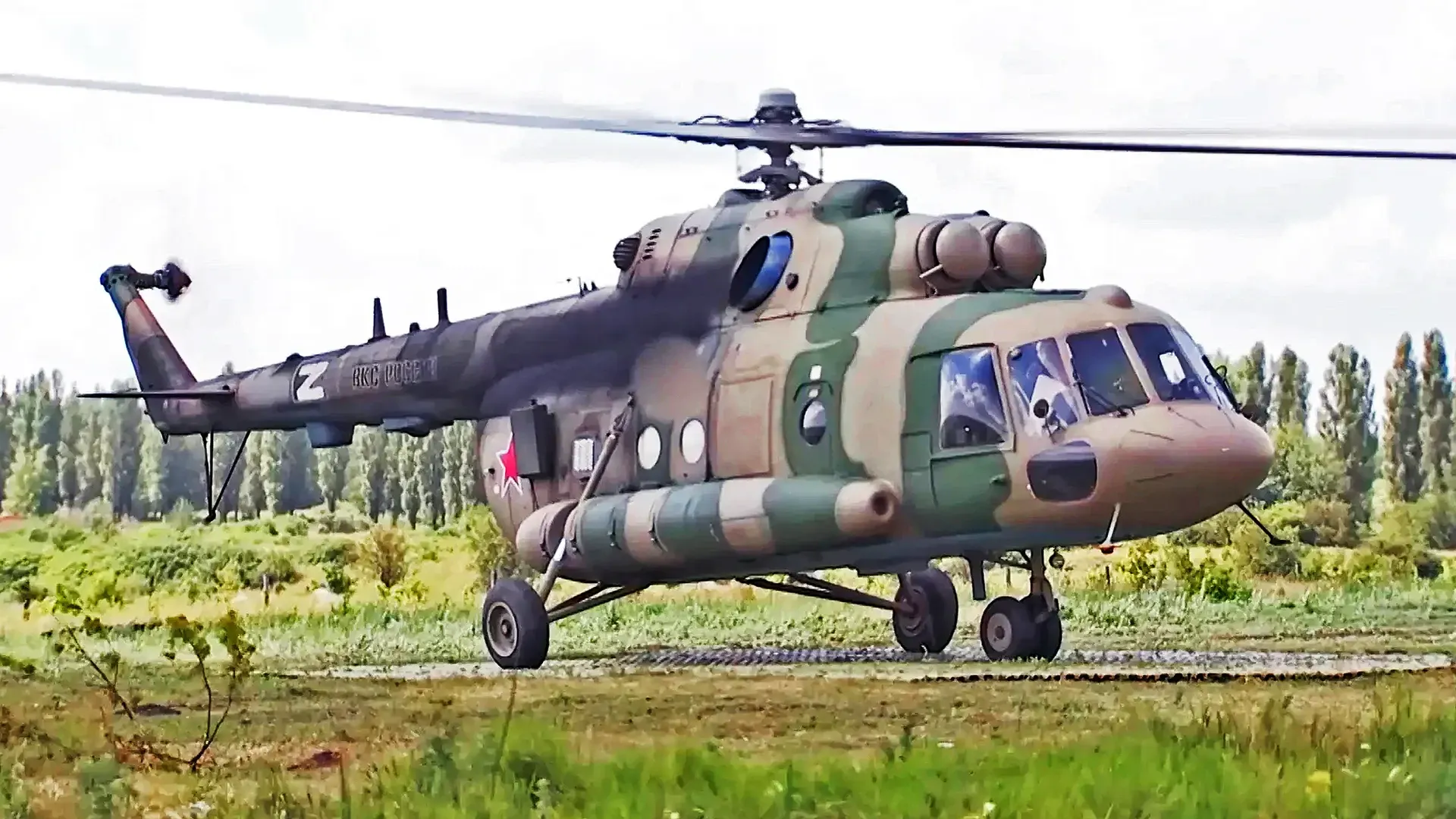
Mass interception of Su-34s at the front remains unrealistic. Instead, priority targets are Mi-8MTPR-1 “Rychag-AV” electronic warfare helicopters. Even the threat of AIM-120D engagements forces them deeper into Russian rear areas, enabling Ukrainian air defenses.
F-16s already play a major role in intercepting Shahed drones and cruise missiles, operating from a dispersed “spiderweb” of forward airfields.
Systematic interception of Su-34/35 will require future platforms like Gripen or Rafale. Until then, the smarter approach is saturating Russian defenses with AASM Hammer, JDAM-ER, and AGM-88 HARM, methodically dismantling radar networks.
Drones: a new backbone, not a replacement
Ukraine’s Unmanned Systems Forces are growing toward 30,000 specialists, forming a new defensive backbone. But pilots are not mass-produced. Training takes months.
Technologically, Ukraine is advancing fast: fiber-optic drones, autonomous swarms with machine vision, and EW-resistant control.
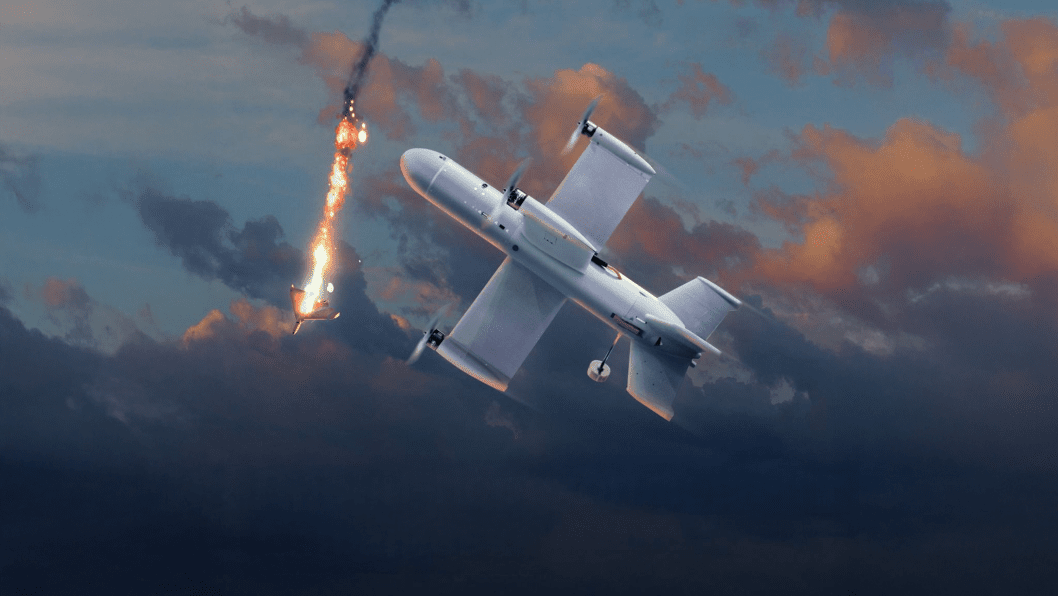
But across a 1,000-km front, drones cannot replace infantry. They function as rapid-response “fire brigades,” not holding forces, Danylenko stated.
Engineering matters more than ever: anti-tank ditches with concertina wire, dragon’s teeth, concealed minefields, specialized drone-operator shelters, and arched trench networks that allow infantry to survive glide-bomb attacks.
Assault infantry of 2026
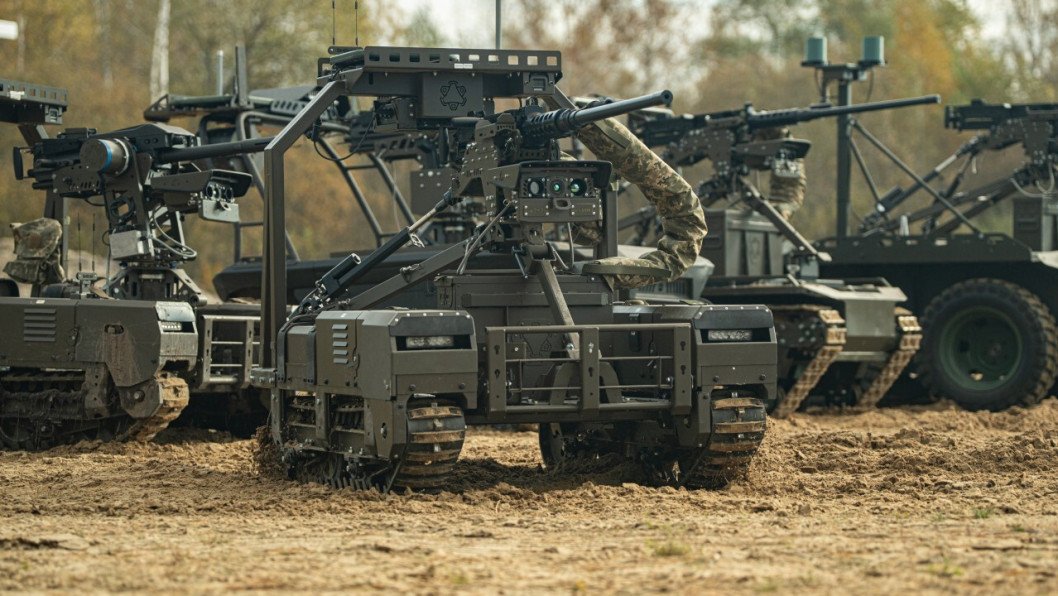
Ronin states that modern assault troops must survive under 3–5 FPVs attacking simultaneously, coordinate with portable EW, use shotguns for close-range drone defense, and employ “grenade conveyor” tactics—continuous explosive pressure ahead of assault teams.
These units have proven decisive near Kupiansk, Huliaipole, and in the Sumy region crisis responses.
The hard truth about mobilization
According to Danylenko, AWOL cases will continue. There are no painless fixes. When the worst punishment is being sent back to the front, avoidance is inevitable.
Financial incentives help—but even aggressive programs like “Contract 18+” didn’t create queues. Housing support, low-interest mortgages, and bonuses are necessary, but mobilization remains unavoidable.
Internal problems—“paper armies,” falsified reports, commanders hiding losses—remain lethal. When battalion-level leadership wages “slide-deck wars,” real positions are lost, and lives follow.

Raising the cost of aggression
Ukraine’s strategic task is simple: make the war unaffordable for Russia, Ronin wrote.
Russia’s real economy is cracking:
KAMAZ is drowning in $1.2 billion of debt;
Kuzbass coal is loss-making;
Russian Railways faces collapse from bearing shortages and 2,500 missing engineers;
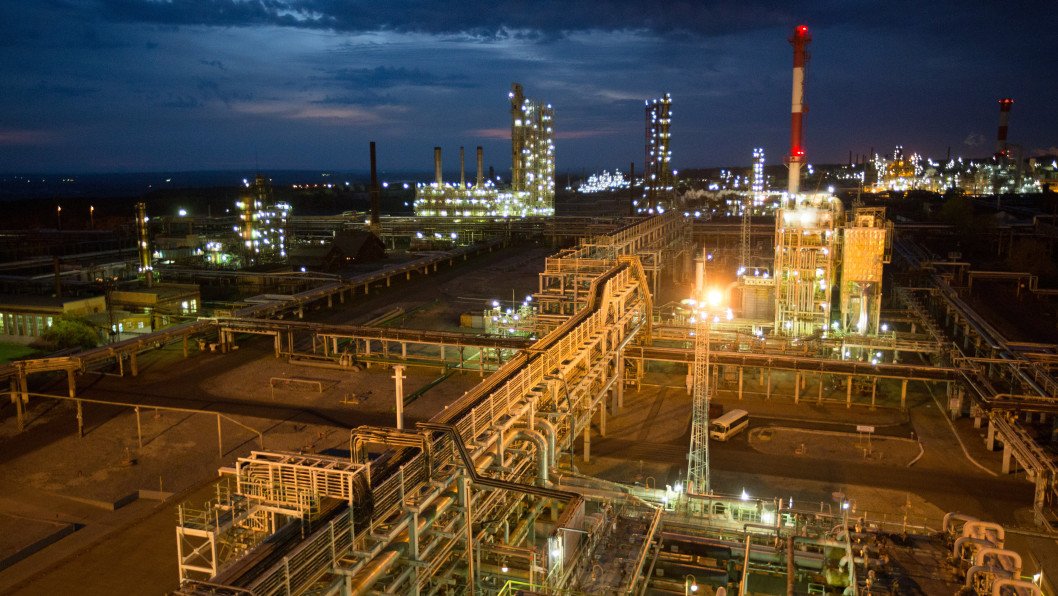
refinery strikes and the “tanker war” have pushed Russia’s budget deficit beyond 4 trillion rubles, with real inflation exceeding 25%.
History’s verdict
The Soviet Union once controlled Kabul, Kandahar, and most Afghan cities with overwhelming firepower—and still lost the war.
“Russia today does not even control Ukraine’s regional capitals. It will not conquer Ukraine,” Danylenko concluded.
Discuss this article:

-72b63a4e0c8c475ad81fe3eed3f63729.jpeg "Photo of Cyril Barabaltchouk")

-2232920be2c2768100ea7818ba05831c.jpg "A large plume of smoke rises near the Gazprom Neftekhim Salavat oil refinery in Russia’s Bashkortostan following a reported attack on October 8, 2026. (Source: Exilenova+)")