- Category
- War in Ukraine
“You Are Your own Client.” How Ukraine’s Army Is Building Powerful Branding From the Trenches
War isn’t won by weapons alone. Ukraine’s Armed Forces are using battlefield grit and message discipline to rally a nation to resist the Russian aggression, building a fighting force from the ground up.
 Prefer U24 Media on Google
- Authors


For nearly all the years of Russia’s full-scale war, a distinct branch of marketing has emerged in Ukraine—military marketing. Various units have launched dozens of communication campaigns aimed at drawing—and competing for—the attention of potential recruits. Every military unit seeks the most intelligent and disciplined fighters in its ranks.
How have the armed forces developed different communication styles? And which campaigns are proving the most effective in motivating people to volunteer for service?
An ancient art
In ancient Rome, military service was initially mandatory for citizens—any adult male citizen could be mobilized. However, around the mid–1st century BCE, the legions also began accepting volunteers from poorer citizens, who had previously not been recruited into the army.
Still, one could argue that the Crusades were one of the first true large-scale marketing campaigns to draw people into military service. Pope Urban II’s idea of waging war for the sake of faith was amplified through sermons across Europe, appeals to fulfill a sacred duty, and a kind of promised bonus—the indulgence of sins. Most likely, this was the first instance in history in which a coordinated international communication campaign was used to recruit an army across vast territories.
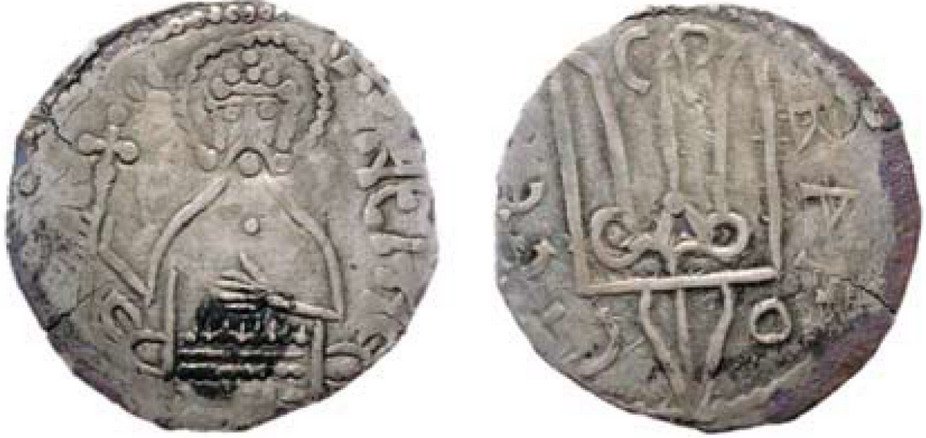
Incidentally, the origins of the modern logo of the Armed Forces of Ukraine also date back to that era. The trident of Prince Volodymyr the Great of Kyiv was minted on coins a thousand years ago—and today it is the army’s chief symbol.
In more recent centuries, the Napoleonic Wars stand out in terms of recruitment. Printed posters, powerful visual symbols, slogans, graphics, and mass mobilization through communication all came into play.
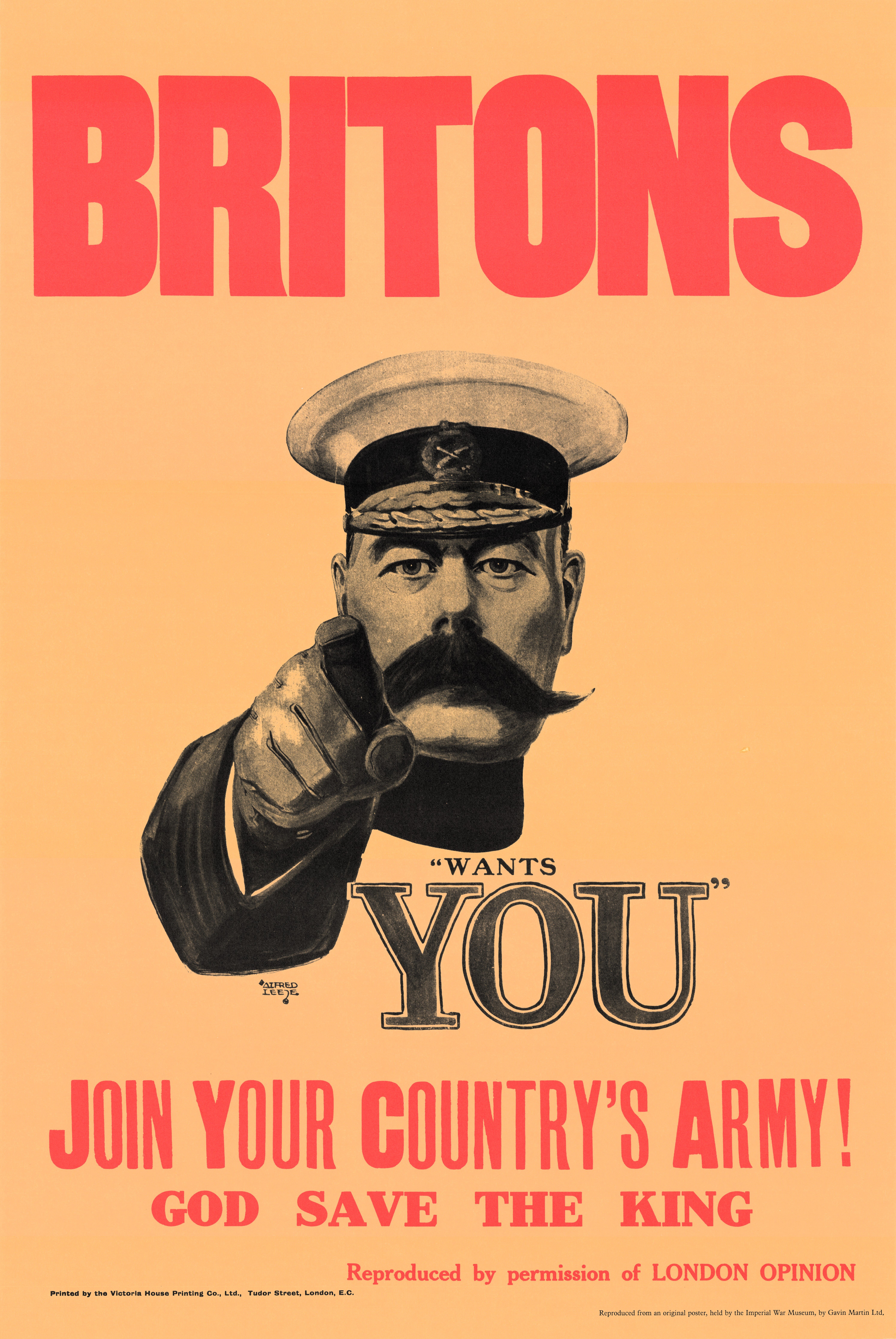
And during World War I, advertising campaigns emerged that remain iconic to this day. For example, the image of Britain’s Secretary of State for War, Lord Kitchener, is for many the embodiment of military spirit. Moreover, this poster is considered one of the first successful uses of a celebrity in advertising altogether.
A few years later, Uncle Sam appeared on US posters, staring straight into one’s soul: “I Want YOU for US Army.” The same image was actively reused two decades later during World War II.
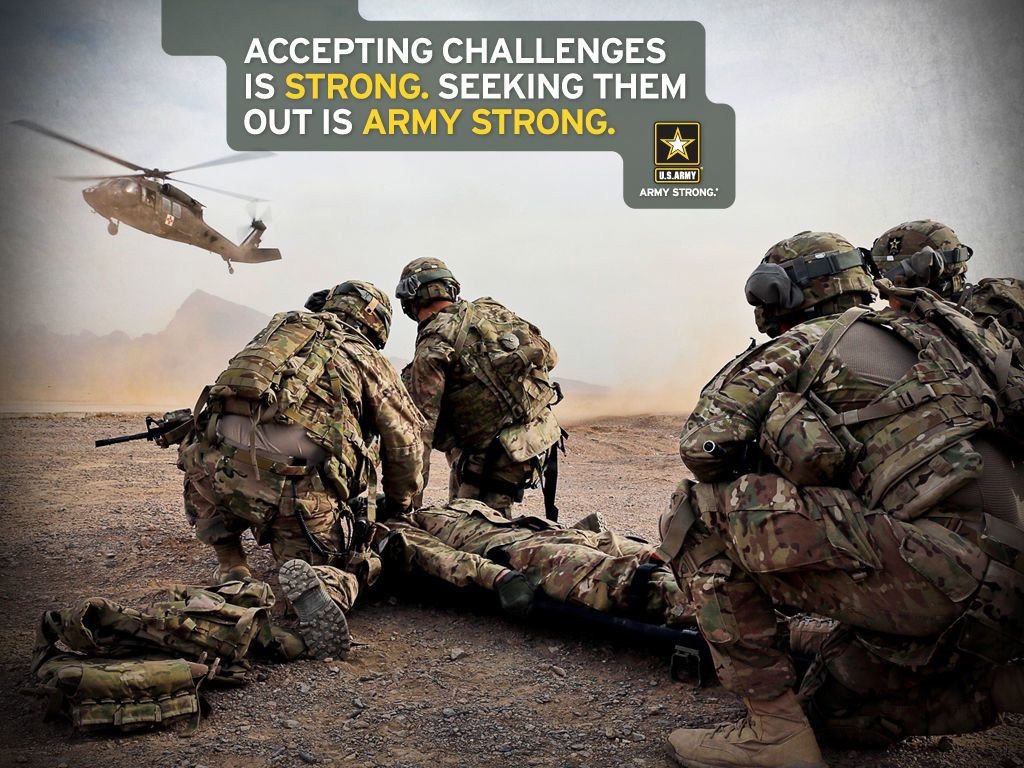
Today, advertising for service in the US Army is a fully developed ecosystem.
“One of my dreams is to meet the marketers of the US military,” says Ukrainian servicemember Taras Ishchyk, who created the visual style of the Ukrainian Armed Forces. “I’d love to talk with them as specialists because they do incredible work. All their external communications function as a single system. And that’s the right approach, because through design and everyone’s adherence to these rules, we show civilians that the army is a disciplined structure. It is innovative, advanced, and unified by shared values.
It has history and traditions, which are conveyed in part through graphic design—insignia, colors, advertising communication, and so on. It shows that everything works as one organism and acts accordingly.”
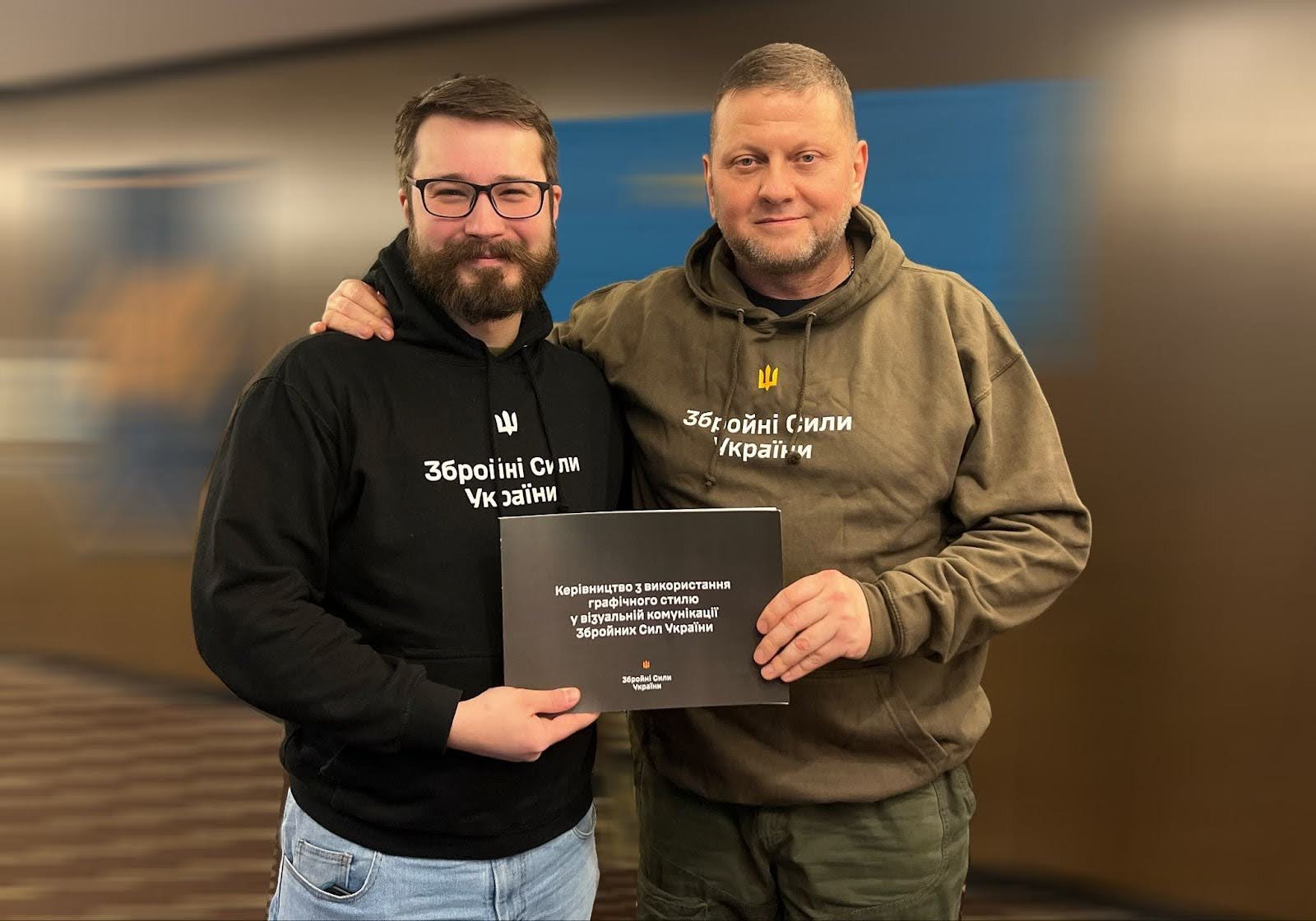
Before Russia’s full-scale invasion, Ishchyk worked as a marketer developing a confectionery brand. Now he helps the Ukrainian Armed Forces present themselves as a modern military. Because while the US military has spent more than a century developing its identity, Ukraine’s armed forces had to build theirs literally on the move—and from the trenches.
Ukraine’s frontline brand builders
The branding of Ukraine’s army began developing back in 2014—when Russia first invaded. But it evolved rather chaotically and without a system.
After 2022 and Russia’s full-scale invasion, however, the Armed Forces of Ukraine effectively became the country’s primary national brand. Individual units began independently developing and using marketing tools to meet their own specific needs. Over nearly four years of competition for public attention and resources, several leaders emerged—units that earned the greatest trust and recognition, as well as financial support and, most importantly, a steady flow of recruits.
Such units include, for example, Azov, the 3rd Assault Corps, and Khartiia. Their communication campaigns differ significantly in tone and messaging.
“Mom, I’m in Azov.”
For instance, the stylistic approach of the now-famous Azov — renowned for its steadfast defense while fully encircled in Mariupol—is measured, calm, and self-assured. This is a unit that has nothing to prove. Hence, one of its billboard messages: “Actions matter, not photos on a banner.”
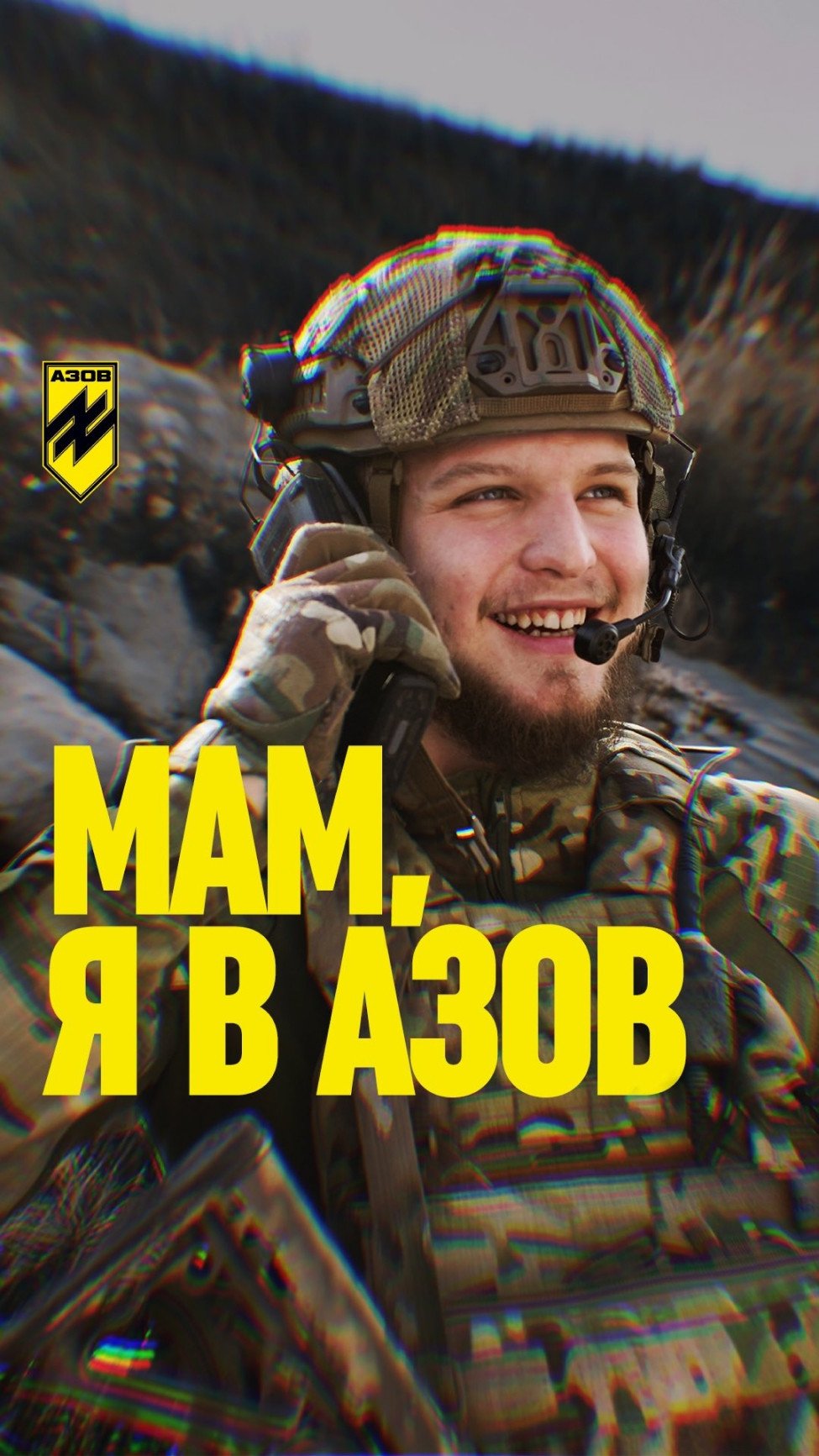
Another widely discussed campaign by the brigade essentially conveys that this is a unit as professional as they come. In the ad, fighters say, “Mom, I’m in Azov.”
The point is that you wouldn’t even be afraid to tell your own mother you’re joining Azov, says Sasha Medvynskyi, a veteran and founder of the creative initiative for the Armed Forces, Community 0. Creatives identified a powerful insight: many fighters tell their loved ones they’re going into battle—but not their mothers. With Azov, there’s enough confidence to tell even them. This resonates with a pragmatic, intentional audience—people who are willing to fight but want to make the decision carefully and rationally.
Another campaign by the unit caused a major stir in Ukraine. Referring to their loved one, the main characters in the ad proudly say, “Mine is in Azov,” while a conversational partner in the background frets anxiously about the future. The creative team aimed to demonstrate that belonging to Azov is not a source of worry, but rather a point of pride and reassurance for loved ones. That message resonated even more when viewers learned that one of the actors—who delivers his line as a proud father—is, in real life, the father of a daughter currently serving in the brigade.
The Khartiia Brigade
The “Khartiia” Brigade, which defends the Kharkiv region, has its own distinct style.
“The overarching idea we promote as a unit in our communications is the creation of a new Ukrainian military—one built on the principles of valuing human life, respecting human dignity, professionalism, and defending statehood. All our campaigns are centered around this,” says Volodymyr Dehtiariov, head of the brigade’s public affairs office.
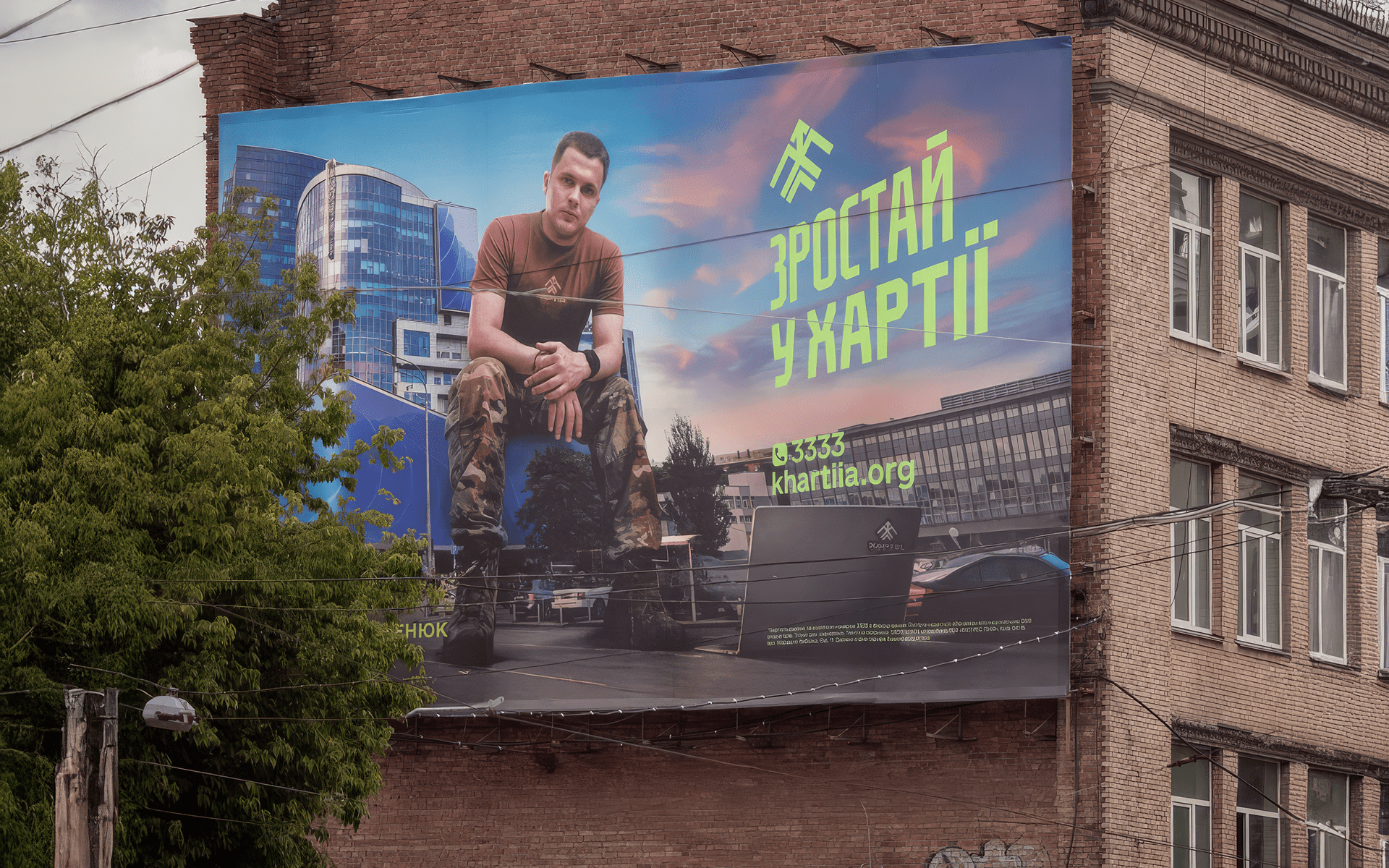
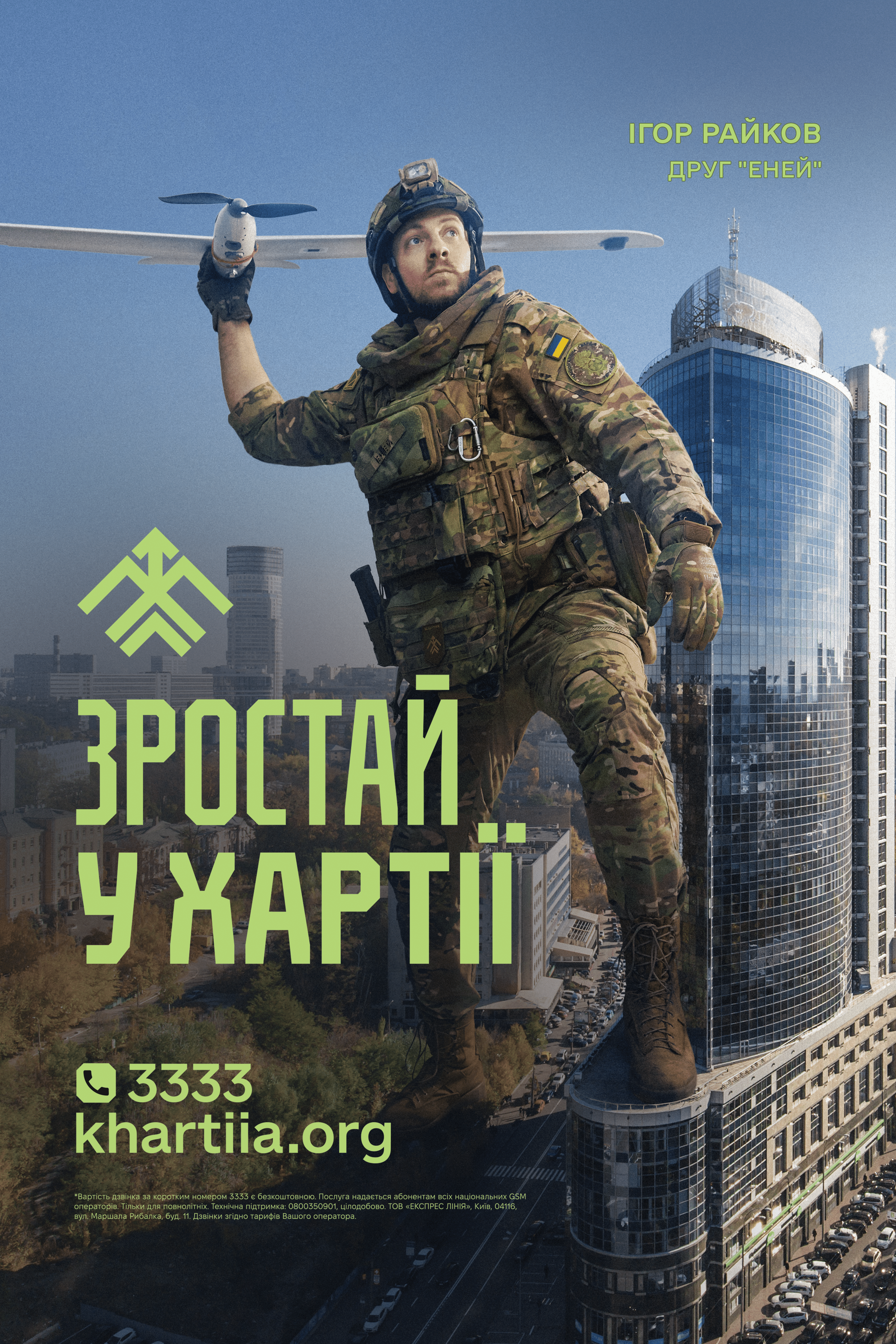
One notable campaign, for example, was Grow with Khartiia, where real soldiers from the unit appeared as giants set against various landscapes. The concept powerfully conveyed the message: “We were highlighting the stories of professional growth among our fighters, instructors, specialists, and commanders.”
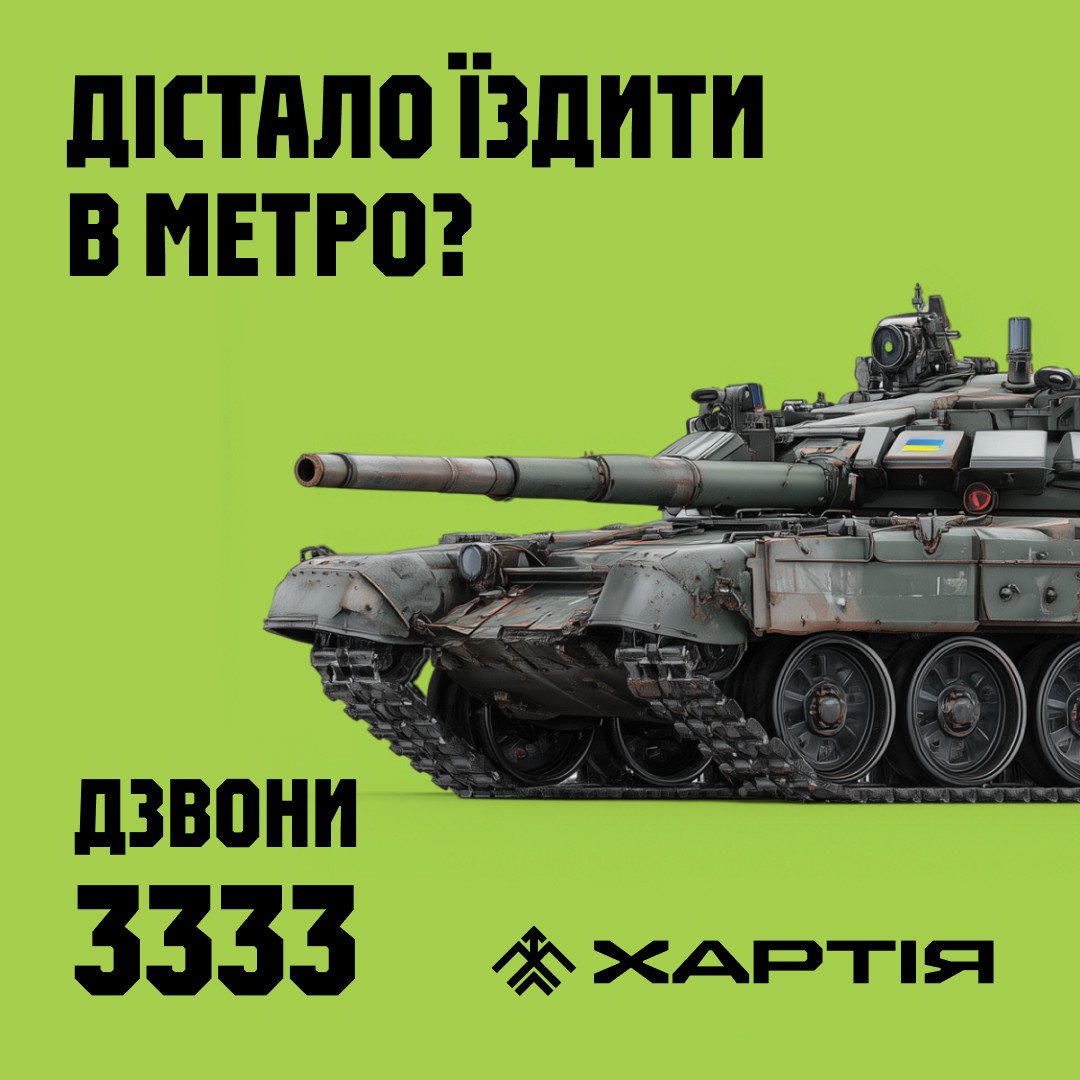
The current campaign, named after recruiting hotline—3333—uses irony to remind viewers of the everyday problems of civilian life: high utility bills, traffic jams, communication issues, or dissatisfaction with one’s appearance—and shows how, in the military, those problems seem to resolve themselves.
3rd Assault Corps
The Azov Territorial Defense volunteer detachment in Kyiv was formed immediately after the full-scale invasion, in February 2022. In January 2023, it expanded into the 3rd Separate Assault Brigade. Then came acts of heroism on the hottest sectors of the Donetsk front: Bakhmut, the liberation of Andriivka, and the Avdiivka campaign. In 2025, based on this combat experience and proven effectiveness, the 3rd Army Corps was established. And absolutely everyone in Ukraine has seen their ads.
“The creative process in the ‘Third’ is almost no different from that in a creative agency,” says the head of the 3rd Corps art department, Fedir Boiko. “Even the routine is the same: there’s coffee, sometimes dogs in the office, brainstorms, shouts of ‘Aaaaah,’ and dialogues like ‘Does it work? Looks like it does.’ The first key difference is the matter of war. It’s specific—you have to treat it carefully and attentively. Another difference, more procedural, is that you are your own client. That speeds some things up.”
He notes that in every communication campaign, it is crucial to understand the public mood and the state of society. To sense when people need to be stirred by provocation, and when soothed by a warm story. In other words, to “find the nerve.”
Their first major campaign centered on a phrase that roughly translates as “Join the 3rd Assault,” but replaces the neutral verb join with something far more forceful and alive. The Ukrainian word vryvaisia can literally mean “burst in” or “charge in,” and in this context is best rendered as “Break into the 3rd Assault”—a slang-inflected call to act fast and aggressively.
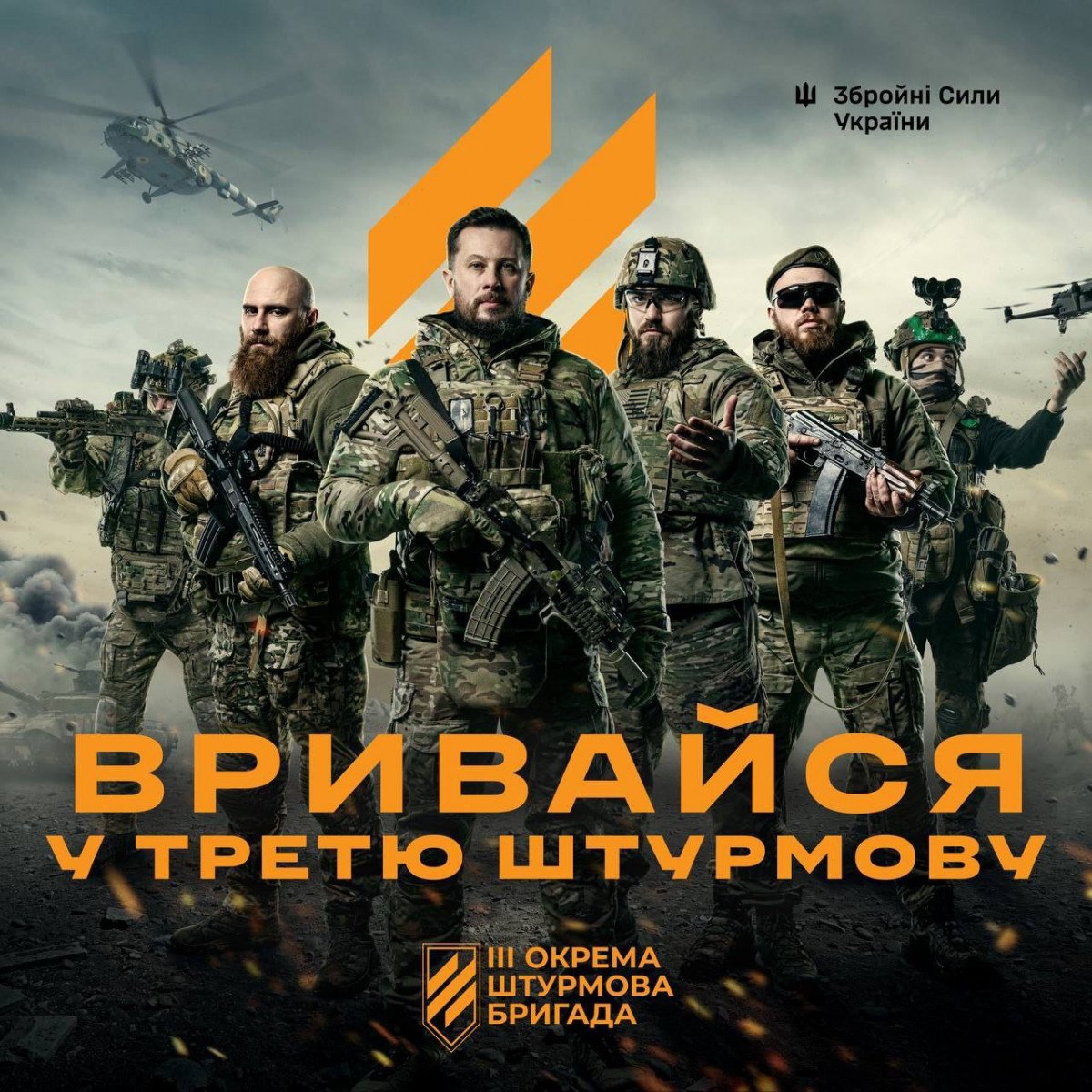
The campaign emerged during the first year of the full-scale invasion, when large numbers of people were enlisting in the Armed Forces. The raw, informal wording resonated with young, bold recruits. A similar atmosphere of camaraderie and shared identity shaped the next wave of slogans, including: “Summer. Our people. 3rd Assault.”
The Corps’ core audience is made up of daring young men and women seeking a demanding test of their strength, resilience, and commitment.
And what would you say about Godzilla—or even aliens—appearing in the advertising of one of the most combat-ready units on the planet?
When the world goes mad
“Preparing for any scenario”—this was the Corps’ response to the societal mood in 2025, when the country was at a crossroads: “What happens tomorrow?” No one knew—but it was better to be with those doing everything possible to be ready.
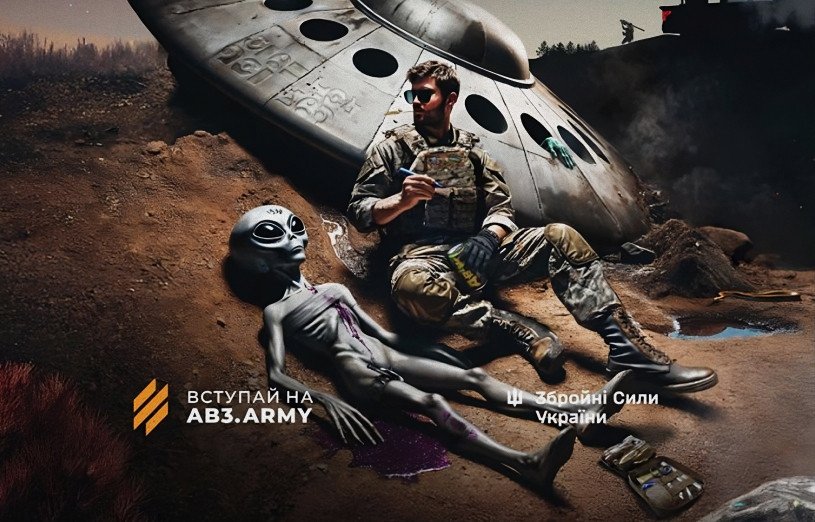
“It was difficult to hold onto reality in this campaign,” recalls the Corps’ creative director, Vlad Kulyk. “Rhetoric shifted sharply, talk of an immediate ceasefire began, Trump made statements, and there was a scandal in the Oval Office. Chaos and madness were everywhere; society swung from ‘peace tomorrow’ to ‘nuclear apocalypse the day after.’ It took us a long time to find the message: the world has gone mad, so it’s better to be with those unfazed by anything. In the ‘Third,’ we’re ready for any scenario—and we’ll prepare you.”
The Corps’ latest campaign is entirely different. At its core is the message “We’re here to live,” and its visuals depict life-affirming moments—even against the backdrop of war.
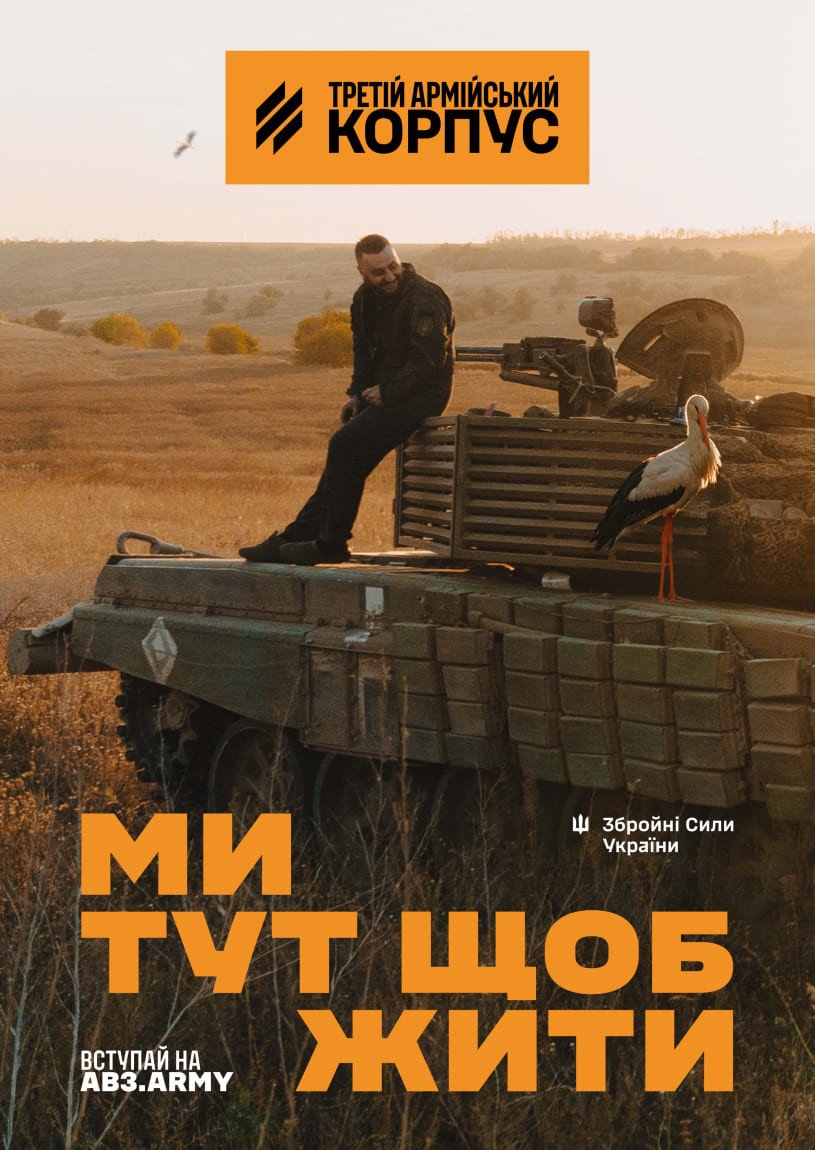
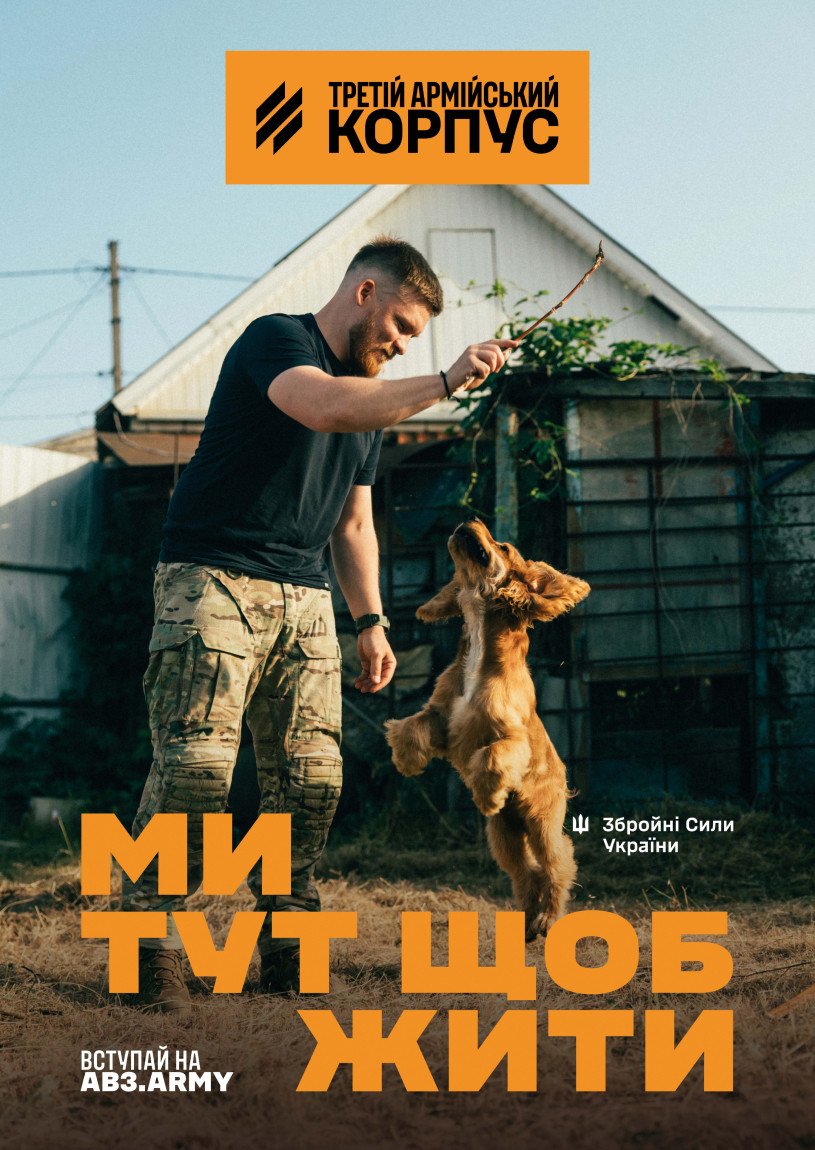
“This is a response to the new nerve: ‘There will be no backroom deal,’” said Kulyk. “And instead of climbing into a death pit, the Corps says: we’re here, and we’re living. We’re launching projects, developing them, and at the same time, defending what’s ours. When a war is total, it’s better to be in a place where the human being is the center.”
For this campaign, the 3rd Corps even conducted neuro-research to understand how people would react to the change in communication and branding. The results confirmed the creatives’ hypothesis.
Overall, the process of generating communication campaigns in the unit is almost continuous. There are collective brainstorms and individual ones. AI-based tools allow quick generation of poster prototypes, potential video scenarios, and slogan drafts. Many ideas are filtered out as less successful or less relevant for the moment. For example, the idea of a “Rambo IV”-style video—with the famous fighter Farsh mowing down evil Burmese soldiers with a machine gun—was dropped, Kulyk says.
Though cinema wasn’t entirely absent: in January, the film “Killhouse,” which prominently features the 3rd Corps, is premiering in Ukrainian theaters.
The Corps has also ventured into the music industry. Fighters have collaborated with popular Ukrainian bands such as DK Energetyk and ZWYNTAR.
What’s more, they have even launched their own music label, ab3_music. The first release was FPS, a compilation by phonk artists. “We put together tracks for those who move through chaos and stare into the darkness like a predator.”
Overall, their YouTube channel—where they publish everything from combat footage and music videos to a kind of talk show with fighter interviews—boasts an impressive 1.6 million subscribers.
Showing the war as it is
Arguably, the clearest indicator of effective communication campaigns is that these units are able to meet their own recruitment needs independently.
Of course, communication alone is not enough—it must be backed by competent command, proper training, and effective logistics. But in today’s world, the ability to present and tell one’s story ultimately contributes to success on the battlefield as well.
Discuss this article:



-72b63a4e0c8c475ad81fe3eed3f63729.jpeg "Photo of Cyril Barabaltchouk")