- Category
- War in Ukraine
Ukraine’s Drone Strikes Hit Up to 100,000 Russian Troops in Late 2025—2026 Plans Aim Higher
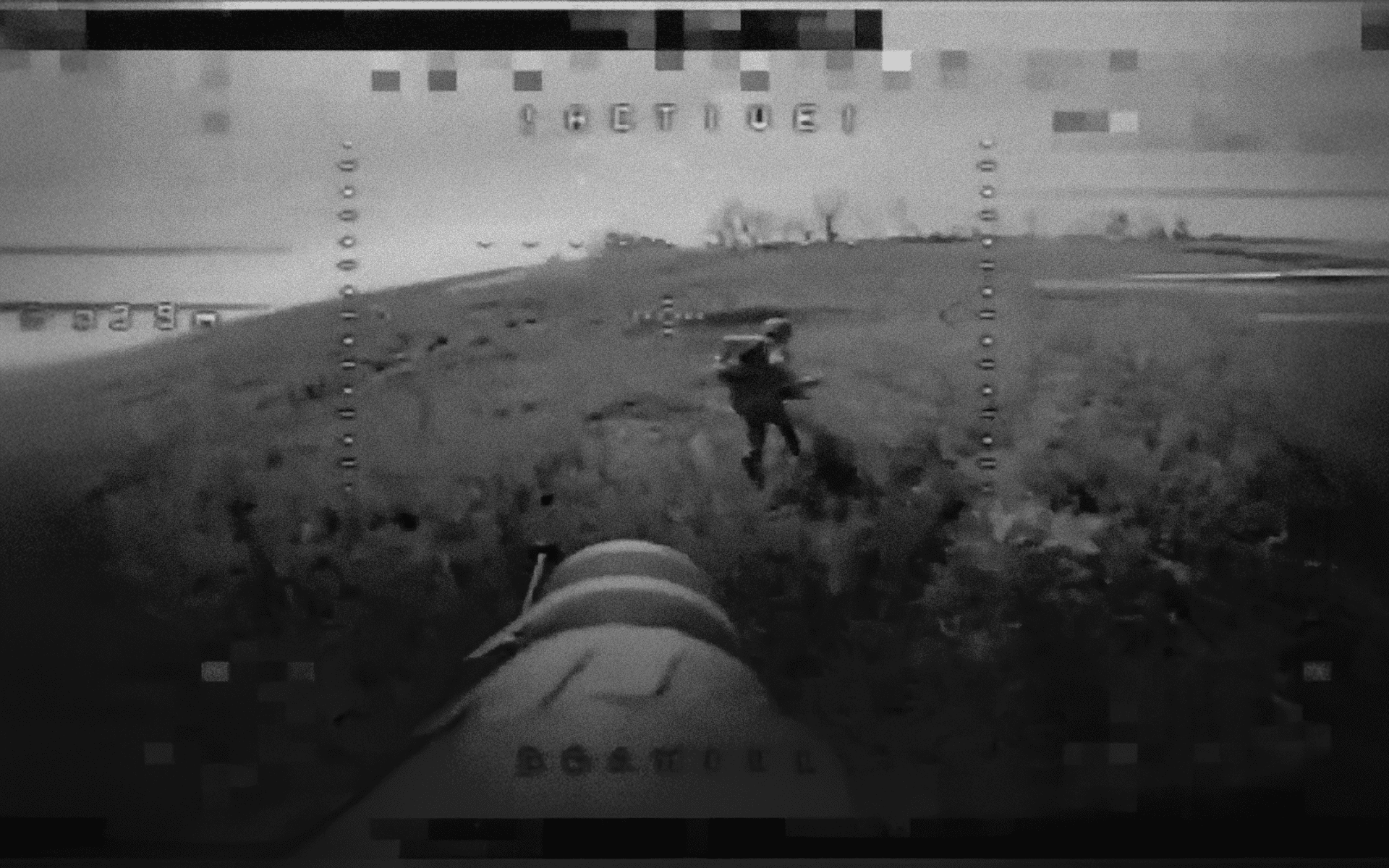
Ukraine is investing heavily in drones. Lacking the same manpower resources as Russia, the Ukrainian army is increasingly fighting with unmanned systems. Against this backdrop, a slogan has even emerged: robots and drones go into battle first. Russian army losses in December 2025 underscore the effectiveness of this approach.
 Prefer U24 Media on Google
- Authors

-29a1a43aba23f9bb779a1ac8b98d2121.jpeg "Photo of Illia Kabachynskyi")
Ukrainian President Volodymyr Zelenskyy released striking statistics in early January 2026: Ukrainian drones struck 35,000 Russian troops in December 2025 alone. This includes killed or wounded and considered irrecoverable. This figure also covers all drone-related strikes; the Unmanned Systems Forces themselves were responsible for about 13,000 hits, roughly 40% of the total, says the head of Ukraine’s Unmanned Systems Forces, Robert “Madyar” Brovdi.
All such strikes must undergo verification to be officially counted. For example, if a drone enters a dugout where seven Russian soldiers are present but their bodies are not recorded by troops on the ground or by drone footage, the strike is not counted. As a result, there is reason to believe the actual number of eliminated Russian soldiers may be significantly higher.
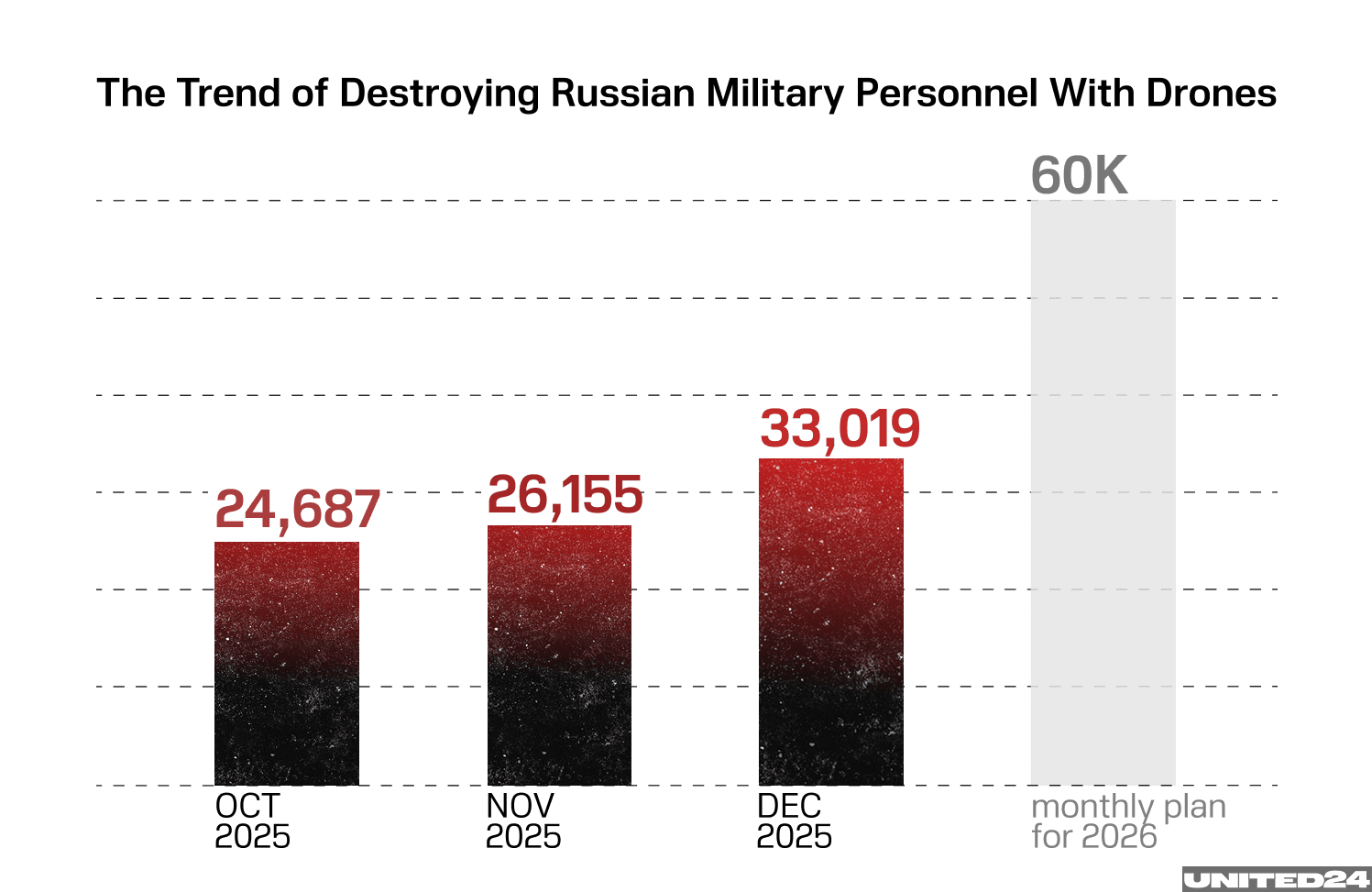
Together with the numbers provided by the Ukrainian Digital Transformation Ministry, the trend of Russian personnel losses inflicted specifically by drones in 2025 is rising:
July: 16,262 hits
August: 14,480 hits
September: 18,023 hits
October: 24,687 hits
November: 26,155 hits
December: 33,019 hits
Over 100,000 targets for the New Year
The Unmanned Systems Forces struck more than 1,000 Russian troops in just the first four days of January, says Brovdi.
“Clearly, technology is working effectively,” Zelenskyy said. “Drone supplies to the troops are steadily increasing. We are preparing new, special formats to further strengthen the drone component of our defense.”
A total of 106,859 targets were hit by Ukrainian drones in December 2025 alone, a 31% increase compared to November, said Mykhailo Fedorov, Digital Transformation Minister—who is expected to become Ukraine’s Defense Minister in the near future. During the same month, 128 Russian air defense and radar systems were struck, an all-time high.
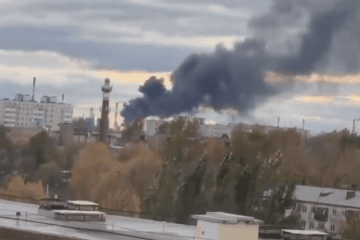
Over the past year, Russian oil refineries and military facilities have increasingly appeared in strike statistics. On January 6, reports emerged of a strike on Russia’s Main Missile and Artillery Directorate (GRAU) arsenal in the city of Neya, Kostroma region. GRAU forms and maintains ammunition reserves for the western and central directions, distributing them further to lower-level arsenals and bases.
Today, dozens of companies in Ukraine are producing drones tailored to different needs: FPV drones, fiber-optic drones, long-range systems, platforms with ranges of 40–60 kilometers, and more. For the Ukrainian army, drones have become one of the main offensive tools and a key means of destroying Russian manpower and equipment.
The Kremlin’s numbers
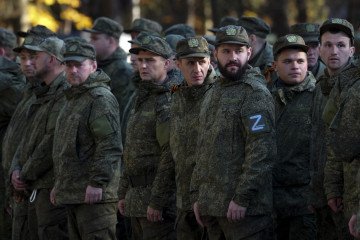
It is no secret that Russia’s population—and thus its mobilization potential—is several times larger than Ukraine’s. As a result, Russia is less concerned about its troops and can send them into poorly planned assaults, relying on a Soviet-style tactic: winning not through intelligence, but through sheer numbers.
However, this approach may be starting to crack. Open-source information suggests that the Russian army replenishes its ranks each month with 30,000–35,000–40,000 troops. This means that the overall size of Russia’s force grouping in Ukraine is no longer increasing.
Previously, it was expected that by the end of 2025, Russia’s offensive grouping could exceed 800,000 troops. Instead, it now stands at just over 700,000. This indicates that the Kremlin may be running short of mobilization resources.
Ukraine’s Unmanned Systems Forces plan to increase the number of Russian troops hit to 50,000–60,000 per month in 2026. Over the course of a year, that would amount to nearly half of Russia’s entire army. Whether Moscow would have sufficient resources to sustain its forces without launching an open, large-scale mobilization remains an open question—especially as the Kremlin is doing everything it can to avoid such a move.
Equally important is the issue of financial resources. In Russia, compensation for a killed soldier is about 15 million rubles. That means Moscow would have had to pay roughly 500 billion rubles for December alone, plus more than 300 billion rubles in payments to newly recruited troops. This is precisely why additional sanctions on Russia are so critical, and why every effort must be made to prevent oil and gas revenues from funding the war.
Discuss this article:

-c439b7bd9030ecf9d5a4287dc361ba31.jpg "Photo of Katherina Popilnichenko")

-111f0e5095e02c02446ffed57bfb0ab1.jpeg "Photo of Roman Kohanets")