- Category
- Investigations
Inside the AfD’s Russia Network: What Leaked Emails Reveal
Leaked AfD emails seen by UNITED24 Media reveal how politicians from Germany’s far-right party cultivated ties with Russian-installed officials in occupied Crimea, raising questions over disputed travel funding, political influence and the party’s relationship with Moscow.
 Prefer U24 Media on Google
- Authors


For years, Germany’s far-right Alternative für Deutschland (AfD) party has been pushing for closer ties with Russia, including to end Western sanctions and deepen economic ties, but behind closed doors, how far do those relationships go?
In October 2026, the AfD stated that its hosting provider had been hacked the previous month. UNITED24 Media examined an archive of more than 240,000 emails to investigate the extent of the party’s Russian connections. In part one, UNITED24 Media examines evidence raising questions about the financing of AfD politicians’ visits to Russian-occupied Crimea and how they served Moscow’s political interests. In part two, we investigate the business interests behind these connections, the politicians involved, and who stood to benefit.
Who paid for the AfD’s Crimea trip?
From 3–9 February 2018, a delegation of AfD politicians visited Crimea, the Ukrainian peninsula illegally occupied by Russia since 2014. An internal trip report explicitly linked the visit to the party’s 2017 election manifesto, which called for an end to sanctions against Russia and closer economic cooperation with Moscow.
The trip made headlines in 2018, but newly uncovered emails reveal certain planning details that raise questions about its financing and the party’s involvement with Russian-installed officials.
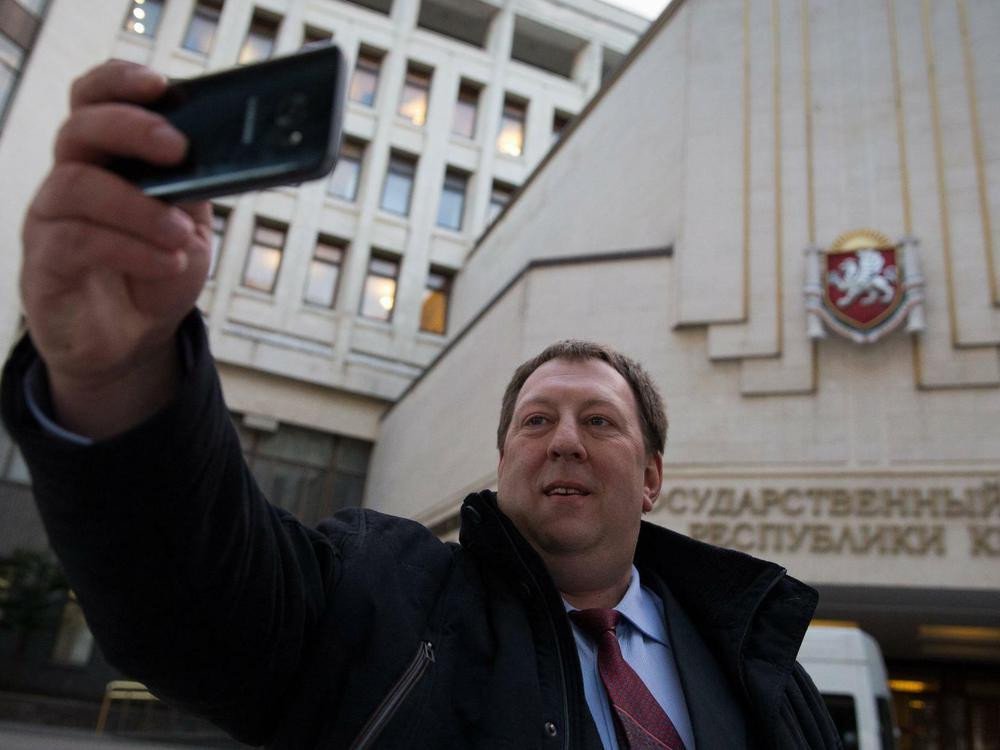
Among the delegation was Eugen Schmidt, a leading organiser of the AfD’s Russian-German network in North Rhine-Westphalia, who helped establish political ties with Russian-installed officials in Crimea.
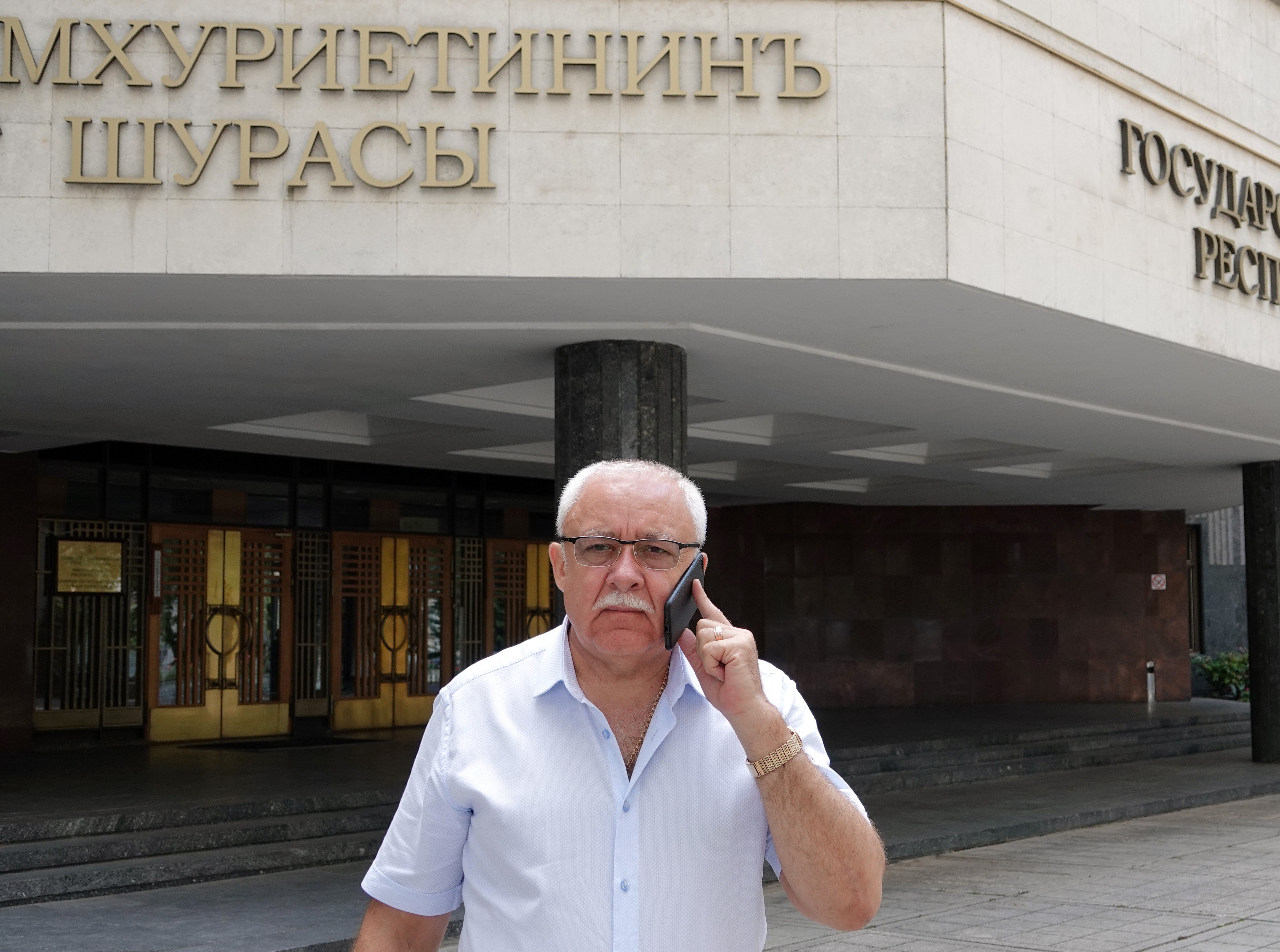
Following an hour-long call with Yuri Gempel, a member of Crimea’s Russian-installed parliament, Schmidt outlined plans for meetings with occupation officials and Russian media coverage, but the email contained another detail.
We have to cover the costs of the plane tickets and some of the meals in Crimea ourselves (to avoid any suspicion that the Russian side is sponsoring us).
Eugen Schmidt
Former Bundestag member
Schmidt outlined plans for the Crimean hosts to cover accommodation, transfers, interpreters and local travel expenses. He also coordinated preparations, including forwarding participants' passport details to Gempel, and sought guidance from senior AfD figures including Alice Weidel and Beatrix von Storch, over the politically sensitive visit.
We do not want to create the impression at any point that we are being financially ‘directed’ by a third party.
Eugen Schmidt
Former Bundestag member
Questions over Russian financial support were not new. An April 2016 visit to Crimea by then-AfD MEP Marcus Pretzell was subsequently reported to have received funding from a Russian foundation. Despite the concerns, the February 2018 delegation went ahead.
An AfD spokesman insisted that it was “a private trip that has nothing to do with the parliamentary group or the party,” according to the German newspaper, Volksstimme. However, their internal trip report explicitly states “the trip to Crimea was intended to put into practice a central statement from the AfD's election manifesto”.
Concerns were also raised within the party itself. “There is no such thing as a ‘private trip’ by a group of MPs,” one party member via email warned, adding that potential violations of Ukrainian law were “only part of the problem.”
The question of who paid for the trip produced conflicting accounts. Delegation member Roger Beckamp told German broadcaster Deutschlandfunk that participants paid for their own flights, accommodation, and transport.
Yet in the same report, Gempel acknowledged that his organisation had covered some of the delegation's expenses, without specifying which.
Schmidt reiterated that participants had paid their own travel costs—“So that no one in Germany could claim that the Russians influenced our opinion by financing our trip,” he wrote on Telegram in April 2022. Gempel's admission, alongside the leaked funding proposals, raises precisely the questions Schmidt claimed the delegation sought to avoid.
Inside the AfD’s visit to Russian-occupied Crimea
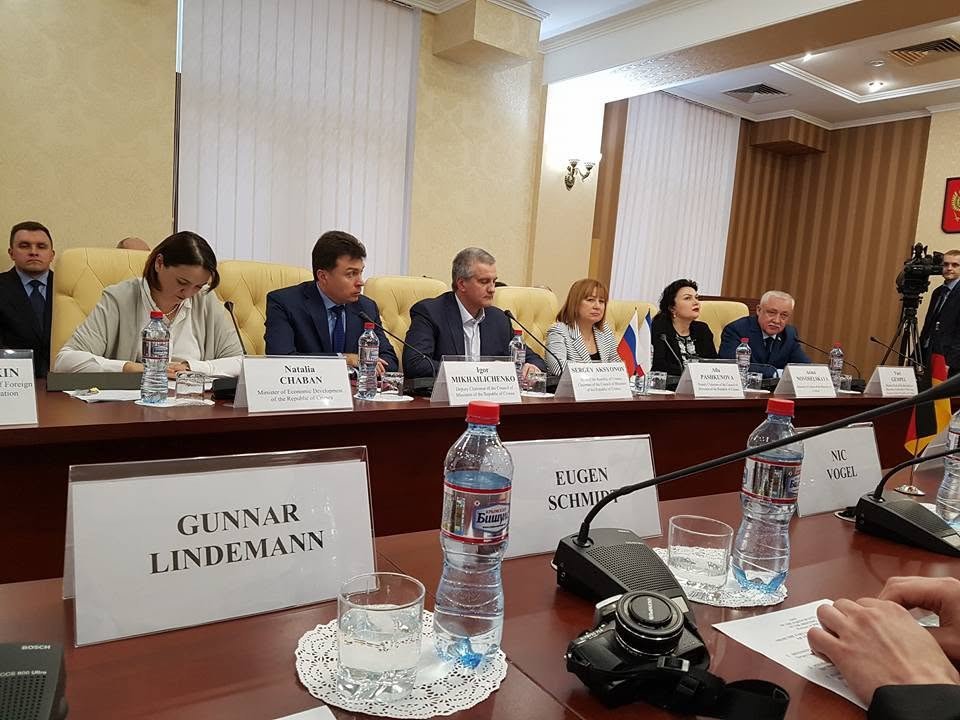
Eight members of the delegation were AfD state parliamentarians from North Rhine-Westphalia, Berlin and Baden-Württemberg. Among them were Roger Beckamp, Christian Blex, an AfD state parliamentarian in North Rhine-Westphalia, and Gunnar Lindemann, a Berlin state parliamentarian and district party chairman.
The delegation was met at Crimea’s Simferopol airport, where, according to its own report, “several camera crews and numerous journalists” from Russian media were waiting. Over the following days, the AfD delegation toured sites highlighting Crimea's Russian and Soviet history, including Livadia Palace and Russian military memorials.
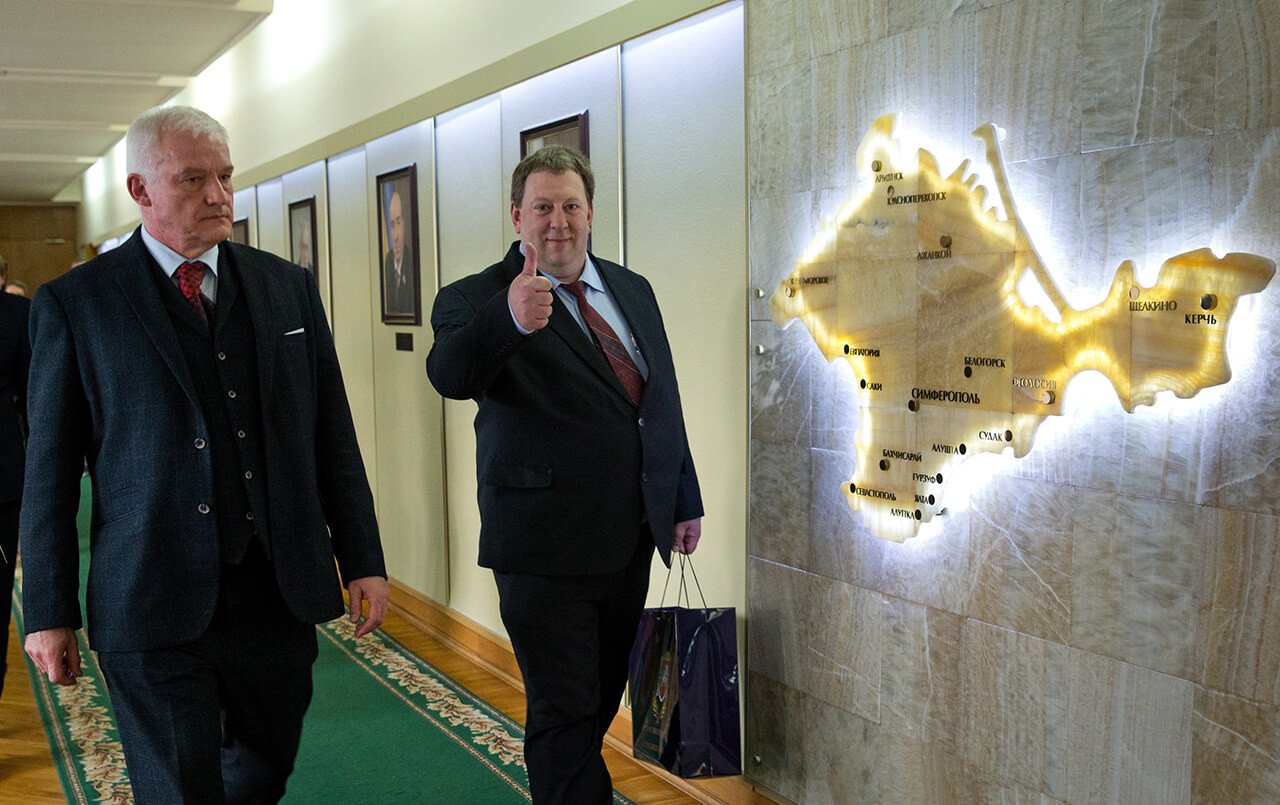
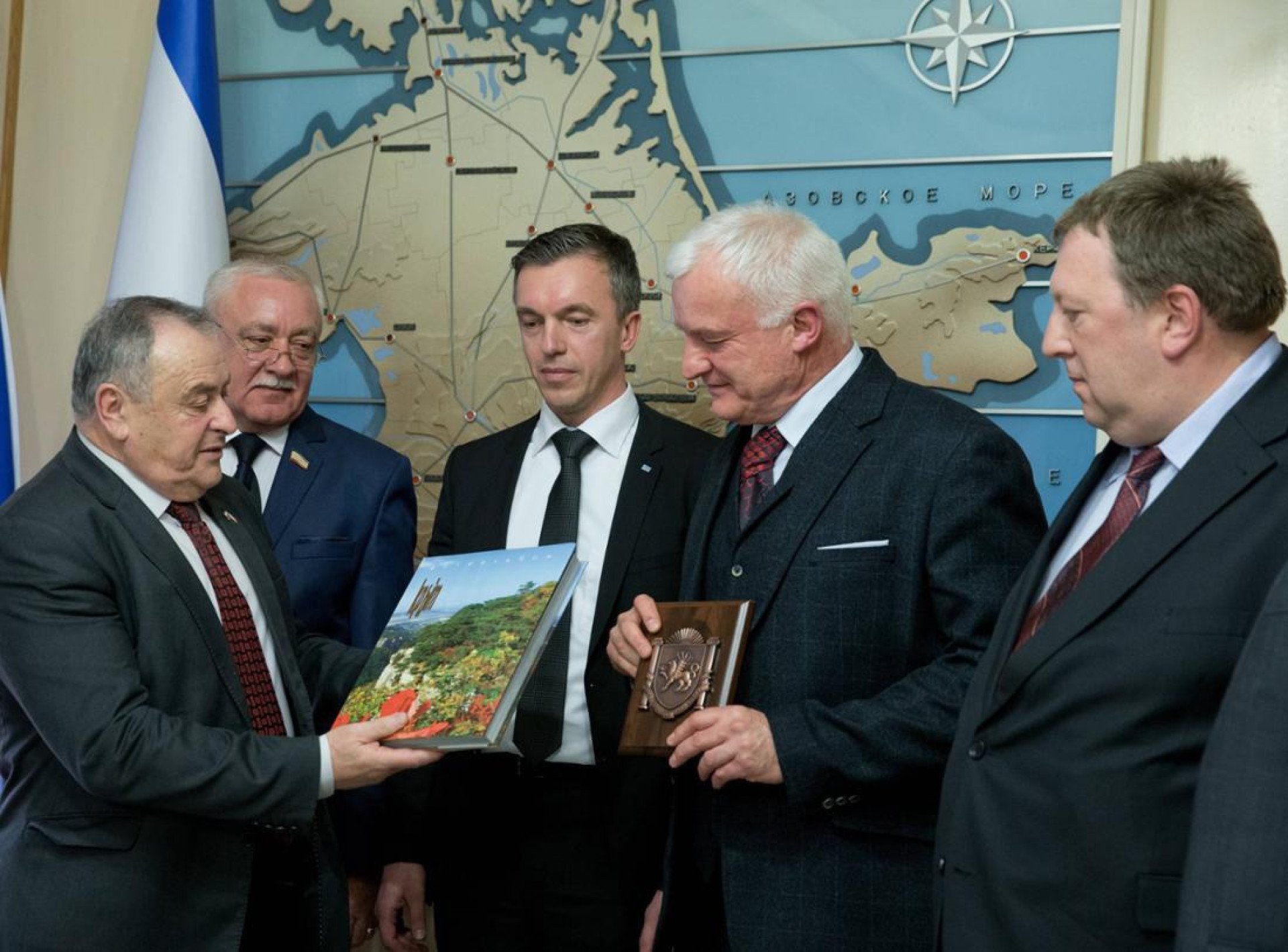
They also met senior Russian-installed officials, including Sergey Aksyonov, then Crimea’s de facto prime minister, deputy parliamentary chairman Yefim Fiks and deputy prime minister Georgy Muradov. They also attended a dinner with Simferopol’s mayor and discussed a potential town-twinning partnership between Yalta and the German city, Baden-Baden.
Another stop was Artek, a children's camp in Russian-occupied Crimea, where delegates discussed possible exchanges for German children. In 2025, Russia's Ministry of Education reported that 2,550 children from 81 countries, including Germany, had attended the camp. Artek has hosted patriotic programs and meetings with Russian government officials and military personnel implicated in war crimes in Ukraine, including meetings with Wagner PMC fighters who participated in the capture of Bakhmut.

Entering Crimea through Russia is in violation of Ukraine’s entry rules.
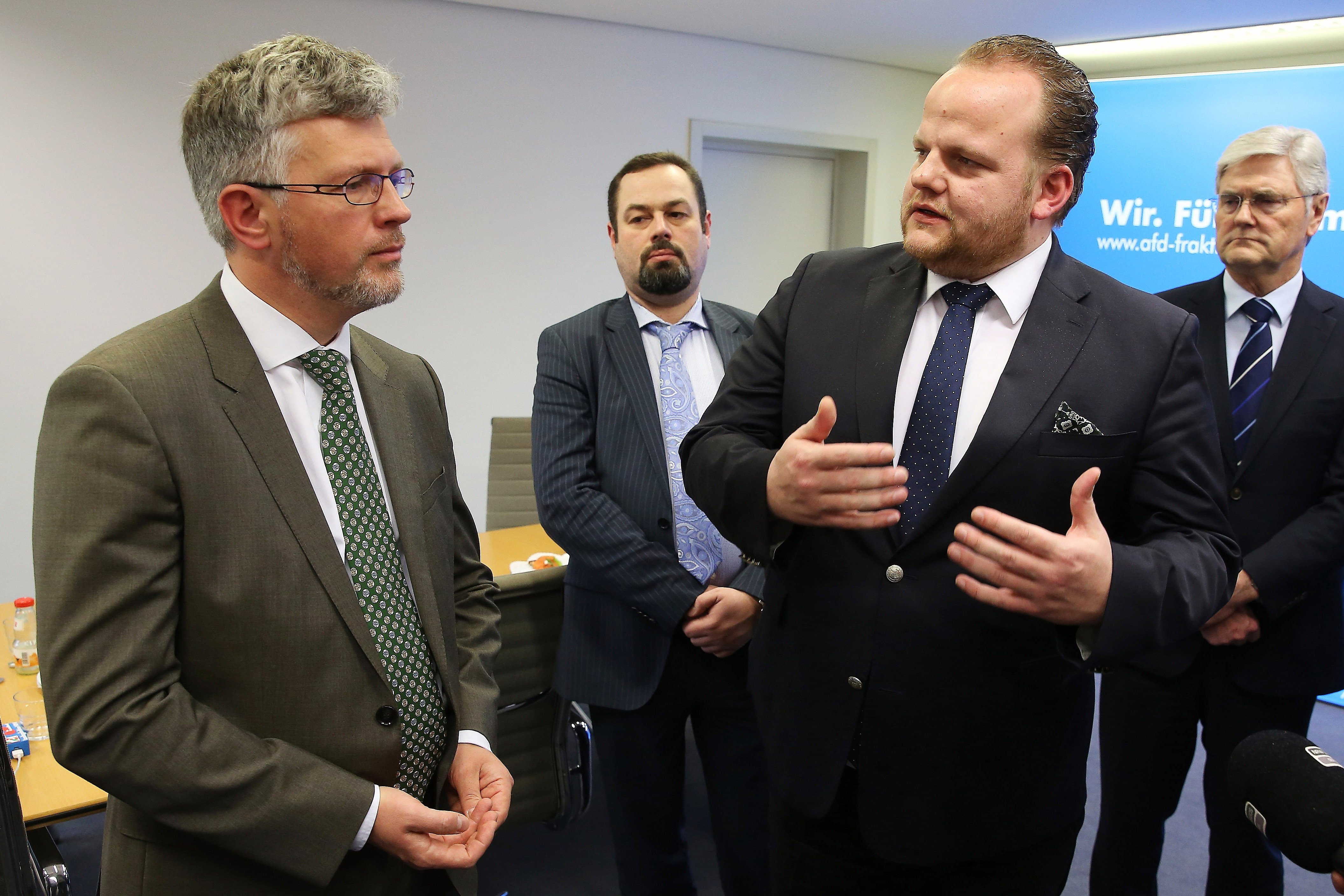
On 7 February 2018, Germany’s Foreign Office forwarded a formal diplomatic protest from Ukraine’s ambassador over the Crimea visit. According to the delegation’s internal report, Ukrainian authorities had threatened participants with prosecution and lengthy prison sentences. At the Ukrainian ambassador’s request, a meeting was held with AfD representatives in North Rhine-Westphalia, who defended the visit as a permissible “fact-finding” mission.
Yet, the delegation's own report describes meetings organised by Russian occupation officials and extensive Russian media coverage, without documenting any independent assessment of Crimea's status. The delegates also acknowledged that they “did not engage in such a discussion of international law”. Instead, they concluded:
We gained the impression that Crimea is not occupied territory and that the majority of its inhabitants wish to belong to Russia.
AfD February 2018 Crimea delegation report
This echoes the Kremlin’s claims over Crimea, despite it remaining internationally recognised as Ukrainian territory. The visit had given Russian occupation authorities access to elected German politicians, whose subsequent report reinforced Moscow’s narrative about its illegal annexation.
A key figure behind the AfD's Russian connections
Born in Soviet-era Kazakhstan in 1975, Eugen Schmidt moved to Germany in 1999. He joined the AfD in 2016, becoming a leading organiser of the party's Russian-German network in North Rhine-Westphalia, later heading its nationwide organisation. Schmidt reportedly retained his Russian passport until a few months before entering the Bundestag in 2021.
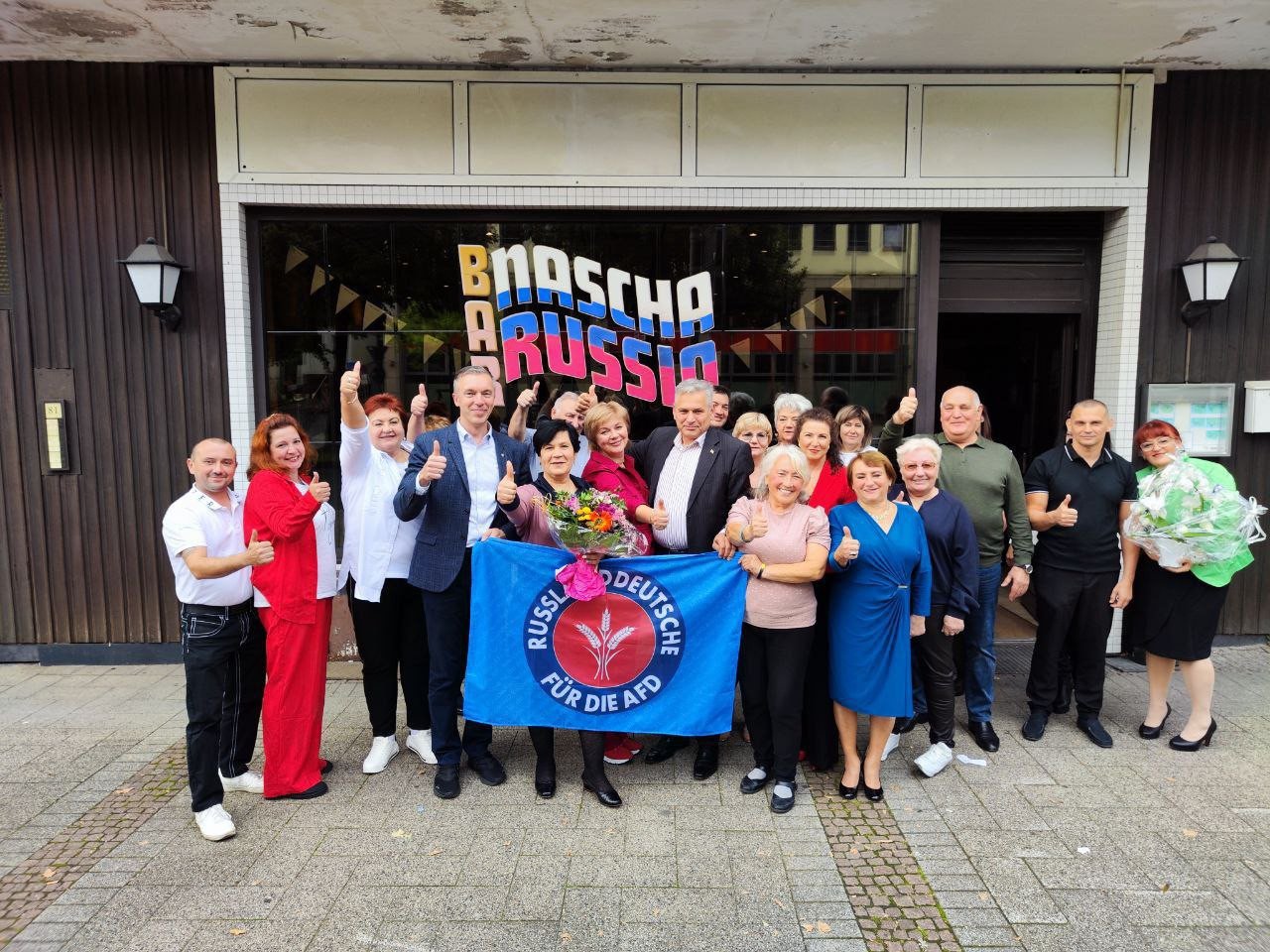
Schmidt’s Russian connections have already attracted scrutiny. His parliamentary aide, Vladimir Sergienko, allegedly worked as an agent of Russia’s Federal Security Service (FSB) while acting as an intermediary between the Kremlin and AfD politicians, according to a joint investigation by The Insider and Der Spiegel.
Sergienko reportedly coordinated efforts to block Germany’s delivery of Leopard 2 tanks to Ukraine, which the AfD parliamentary group challenged before Germany’s Federal Constitutional Court.
Investigators identified Sergienko's Russian contact, known as “Alexei”, as Ilya Aleksandrovich Vechtomov, an officer in the Ninth Directorate of Russia’s FSB Fifth Service, tasked with intelligence operations targeting Ukraine.
The investigation found no evidence that Schmidt knew about or was involved in his aide’s alleged activities. Schmidt was also identified as a board member of VADAR, an organisation associated with pro-Kremlin messaging.
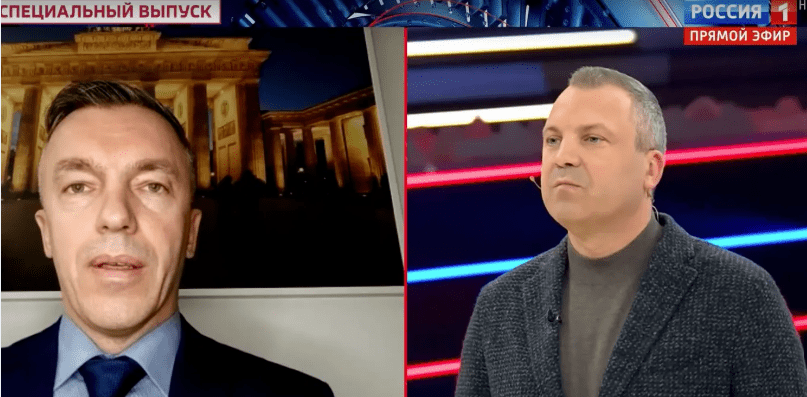
Schmidt has also appeared on Russian state television, including Russia-1's 60 Minutes, and has appeared at least twice on programs hosted by prominent Kremlin propagandist Vladimir Solovyov.
Schmidt may no longer be a member of the Bundestag, but his ties to Moscow extended far beyond the February 2018 delegation, and for the AfD, the visits to Russian-occupied Crimea were far from over.
More AfD trips, more questions over Russian funding
Weeks after Ukraine protested the February visit, AfD Bundestag member Ulrich Oehme traveled to Russian-occupied Crimea to observe the illegal voting in Russia’s 18 March 2018 presidential election.
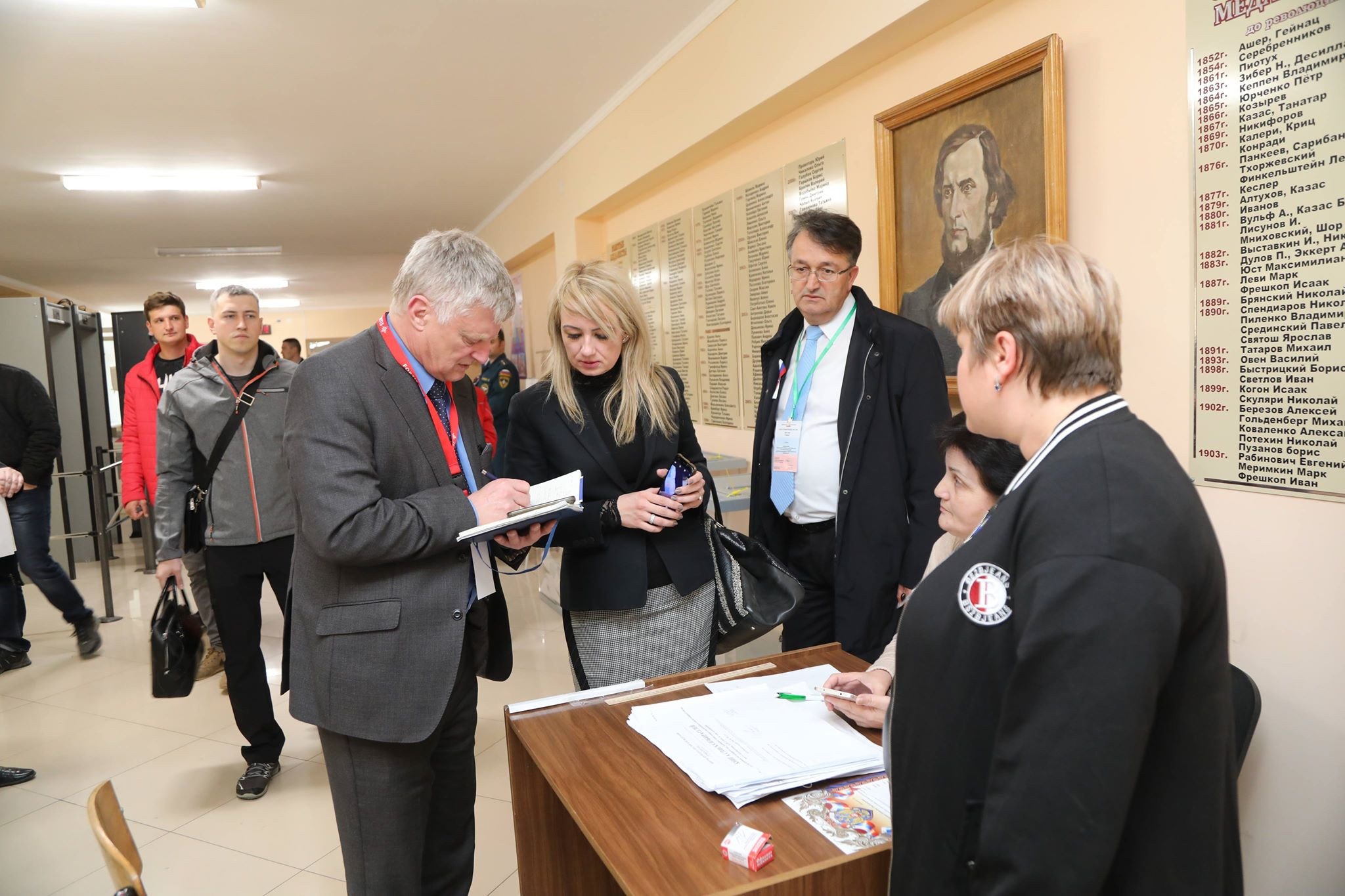
The EU did not recognise the vote held on the peninsula. An investigation by Tagesschau found that the Russian State Duma’s foreign affairs committee financed Oehme’s trip and election-observation activities.
Internal correspondence suggests AfD politicians were conscious of how Russian financial support might appear. In a draft email, Markus Frohnmaier wrote:
It is essential to avoid giving the impression that the host, Russia, is funding the election observation by AfD Members of the Bundestag in its own country.
Markus Frohnmaier
AfD’s Deputy Parliamentary Group Leader
Frohnmaier, whose frequent trips to Moscow are documented in records obtained by UNITED24 Media, observed voting at six polling stations in Moscow, according to internal emails. Fellow Bundestag member Stefan Keuter observed the election in Kazan, later praising Russian authorities for striving to conduct the vote “properly, freely, equally and by secret ballot”.
Yet the OSCE’s election observers painted a starkly different picture across Russia, reporting restrictions on fundamental freedoms, pressure on critical voices and a lack of genuine political competition.
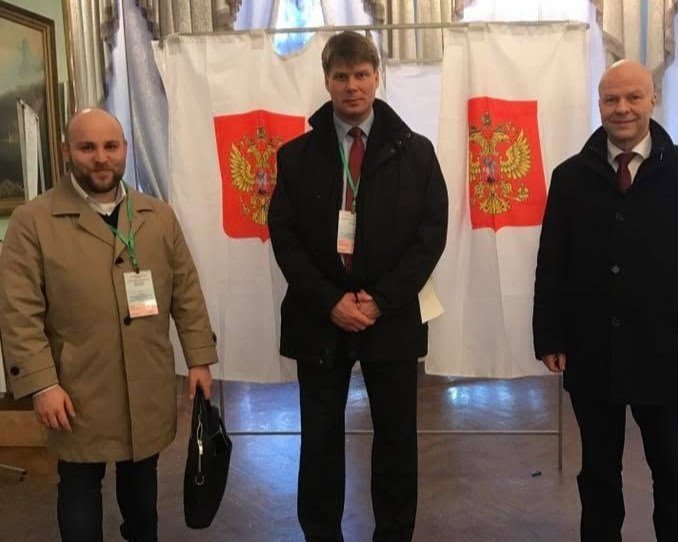
From occupied Crimea to polling stations across Russia, AfD politicians continued to engage with Moscow, while questions surrounding the nature of those relationships persisted.
UNITED24 Media contacted Eugen Schmidt, Markus Frohnmaier and the AfD for comment. The party stated that it “does not comment on internal information” and referred us to its press release. Neither Schmidt nor Frohnmaier responded to our requests for comment at the time of publication.
From political ties to commercial opportunities
Beyond the political meetings and questions over Russian funding, the February 2018 delegation also showed an interest in business opportunities in occupied Crimea.
Politicians toured the construction site of Simferopol airport and an agricultural enterprise in Skvortsovo employing more than 1,500 people. According to their internal report, the owner of Skvortsovo expressed a “strong interest in German technology and services, which could not be supplied because of sanctions”.
The report also recorded another claim:
Companies from other European countries, including Denmark, Italy and Austria, were nevertheless supplying goods despite the sanctions.
AfD February 2018 Crimea delegation report
The allegation remains unverified by UNITED24 Media, but the discussions went beyond politics and into business. The commercial connections did not end there.
Just two months later, AfD politicians returned to occupied Crimea for an international economic forum. Accompanying them were German business people interested in doing business in Russian-occupied territory—” despite Western sanctions".
Meanwhile, other AfD politicians were pursuing closer ties with Bashar al-Assad's regime in Syria. In part two, UNITED24 Media investigates the business interests behind these connections and how AfD politicians sought to build commercial ties with Russian-occupied Crimea and Syria, despite Western sanctions.
Discuss this article: