- Category
- World
Russia Wants Teenagers From Canada, France, Australia, and Beyond at Its State Camps. Here’s Why
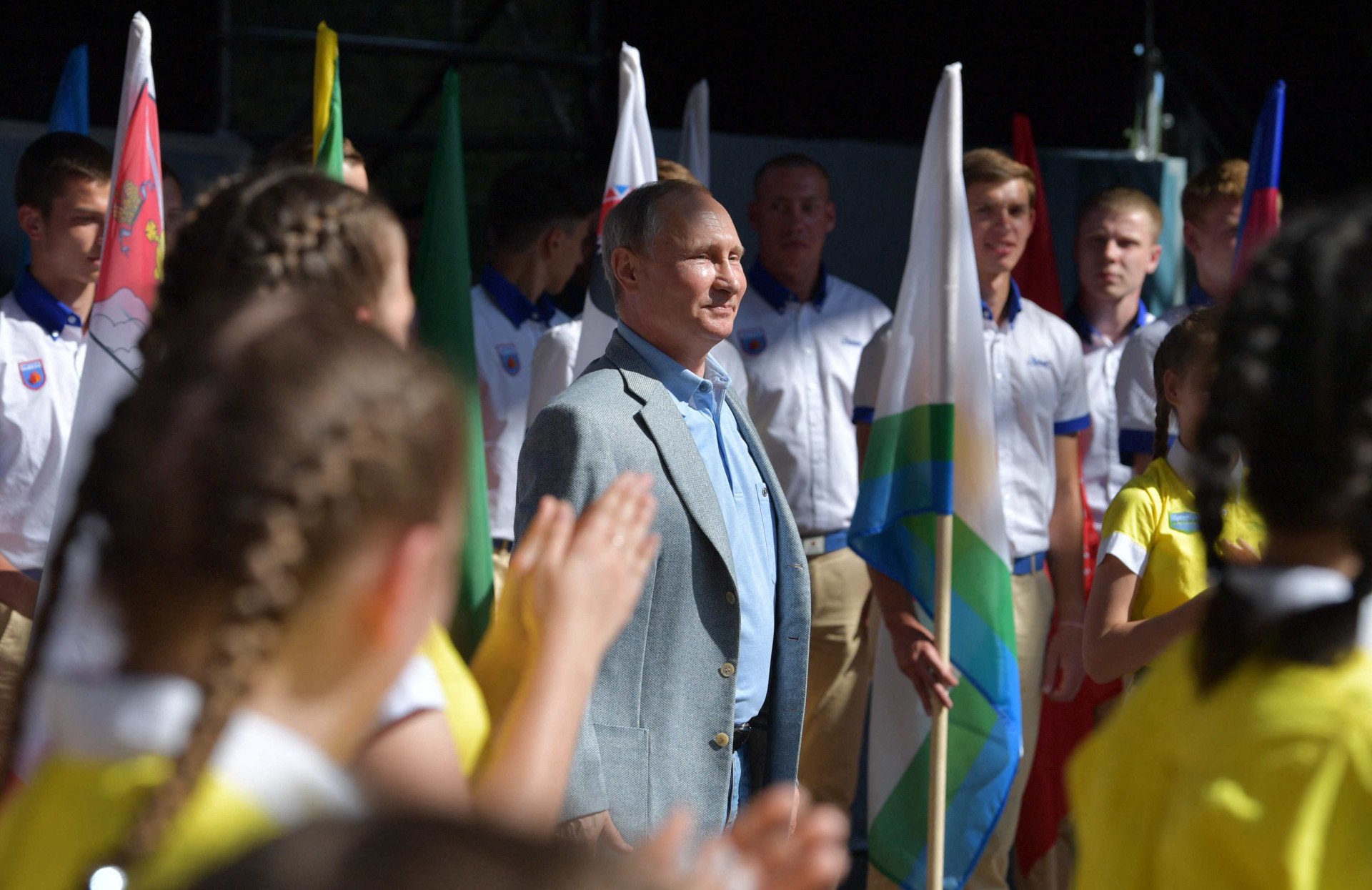
Russia has spent years shaping Ukrainian children through militarization and propaganda. This summer, teenagers from Canada, France, Australia, China, Egypt, and other countries seem to have attended one of Russia’s largest state-run children’s camps, where international exchanges are framed around culture, language, and friendship.
 Prefer U24 Media on Google
- Authors


Even before the full-scale invasion, the Russian authorities had built an extensive network of military-patriotic programs, including Yunarmiya and Zarnitsa. Since 2022, their role has only grown: more organizations have emerged, children in the occupied territories have been involved in such initiatives, and they have been subjected to military training and taught how to handle weapons.
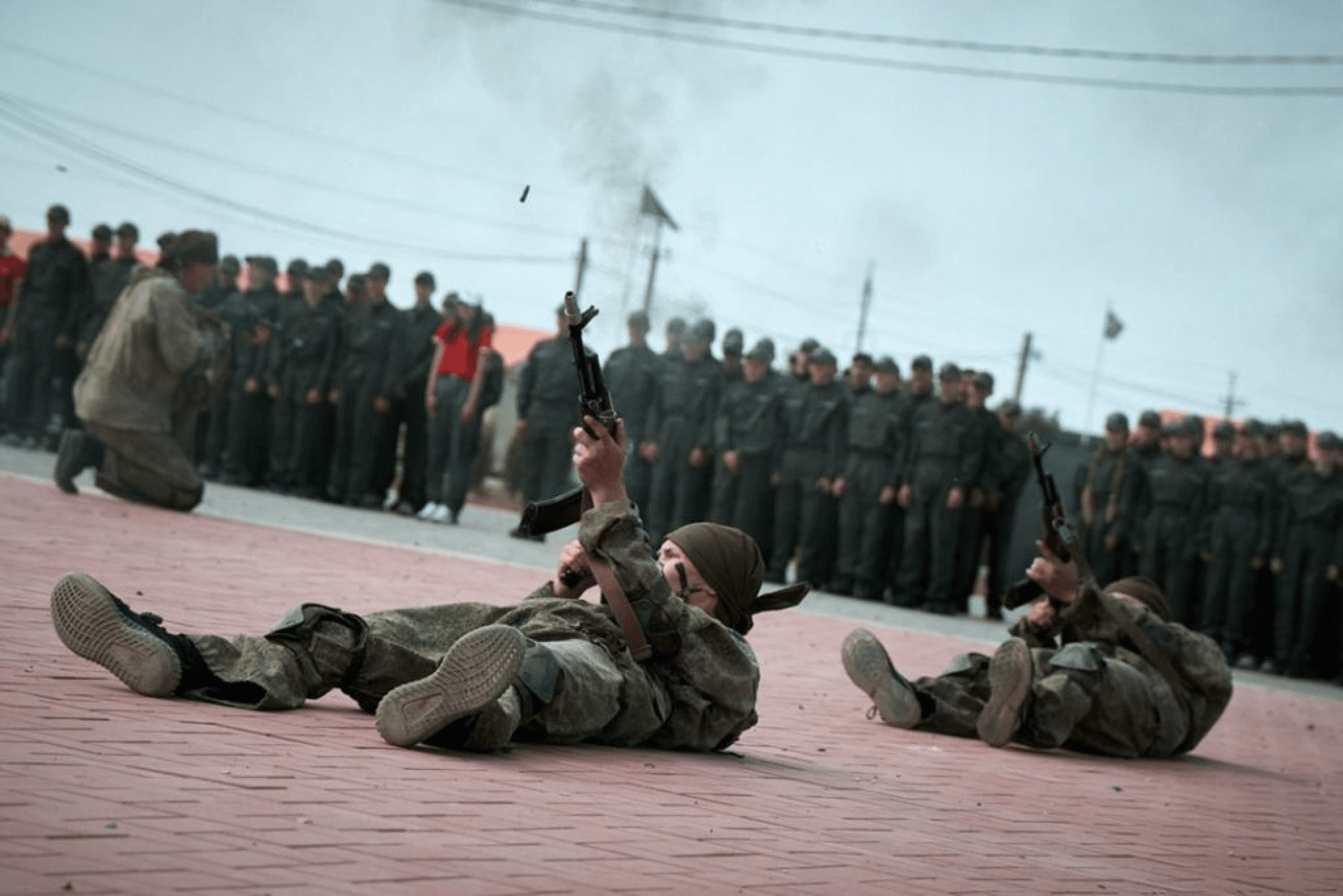
The consequences are already going beyond propaganda events. On July 30, Ukrainian officials reported the first officially documented case of a child listed in the state-run Children of War registry as missing who was later identified as a member of the Russian military.
But Russia does not always talk to children about war directly. Sometimes, it starts with culture, education, travel, or meeting peers from another country. This is why Russian children’s camps that host foreign schoolchildren deserve particular attention.
What is Russia’s “Ocean” children’s camp
One of the largest is the All-Russian Children’s Center “Ocean.” This summer, it says it hosted Russian children, children from occupied parts of Ukraine, and teenagers from 13 other countries—including Canada, Egypt, China, and Australia.
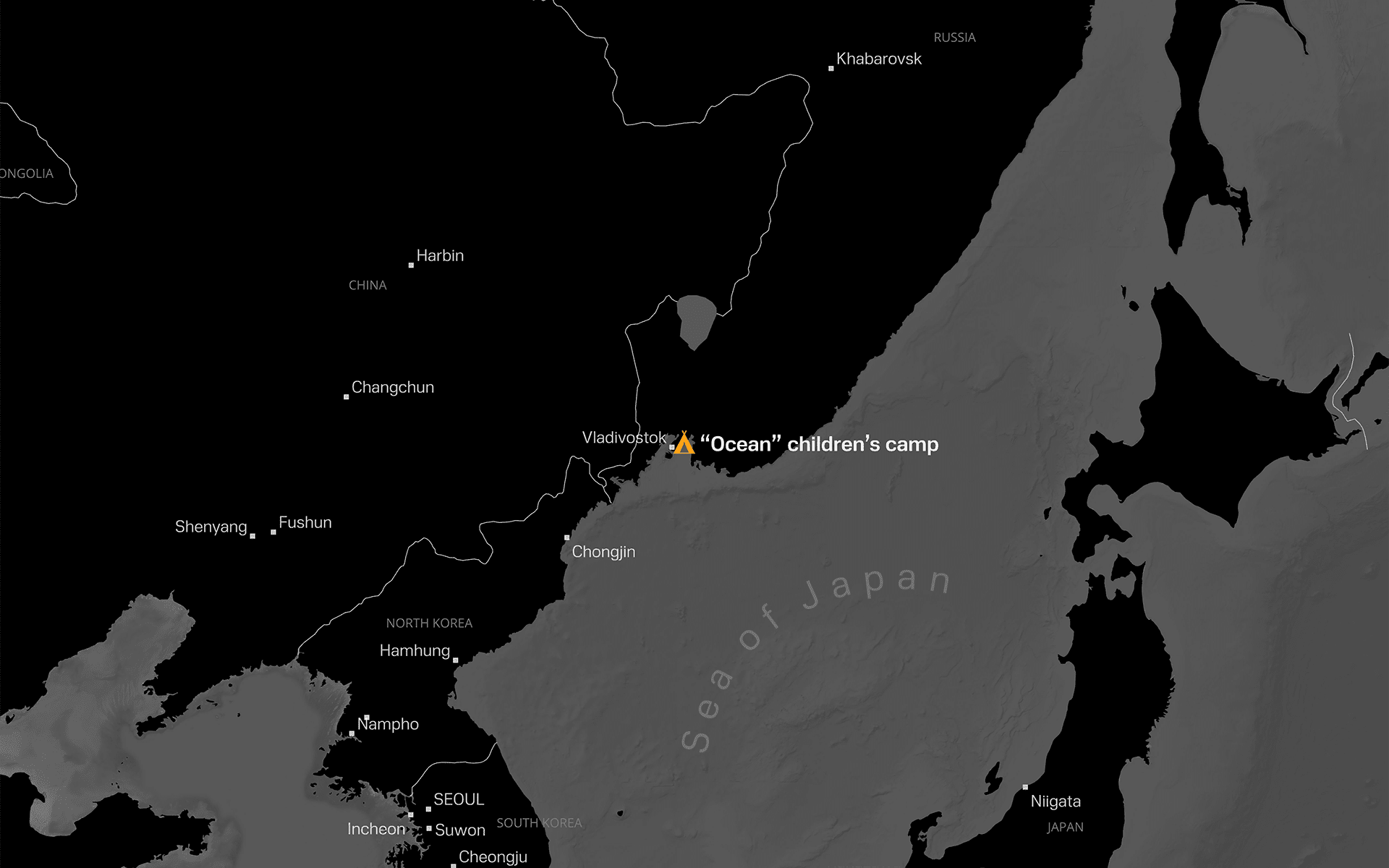
The camp is located in Vladivostok, a city in Russia’s Far East with a population of more than 600,000, near China and North Korea. It is a large complex on the coast of the Sea of Japan, where thousands of schoolchildren from Russia and other countries arrive every year.
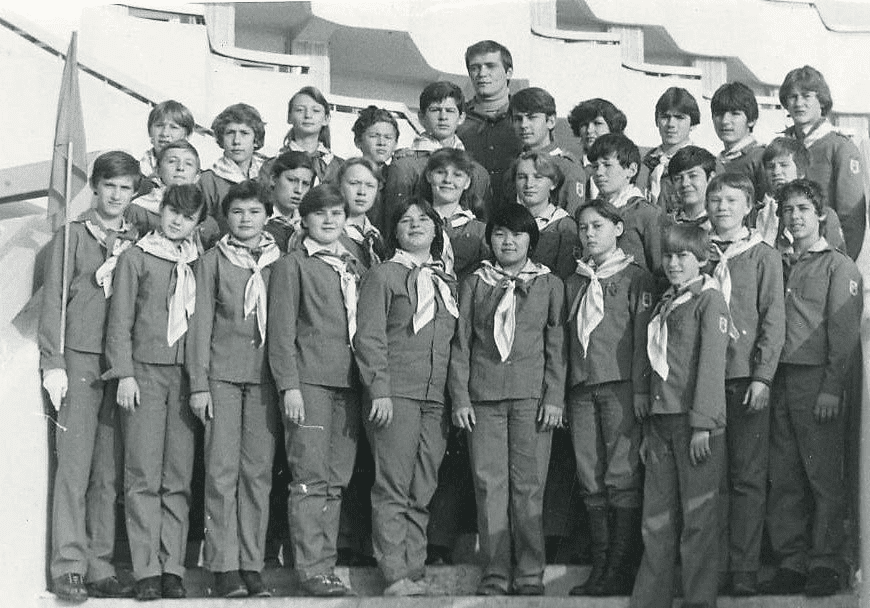
“Ocean” was opened in 1983. In the Soviet Union, it was considered the country’s third-largest children’s center, after “Artek” in Crimea and “Orlyonok” in Russia’s Krasnodar region.
From the beginning, it was created as more than just a place for children to spend their holidays. “Ocean” was part of the Soviet system of ideological education: recreation was combined with an ideological program that included assemblies, flag-raising ceremonies, formal reports, and politicized events.
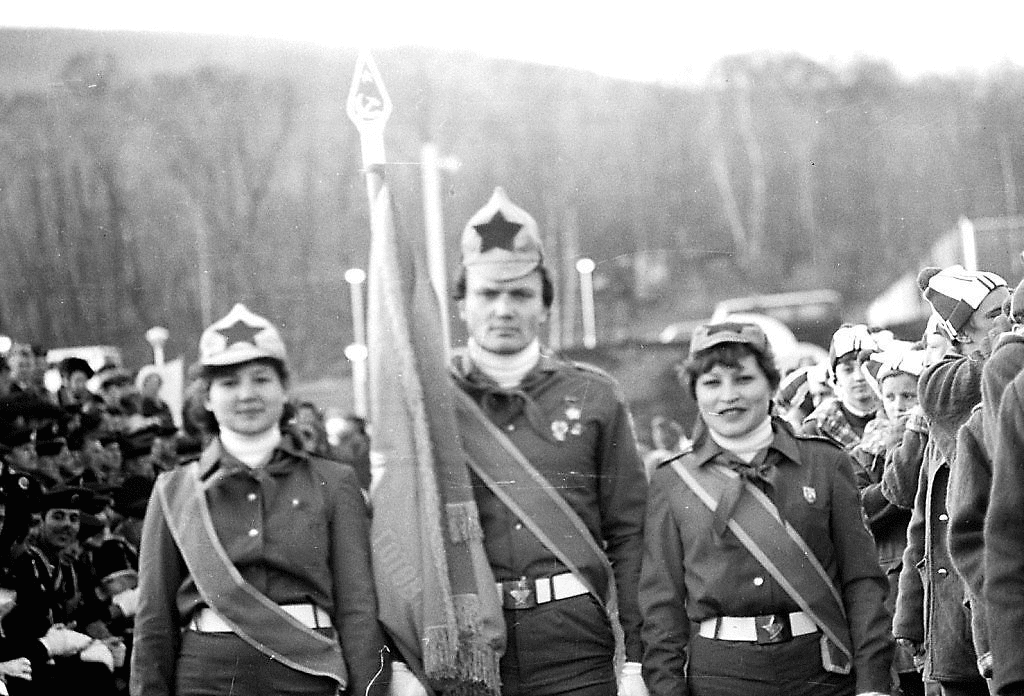
Just a year after it opened, children from other countries began arriving at “Ocean”. First came children from Vietnam, followed later by children from North Korea, China, and Japan.
The Soviet Union has long since disappeared, but “Ocean” continues to operate as a state-run children’s center. Its partners today include Russia’s Ministry of Education, the state space agency Roscosmos, the Investigative Committee, the military-patriotic youth movement Yunarmiya, and the Movement of the First, Vladimir Putin’s flagship youth organization established in 2022.
The organization brings together children and teenagers and promotes what it calls “traditional Russian spiritual and moral values.” Its members take part in patriotic and military-patriotic activities. In Ukraine’s temporarily occupied territories, local schoolchildren and students are also involved in the Movement of the First. They take part in state-organized events, campaigns, and other public activities staged by Russia.
What do international sessions at “Ocean” look like
In July this year, Ocean once again hosted an international camp session. It lasted three weeks, from July 14 to August 3, and was called “Children of the World.” Russian organizers described it as a space for children’s diplomacy and intercultural dialogue.
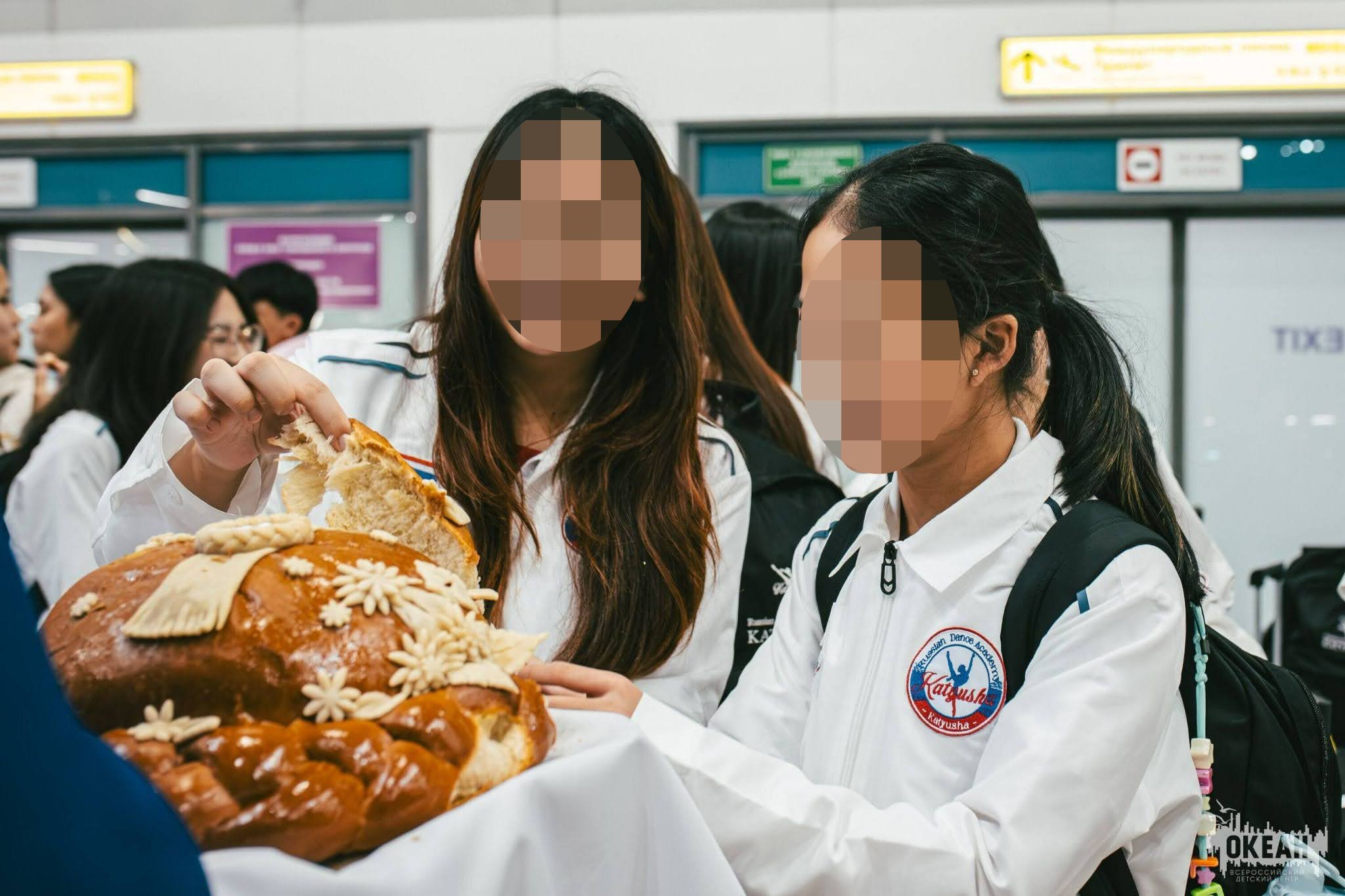
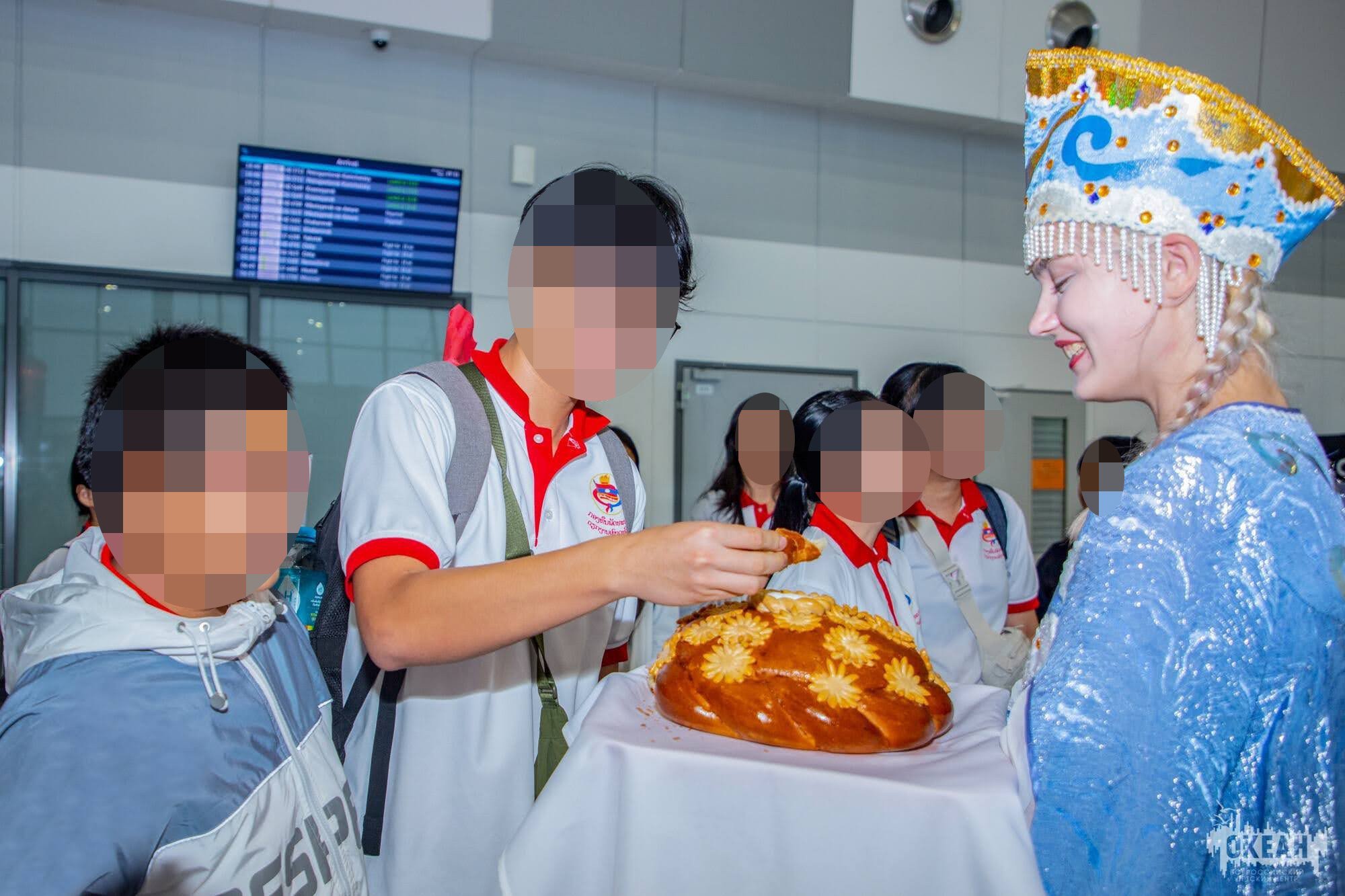
According to the official website, 1,503 schoolchildren from 73 regions of Russia and 140 children from 13 countries, aged between 13 and 17, took part in the session.
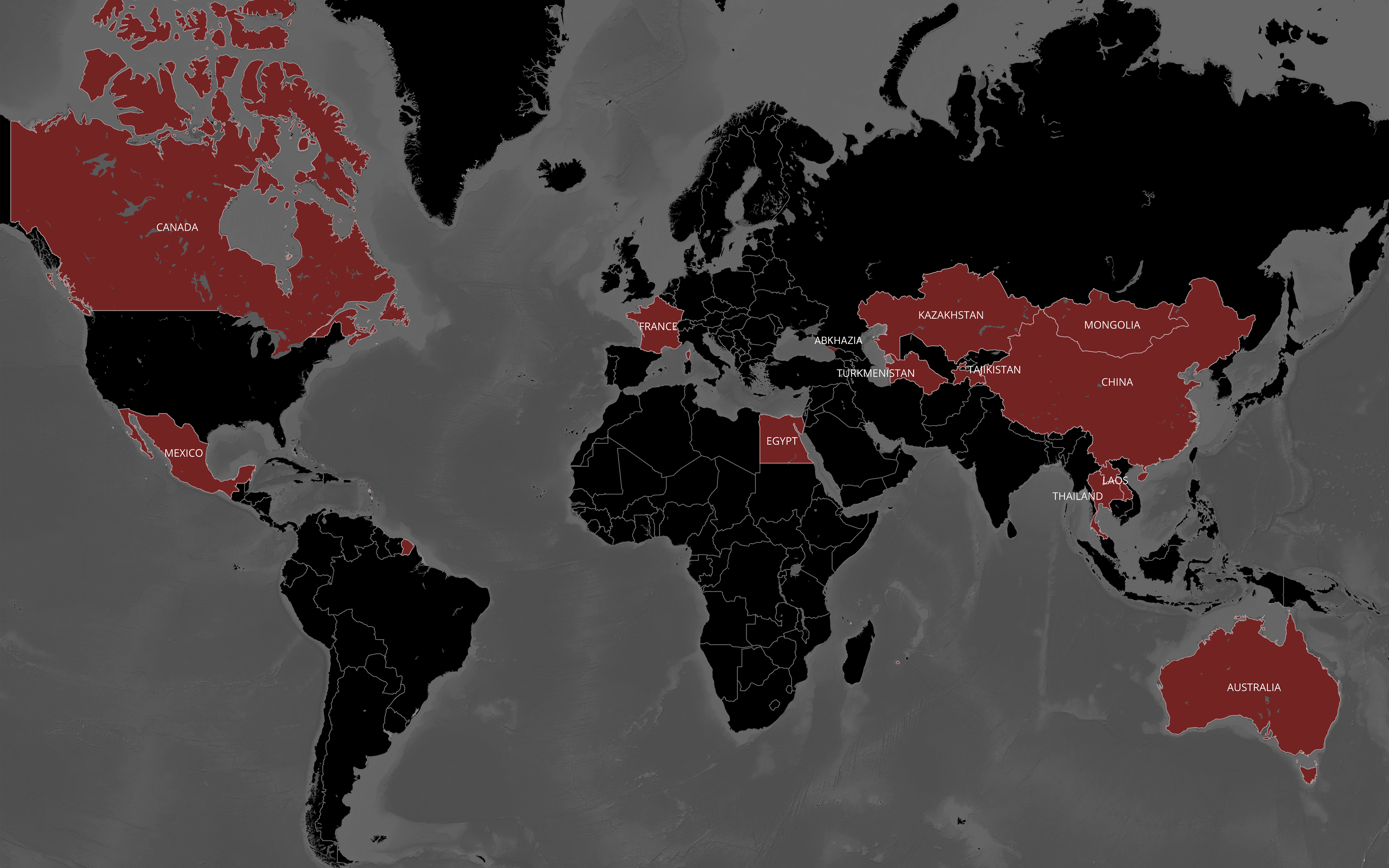
The foreign participants listed there included children from China, Thailand, Laos, Mongolia, Egypt, Canada, Australia, Mexico, France, Kazakhstan, Turkmenistan, Tajikistan, and Abkhazia, a Russian-occupied region of Georgia.
The organizers also counted children from Ukraine’s temporarily occupied territories among their “73 regions of Russia.”
Foreign participants had a separate program introducing them to Russian culture. In the “Russian Language for Friendship and Creativity” course, children learned Russian pronunciation and new words. During choreography classes, they learned the Moscow quadrille, a traditional Russian folk dance. The “Ocean of Russian Culture” program focused on Russian folk art, traditions, and crafts.
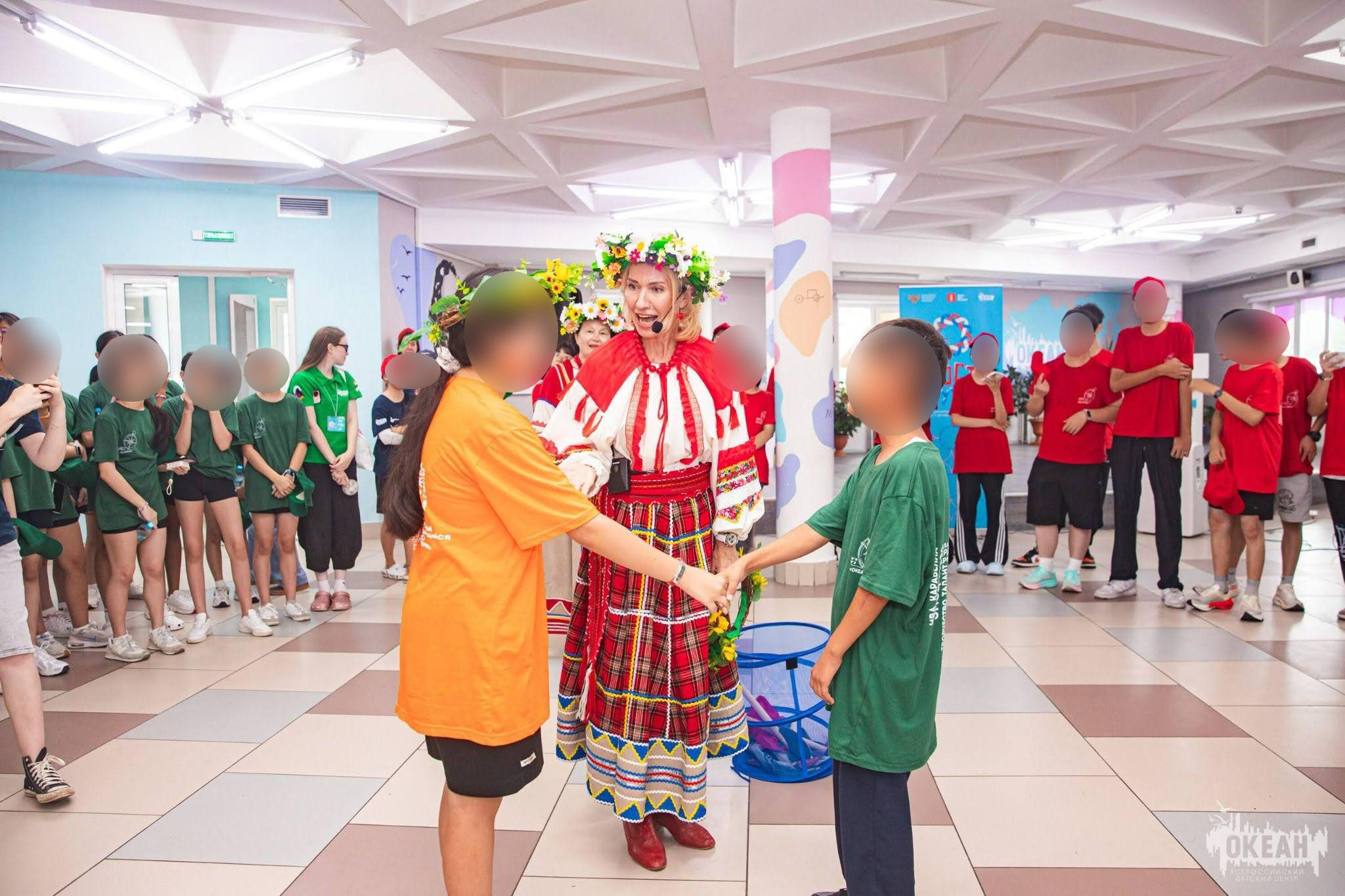
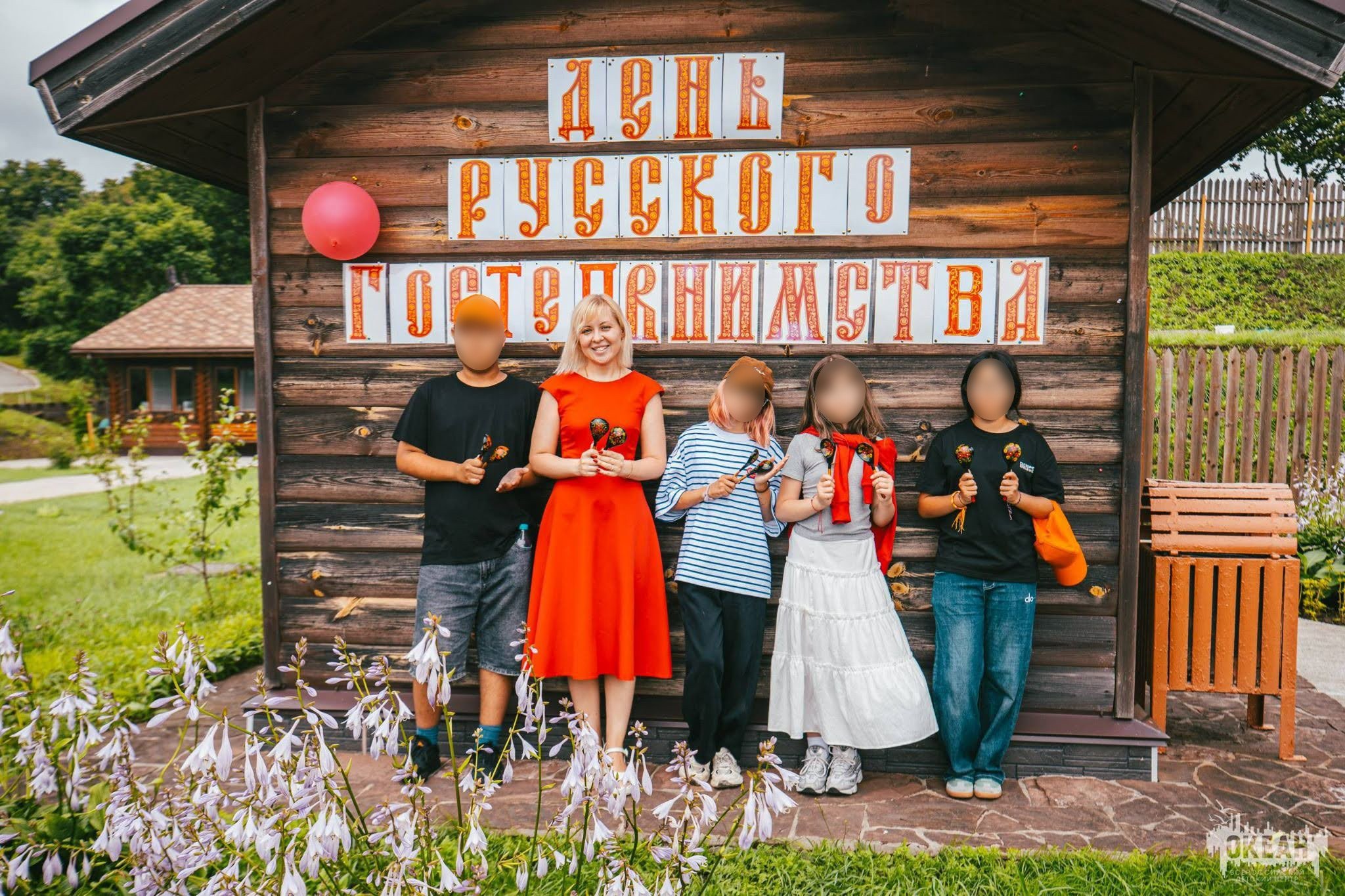
Chinese participants were also given a “Russian Hospitality Day.” At the “Russian Homestead,” children were greeted with bread and salt—a custom that organizers presented as a way of welcoming honored guests.
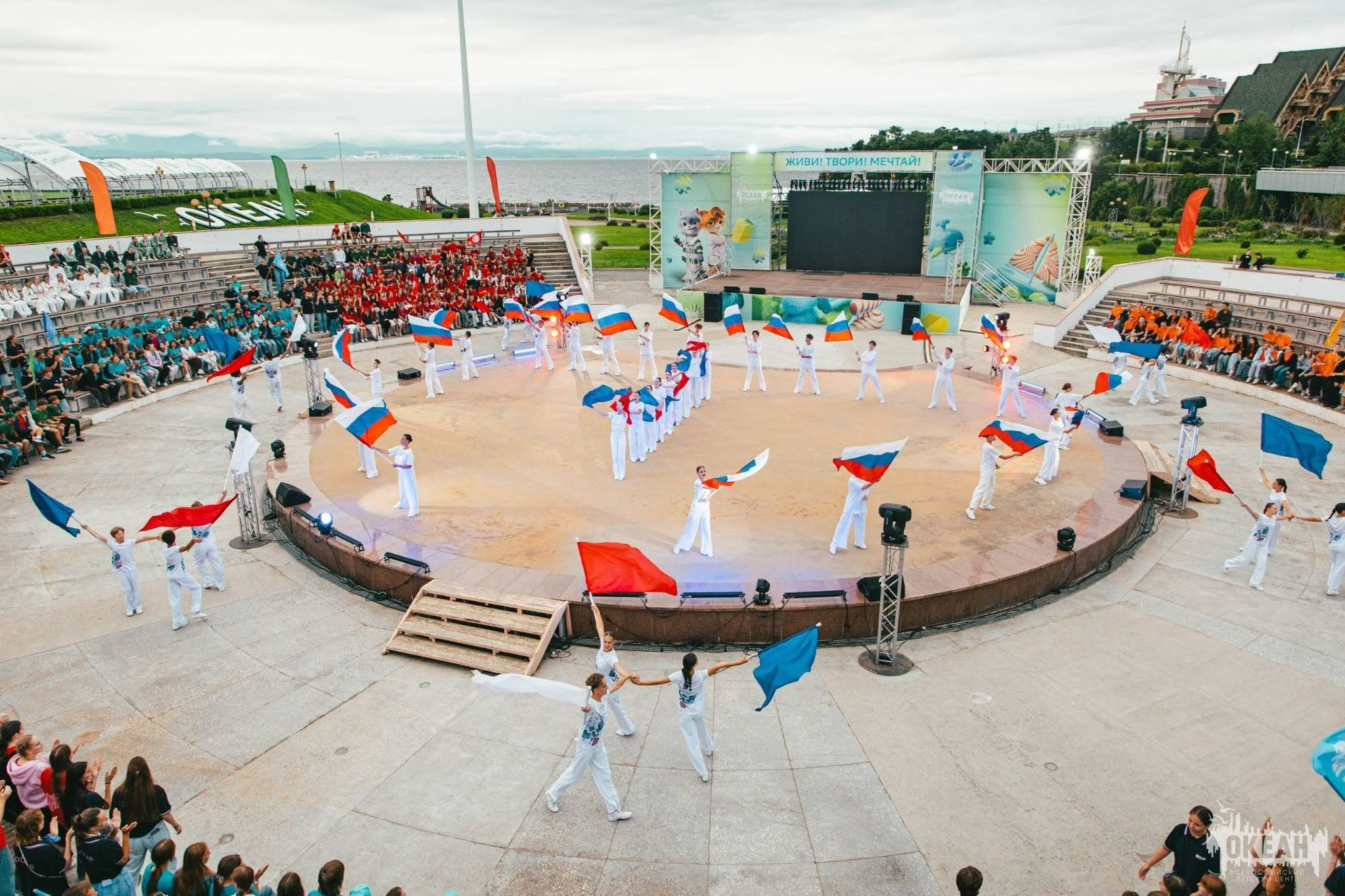
The main event of the session was the international festival “Summer! Children! Ocean!” For a week, participants attended educational parks, sports competitions, and creative workshops. The activities included robotics, first aid, tourism skills, sports, and creative projects.
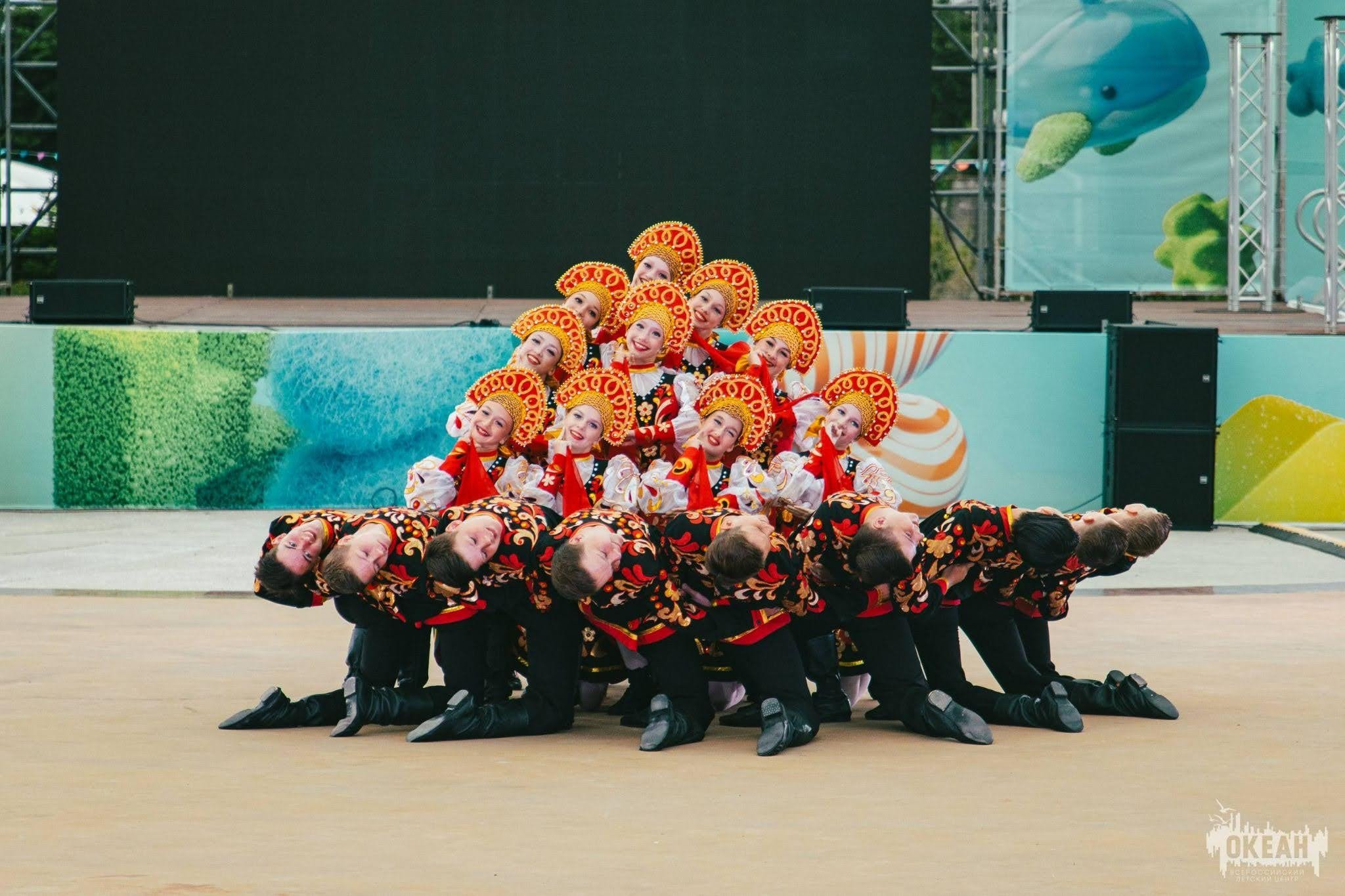
The organizers present Russia to foreign children as they want it to be seen: a country with a great culture, rich traditions, and a long history. But much of this image leaves out how Russia has historically appropriated the cultural heritage of other peoples, particularly Ukrainians, presenting their artists, writers, and other cultural figures as part of Russian culture.
“Ocean” itself describes the program in the language of friendship and openness:
At Ocean, borders disappear. What matters here is not which country you come from, but whether you are ready to make friends, discover something new, and share your warmth.
How children around the world ended up in a Russian camp
Foreign children do not travel to “Ocean” on their own. According to the center, one of the main mechanisms is the organization of national delegations.
Russia’s Ministry of Education works with education authorities, embassies, and cultural centers in other countries. Delegations of schoolchildren are then formed in those countries. Participants can include children who study Russian, as well as winners of academic olympiads and creative competitions.
How “Ocean” trains Russian children to operate drones
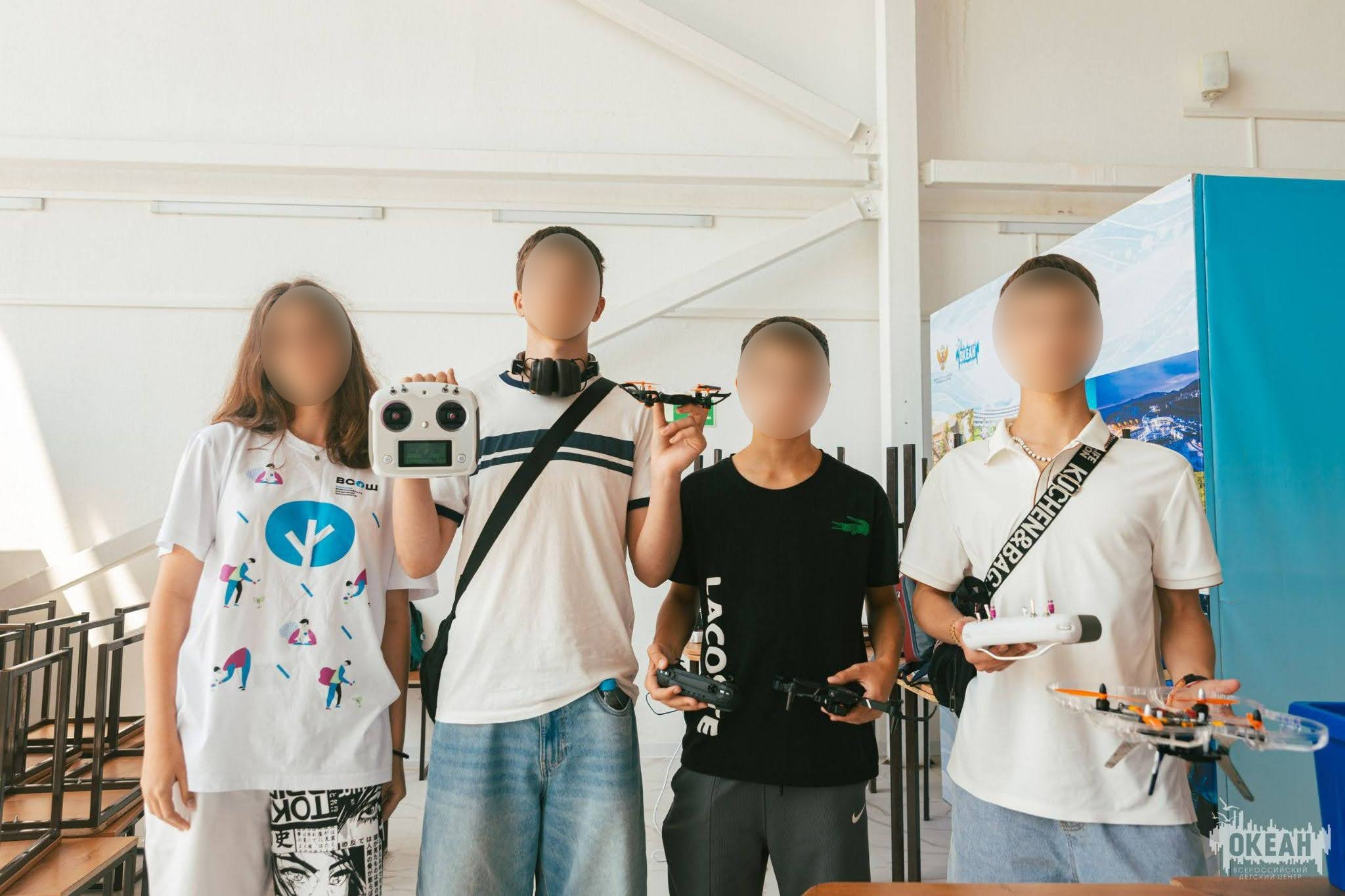
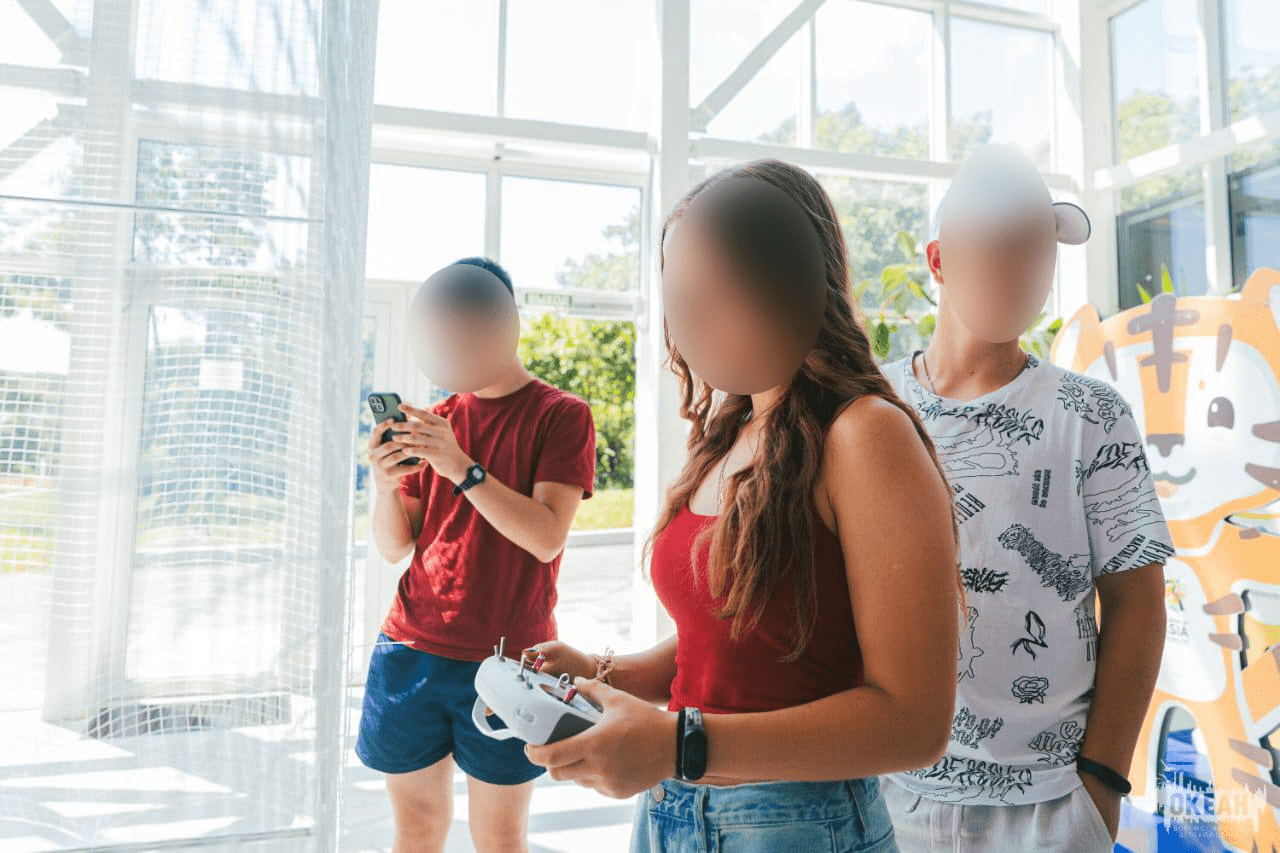
The contrast becomes clearer when looking at the programs offered to Russian children at the same camp. One of them was “Unmanned Aerial Vehicles (UAVs) — Children’s Best Friend for Exploring the World,” run in partnership with Mosoblgaz, a Russian state-owned gas distribution company. Participants had to create a final project called “Drone of the Future” and pass an exam on flight simulators, manually navigating a model gas pipeline. The program was presented as a way for children to explore engineering, programming, and piloting.
Foreign children taking part in the international program are not given the same kind of training. Instead, they are introduced to the Russian language, dances, traditions, and “hospitality.”
And the drone program is part of a much broader push. In May 2024, Russia’s Minister of Science and Higher Education, Valery Falkov, announced a plan to train one million drone specialists by 2030. By August 2025, more than 500 schools and 30 colleges across Russia had reportedly introduced drone assembly and piloting into their curricula, with government funding for flight simulators, 3D printers, virtual-reality equipment, and FPV drones. A Ukrainian Foreign Intelligence Service investigation also found that Russian schoolchildren in several regions, including Kursk, Nizhny Novgorod, Vladivostok, and Vologda, were being taught to pilot drones by operators with combat experience.
Artek: Russia’s other major children’s camp
“Ocean” is not the only Russian children’s center that works with foreign schoolchildren.
The best-known is “Artek” in Russian-occupied Crimea. Despite Russia’s full-scale invasion, it remained one of the Kremlin’s main venues for international children’s programs until it was closed in June 2026, welcoming thousands of foreign children to occupied Ukrainian territory.
Russian authorities continued to hold international sessions there and bring children from other countries to occupied Crimea. One of the central events was the international session “Artek Gathers Friends.”
In 2023, Russian authorities said that more than 1,000 foreign children had visited Artek. In 2025, Russia’s Ministry of Education reported a record 2,550 children from 81 countries in a single year. Among them were children from Germany, France, and Finland.
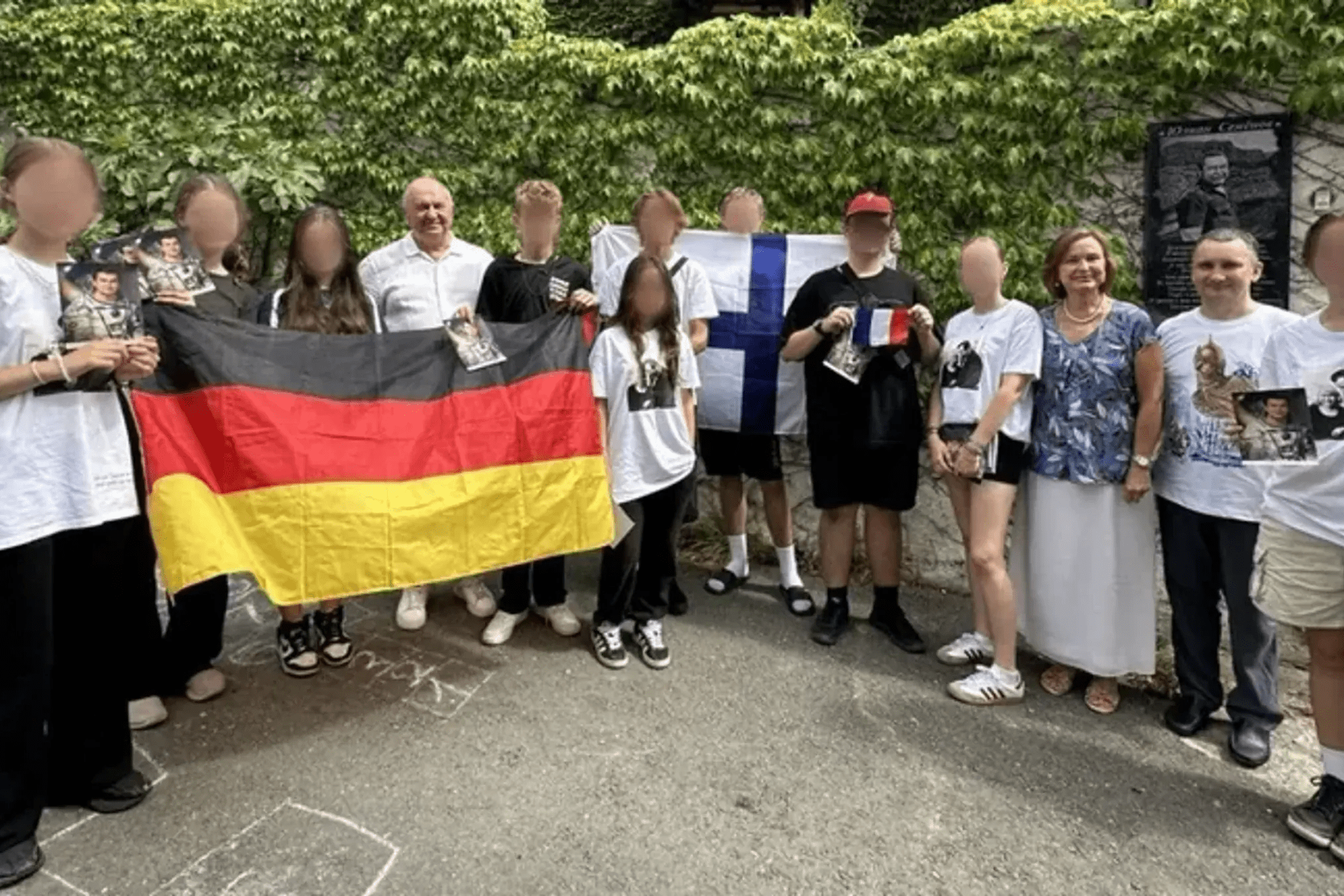
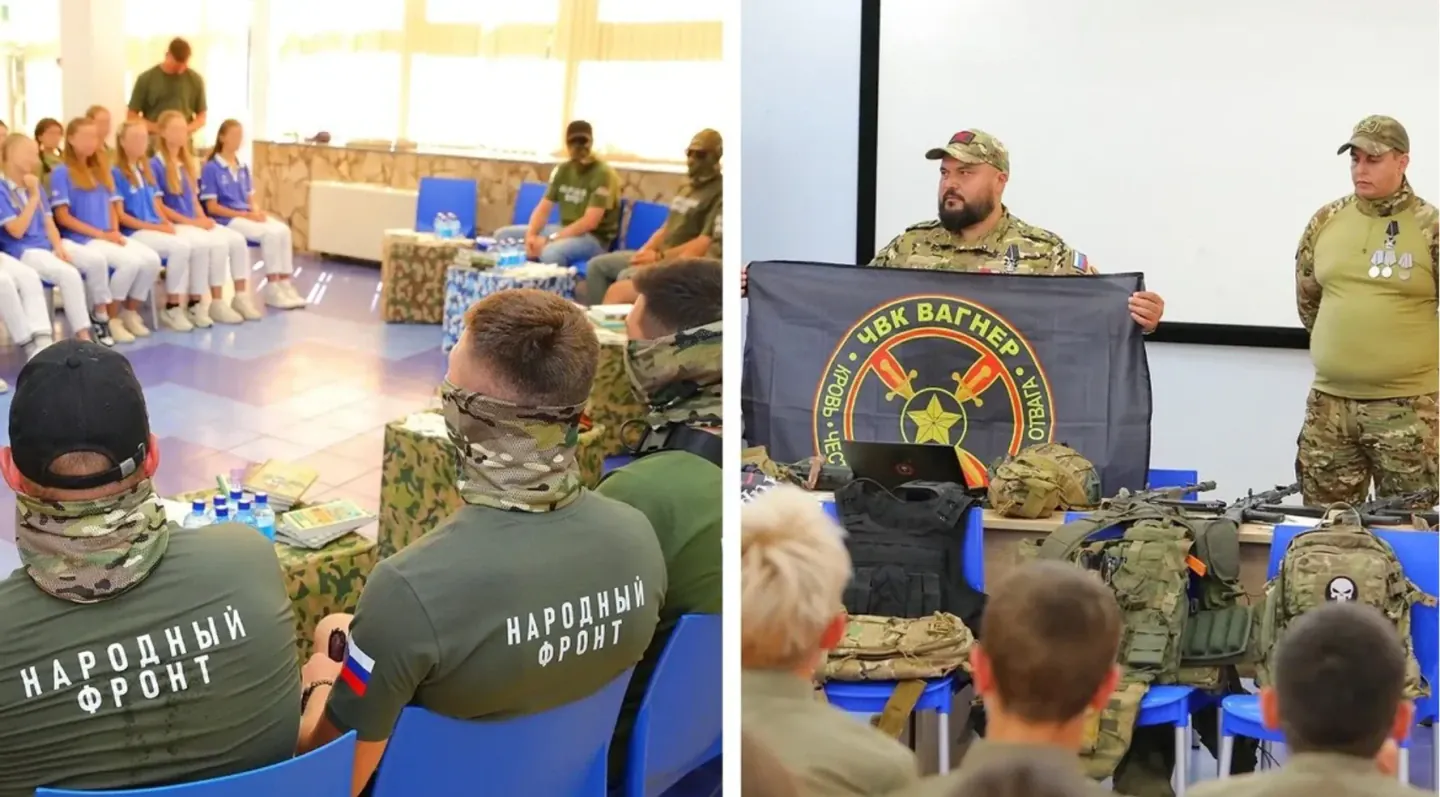
At the same time, researchers and human rights groups documented that foreign children’s stays in occupied Crimea went beyond recreation. They were involved in patriotic events and meetings with Russian military personnel involved in war crimes in Ukraine and government officials. Researchers also reported other activities aimed at fostering a positive attitude toward Russia, including a meeting with Wagner PMC fighters who participated in the capture of Bakhmut.
What’s wrong with international sessions at Russian camps
“Ocean” matters more than just a children’s camp. It is an example of another part of the same system—one that can operate without military uniforms, weapons, or direct discussions of the battlefield.
Through travel, language, culture, and personal connections, Russia shapes its own image for children who will eventually return home. It does not necessarily need to convince them to support the war. It can start by making Russia feel familiar, friendly, and attractive.
“Ocean” itself says that “borders disappear” when children come together. The phrase may sound harmless in the context of a children’s camp. But it is difficult to ignore what it means coming from a country that has invaded neighboring states, occupied their territories, and is trying to reshape the identity of children living there.
Whether these children ever adopt Russia’s worldview is impossible to measure. What is already clear, however, is that the Kremlin is investing in long-term relationships with young people far beyond its borders, presenting that effort as nothing more than cultural exchange and friendship.
Discuss this article:


-c439b7bd9030ecf9d5a4287dc361ba31.jpg "Photo of Katherina Popilnichenko")


-72b63a4e0c8c475ad81fe3eed3f63729.jpeg "Photo of Cyril Barabaltchouk")