- Category
- Investigations
What Russia’s Baltic Military Buildup Looks Like From Space—ICEYE

Satellite images show an old Russian garrison coming back to life and new radar infrastructure taking shape in Kaliningrad. At sea, Russian warships are escorting sanctioned cargo. Even as the war in Ukraine draws on its forces, Russia keeps building around the Baltic.
 Prefer U24 Media on Google
- Authors


Rybka Garrison is a Soviet-era military site on the outskirts of Petrozavodsk, a city on the western shore of Lake Onega in northwestern Russia. As recently as summer 2024, trees and scrub covered parts of its crumbling grounds, as the site sat largely empty since the 2000s.
By April 2025, satellite images showed that years of overgrowth had been cleared. By October, military vehicles were parked inside the perimeter.
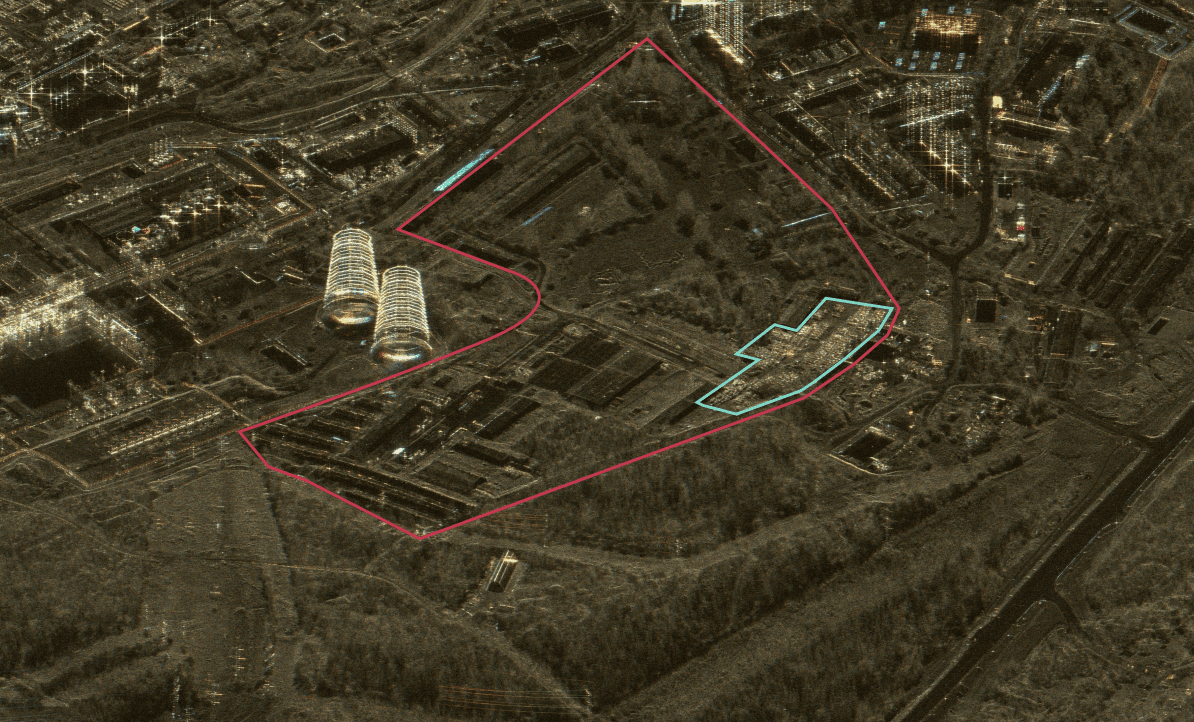
What does that mean? Russia is rebuilding its military force in the Baltic; the garrison's revival is just one example documented by ICEYE. After all, Russia’s military presence on the Baltic stretches from Kronstadt in the Gulf of Finland to Baltiysk on the coast of Kaliningrad.
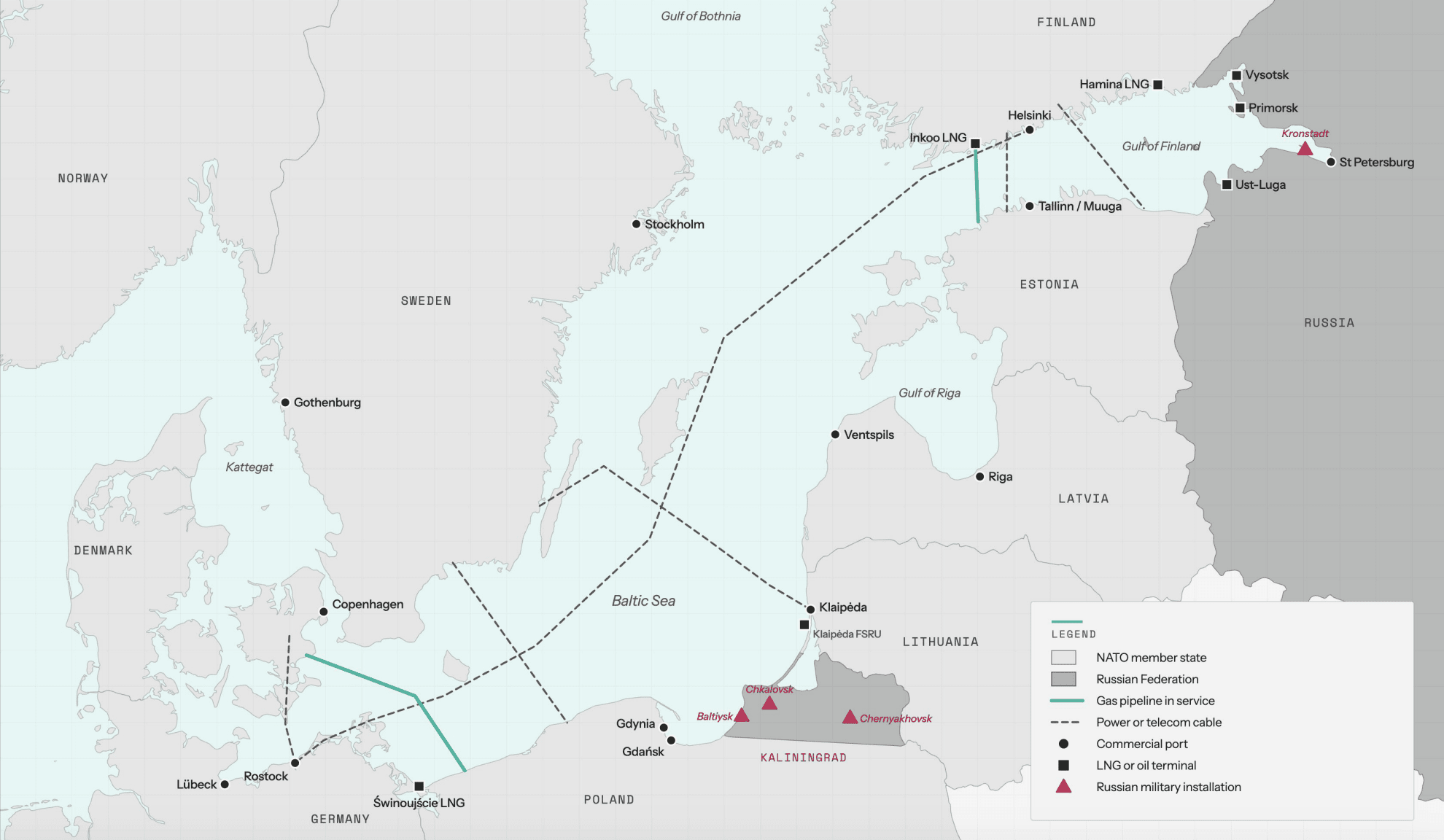
Kaliningrad’s new radar and military construction in Belarus
ICEYE’s October 2026 Baltic Sea Overwatch report puts Rybka’s revival in a wider regional context.
Russia is rebuilding for the long term—not just for Ukraine.
ICEYE’s October 2026 Baltic Sea Overwatch report
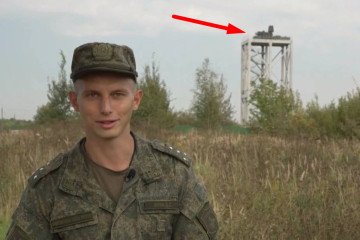
Russia has drawn down ground forces in its Baltic exclave of Kaliningrad for the war in Ukraine. Russia’s Kaliningrad-based 11th Tank Regiment, for example, has been fighting in Ukraine’s Kharkiv region. At the same time, the exclave’s role in surveillance, early warning, and electronic warfare has grown.
The report identifies more than 20 signals intelligence and electronic warfare sites and cites Lithuania’s national threat assessment:
“Russia has been constructing elements of an over-the-horizon (OTH) radar at several locations across Kaliningrad. This changes the picture for the region significantly. Until recently, it was discussed largely in terms of troop and unit strengths. Now and in the future, there needs to be just as much focus on the buildout of C4ISR infrastructure.”
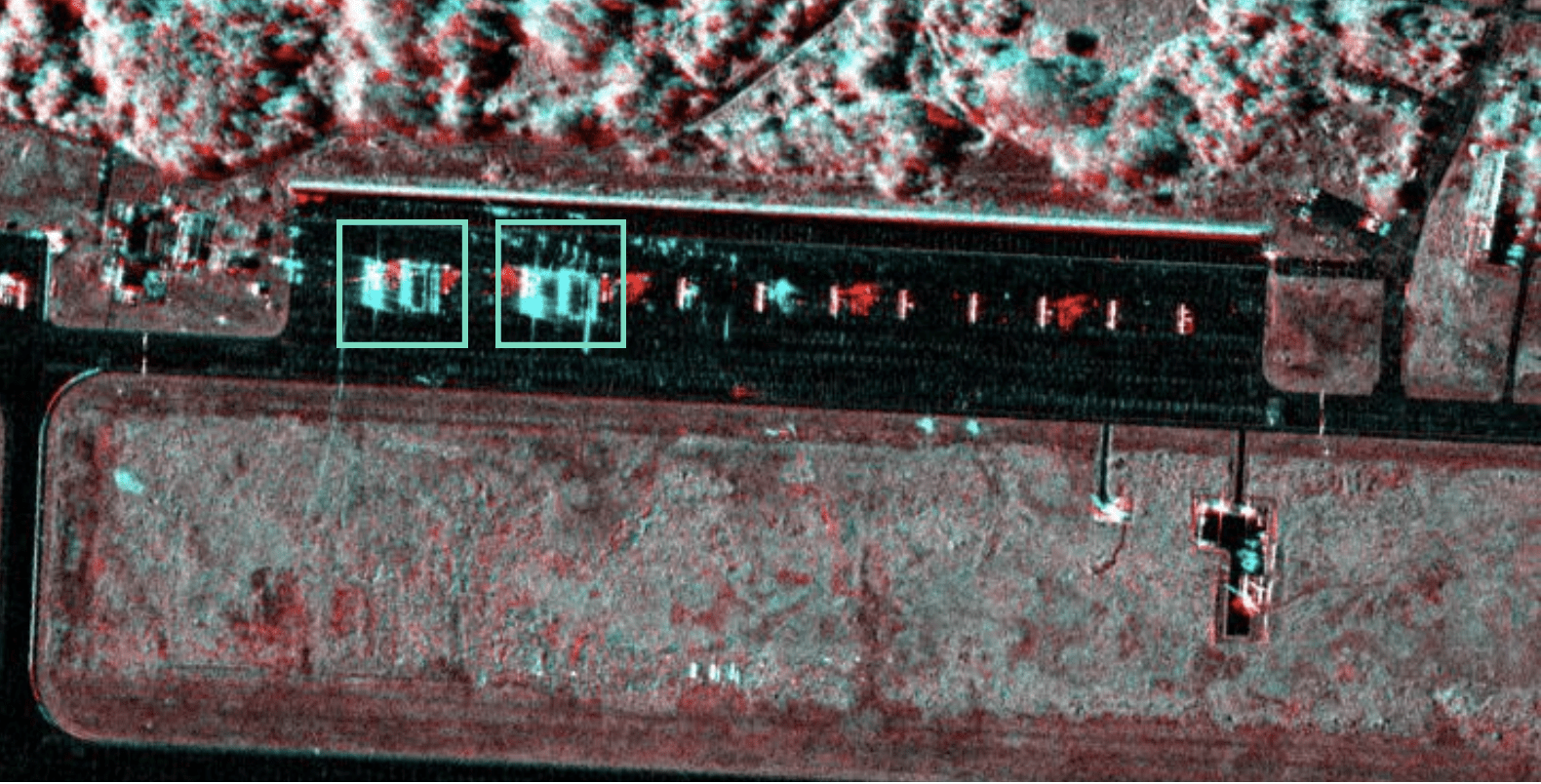
It also documents new protective aircraft shelters. Taken together, those investments suggest Russia is improving its ability to detect activity and keep its forces operating in a crisis, even with fewer ground troops on hand.
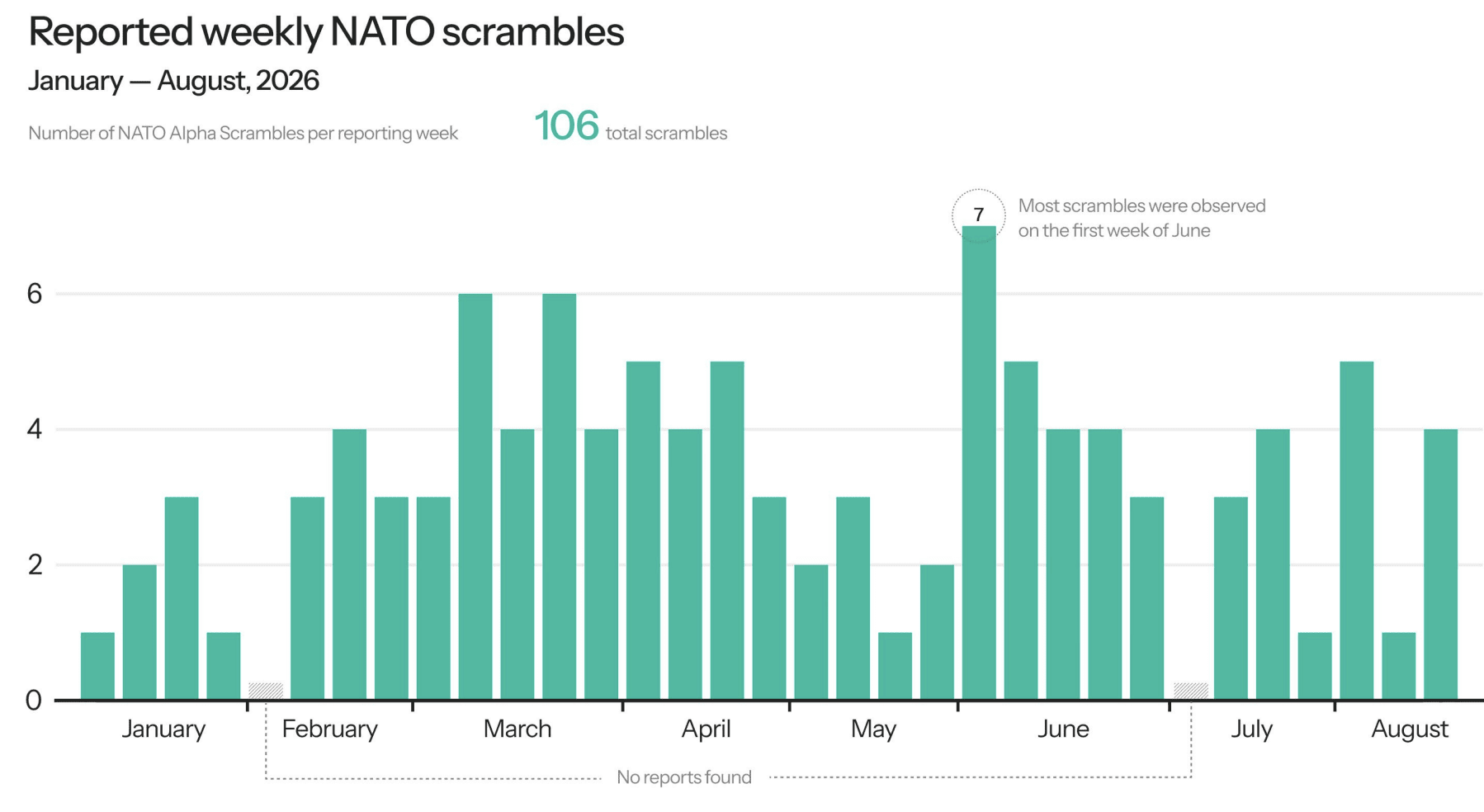
ICEYE tallied 106 reported NATO air-policing scrambles from January through August 2026, with a weekly peak of seven in early June. NATO regularly sends aircraft to intercept Russian military flights between mainland Russia and Kaliningrad. The jets fly close enough to identify the aircraft and monitor its movements, and escort it as needed.
In May 2026, Latvia reported that drones had entered its airspace from Russia, prompting NATO aircraft to patrol its eastern border. On 1 August, NATO’s Baltic Air Policing mission formally transitioned to an air defence mission with a broader remit to respond to airborne threats.
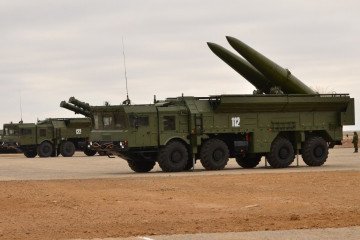
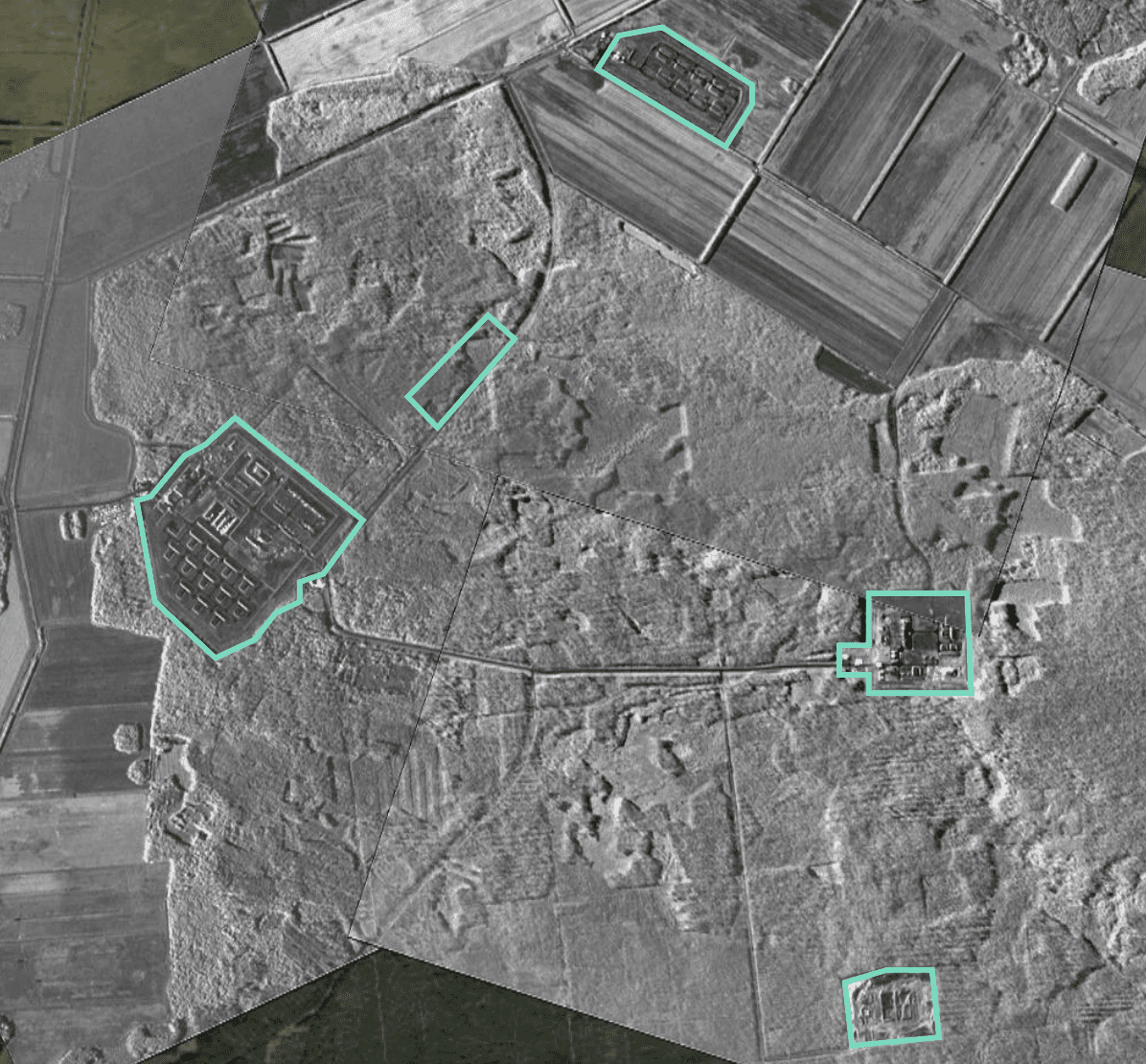
Meanwhile, in Belarus, a former Soviet missile site is being rebuilt. ICEYE shows a large munitions complex is under construction near Pavlovka, 60 km south of Minsk. The purpose of the new complex remains unconfirmed—Lukashenko denied in December 2025 that the Russian Oreshnik intermediate-range missile system had been placed there.
Developments in Belarus reshape the military geometry facing Poland, the Baltic States and the wider European theater.
ICEYE’s October 2026 Baltic Sea Overwatch report
Russia’s naval escorts for sanctioned ships in the Baltic Sea
Russia’s shadow fleet poses a growing threat to Europe. The Baltic Sea has seen sanctioned ships pass through the Danish Straits and later disappear from tracking systems. The shadow-fleet tanker Andromeda Star collided with another ship in the Danish Straits in 2024.
The European Union had listed more than 670 vessels by 23 July 2026 that are under measures targeting Russia’s shadow fleet. Enforcing those measures means tracking ships that regularly change names, flags, and ownership structures. And Moscow has made the job harder by sending warships.
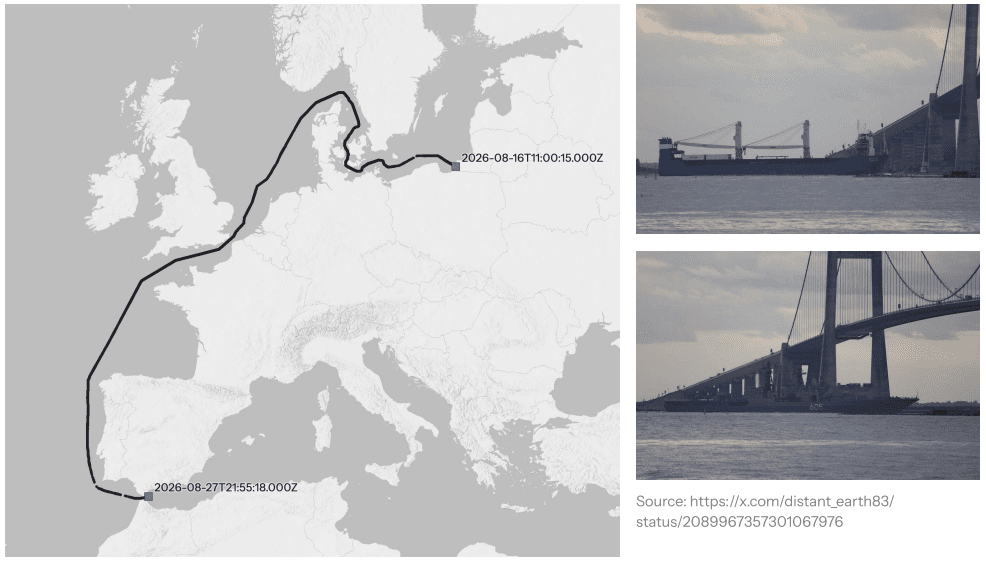
In August 2026, the sanctioned cargo ship Sparta departed Baltiysk—a Russian port town on the Baltic Sea—alongside the Russian destroyer Admiral Levchenko. The tanker General Skobelev and the fleet oiler Akademik Pashin later joined them. The Royal Navy monitored the group as it passed through the English Channel. On August 27, the ships entered the Mediterranean through the Strait of Gibraltar, and Sparta’s tracking signal went dark. In early September, the cargo ship was reportedly seen unloading at the Syrian port of Tartus.
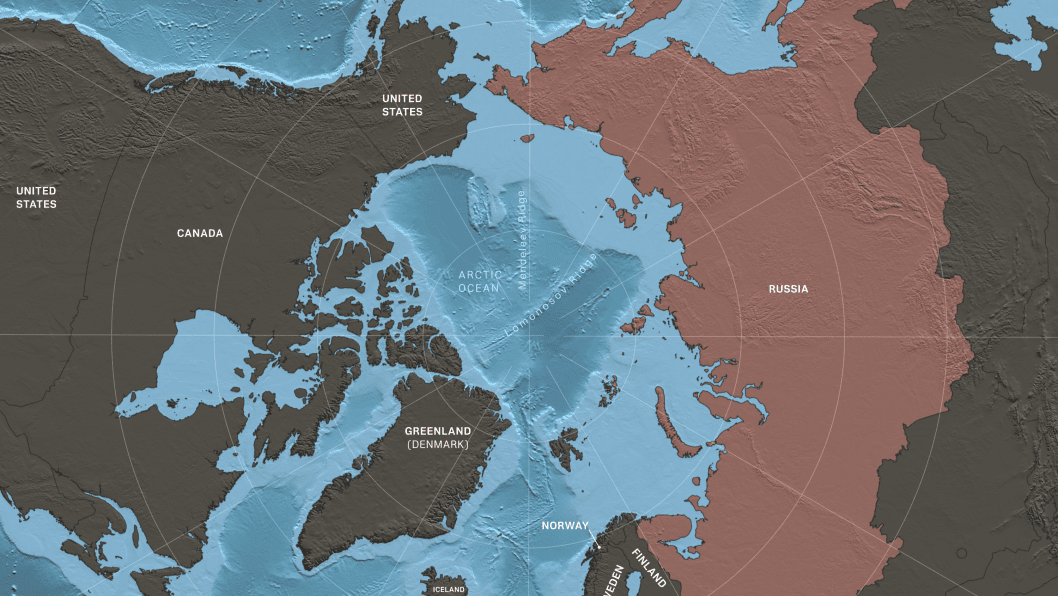
Russia’s Arctic shipping network offers another route. “In early August 2026, at least eight sanctioned tankers were reported transiting eastward along the Northern Sea Route,” says ICEYE. “All of them had been loaded at Russian Baltic and Arctic ports the previous month.”
Russian icebreakers help keep that route navigable, allowing those shipments to bypass European patrols in the Baltic approaches.
ICEYE also cites Estonian surveillance imagery showing weapons mounted aboard the Russian liquefied natural gas carrier Marshal Vasilevskiy.
“Searches by European law enforcement over the last two years have not publicly turned up any drones, launch equipment or surveillance systems,” the report says, adding that “there have been a striking number of drone sightings near suspicious vessels, often when they are on movement patterns that do not match ordinary commercial activity.”
Baltic Sea cable damage
A series of Baltic Sea cable incidents began in 2023. By 2025, 11 had been reported. ICEYE says several were probably accidental, and others were treated as suspected sabotage.
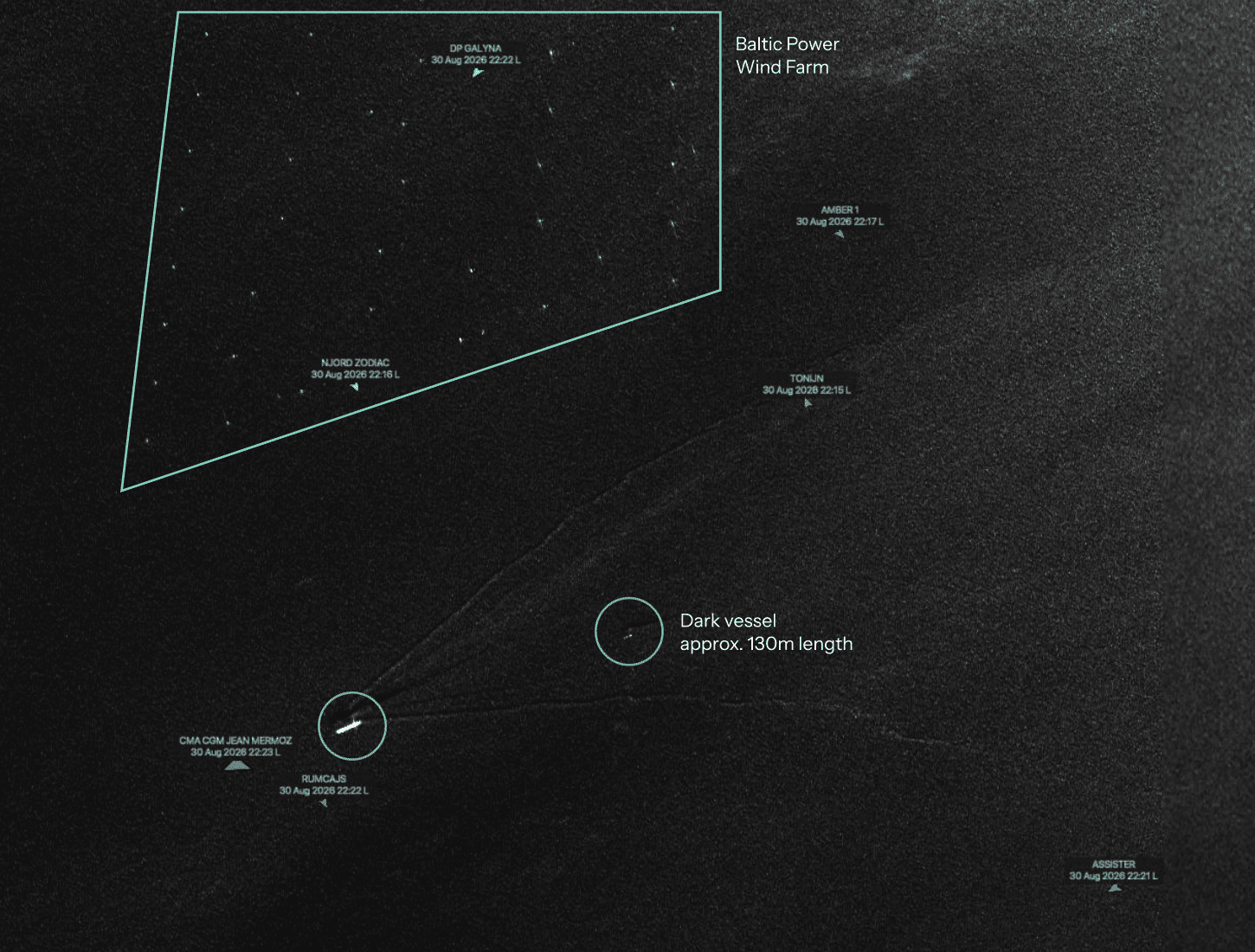
ICEYE uses the term “dark vessel” to refer to a ship detected by satellite radar that has no matching Automatic Identification System (AIS) track. In one image, it spotted a vessel about 130 meters long near the Baltic Power offshore wind farm. A gap in AIS data can result from poor coverage, equipment failure, or a crew switching off its transmitter. Establishing why the track was missing or linking a vessel to cable damage would require further evidence.
Even when a ship’s route is known, establishing what damaged a cable takes evidence from below the surface. In two cases in the Gulf of Finland, investigators examined the seabed for traces left by a ship’s anchor.
On Christmas Day 2024, the EstLink 2 power cable and four telecommunications cables were damaged. Finnish prosecutors allege that the Russia-linked tanker Eagle S dragged its anchor across the cables after leaving the Russian port of Ust-Luga. They charged three crew members. A year later, on New Year’s Eve 2025, two telecommunications cables linking Finland and Estonia were damaged in the same gulf. Investigators traced the damage to the cargo ship Fitburg. On 5 November 2026, the Helsinki District Court sentenced the ship’s Russian captain and its boatswain to prison for aggravated sabotage. Whether Moscow directed either incident remains unproven.
What happens to trade if the Danish Straits close?
While the Baltic’s cables carry power and data, the waters above them carry much of the region’s trade.
ICEYE considers what would happen if a conflict made commercial passage through the Danish Straits unsafe. Some cargo would have to be delayed or rerouted to North Sea ports. Hamburg would be a likely destination for diverted freight, given the size of its port and its rail connections to northern and central Europe.
It handled 114.6 million tonnes in 2025, according to ICEYE, almost 50 million tons less than the Baltic’s five largest ports combined: Gdańsk (80.4 million), Klaipėda (39 million), Riga (16.8 million), Tallinn (14 million) and Helsinki (13.4 million). That is before even counting Gdynia, the remaining Finnish and Swedish ports, or Germany’s other Baltic ports.
Even if Hamburg could match the Baltic ports’ capacity, ICEYE says it “could not provide a one-for-one alternative.” The report points to “differences in cargo types, vessel sizes, terminal specialization and hinterland routes” and warns that “the disruption would move swiftly inland through European road and rail.”
Contingency planning needs to start now—not after the disruption takes place.
ICEYE’s October 2026 Baltic Sea Overwatch report
A Baltic crisis could put several decisions on the table at once. Defense officials would have to agree on what Russia’s buildup means for military readiness. Coast guards and investigators could be sharing evidence about a vessel moving from one country’s waters into another’s. Ports and transport agencies would have to work out which cargoes they could reroute. A joint exercise would show where those decisions depend on one another and where a delay in one country could hold up the response in another.
“The Baltic is becoming more observable at the same time as it is growing more complex,” the report says. “There is more data, more surveillance and more opportunity to see changes as they happen. But observation alone is not enough. The real advantage comes from watching how those changes develop over time and connecting what is unfolding across domains. When this happens, persistent monitoring goes beyond mere recording—it becomes a powerful early warning system and strategic intelligence tool.”
Discuss this article: