- Category
- Latest news
Ukraine Tricks Russian Starlink Drones Into Striking Inflatable F-16, Video
 Prefer U24 Media on Google
- Authors


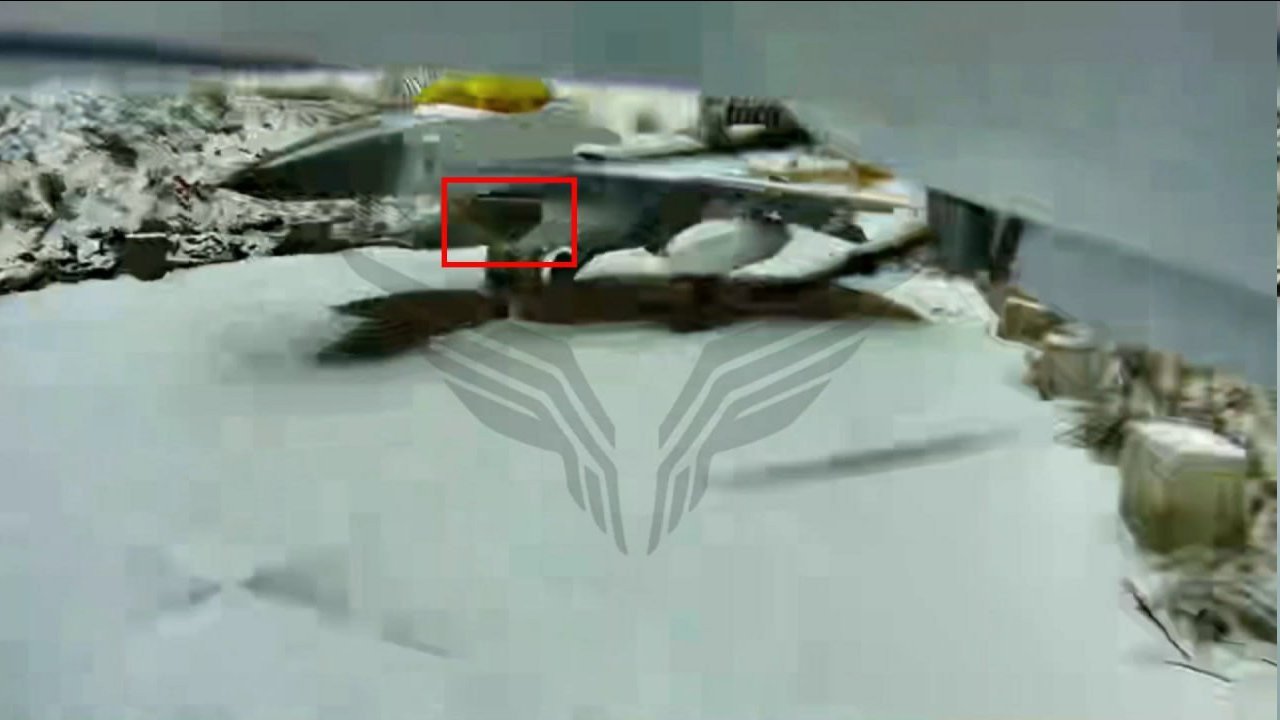
A Russian BM-35 loitering munition struck what Moscow claimed was a Ukrainian F-16 fighter jet at Kanatove airfield in Ukraine’s Kirovohrad region, but open-source analysts say the target was in fact a decoy, not a real aircraft, according to the Clash Report on January 29.
The strike occurred on January 26, according to OSINT specialists. Satellite imagery and battlefield footage indicate that the destroyed object was a full-scale mock-up used for training and deception purposes.
We bring you stories from the ground. Your support keeps our team in the field.
OSINT analyst GloOouD said the incident highlights both Russian capabilities and the limits of the attack’s actual impact.
“On January 26, 2026, at the Kanatovo airfield near the town of Kropyvnytskyi, a mock-up of an F-16ADV fighter jet of the Armed Forces of Ukraine, was destroyed by a combat unit of ‘Rubicon’ with a BM-35 strike drone,” GloOouD said.
Russian BM-35 kamikaze drone with Starlink hits Ukrainain F-16 decoy at Kanatove airfield, Kirovohrad region. pic.twitter.com/LpQyXUlvPZ
— Clash Report (@clashreport) January 29, 2026
“Therefore, all aircraft should be kept in hangars, and an effective anti-drone system should be implemented,” he added.
The use of a decoy was also acknowledged indirectly by the Russian side. In its original post, the Rubicon Drone Operations Center stated that the destroyed object was a mock-up employed for training Ukrainian engineer and technical units, reinforcing the assessment that no operational aircraft was lost.
Russia claims to have struck a Ukrainian F-16, the only problem is, it was a mock up, that even Russian channels are admitting. In other news Ukraine is deploying very realistic mock ups of its aircraft (Apart from the fact they are never exposed or in the open in this way) pic.twitter.com/jLJezwniRu
— raging545 (@raging545) January 29, 2026
The BM-35 drone involved in the strike is reported to use satellite connectivity via Starlink, allowing operators to control it in real time over long distances.
Analysts say this underscores the growing threat posed by networked loitering munitions, while also illustrating the continued effectiveness of decoys in forcing adversaries to expend high-value strike assets on non-critical targets.
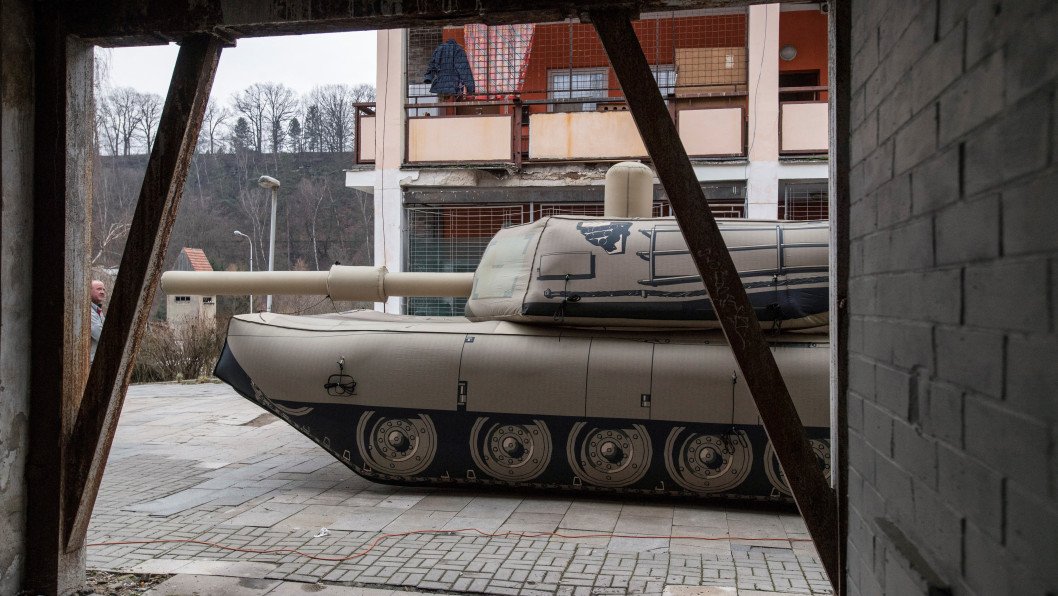
Earlier, Russian forces used Starlink-guided Shahed attack drones for the first time during a strike near Kropyvnytskyi and targeted helicopters in the area.
Technical indicators suggest the drones were not relying on traditional relay UAVs to maintain control, pointing instead to satellite-based connectivity. The drones were flown at extremely low altitude, likely to avoid detection by air-defense radar systems.
Discuss this article: