- Category
- Latest news
Iran’s New Leader Vows to Maintain Hormuz Blockade and Target US Bases in First Address
 Prefer U24 Media on Google
- Authors

-72b63a4e0c8c475ad81fe3eed3f63729.jpeg "Photo of Cyril Barabaltchouk")
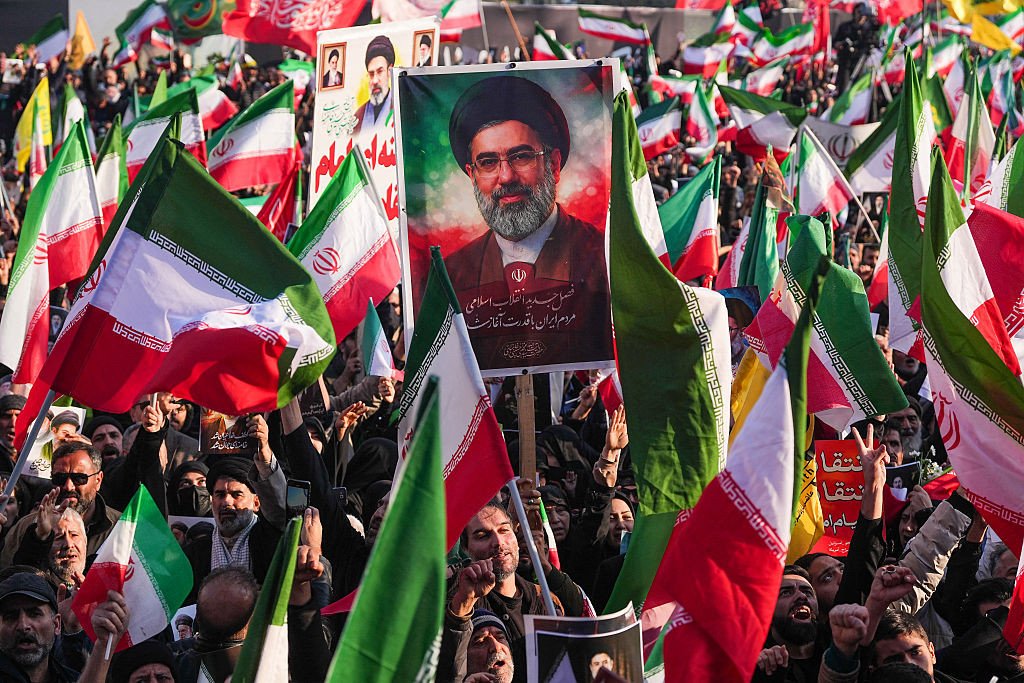
Iran’s newly appointed Supreme Leader Mojtaba Khamenei delivered his first national address, Iranian outlet Tasnim reported on March 12.
Notably, the new leader didn’t appear on camera. The address was strictly distributed by text and read aloud by a presenter on Iranian state television. Khamenei used the broadcast to officially declare his intent to wage a protracted war against the United States and maintain a strict blockade on the Strait of Hormuz.
We bring you stories from the ground. Your support keeps our team in the field.
The address centered heavily on the US and Israeli military campaign. Thanking his armed forces for delivering “crushing blows,” Khamenei stressed that Tehran will continue to use the blockade of the vital waterway as leverage.
Promising to open “new fronts” where allied forces lack experience and will be “extremely vulnerable,” Khamenei also expressed deep gratitude to proxy networks, including Yemen’s Houthis, Lebanon’s Hezbollah, and Iraqi pro-Iran groups.
In his statement, the new Supreme Leader vowed to avenge every Iranian casualty, specifically citing a strike on a girls' school in Minab as a crime requiring retribution. He warned that Iran will demand full financial reparations, threatening to confiscate or destroy equivalent enemy property if those demands are refused.
Khamenei further announced that Iranian forces will continue their strikes on American military bases across the Middle East until the installations are permanently closed.
Despite two weeks of continuous bombing since the US and Israel launched Operation “Epic Fury” on February 28—a blitz that killed former Supreme Leader Ali Khamenei on its first day—US intelligence sources told Reuters that the Iranian government has not collapsed and remains firmly in control.
Privately, Israeli officials told Reuters that an air campaign alone is unlikely to force regime change, with a senior official indicating a ground operation would be necessary. However, Israel maintains it will not accept the survival of the current regime.
Israeli Defense Minister Israel Katz previously reinforced this stance, warning that any leader committed to Israel’s destruction and the oppression of the Iranian people remains an “unconditional target for elimination, regardless of name and hiding place.”
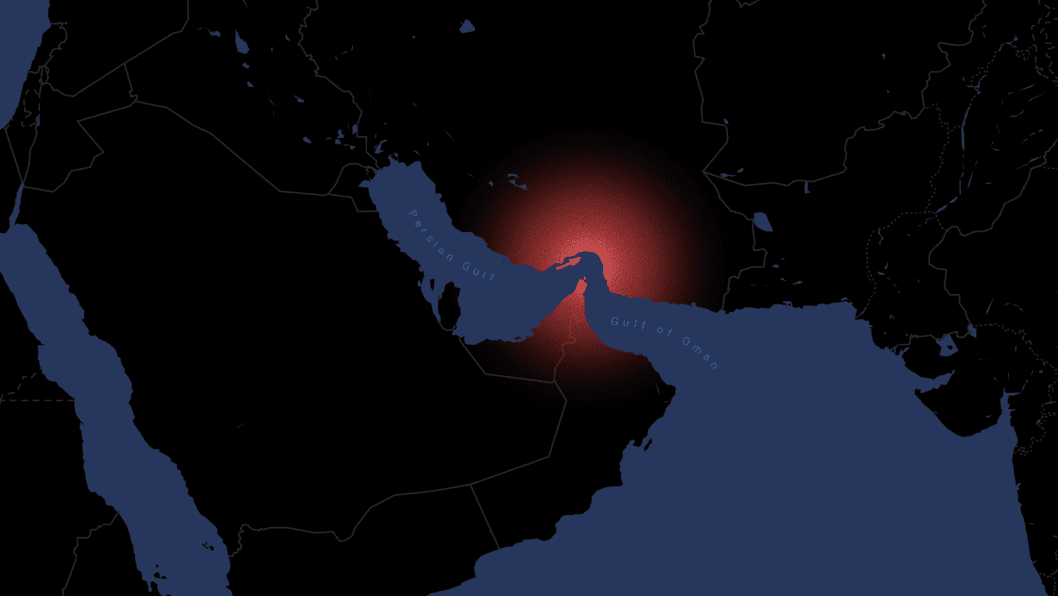
Khamenei’s vow to maintain a strict blockade on the Strait of Hormuz directly exacerbates the current global energy crisis, forcing unprecedented interventions from Western allies. In direct response to the severe maritime disruptions caused by the conflict, the International Energy Agency (IEA) recently authorized a massive intervention to offset the supply gap.
The 32 member countries of the IEA had previously unanimously agreed to release a record 400 million barrels of oil from emergency reserves to combat market shocks stemming from the Middle East. With the strait typically handling around 20 million barrels per day—roughly 25% of the world’s seaborne oil trade—export volumes have plummeted to less than 10% of pre-conflict levels.
Discuss this article:
-4a56a6b482ec132402c16ef6fcabf9a2.png)




-c439b7bd9030ecf9d5a4287dc361ba31.jpg "Photo of Katherina Popilnichenko")