- Category
- Latest news
France Plans Defensive Mission to Reopen the Strait of Hormuz
 Prefer U24 Media on Google
- Authors

-c439b7bd9030ecf9d5a4287dc361ba31.jpg "Photo of Katherina Popilnichenko")
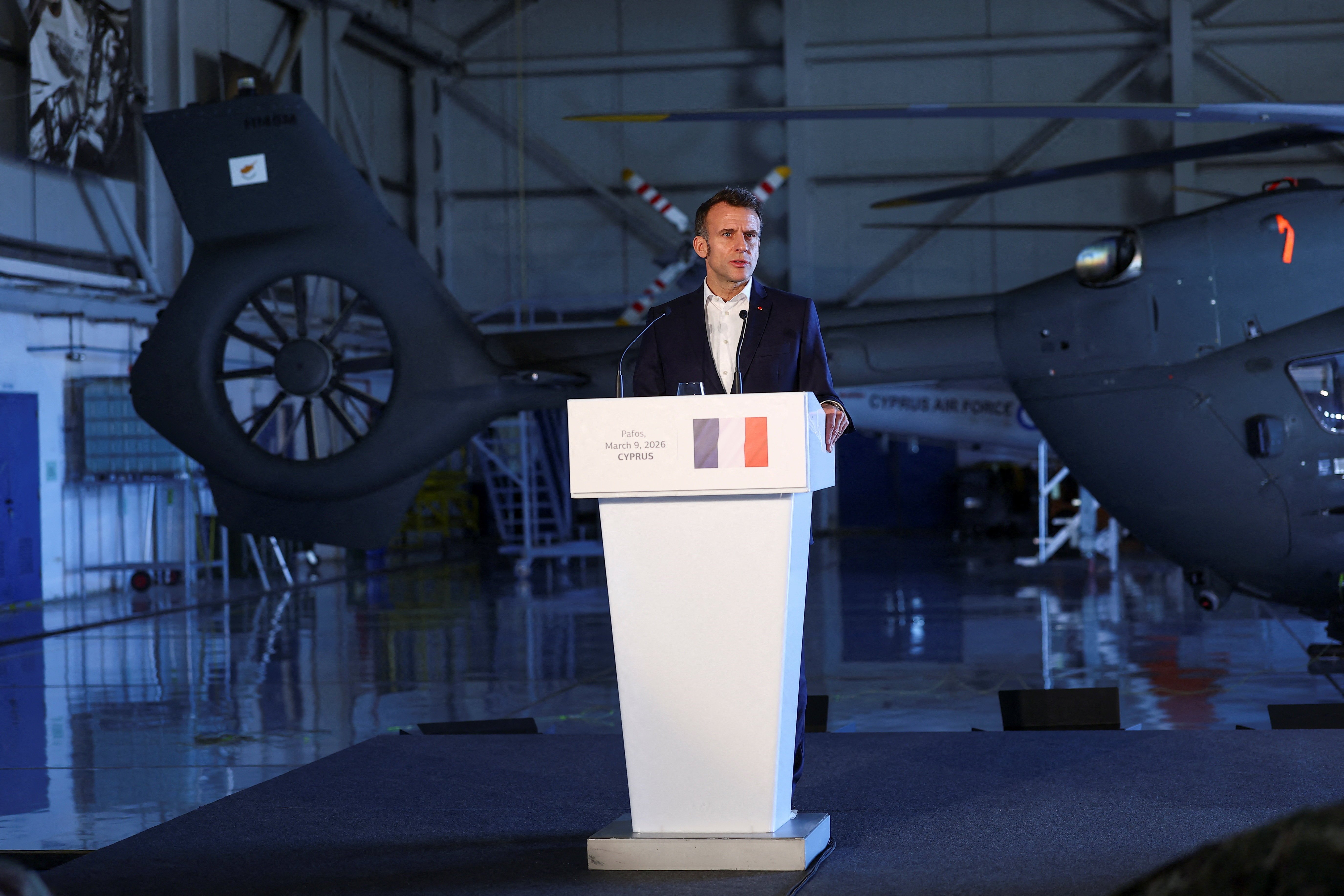
French President Emmanuel Macron stated that France and its allies are working to establish a “purely defensive” mission to reopen the Strait of Hormuz.
He explained that the mission will focus on escorting vessels once the most intense phase of the war in the Middle East concludes. The primary objective is to ensure the stable flow of oil and gas through the region, according to LBC International on March 9.
We bring you stories from the ground. Your support keeps our team in the field.
This deployment follows Macron’s order for the aircraft carrier Charles de Gaulle to relocate from the Baltic Sea to the Mediterranean.
The French leader noted that the current situation has made the Strait of Hormuz impassable and placed the Suez Canal and Red Sea under significant pressure, threatening international trade.
“We must preserve economic interests, because the prices of oil, gas and international trade are deeply affected by this war. Today the Strait of Hormuz is effectively closed, and about 20% of the world’s oil and liquefied natural gas passes through this strait. The Suez Canal and the Red Sea are also under pressure and under threat,” Macron stated.
France is now initiating an international coalition to protect these maritime routes. The Charles de Gaulle, along with its air wing and escort frigates, will lead efforts to secure energy supplies.
“Facing this unstable situation and the uncertainty of the coming days, I have given the order for the aircraft carrier Charles de Gaulle, its aviation and escort frigate to go to the Mediterranean Sea,” the President concluded.
These measures are being taken as Israel and the United States continue a joint operation that began on February 28. This mission is specifically aimed at neutralizing long-range missile threats and degrading infrastructure related to nuclear developments in the region.
The deployment of the Charles de Gaulle provides the coalition with additional carrier-based aviation capabilities, enabling a more robust defensive perimeter around the Strait of Hormuz and the Suez Canal to prevent further disruptions to global energy markets.
Earlier, it was reported that Poland signaled a historic shift toward a French-led nuclear deterrence framework, moving away from its role as a passive observer in European strategy. Prime Minister Donald Tusk confirmed that Warsaw sought a more active role in the continent’s security architecture as President Emmanuel Macron proposed expanding the French “nuclear umbrella.”
The cooperation framework included joint military exercises, the demonstration of strategic capabilities, and the potential forward deployment of French strategic aviation units on partner territories.
While the alliance aimed to integrate several European nations, Macron emphasized that the ultimate authority over the French nuclear arsenal remained his exclusive prerogative.
Discuss this article: