- Category
- War in Ukraine
Germany Plans Counter-Drone Units Across Nine Cities to Defend Against Russian Hybrid Attacks
 Prefer U24 Media on Google
- Authors


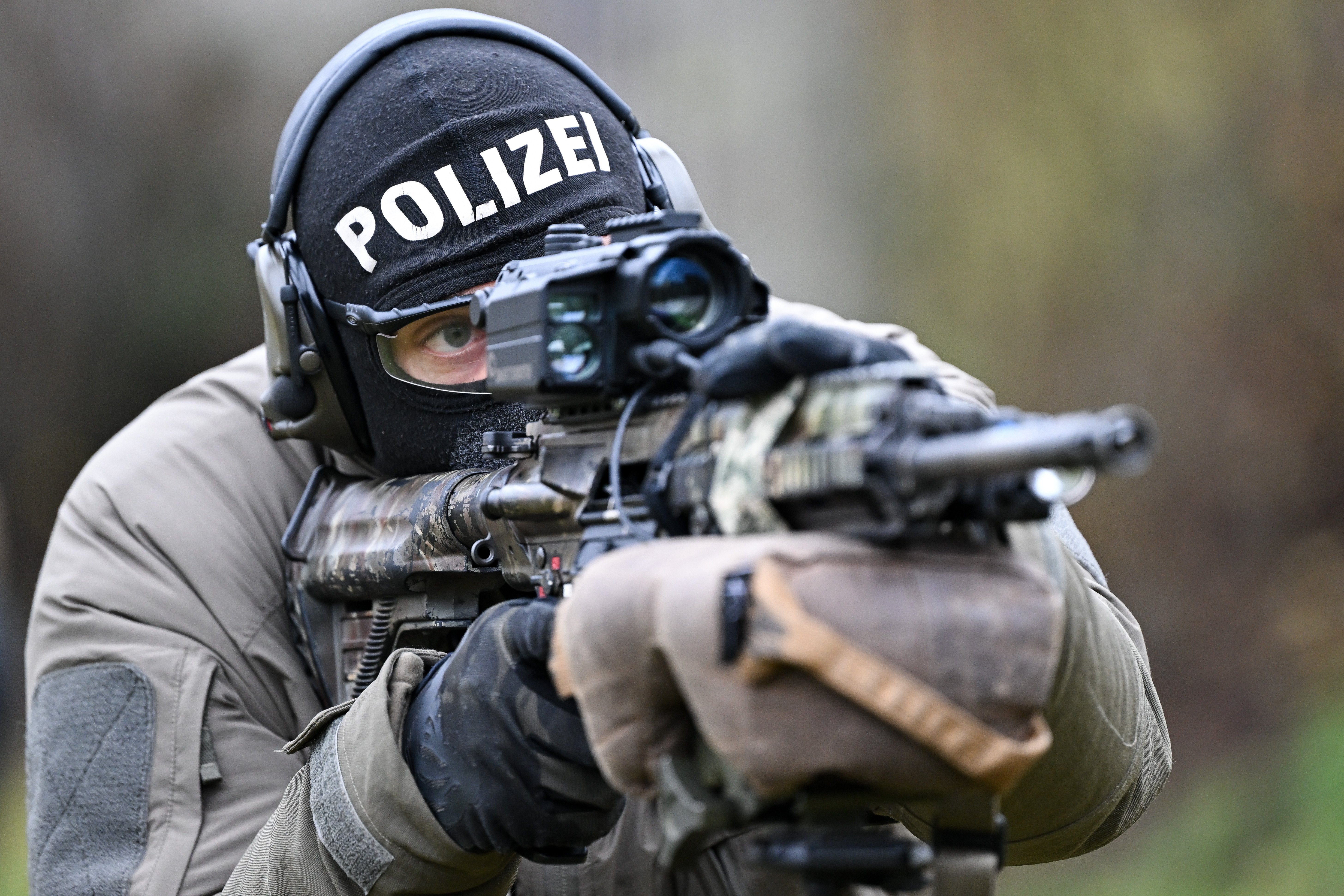
Germany is preparing to deploy specialized counter-drone police units across nine strategically important cities. The move is part of a broader security plan aimed at protecting the country from Russian hybrid attacks, sabotage, cyberattacks, and espionage.
We bring you stories from the ground. Your support keeps our team in the field.
According to Bild on September 6, the plan developed by Germany’s Federal Interior Ministry would establish rapidly deployable federal police units equipped with helicopters and specialized vehicles. They would operate in Berlin, Munich, Hamburg, Stuttgart, Düsseldorf, Frankfurt am Main, Leipzig, Hanover, and Cologne.
The units would protect airports, railway stations, major transport hubs, critical infrastructure, and Berlin’s government district. Their responsibilities would extend beyond detecting and intercepting unauthorized drones to neutralizing unmanned aircraft carrying explosives and dealing with explosive devices.
-5cb7e9e1318be990d6b922ede67c233b.png)
German Interior Minister Alexander Dobrindt confirmed the planned measures, describing Russian hybrid activity as an increasingly persistent security challenge.
“Russia’s hybrid attacks—drones carrying explosives against airports, agents in our cities, cyberattacks on our networks and sabotage against our infrastructure—have become an everyday reality. These attacks will intensify, but we can defend ourselves and ensure security,” Dobrindt said, according to Bild.
The plan would also expand the ability to counter drones beyond federal police and other government agencies. Operators of critical infrastructure—including energy facilities, water utilities, and defense companies—could receive additional legal authority to respond directly to hostile or suspicious drones around their facilities.
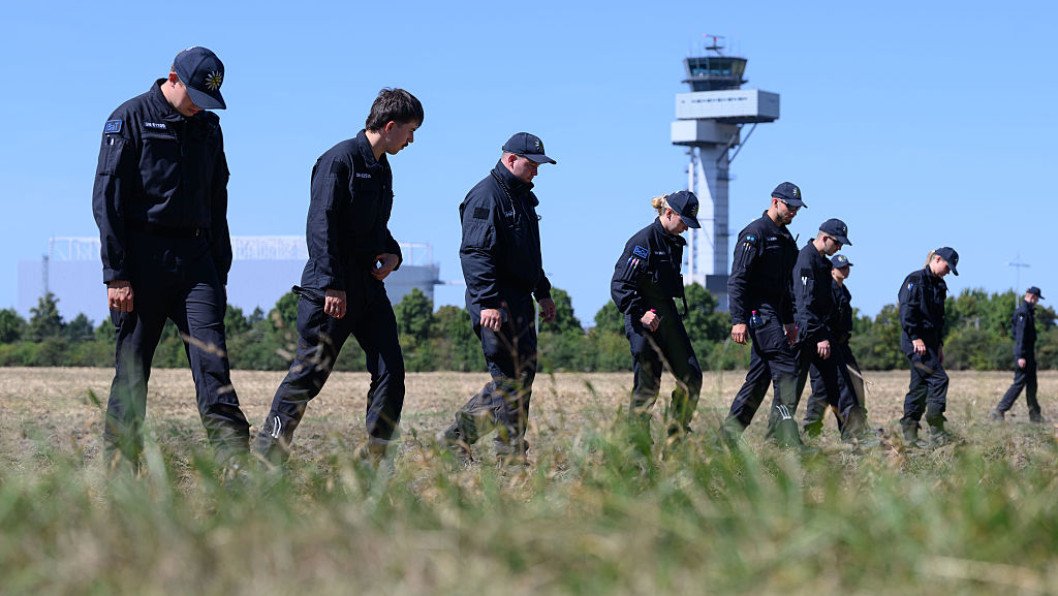
Germany also plans to expand the use of artificial intelligence, facial recognition, biometric identification, and video surveillance to detect suspected spies, saboteurs, weapons, and potentially dangerous behavior, Bild reported. In parallel, authorities developing a national “Cyberdome,” a network of digital sensors designed to detect and block cyberattacks.
The measures follow a series of suspected sabotage and drone incidents. Since the beginning of 2026, German authorities have recorded 165 suspected sabotage cases and 747 incidents involving suspicious drones near military sites and critical infrastructure.
Germany formally blamed Russia for the Leipzig/Halle Airport incident, where an explosive-laden drone was found near a Ukrainian An-124 transport aircraft, and later announced the closure of Russia’s consulate general in Bonn and the Russian House in Berlin.
Discuss this article:
-9a7b3a98ed5c506e0b77a6663f5727c5.png)



-72b63a4e0c8c475ad81fe3eed3f63729.jpeg "Photo of Cyril Barabaltchouk")