- Category
- Latest news
Trump Warns of Unprecedented Strikes if Iran Blocks Oil Flow
 Prefer U24 Media on Google
- Authors

-c439b7bd9030ecf9d5a4287dc361ba31.jpg "Photo of Katherina Popilnichenko")
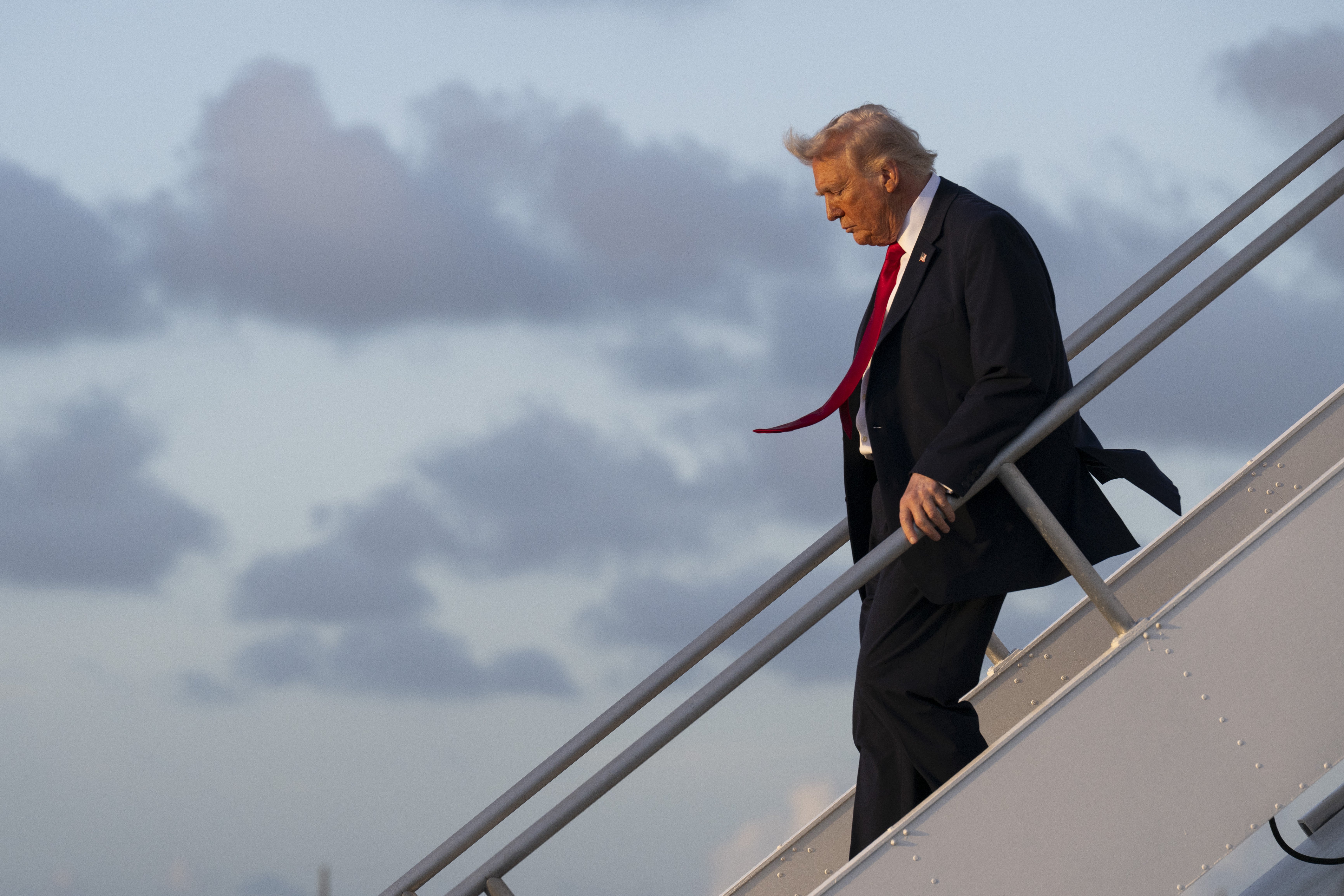
US President Donald Trump has issued a warning to Iran, stating that the United States will conduct military strikes “20 times stronger” than previous ones if Tehran attempts to block the movement of oil through the Strait of Hormuz.
In his post on Truth Social on March 10, the President emphasized that any Iranian actions resulting in a halt of the oil flow would lead to a massive response from the American military.
We bring you stories from the ground. Your support keeps our team in the field.
According to the American president, the US is prepared to attack locations he described as “easily destroyable targets.” Trump stated that such military operations could make it nearly impossible for Iran to recover as a sovereign state.
“Death, fire and fury will reign over them, but I hope and pray that this does not happen,” Trump wrote.
The President also noted that maintaining open passage through the Strait of Hormuz is essential for global trade. He specifically mentioned that this route is important for China and other nations that rely on the waterway for oil transportation.
The Strait of Hormuz is one of the most important energy corridors in the world.
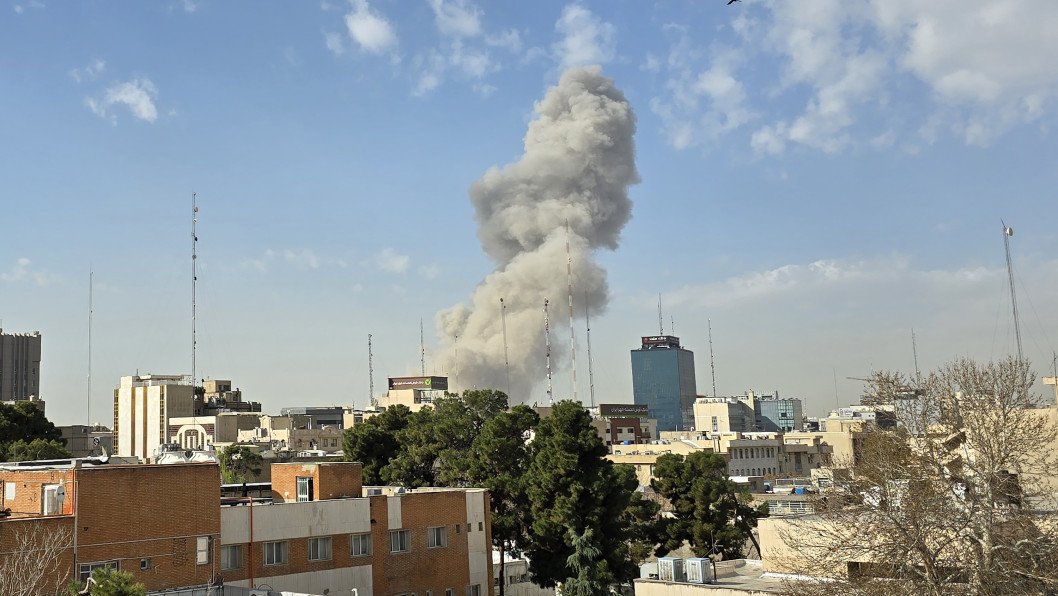
A large portion of global oil supplies passes through this narrow waterway, and any threat to its operation can have a significant impact on international energy markets.
French President Emmanuel Macron has announced that France and its allies are working to establish a “purely defensive” mission to reopen the Strait of Hormuz.
The mission will focus on escorting vessels to ensure the stable flow of oil and gas through the region. This deployment follows Macron’s order for the aircraft carrier Charles de Gaulle to relocate from the Baltic Sea to the Mediterranean to lead the international coalition.
The French president noted that the current situation has effectively closed the strait, which handles about 20% of the world’s oil and liquefied natural gas.
This has placed the Suez Canal and Red Sea under significant pressure, threatening international trade and deeply affecting global energy prices.
The Charles de Gaulle, along with its air wing and escort frigates, will provide the coalition with additional aviation capabilities to secure these vital maritime routes.
Earlier, the United States Treasury Department granted Indian refineries a 30-day exception from sanctions regarding the purchase of Russian oil to maintain global market stability.
US Secretary of the Treasury Scott Bessent stated that this temporary measure was intended to ease the pressure on energy supplies caused by Iran’s attempts to disrupt trade in the Strait of Hormuz.
While the waiver allowed for the processing of oil already at sea, officials emphasized that the move would not provide significant financial benefits to the Russian government and expected India to increase its future purchases of American energy.
Discuss this article:
-4a56a6b482ec132402c16ef6fcabf9a2.png)


-72b63a4e0c8c475ad81fe3eed3f63729.jpeg "Photo of Cyril Barabaltchouk")



-111f0e5095e02c02446ffed57bfb0ab1.jpeg "Photo of Roman Kohanets")