- Category
- World
Russia Faces Looming Potato Deficit as Harvest Drops by 1 Million Tons
 Prefer U24 Media on Google
- Authors

-c439b7bd9030ecf9d5a4287dc361ba31.jpg "Photo of Katherina Popilnichenko")
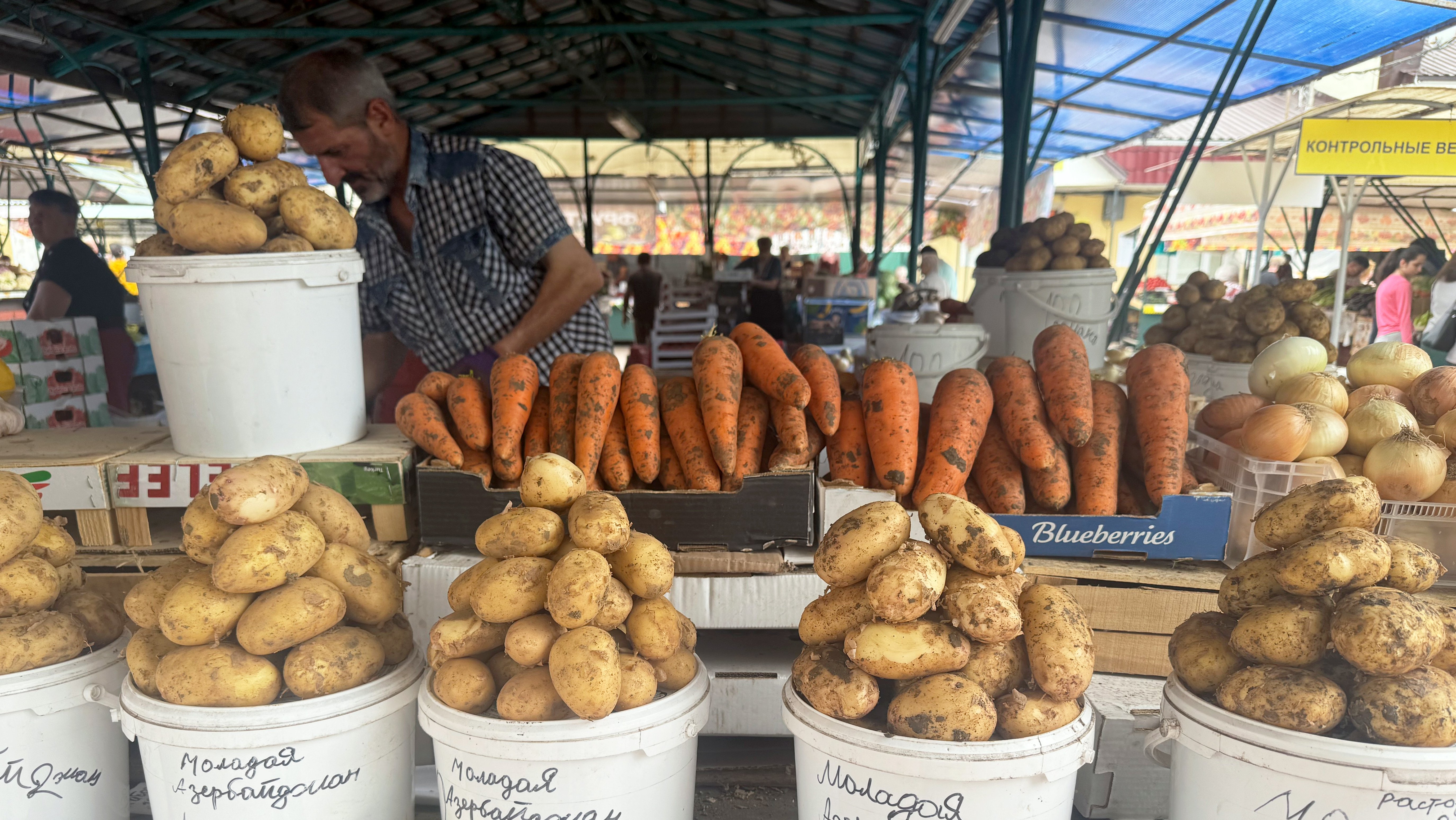
Russia is confronting the prospect of a renewed agricultural shortage as projections indicate the domestic potato harvest will fall from 8.5 million tons last year to 7.5 million tons this year, creating a gap of 0.5 to 1 million tons against an annual domestic demand of 8 to 8.5 million tons, as reported by The Moscow Times on September 15.
Industrial potato planting areas have shrunk to an 18-year low of 277,800 hectares, accompanied by a drop in yield per acre.
We bring you stories from the ground. Your support keeps our team in the field.
Wholesale market trends now echo the 2024–2025 agricultural season, during which harvest volumes dropped to 7.3 million tons, domestic retail prices increased by up to 173%, and foreign imports—including supplies from China and Mongolia—were required to cover domestic shortfalls.
By late August, retail potato prices rose 35% year-over-year to 59.1 rubles ($0.65) per kilogram, while wholesale prices recorded a matching 33% increase.
Russian agricultural supply chains traditionally increase foreign potato purchases around February as domestic reserves run low, but analysts predict foreign imports will need to begin a month earlier this year.
Other key staple vegetables are experiencing similar price surges far above official headline inflation of 6%. Cabbage prices are up 35.2% year-over-year, onions have increased by 27.2%, beets are up 20.4%, and carrots have risen 17.7%, according to The Moscow Times.

Retail trade representatives attribute the rising produce prices to systemic cost pressures across the agricultural sector. Farmers are facing higher expenses for fuel, lubricants, seeds, fertilizers, and storage facilities.
Transportation costs have also increased significantly, particularly for long-distance deliveries from southern agricultural regions to major metropolitan centers. Fuel price increases, which have exceeded 20% since the start of the year, are contributing directly to rising transport and operational expenses across the sector.
In the first quarter of 2026, the share of profitable Russian agricultural enterprises dropped to 68.6% from 77.9% a year earlier, while loss-making farms expanded to 31.4%. During that same period, profits across crop and livestock farming fell by 22.5%, and overall losses surged 1.6 times, pushing average profitability for agricultural producers in the Rostov region into negative territory.
Discuss this article:
-4a56a6b482ec132402c16ef6fcabf9a2.png)




-111f0e5095e02c02446ffed57bfb0ab1.jpeg "Photo of Roman Kohanets")

-72b63a4e0c8c475ad81fe3eed3f63729.jpeg "Photo of Cyril Barabaltchouk")