- Category
- World
Russia’s Farm Sector Slides Into Eight-Year Low Despite Kremlin Harvest Optimism
 Prefer U24 Media on Google
- Authors

-111f0e5095e02c02446ffed57bfb0ab1.jpeg "Photo of Roman Kohanets")
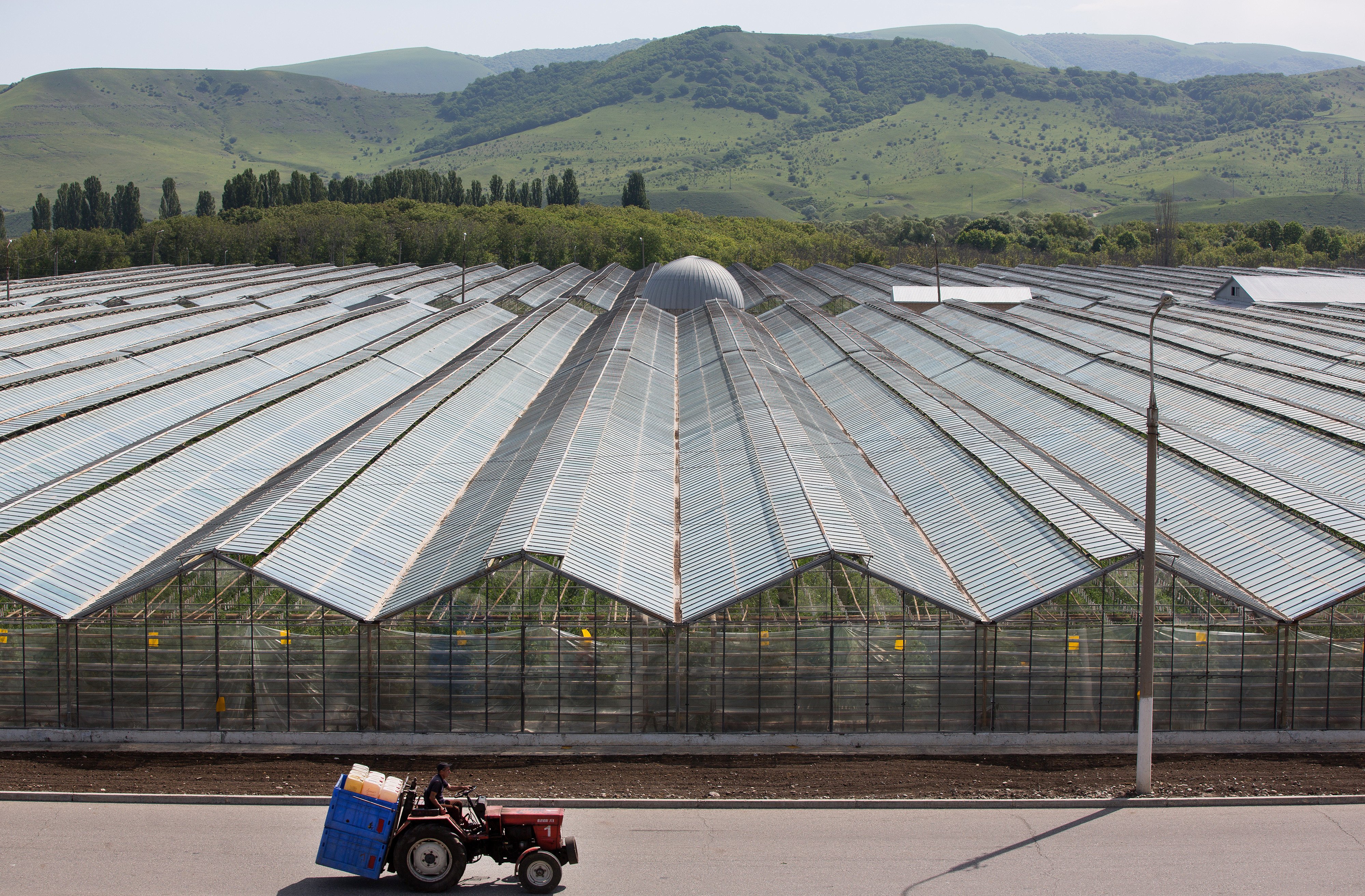
Russia's agricultural sector is entering the 2026 season with its worst performance in eight years, despite the Kremlin's annual claims of record harvests.
This was reported by Ukraine's Foreign Intelligence Service (SZRU) on its official website on June 11.
We bring you stories from the ground. Your support keeps our team in the field.
By the end of May, Russia had sown only 42.3 million hectares of the planned 83 million, according to figures from the country's agriculture ministry cited by the SZRU. The agency described this as the slowest sowing pace since 2018.
Spring wheat covers 7 to 7.1 million hectares instead of the planned 10.5 million—12% less than a year earlier. The intelligence service attributed the lag to slow fieldwork in the Volga region, Siberia, and parts of southern Russia.
Despite the delays, the Russian government continues to project a grain harvest of 146 to 150 million tons this year, up from 141 million tons in 2025. The SZRU noted that these figures look overly optimistic even for a normal season, and the current season is far from normal.

Diesel fuel has become a separate problem, the agency reported. Over the past two months, prices in several regions jumped 35%, reaching roughly $1.20 per liter.
The situation is most acute in the Belgorod, Bryansk, and Samara regions. Deliveries are running an average of four days late due to seasonal demand and unplanned repairs at oil refineries, the SZRU explained.
Diesel is the working fuel of large-scale farming. It powers tractors, combines, seeders, and the trucks that move grain from the field to the elevator, making it one of the largest single input costs in crop production.
Sowing and harvesting are also bound to narrow weather windows, so farmers cannot wait out a price spike or a delayed delivery. As the SZRU emphasized, they can neither pause fieldwork nor absorb prices that eat into already fragile margins.
Those margins are shrinking fast. In the first quarter of 2026, the share of profitable agricultural enterprises fell to 68.6% from 77.9% a year earlier, while the share of loss-making farms grew to 31.4%, according to the intelligence service.
-5fd29ada6cceba1537fd414500eb4165.jpg)
Profits in crop and livestock farming dropped 22.5%, and losses increased 1.6 times. In the Rostov region, the average profitability of agricultural producers turned negative.
The SZRU pointed to clear causes. Global wheat prices have risen, but a stronger ruble wipes out the currency gains for Russian farmers, while fuel, fertilizers, and machinery keep getting more expensive.
Under these conditions, small and mid-sized farms are either cutting sown areas or leaving the market altogether. The plans for a record harvest remain in place, the agency concluded, but the means to deliver them continue to diminish.
The diesel crunch squeezing Russian farms reflects a wider fuel crisis unfolding across the country. By early June, restrictions on fuel sales had spread to at least 20 regions of Russia and temporarily occupied parts of Ukraine, driven by Ukrainian drone strikes on oil refineries.
Purchase caps appeared at gas stations in Moscow and St. Petersburg, while occupation authorities in Sevastopol introduced diesel coupons alongside a temporary halt in gasoline sales.
Discuss this article:




-a0d157e1f6f04033b54a1b71f05dabe3.jpg "Russia’s Military Is Expanding Across Africa. Suspiciously, So Is Its Church")



-72b63a4e0c8c475ad81fe3eed3f63729.jpeg "Photo of Cyril Barabaltchouk")