- Category
- Business
How War, Sanctions, and Ukrainian Drone Strikes Are Fueling Growing Economic Gloom Inside Russia
 Prefer U24 Media on Google
- Authors

-72b63a4e0c8c475ad81fe3eed3f63729.jpeg "Photo of Cyril Barabaltchouk")
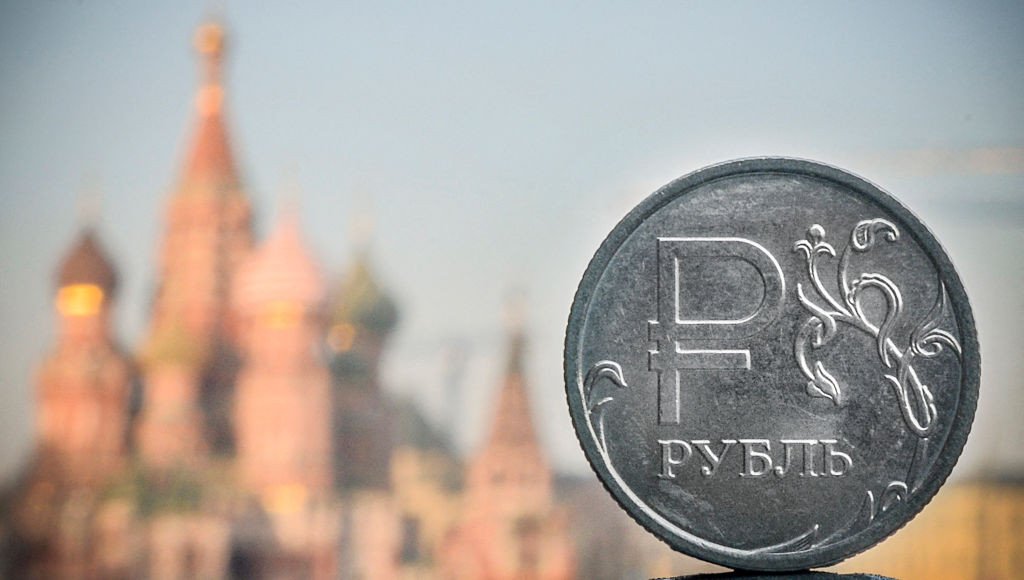
Russian leader Vladimir Putin will host his fifth wartime economic conference in St. Petersburg as the government struggles to formulate a growth strategy amidst continuing Ukrainian drone attacks and a pessimistic business outlook, Reuters reported on June 1.
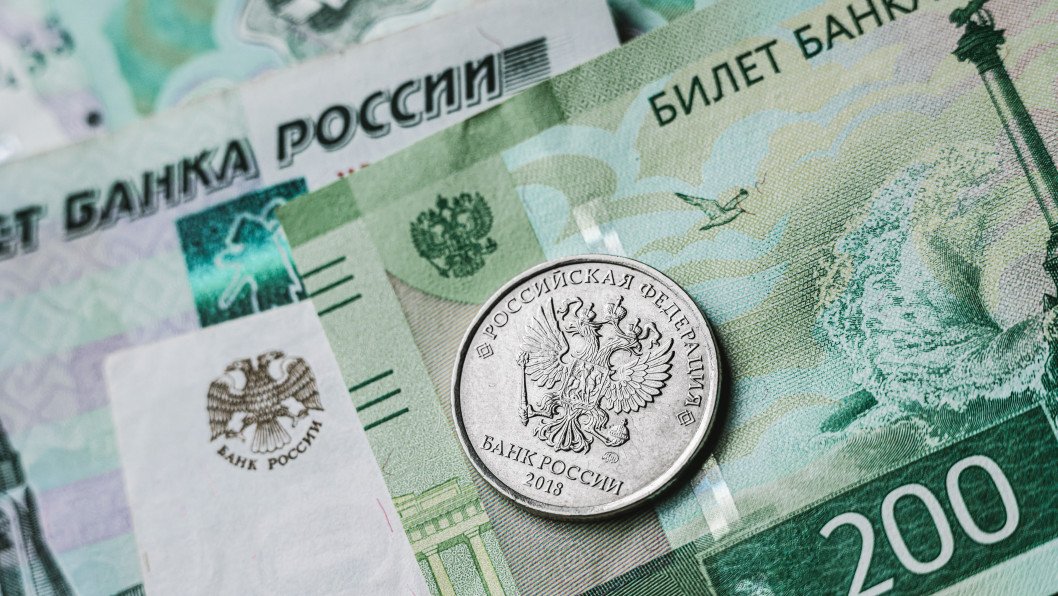
Russia’s $3 trillion, commodity-dependent economy has faced significant headwinds. According to Reuters, economic growth slowed sharply to about 1% last year, down from 4.9% in 2024, and the economy shrank by 0.2% in the first quarter of 2026. Officials have attributed the contraction to high interest rates, Western sanctions, and a strong rouble. The official growth forecast for this year currently sits at a modest 0.4%.
We bring you stories from the ground. Your support keeps our team in the field.
Ukrainian drone strikes targeting refineries, fertilizer plants, and ports deep inside Russia have knocked out an estimated one-quarter of the nation’s refining capacity, creating risks of fuel shortages ahead of the driving season. While Putin has instructed officials to find ways to resume growth, the Russian business community increasingly views ending the war as the only viable solution, according to Reuters.
“Rallies and enthusiasm in the Russian stock market following every piece of positive news from US-mediated peace talks for Ukraine indicate what their real answer should be,” a senior corporate executive told Reuters on the condition of anonymity.
Peace talks are currently on hold, with the United States focused on the conflict in the Middle East. The stall has also put on hold billions of dollars in potential US investments and discussions over sanctions relief that Russian businesses had hoped would follow a successful peace agreement, Reuters reported.
While some members of the Russian elite previously warned Putin about the economic consequences of the war, a senior Russian banker told Reuters that Putin had already missed a prime opportunity to strike a deal last year, leaving the economy increasingly unstable.
-051a89e5a5304a3f0a58cfb1746eda24.png)
Reuters noted that growth will be the central theme at the St. Petersburg International Economic Forum, running from June 3 to 6. Delegates plan to discuss strategies such as redistributing labor to faster-growing sectors and promoting AI-powered platforms in e-commerce and banking. However, experts remain skeptical about the government’s ability to stimulate recovery.
Oleg Vyugin, a former deputy chairman of the central bank, pointed out that double-digit interest rates, war-funding tax increases, and declining investments make growth difficult to achieve. “The government essentially has nothing to offer for the recovery of growth,” Vyugin told Reuters.
The factors that fueled Russia’s economy during most of Putin’s rule—foreign investment, energy revenues, government spending, and recent war-related demand—have either vanished or reached their limits. “The question is, what will drive growth if consumers are unlikely to increase their spending, investments have been declining for the past two years, and fiscal policy is at best non-stimulative?” Anton Tabakh, chief economist at Expert RA ratings agency, told Reuters.
While a recent surge in oil prices—driven by the war in the Middle East and disruptions in the Strait of Hormuz—has provided temporary relief, the respite is expected to be short-lived. The Russian economy has shown surprising resilience to sanctions, largely bolstered by military production, but cracks are beginning to show.
In a rare public criticism from within the establishment, Renat Suleimenov, a Duma parliament member from the Communist Party, warned that the economy cannot sustain a prolonged war.
“What development, investments, and capital expenditures can we talk about? Neither tanks nor shells have consumer value: the economy produces them, but they cannot be consumed by the population,” Suleimenov said, Reuters reported.
Strained by the war, isolated from foreign investment, and lacking deep domestic markets, Russia’s 140 million-strong population cannot generate the internal drivers needed for growth. According to Mikhail Matovnikov, head of Sberbank’s financial analysis center, cited by Reuters, “The economy needs an external push. There won’t be one from either the state budget or the banking system.”
This stagnation aligns with a previous report, which warned that severe labor shortages and intense military spending have pushed Russia to its absolute productive limits.
It notes that the Kremlin is rapidly exhausting its current human and financial resources, leaving Putin with a fundamental choice: either scale back his military ambitions in Ukraine or implement deeply unpopular domestic measures, such as forced conscription and a Soviet-style command economy, to sustain the invasion.
Discuss this article:

-5f84711170d2769c4cda67ca2bebf5d2.jpg "Carpathian 8 Summit: Ukraine Leads Push for Security & Regional Growth")

-111f0e5095e02c02446ffed57bfb0ab1.jpeg "Photo of Roman Kohanets")
-4258f90da45ed571f27851d158610665.jpeg "Photo of Valeriya Ionan")
-92cc3cc3704a042ef4f32eb51a51081d.png "Activitis Builds Fintech Infrastructure for Ukrainian Business During Wartime")
-29a1a43aba23f9bb779a1ac8b98d2121.jpeg "Photo of Illia Kabachynskyi")