- Category
- Business
Russian Companies Slash Investment Plans Amid Mounting Economic Pressures
 Prefer U24 Media on Google
- Authors

-c439b7bd9030ecf9d5a4287dc361ba31.jpg "Photo of Katherina Popilnichenko")
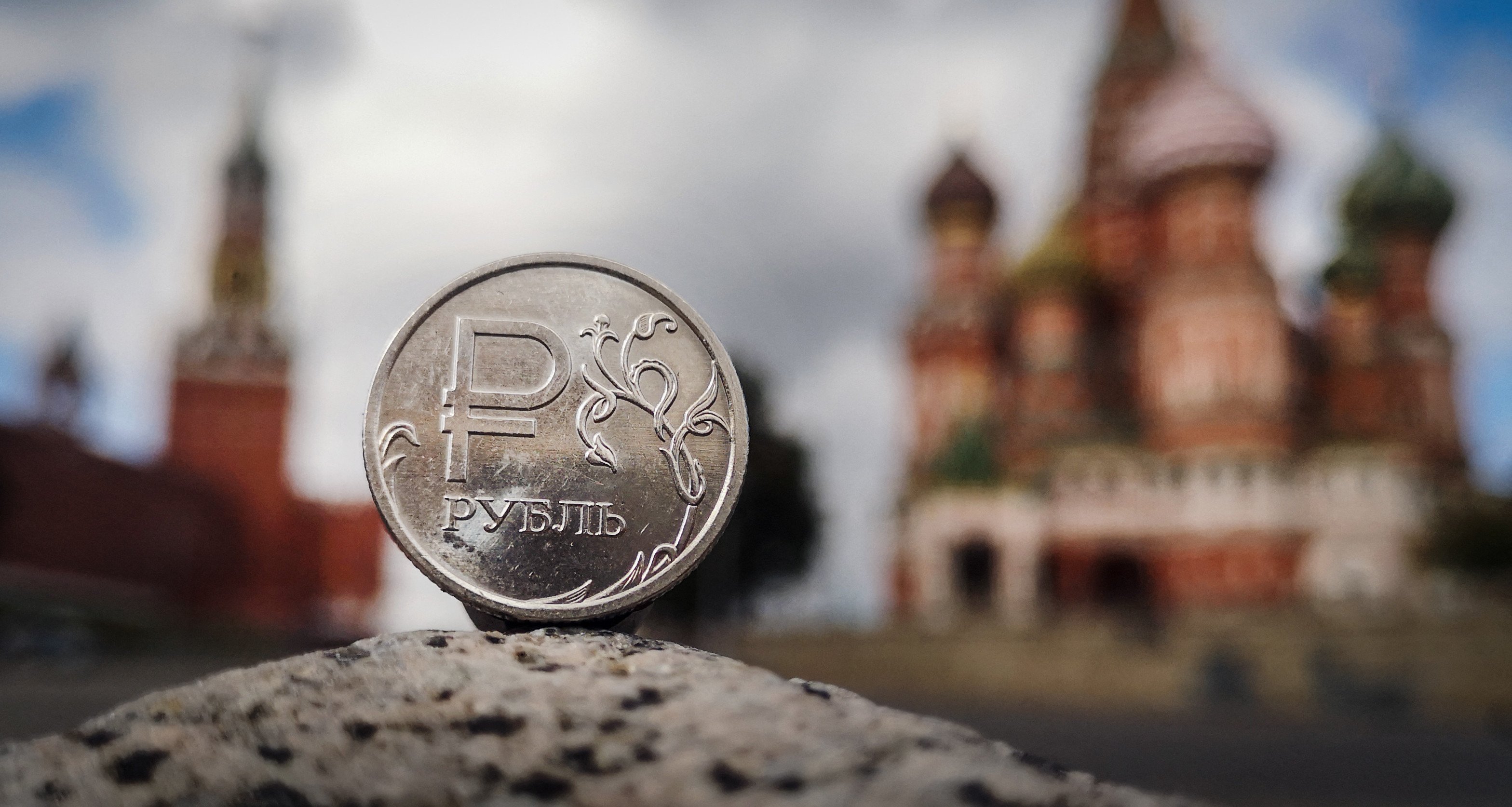
The Russian business landscape is facing a significant pullback in investment activity as high interest rates and falling demand take a toll.
Industrial investment interest has reached its lowest point in 16 years. Sergey Tsukhlo, a senior researcher at the Institute of Economic Forecasting of the Russian Academy of Sciences, noted that only 38% of enterprises rated their investment volumes as "normal" in April. This is a sharp decline compared to 79% in 2024, according to The Moscow Time on May 6.
We bring you stories from the ground. Your support keeps our team in the field.
Economic forecasts continue to grow more pessimistic. The Center for Macroeconomic Analysis and Short-Term Forecasting (CMASF) has repeatedly lowered its outlook, now predicting a drop in investment of up to 2.4%.
While oil prices remain high, experts suggest this will not fix the problem. High interest rates are encouraging companies to put their money into financial instruments rather than physical assets like machinery or infrastructure.
Russia’s Central Bank Governor Elvira Nabiullina has downplayed the concerns, noting that while investments dipped slightly last year, they had grown by 25% in real terms since 2021. However, other analysts question the quality of these investments.
Dmitry Belousov, deputy director of CMASF, pointed out that much of the recent growth was driven by housing, road construction, and intangible assets rather than new industrial technology.
Much of the current spending is forced rather than strategic. Russian companies have had to spend heavily on rerouting trade to the East, replacing Western software with domestic versions, and swapping European equipment for Chinese alternatives, according to The Moscow Times.
-57dcdb07da0a3947edff7c5420ed961b.jpg)
These expenses are necessary to keep businesses running but do not necessarily expand the economy's long-term potential. Natalia Orlova, chief economist at Alfa-Bank, suggested that a significant portion of these investments might eventually need to be written off.
Data from the first quarter of 2026 suggests the trend is continuing. The Russian Union of Industrialists and Entrepreneurs found that fewer than 15% of companies plan to increase or even maintain their current investment levels. With corporate profits falling and interest rates remaining high, many businesses find it more profitable to hold cash in bank accounts rather than reinvesting it into production.
The shift is also affecting trade. Imports of machinery and transport equipment fell by 7.7%, partly because companies are struggling to maintain and service foreign-made technology. Igor Yurgens, chairman of the board at Expert RA, stated that the current macroeconomic climate does not support long-term planning, leading major players to take an "investment pause" because it is difficult to determine where and how much to invest.
According to a March 2026 report by The Moscow Times, Russian business sentiment reached a record low, with 83.3% of companies expecting the economic situation to worsen over the following year. A survey by the Center for Strategic Research revealed that nearly 42% of firms entirely cancelled their investment plans due to the Central Bank's high interest rates, while an equal number postponed their projects indefinitely.
Business leaders noted that development became economically meaningless as the Kremlin prioritized military spending over the civilian economy, leading to a sharp rift that left 75% of surveyed companies with zero profit and pushed various manufacturing sectors into decline.
Discuss this article:

-5f84711170d2769c4cda67ca2bebf5d2.jpg "Carpathian 8 Summit: Ukraine Leads Push for Security & Regional Growth")


-111f0e5095e02c02446ffed57bfb0ab1.jpeg "Photo of Roman Kohanets")
-4258f90da45ed571f27851d158610665.jpeg "Photo of Valeriya Ionan")
-92cc3cc3704a042ef4f32eb51a51081d.png "Activitis Builds Fintech Infrastructure for Ukrainian Business During Wartime")
-29a1a43aba23f9bb779a1ac8b98d2121.jpeg "Photo of Illia Kabachynskyi")