- Category
- Latest news
IEA Announces Record Emergency Oil Release to Stabilize Global Markets
 Prefer U24 Media on Google
- Authors

-72b63a4e0c8c475ad81fe3eed3f63729.jpeg "Photo of Cyril Barabaltchouk")

The 32 member countries of the International Energy Agency (IEA) have unanimously agreed to release a record 400 million barrels of oil from emergency reserves to combat market disruptions stemming from the war in the Middle East, IEA reported on March 11.
The decision, finalized during an extraordinary meeting convened by the IEA, is the largest coordinated stock release since the agency was established in 1974.
We bring you stories from the ground. Your support keeps our team in the field.
The intervention comes in direct response to the conflict in the Middle East that escalated in late February 2026, which has severely impeded maritime traffic through the Strait of Hormuz. According to the IEA, export volumes of crude and refined products moving through the critical chokepoint have dropped to less than 10% of pre-conflict levels.
Data from the US Energy Information Administration (EIA) shows that the strait typically handles around 20 million barrels per day, representing roughly 25% of the world’s seaborne oil trade. With bypass options severely limited, operators across the region have been forced to shut in or significantly curtail production.
IEA Executive Director Fatih Birol stated that the unprecedented scale of the market challenges necessitated a response of equal magnitude. Member nations currently maintain public emergency stockpiles of over 1.2 billion barrels, supplemented by an additional 600 million barrels of industry stocks held under government obligation.
This newly authorized release of 400 million barrels far exceeds the 182.7 million barrels deployed in 2022 following Russia’s full-scale invasion of Ukraine, according to reporting by the Associated Press.
Individual member states are already outlining their specific contributions to the coordinated drawdown. The Guardian reported that the United Kingdom has committed to releasing 13.5 million barrels from its reserves, while Japan plans to release approximately 80 million barrels starting next week to mitigate domestic exposure.
Officials in Germany and Austria have also confirmed they are preparing to release millions of tons of crude in the coming days to help stabilize global energy prices.
The unprecedented intervention by the IEA comes at a time when the global oil market is under severe strain from overlapping geopolitical crises.
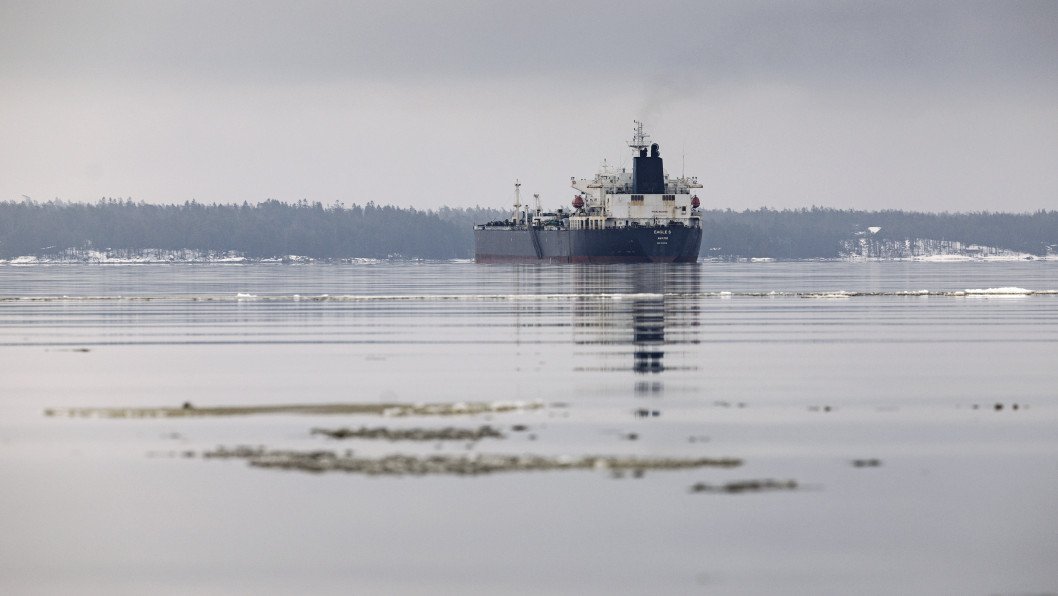
While the immediate focus is on replacing the missing Middle Eastern barrels, the disruption in the Strait of Hormuz is creating chaotic shifts across other major energy supply chains. With standart shipping lanes paralyzed, Russian oil exporters are aggressively altering their maritime routes to capitalize on the sudden supply gap in Asia.
Russian oil tankers had previously abruptly changed course to India as Middle East shipping halts, attempting to secure new revenue streams while bypassing Western sanctions. However, even with this aggressive pivot, Moscow’s energy sector remains highly volatile as global storage constraints and logistical bottlenecks continue to disrupt its export capacity.
Discuss this article: