- Category
- Latest news
India’s Largest Bank Shuns Russian Oil Payments Even as US Grants Temporary Waiver
 Prefer U24 Media on Google
- Authors

-72b63a4e0c8c475ad81fe3eed3f63729.jpeg "Photo of Cyril Barabaltchouk")
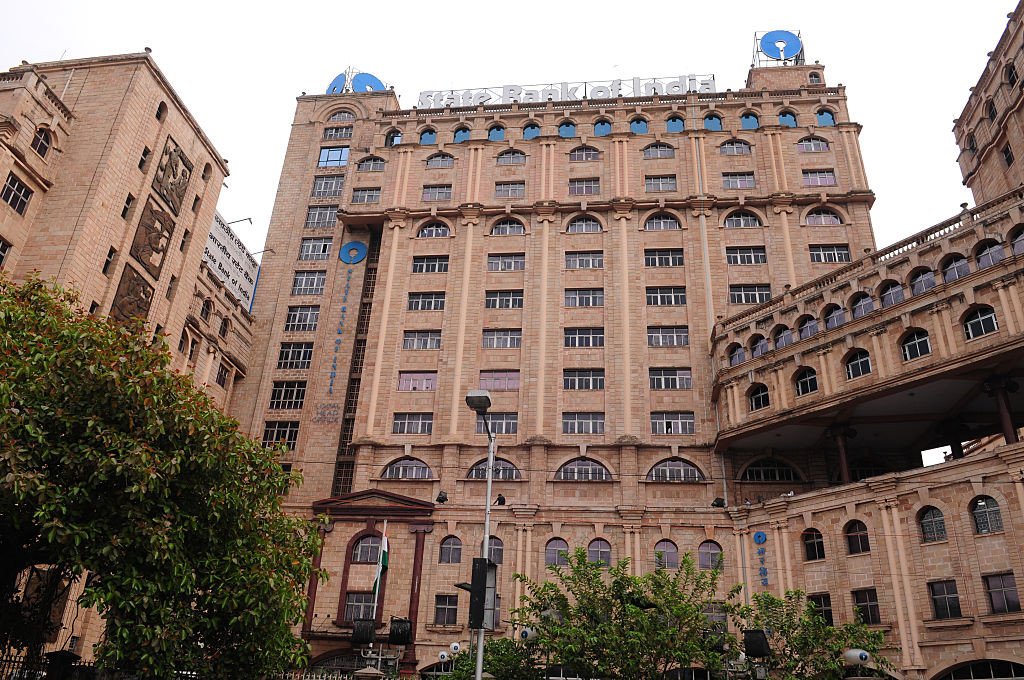
The State Bank of India (SBI) is officially blocking payments for Russian oil, Bloomberg reported on March 10.
As the country’s largest state-owned lender, SBI’s refusal comes despite a temporary US government waiver explicitly designed to facilitate India’s Russian crude imports. The decision underscores institutional concerns regarding potential sanction risks and the unpredictable duration of Washington’s exemption.
We bring you stories from the ground. Your support keeps our team in the field.
Despite the US granting the waiver to allow India to continue purchasing Russian crude oil, SBI remains cautious. The bank is particularly wary of engaging in transactions involving Russian oil due to the potential risks it poses to its extensive loan portfolio in global markets and the potential damage to its reputation.
The lender, which has substantial international exposure, is hesitant to resume such transactions without clarity on how long the waiver will be in place. SBI declined to comment on the matter when approached by Bloomberg.
This stance from the State Bank of India highlights the challenges India faces in navigating the international sanctions and geopolitical tensions. While the US sanctions on Russian oil were relaxed temporarily to accommodate India’s oil needs, SBI’s reluctance signals how little this short-term concession has done to revive financial channels for supporting India’s purchases of Russian crude.
In October, following sanctions targeting Russia’s two largest crude oil producers, SBI had ceased facilitating transactions tied to Russian oil imports.
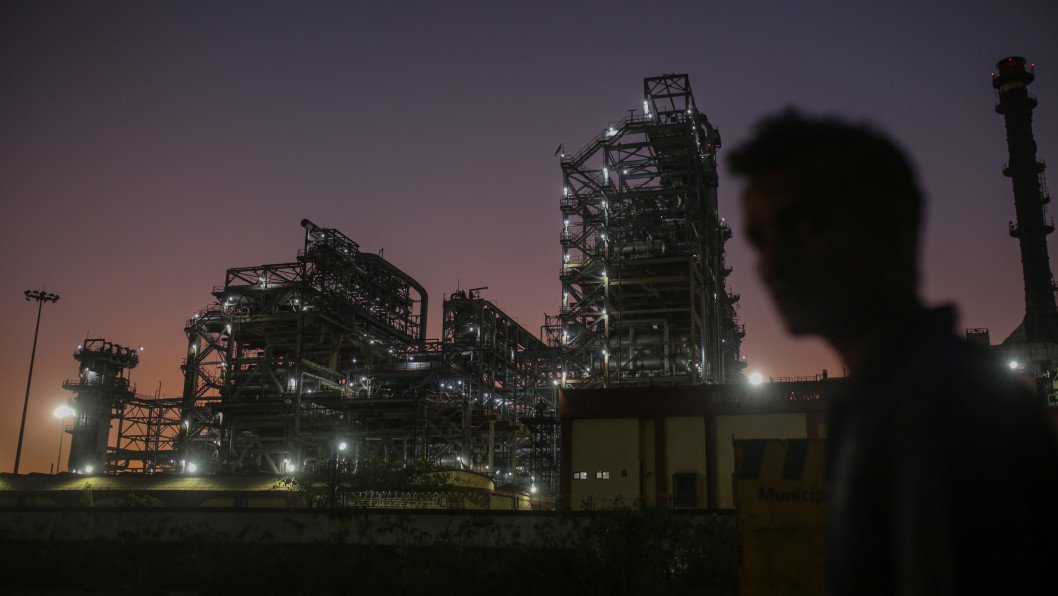
While other banks in India were reportedly considering financing Russian oil imports under certain conditions last year, SBI has taken a more conservative approach. This cautious stance reflects the bank’s larger concerns, particularly with its significant business dealings in the United States, which accounted for 26% of SBI’s international loan portfolio, valued at 6.93 trillion rupees ($75.1 billion) as of December, Bloomberg wrote.
SBI’s hesitation is also influenced by the growing geopolitical tensions that surround Russian oil. While India remains one of the largest buyers of discounted Russian crude, the bank’s reluctance to facilitate these transactions is due to the risks associated with the global political climate.
India tries to balance its oil imports from Russia with maintaining its business interests with Western nations, particularly the US.
SBI’s current payment freeze followed previous blows to the once-booming Russia-India energy trade. Facing intense pressure from Washington, India aggressively cut ties with sanctioned Russian suppliers.
India’s imports of Russian oil had already plunged by 40% previously, hitting a multi-year low. Driven by the threat of secondary US sanctions and a push for a broader American trade pact, Indian financial institutions and refineries officially turned their backs on Moscow in favor of alternative suppliers.
Discuss this article: