- Category
- Latest news
India Reduces Russian Oil Imports by 40% Following US Trade Deal
 Prefer U24 Media on Google
- Authors

-72b63a4e0c8c475ad81fe3eed3f63729.jpeg "Photo of Cyril Barabaltchouk")
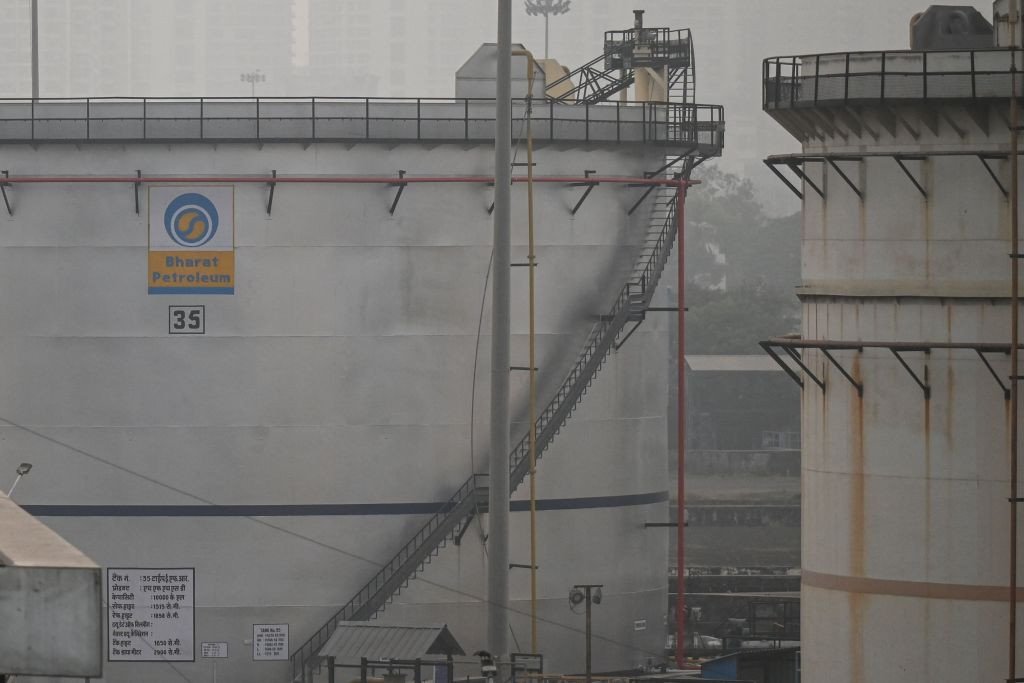
India has sharply reduced its imports of Russian oil, with January shipments dropping by 40% compared to December and more than halving year-on-year, The Moscow Times reported on February 27, citing the data from the international price agency Argus and Russian state media.
This marks the lowest volumes since June 2022, with daily deliveries falling to 859,000 barrels (3.68 million tons). The decline in Russian oil imports is attributed to increased pressure from the United States, alongside India’s efforts to secure a favorable trade agreement with Washington.
We bring you stories from the ground. Your support keeps our team in the field.
US President Donald Trump had previously announced a major trade agreement with Indian Prime Minister Narendra Modi, in which both sides agreed to reduce tariffs and that India stops buying Russian oil and buys more from the United States and, possibly, Venezuela.
By January, the share of Russian oil in India’s total imports had dropped to 21.2%, the lowest since October 2022, when the country first began ramping up its Russian purchases due to the war in Ukraine, The Moscow Times wrote.
India is now compensating for the lost volumes with oil from the Middle East, particularly from Saudi Arabia, which has become its main supplier. In February, Saudi oil shipments to India could reach 1-1.1 million barrels per day, the highest since November 2019. Additionally, India has resumed imports of Venezuelan oil, with at least 6 million barrels scheduled for delivery in April.
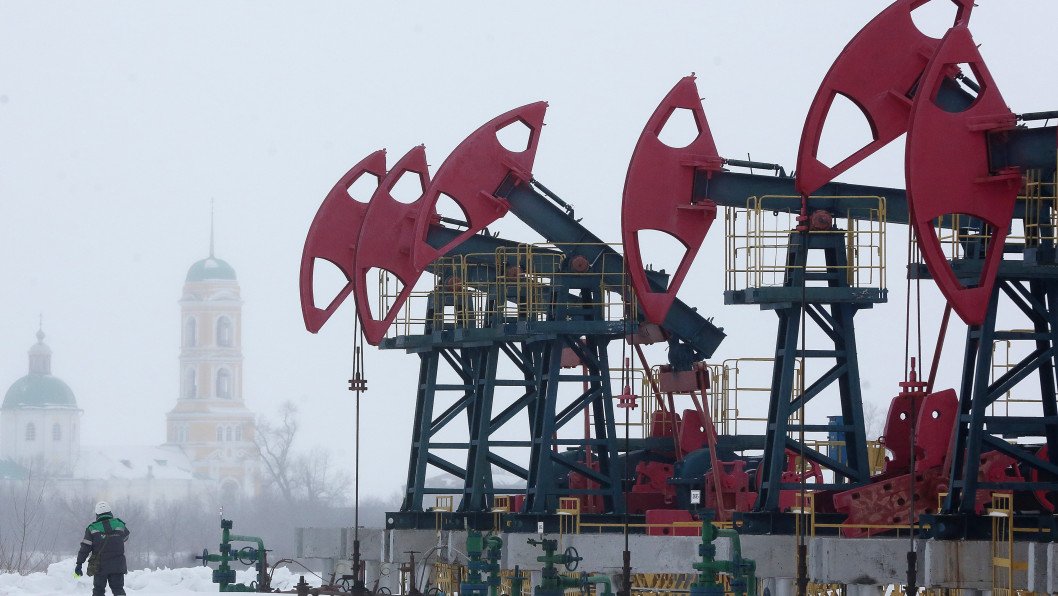
In response to this, US President Donald Trump lifted a 25% tariff on Indian goods in early February, citing India’s commitment to cease direct or indirect imports of Russian oil. Although Indian officials have not formally announced a complete cessation of Russian oil imports, they are expected to reduce them to 500,000-600,000 barrels per day in the spring.
The change comes after India had become the largest buyer of Russian oil following the outbreak of the Russian full-scale invasion of Ukraine in 2022, capitalizing on significant discounts due to Western sanctions.
When Western nations imposed sanctions and a G7 price cap, Russia was forced to offer steep discounts to keep its oil flowing. According to the Council on Foreign Relations, Indian refineries eagerly absorbed these cheap barrels by utilizing alternative shipping networks and non-dollar payment mechanisms to bypass Western financial restrictions.
Earlier, it was reported that Russia’s fossil fuel revenues had plummeted by 27% compared to pre-full-scale invasion levels. Despite continued reliance on 'shadow' tankers, Russia’s fossil fuel revenues fell by 19% year-on-year, totaling €193 billion ($227 billion) in the fourth year of the invasion.
The European Union has notably reduced its dependence on Russian fossil fuels, with EU imports of Russian oil dropping by 36% in 2025 compared to the previous year.
Discuss this article:



-c439b7bd9030ecf9d5a4287dc361ba31.jpg "Photo of Katherina Popilnichenko")