- Category
- Latest news
Russia and Iran Launch Oil Price War Over Shrinking Access to Chinese Market
 Prefer U24 Media on Google
- Authors


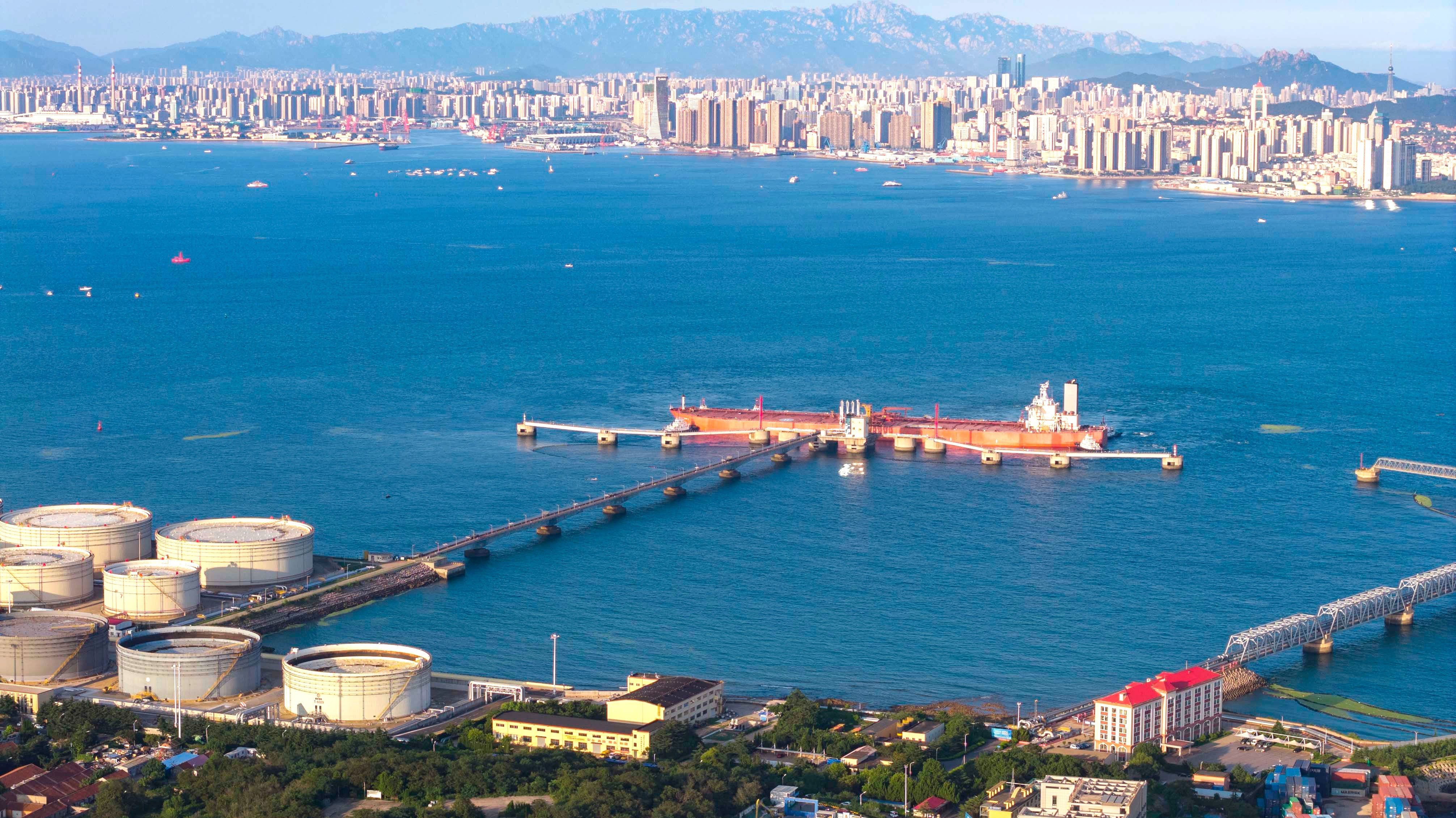
Russia and Iran have entered a direct “price war,” offering increasingly steep discounts on crude oil to attract a limited pool of Chinese buyers.
According to Bloomberg on February 25, the competition intensified after India significantly reduced its intake of Russian barrels, forcing exporters to redirect massive volumes of unsold oil to the East.
We bring you stories from the ground. Your support keeps our team in the field.
Traders familiar with the deals informed Bloomberg that Russia’s flagship Urals grade is currently selling at a discount of approximately $12 per barrel against the Brent benchmark, up from a $10 discount just one month ago. Similarly, Iranian Light is being offered at $11 below the global benchmark, compared to discounts of $8–9 seen in December.
The primary buyers for this sanctioned crude are China’s independent refiners, often referred to as “teapots.” However, their ability to absorb the surplus is limited. These private refineries account for only about a quarter of China’s total processing capacity and operate under strict government-imposed import quotas.

While smaller private firms remain active, China’s largest state-owned refineries are increasingly avoiding Iranian oil and refusing new contracts with Russia to mitigate sanctions risks. Despite these constraints, Russian shipments to Chinese ports rose to 2.09 million barrels per day during the first 18 days of February—a 20% increase from the previous month—driven primarily by the aggressive price cuts.
The inability of the market to fully absorb the diverted volumes has led to a massive accumulation of crude on tankers in open waters. According to data from the analytics firm Kpler, approximately 48 million barrels of Iranian oil are currently idling at sea, primarily in the Yellow Sea and the Singapore Strait.

The Russian surplus is also growing. Bloomberg reports that by early February, the total volume of Russian oil on vessels worldwide reached 143 million barrels, nearly double the amount recorded a year ago. In Asian waters alone, approximately 9.5 million barrels of Russian crude remain unsold.
Earlier, on January 19, Baird Maritime reported that China significantly increased its imports of Russia’s discounted Urals crude after Indian refiners reduced purchases due to sanctions-related risks. Seaborne shipments to China exceeded 1.5 million barrels per day in December, with further increases in January, as deeper discounts redirected Russian oil flows from India to Chinese buyers.
Discuss this article:
-4a56a6b482ec132402c16ef6fcabf9a2.png)