- Category
- World
Russia Is Arming China with Record Helicopter Deliveries, Military Technology, and Training
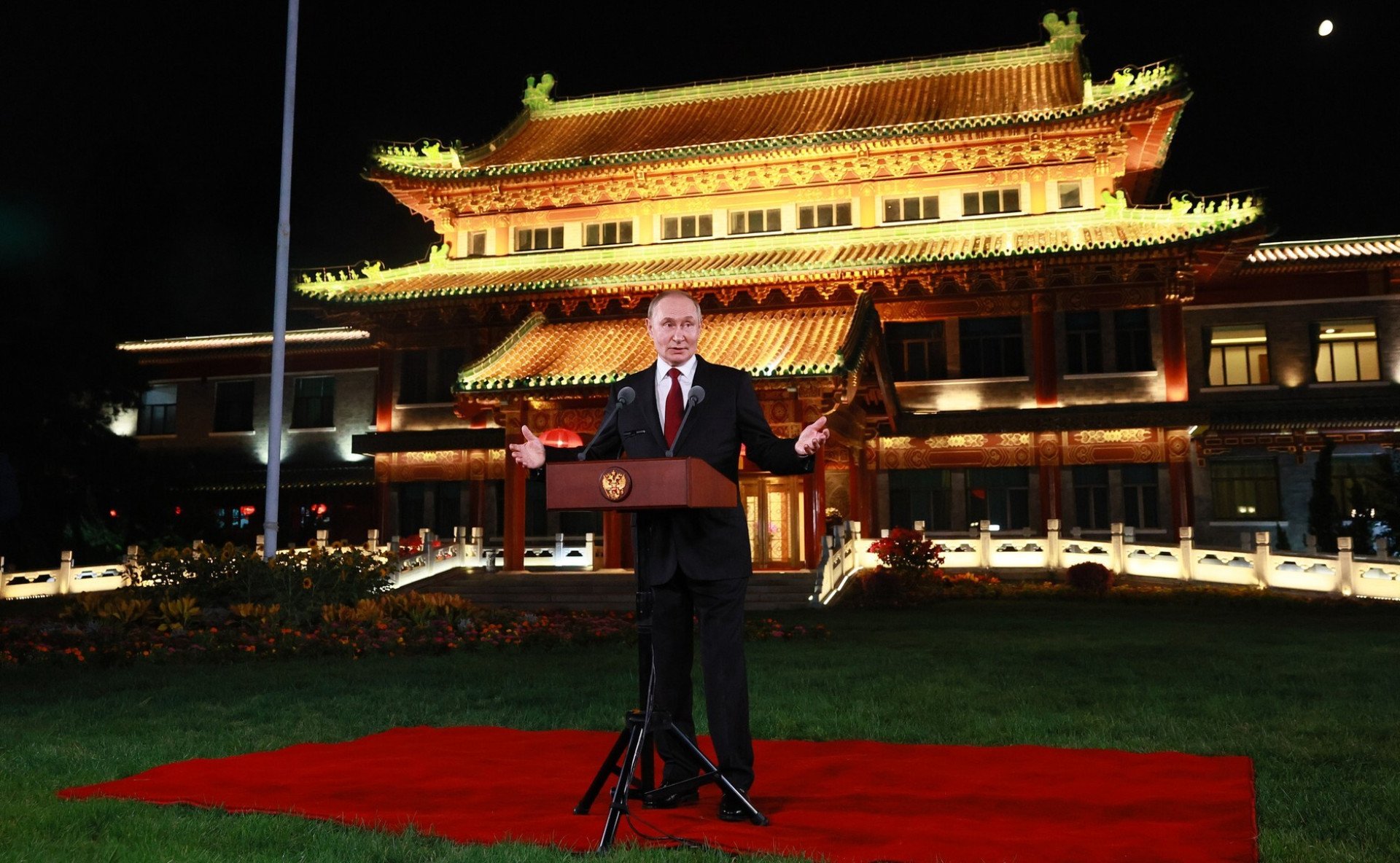
Leaked documents from Russia’s military-industrial sector reveal a sharp escalation in Russia–China military cooperation: Moscow is set to deliver nearly 50 Ka-52 attack helicopters while training Chinese specialists and helping establish weapons production lines.
 Prefer U24 Media on Google
- Authors

-206008aed5f329e86c52788e3e423f23.jpg "Photo of Oleksandr Moiseienko")
Despite sanctions pressure and a difficult financial situation, Russia is attempting to preserve its status as a major arms exporter by providing its strategic partners not only with finished military hardware but also with critically important production technologies.
Internal documents from the Perm Powder Plant indicate that Russia’s full-scale invasion of Ukraine intensified China’s interest in Russian technologies. The Russia–China military-technical cooperation between the two countries existed long before 2022.
China’s arms deal with Russia
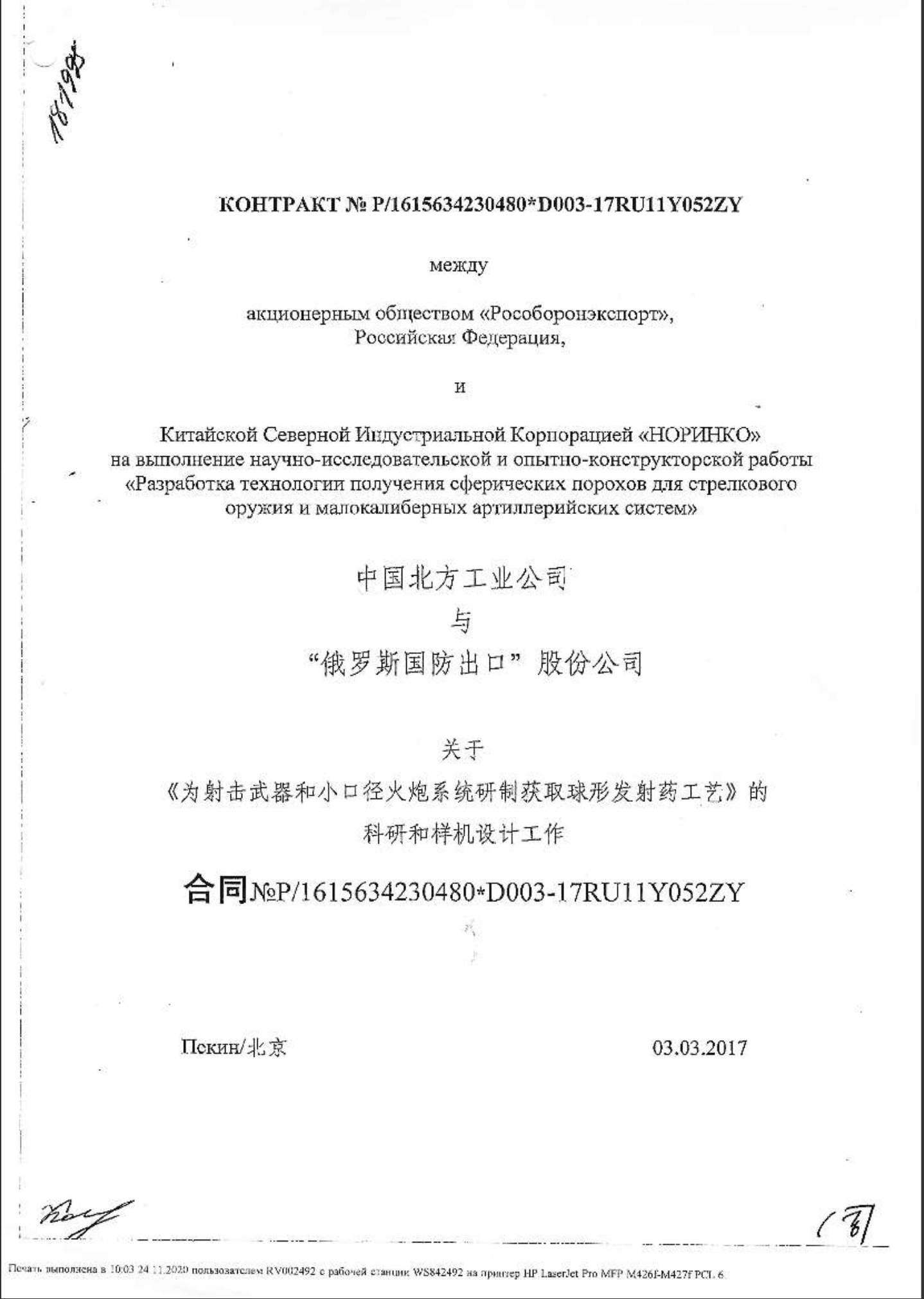
As early as 2017, a contract was signed between Russian defense entities and the Chinese corporation NORINCO for the transfer of military technologies to produce spherical propellants, which are critical for the defense industry.
For several years, the project effectively remained inactive due to the customer’s failure to make timely payments. In an official letter from Kazan’s State Research Institute of Chemical Products (GOSNIIKHP) to the Perm Powder Plant dated August 2024, a “three-year delay” in implementing the contract is explicitly mentioned, attributed to the “absence of payment by the customer.”
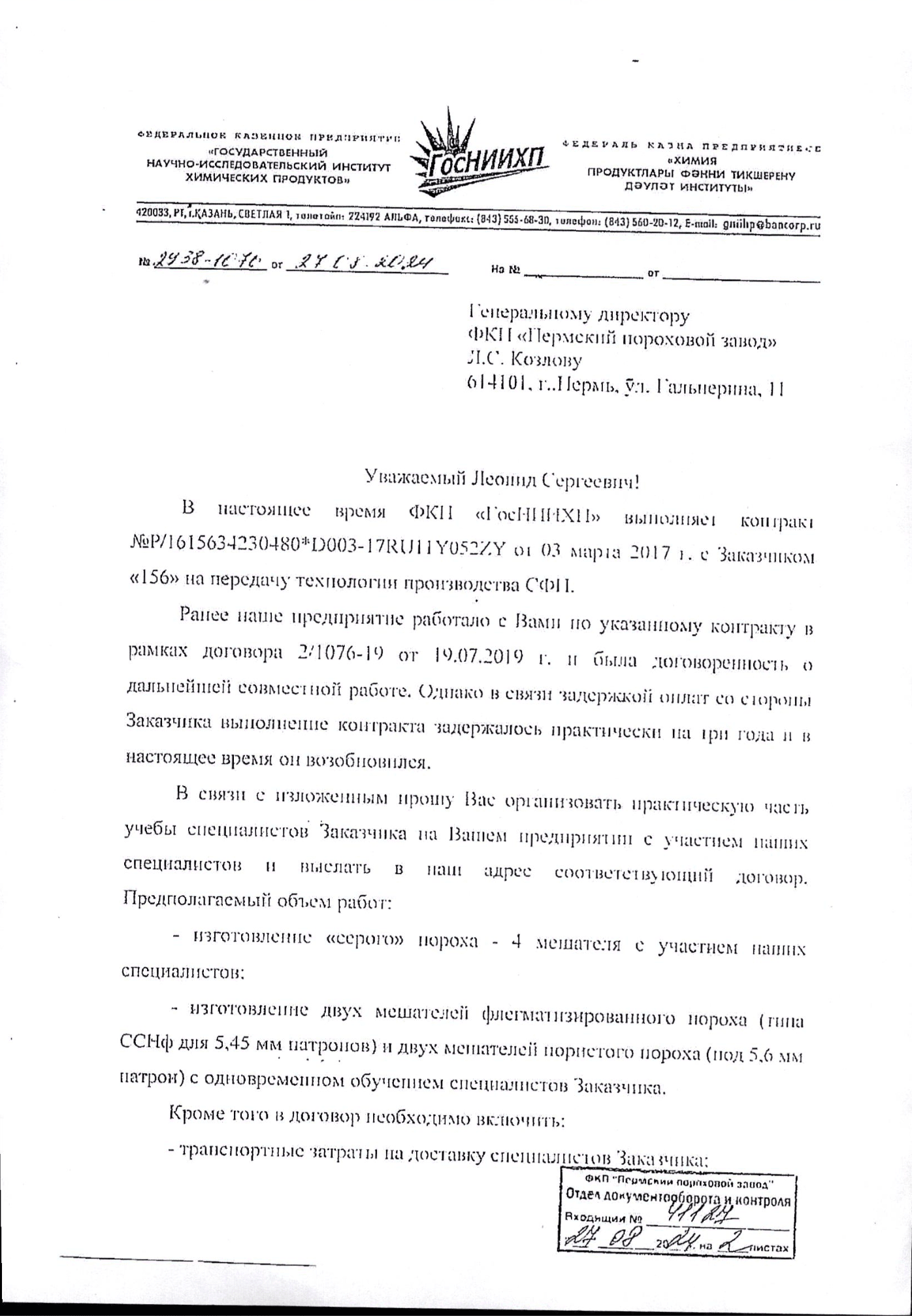
However, signs of the project’s revival appeared in the summer of 2024. After financial issues were resolved, the parties moved to the practical implementation of the agreements. By 2025, cooperation had reached an operational level.
Internal Perm Powder Plant documents suggest that the plant organized a systematic training program for Chinese specialists in 2024–2025, granting them full access to production facilities. The training included both theoretical instruction and hands-on practice directly at the restricted facility.
Training Chinese specialists
Training schedules show that in June 2025, Chinese specialists, together with experts from GOSNIIKHP, completed the full production cycle—from raw material preparation and component dosing to propellant formation in reactors, phlegmatization, drying, sorting, and quality control of finished products.
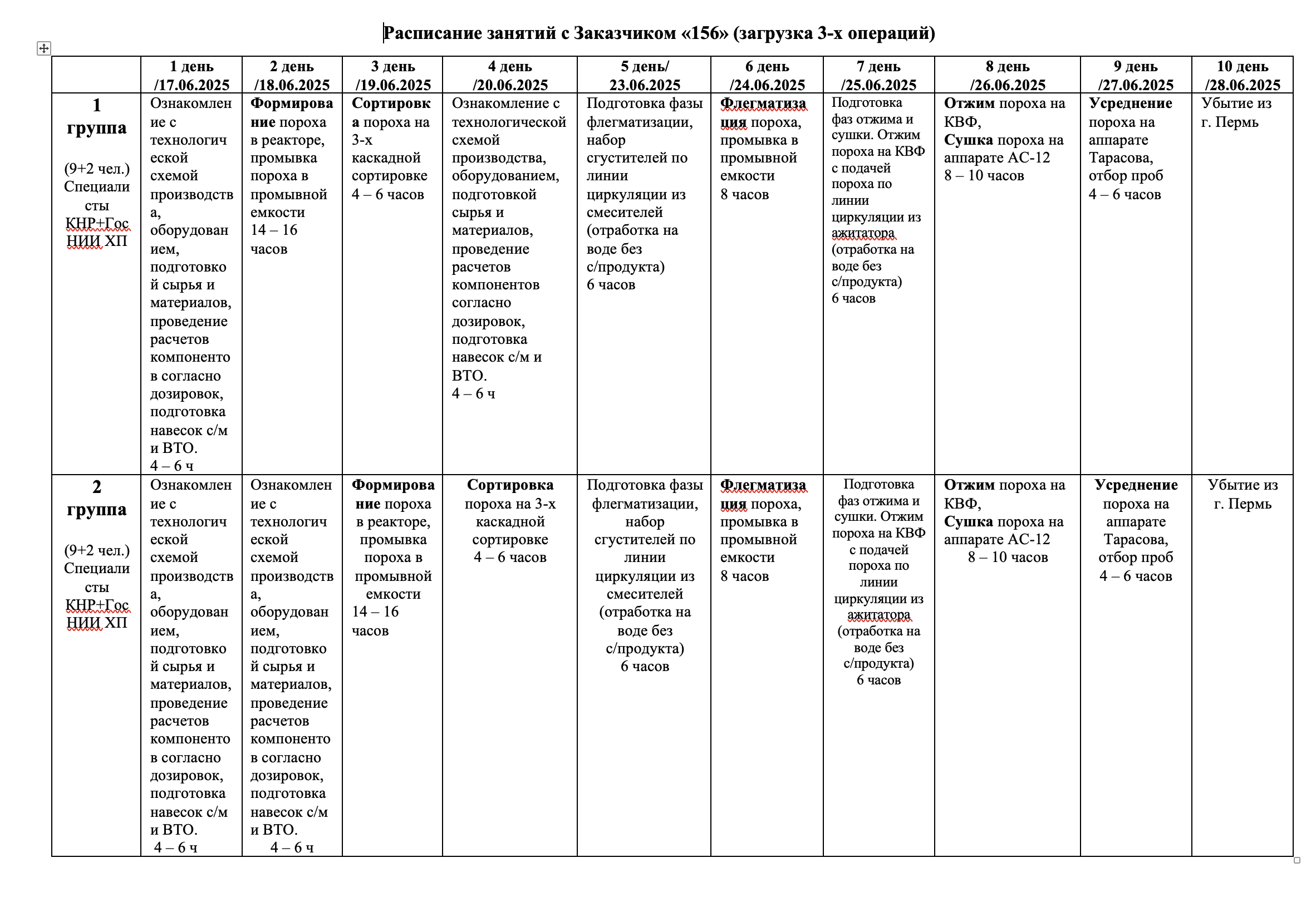
Foreign specialists’ access to production lines was provided under special permits and coordinated with Russian security services. Relevant orders and internal correspondence confirm that Russia’s Federal Security Service (FSB) approved the presence of Chinese specialists at the plant.
Perm Powder Plant training programs explicitly define the nature of the technologies transferred to partners. These include the production of spherical propellants for 5.45 mm, 5.6 mm, and 12.7 mm caliber ammunition, as well as for 82 mm mortar systems. Separate sections of the programs are devoted to production automation, quality control, and ballistic characteristics.
Full technology transfer
In addition to personnel training, the project envisaged installing and adapting production lines to meet the customer’s needs. This was not about supplying individual pieces of equipment, but about a comprehensive transfer of technological solutions, production regimes, and quality-control methodologies.
The Perm Powder Plant's 2025 report directly mentions the Chinese corporation NORINCO as a key partner in the project, confirming the systematic and long-term nature of the cooperation.
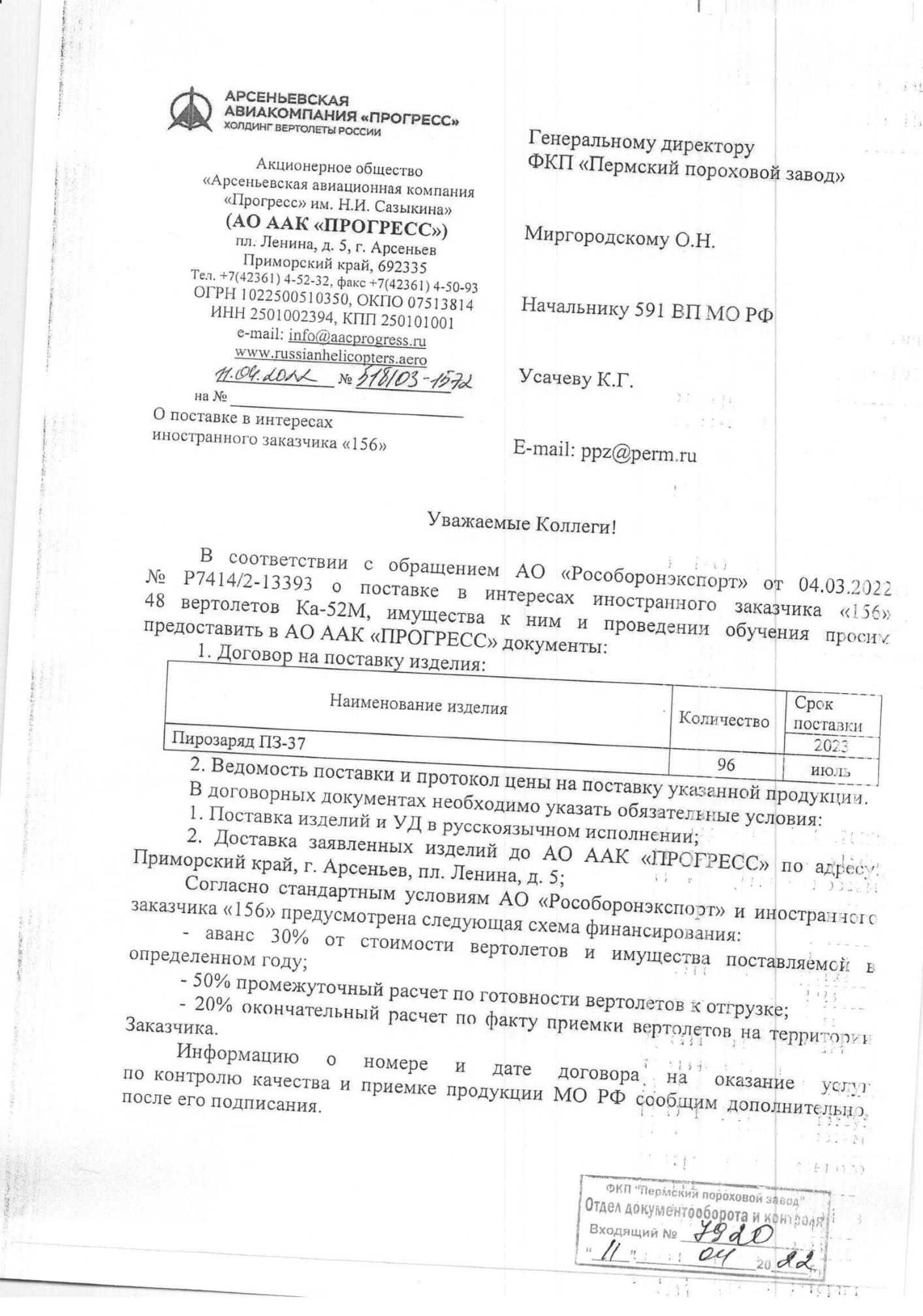
Alongside technology transfers, the plant’s documents also point to large-scale exports of finished weapons. In April 2022—after the start of Russia’s full-scale invasion—documentation was prepared for the delivery of 48 Ka-52M attack helicopters to a Chinese customer.
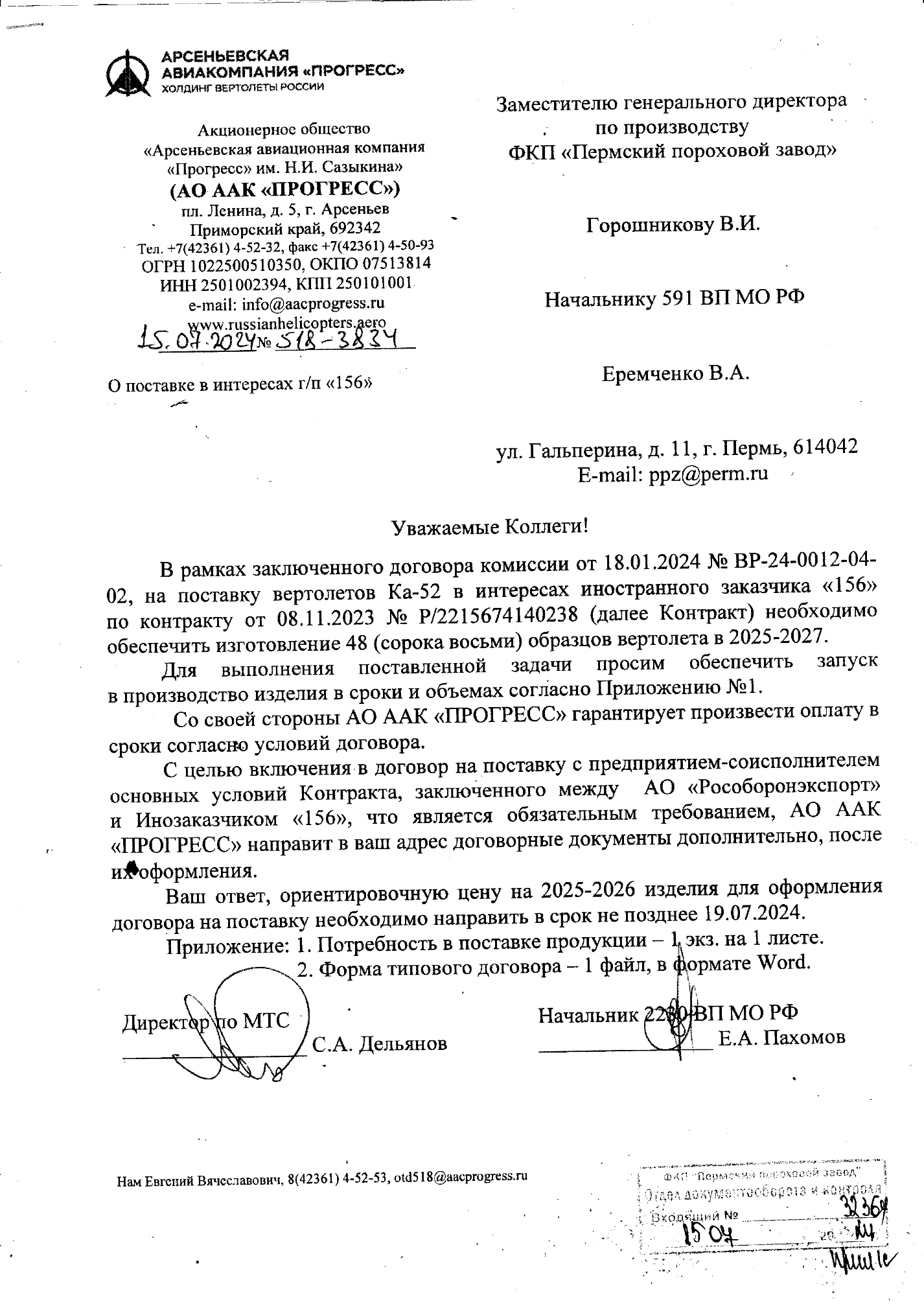
A similar document dated July 2024 confirms plans to deliver 48 Ka-52 helicopters in 2025–2027. These documents show that even amid active hostilities and sanctions pressure, Russia’s military-industrial complex continued to plan multi-year export programs.
Separate technical requests indicate that the Perm Powder Plant was a key supplier of components for aviation weapons systems, including pyrotechnic and ammunition elements, under these contracts.
Trading technology for political survival
Taken together, the documents demonstrate the comprehensive nature of cooperation between Russia and China. Moscow is simultaneously transferring critically important military technologies, training personnel, deploying production lines, and supplying finished combat platforms.
While officially neutral on the war in Ukraine, China helps Russia maintain its military output through technology partnerships and long-term contracts. The Russian economy, now battered by war and sanctions, has forced Moscow into disadvantageous arrangements with Beijing. As economic and technological dependence on China grows, the relationship becomes increasingly asymmetrical.
Thus, the war has reshaped Russia and China relations, turning Moscow into a junior partner reliant on Beijing’s market and political support.
The documents suggest that the war has significantly weakened Russia’s defense industry export capabilities, forcing the Kremlin to accept increasingly unfavorable terms of cooperation. In a number of cases, Russian enterprises continue to fulfill even financially loss-making contracts—not for profit, but to retain access to the Chinese market and political support.
Ultimately, the military-technical partnership with China is becoming for Russia not a source of strength, but a mechanism for the gradual loss of technological sovereignty. Beijing gains access to critically important competencies, while Moscow becomes ever more entrenched as a dependent supplier of resources, knowledge, and production capabilities in its own war of attrition.
At this stage, any tightening of sanctions and restrictions on Moscow’s access to Western technologies and components appears maximally effective in curbing its aggressive ambitions.
Discuss this article:





-111f0e5095e02c02446ffed57bfb0ab1.jpeg "Photo of Roman Kohanets")

-72b63a4e0c8c475ad81fe3eed3f63729.jpeg "Photo of Cyril Barabaltchouk")